Table of Contents
Author | Raquel C. Pico
Sustainable transportation is one of the key priorities on the list of sustainable development goals. The movement of people, raw materials, and products continues to grow, making reduction a highly complex challenge. As a result, the focus is on developing green transportation and sustainable mobility with a minimal carbon footprint—or, ideally, achieving zero-emission transportation. Trains have become a cornerstone of this pursuit.
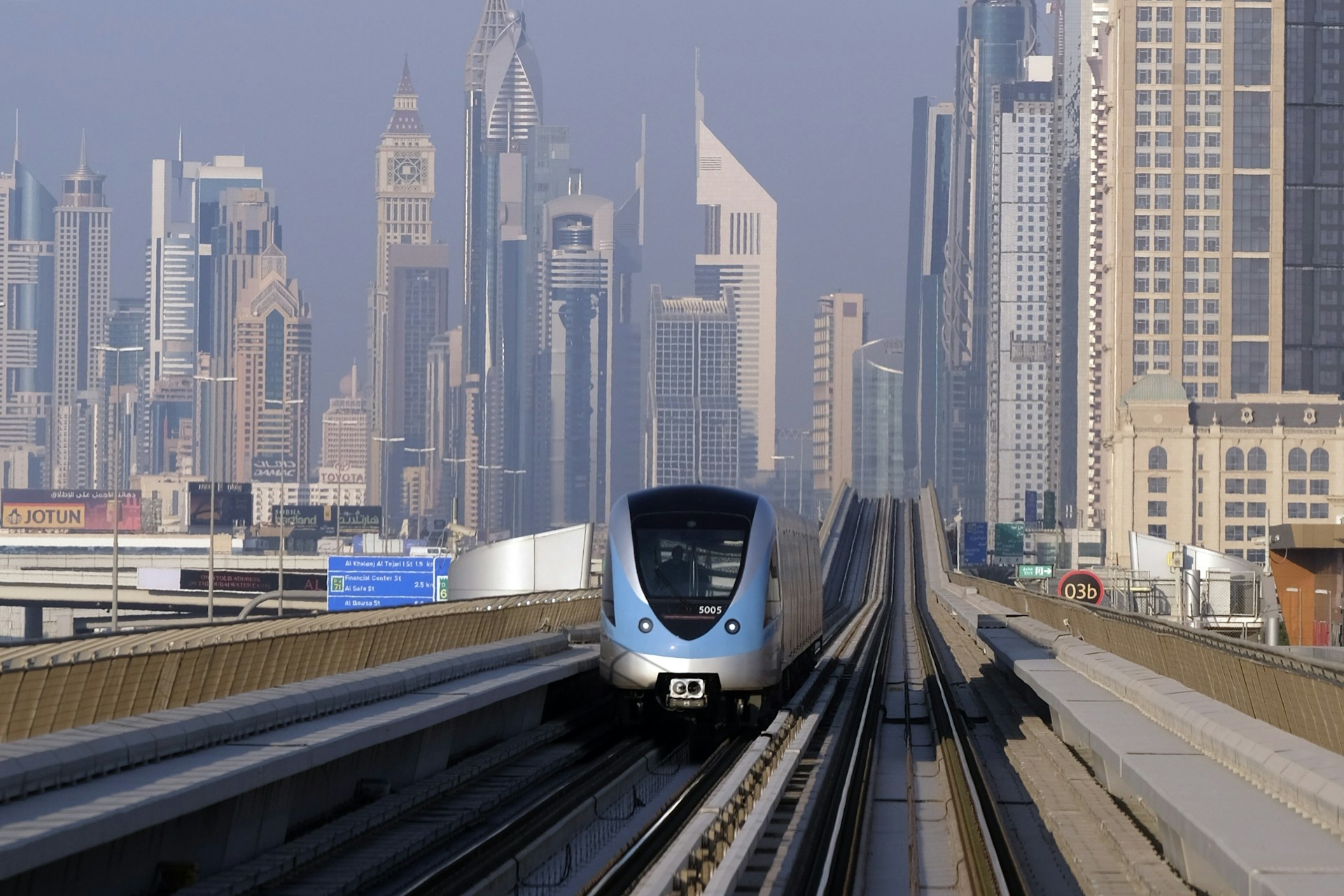
Trains play a central role in the sustainable transportation transition plans of a growing number of countries and are even a key commitment in cities’ green transition efforts. The revival of trams aligns with this approach, as cities adopt them to meet residents’ mobility needs while advancing sustainable development.
But are trains truly the ultimate solution for green mobility? Transportation remains one of the largest contributors to global greenhouse gas emissions. In the European Union alone, transportation accounts for 25% of greenhouse gas emissions, according to the European Environment Agency. A study by this agency concluded that “Rail travel is the best and most sensible mode of travel, apart from walking or cycling.” However, the report notes that despite the aviation industry’s footprint, flying is not always the worst option. Traveling alone in a petrol or diesel-powered car can be even more harmful, especially on long journeys.
In fact, the context must also be considered when assessing train travel as the most sustainable mode of transportation. While many assume rail travel is inherently the cleanest option, this is not always true. If a train runs on diesel, and the fleet is outdated or inefficient—requiring more fuel—its performance declines, making it far less environmentally friendly. Some environmental groups have estimated that in certain regions, such as California, diesel freight trains can have a greater negative impact on human health due to their emissions than freight transport by truck.
Achieving sustainable rail transportation requires green trains, but much of the railway infrastructure is not yet optimized for this transition. In Europe, for example, 60% of trains operate on electrified lines. The remaining 40% still run on diesel.
Zero-emission trains

Rail travel is not inherently sustainable simply because trains are used; true sustainability requires the adoption of zero-emission trains. In reality, zero-emission status applies only to electric trains—provided they run on renewable energy—and green hydrogen trains. Electric trains are now widely used on railway networks. For example, high-speed trains that connect many European cities. Green hydrogen trains, however, are still in the trial phase.
Rail industry companies are also exploring the potential of biofuels. In Spain, Renfe has tested renewable diesel in its freight train fleet on a non-electrified section of the Algeciras-Madrid route. The trains were fueled with diesel derived from used cooking oils. According to the company, this initiative prevented approximately 500 tons of CO₂ emissions from being released into the atmosphere.
Benefits of zero-emission trains
This is precisely the core objective of sustainable development: reducing greenhouse gas emissions to a minimum. The key advantage of zero-emission trains is their ability to operate without leaving a carbon footprint. This enhances the existing benefits of public transportation in the transition to green mobility.
Collective travel is always preferable to individual travel, as it distributes emissions among more passengers and optimizes travel efficiency.
The major challenges for its development
While sustainable transportation allows mobility to continue without increasing emissions, the transition to zero-emission trains still has a long way to go.
The most significant challenge is likely the electrification of rail networks and the phase-out of diesel trains. In the United States, only 1% of the railway system is electrified, according to figures from Earth Justice.
The electrification of railway lines is the cornerstone of electric train implementation. It is a costly process that cannot be implemented overnight. It often involves complex construction work, which can also have an environmental impact. Some studies suggest that, under these circumstances, electrification may not always be viable.
An alternative to achieving sustainable transportation goals could be adopting other train models. Hydrogen trains, as highlighted in an analysis by experts at the University of Waterloo, offer a viable alternative since they do not require significant investment in railway infrastructure. However, so far, hydrogen trains have only been tested in pilot projects, making it uncertain whether they are truly efficient.
Initial data suggest that hydrogen trains have high potential for regional lines, positioning them as a key player in urban and interurban mobility. Even so, they pose safety challenges, both in developing secure railway infrastructure and in fueling operations, as highlighted in an analysis by the World Economic Forum.
Meanwhile, cities are already exploring other zero-emission alternatives, such as London’s electric buses, which are more cost-effective since they do not require new infrastructure and offer greater flexibility in route planning.
Images | Scanrail, Linus Mimietz