



Table of Contents
Author | Lucía Burbano
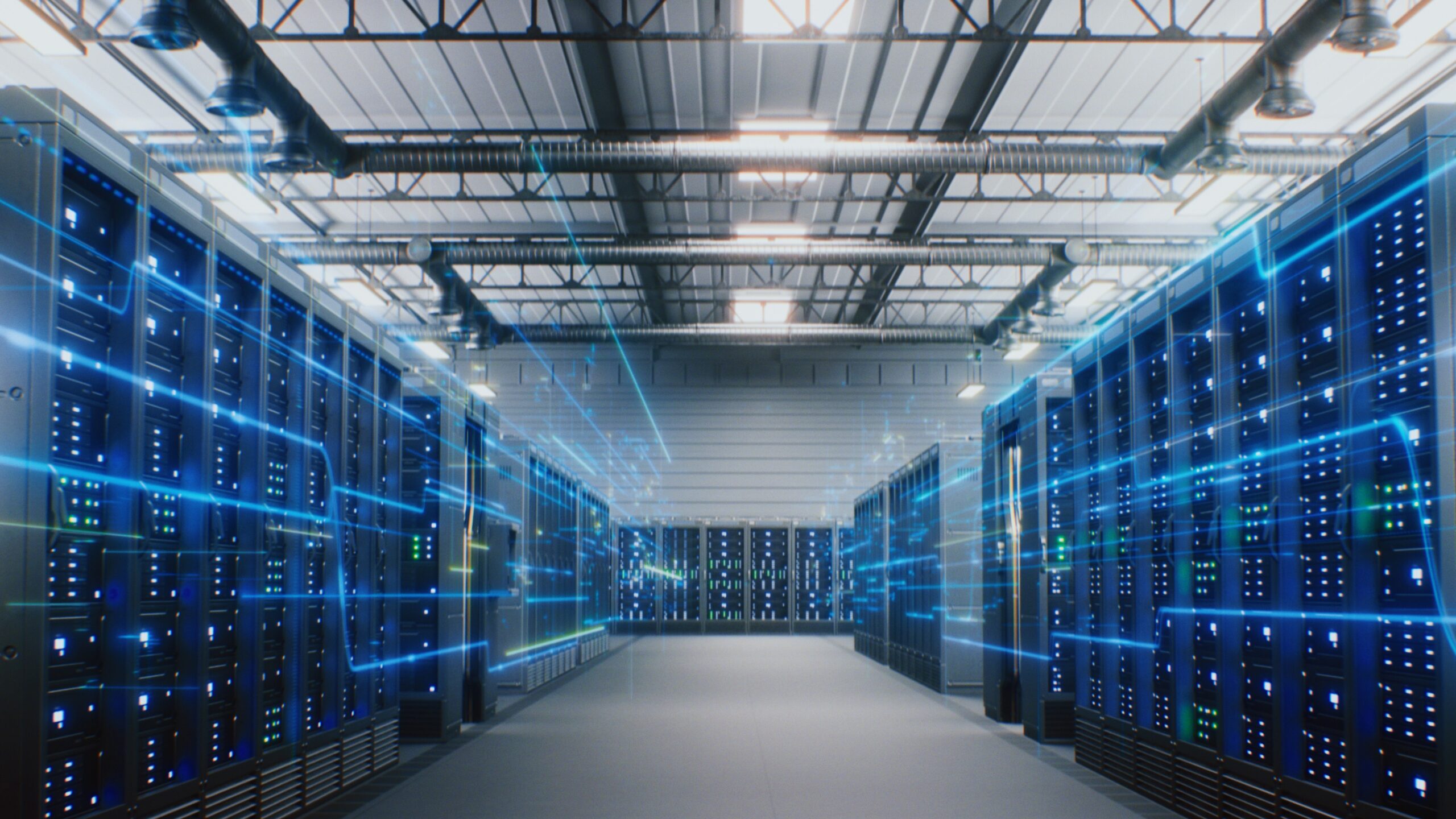
It is some years now since the sustainable practices implemented in companies go beyond recycling or not using single-use plastic. With the help of technology, entire industries and specific companies are integrating sustainability in their processes, procedures, services or products. Some cases are truly amazing and inspiring.
The benefits of sustainable technologies
An increasing number of companies and industries are integrating sustainable criteria in their business practices under the acronym ESG (environmental, social and governance). The implementation of technology has also be identified as an enabler of this progress and innovation and, in many cases, as the executor of this corporate strategy, which revolves around sustainability and which presents numerous benefits, also related to the reduction of emissions or water and energy consumption.
Attractive profile for investors
A survey of UK investors revealed that a quarter of UK investors plan to make ESG investments by 2025 and that one third are willing to accept lower returns if an investment has a positive social or environmental impact.
Cost reduction
The application of sustainable technologies and resource optimization enables operating costs to be reduced, since it minimizes waste, optimizes energy consumption and improves a company’s competitiveness and reputation. The sum of all these factors has a positive impact on a company’s finances.
Sustainable and somewhat unconventional technologies
The combination of technology and innovation results in tech-based solutions that are surprising by nature and efficient in terms of their results.
Waste to energy technologies
Associated with the circular economy, this process converts gas, liquid and semi-solid waste into energy, fuel for transport or electricity through industrial processes such as gasification, anaerobic digestion, pyrolysis or hydrothermal carbonization. More than at a corporate scale, this is a solution to be implemented at an industrial or city scale.
Mycelium packaging and containers
No polystyrene or plastics. Various bio-based materials are proving to be equally resistant alternatives to the former but as they are biodegradable, they have a lower environmental impact. Of all of these, fungus or the root of fungus, called mycelium, combined with hemp or wood, is the most common.
Blockchain for a transparent supply chain
Real-time traceability of a container or parcel is a high-demand value added service by logistics, but there is also concern regarding data filtration. Blockchain and its decentralized and coded system allows goods to be controlled and documentation to be exchanged without the danger of filtrations.
Immediate impact use cases
Hongkong Land
This real estate firm fosters sustainable practices that exceed regulatory requirements. For example, 88% of its portfolio achieved maximum green building certifications.

They have implemented an Integrated Smart Management System which integrates the building management systems of all 12 buildings in the Central Portfolio with IoT sensors, security cameras, AI technologies and mobile apps to enhance security, improve response times for tenants and provide centralized oversight over all buildings.
They implement a series of measures in their buildings to reduce the environmental impact of building operations through, for example, AI-based algorithmic chiller optimization and an energy management platform with automatic system inefficiency diagnostics capabilities.
Optera
Optera offers a software that enables companies to not only reduce their environmental impact, but also establish real objectives to achieve that goal. It provides carbon accounting, processable perspectives and forecasts, and tools to collaborate with the supply chain and investment partners. Their clients include leading technology firms such as Dell and HPE.
Photographs | Unsplash/Austin Distel, Unsplash/ Martin Reisch