Table of Contents
Author | M. Martínez Euklidiadas
Barcelona is the second must populated city in Spain, with 1.6 million people, with this figure increasing to 3.3 million in its metropolitan area, and the city is a European and global leader in smart water management, thanks partly to the application of the Internet of Things (IoT) to its smart management systems. This is how the water utility company Aigües de Barcelona has become a leader in smart water usage.
What are smart water management systems and what are the challenges in cities?
Smart water management systems are management tools that use various techniques, methodologies and technologies (often digital) to collect, share and analyze data from water devices and networks, to allow for subsequent effective strategic planning for this increasingly scarce resource, and real-time management.
Urban environments are facing major challenges related to the implementation and maintenance of smart water management systems.
- High costs for the implementation of smart water infrastructures, which not only require construction work, but also electronic devices and sensors.
- Funding problems to adapt the existing, and often obsolete, networks to new water quality requirements.
- Lack of talent and training of professionals responsible for the construction, start-up and maintenance of the infrastructures.
- Complications in all data management points from collection to the creation of knowledge arising from the same.
- Collaboration of all areas that make up the water chain, from its collection to its processing once used.
- Managing the security (or lack of) in a now digitalized and more vulnerable environment than traditional networks.
- And doing all of the above in order to establish sustainable solutions for water.
… but the challenges of water management without these tools are insurmountable. Given the existing and future water scarcity conditions, cities cannot achieve the Sustainable Development Goals without them:
- Lack of water in increasingly populated cities, which are often suffering from water stress and require water resource optimization.
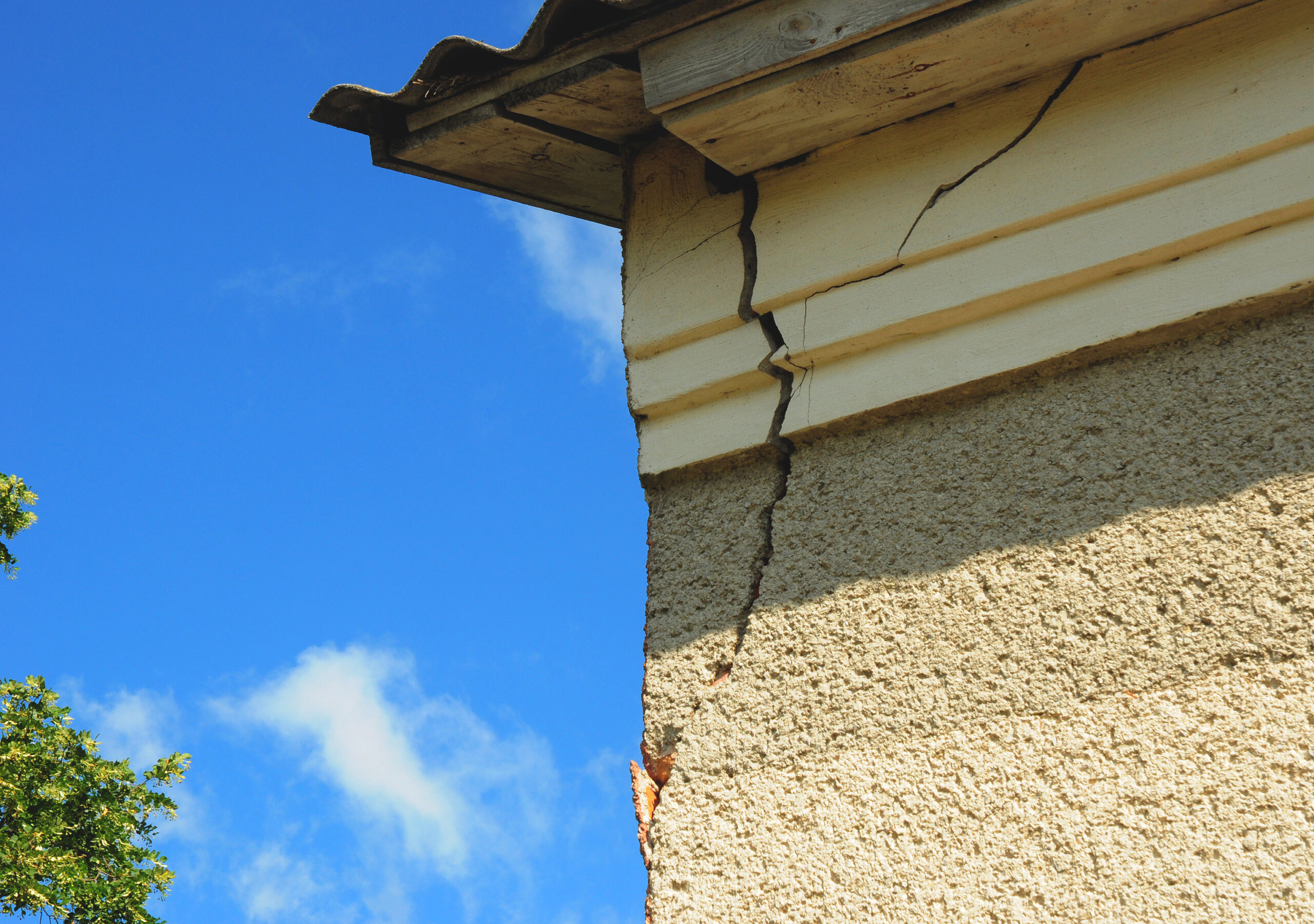
- Pressure on aquifers which, in turn, deteriorates the environment and even buildings, causing subsidence.
- Pollution of seas and other water bodies from water carried downstream, which requires water quality to be monitored and sustainable practices.
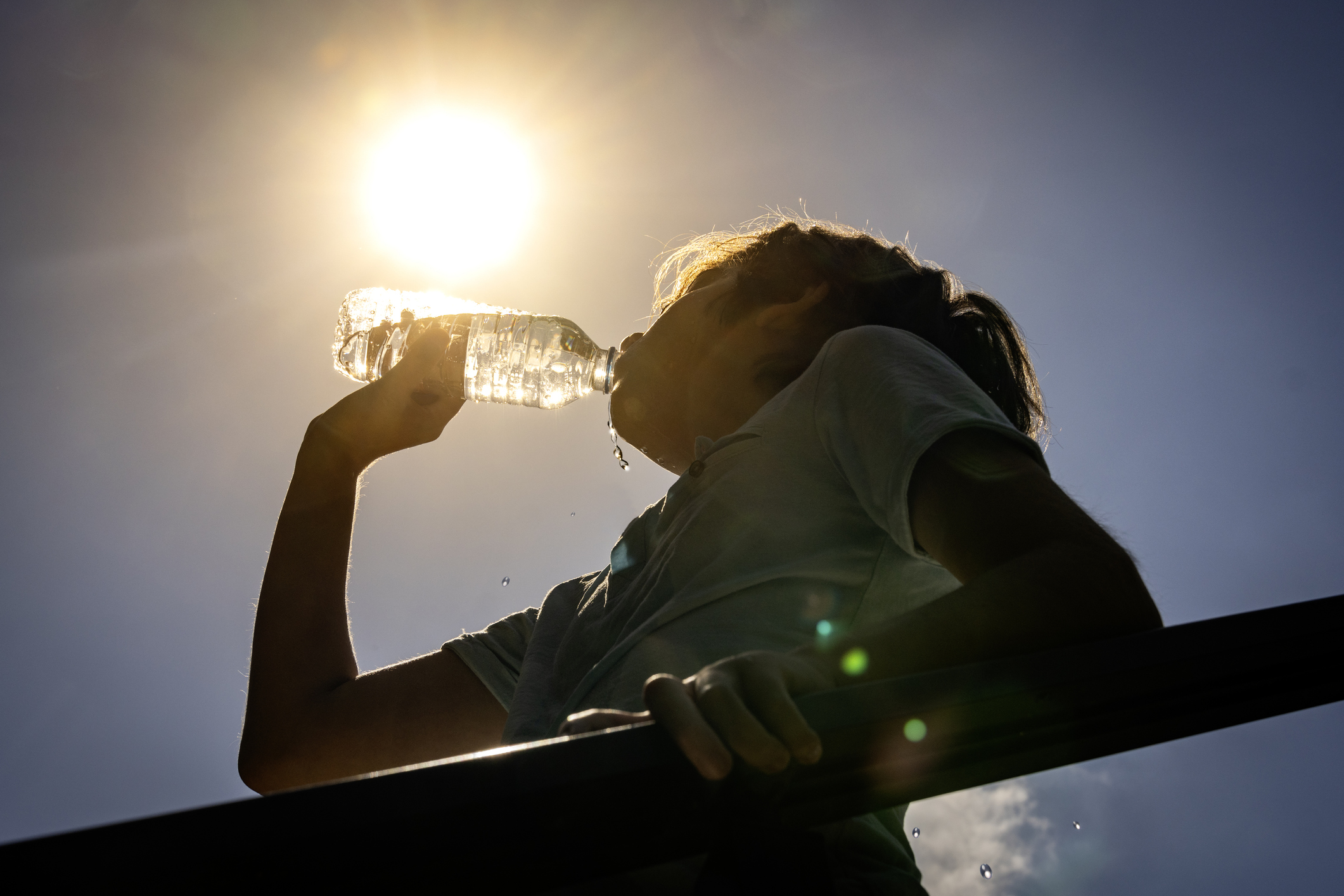
In Barcelona, Laura Garrote, director of Digitalization and Operational Excellence of Aigües de Barcelona “we are experiencing a constant situation of water stress, aggravated by the effects of climate change, leading to longer and more intense periods of drought”. Given this scenario, it is essential that the entire metropolitan area works towards the most efficient use of water possible.
Functions of smart water management systems
Among the advantages of smart water management systems are:
- Preserving water resources, identifying high consumption areas and proposing alternatives to reduce or improve the use of the same.
- Savings on water infrastructures, including buying, transporting water in trucks, or locating leakages.
- Continuous improvement of facilities, through regular reports on the condition of a now digitalized network.
- Real-time control of the water infrastructure, which enables quick decisions to be made in order to provide citizens with flexible solutions.
Smart water management initiatives in Barcelona
Thanks to the urban configuration of Ildefons Cerdà and the subsequent urban infill, Barcelona is one of the densest cities among the largest cities in Europe. This brings with it irreplaceable environmental benefits, such as low impact per capita, but also makes local challenges, like obtaining water, more difficult.
In around 2011, the city of Barcelona established a single municipal data exchange network, serving as an example for other municipalities to do the same. This network was made up of numerous layers:
- A sensor layer called Sentilo, designed to collect data. This layer is now open source and is released to the world.
- An architecture layer called City OS, which serves to aggregate and analyze data, make decisions or draw up reports and create knowledge.
- A connection and open data layer, for interested agencies to consult information on the network.
In addition to this network, Aigües de Barcelona (incorporated in 2013) also built its smart system under the principles of environmental and social sustainability to supply 23 city councils. The aim of this operator was to implement smart collection, purification, distribution, consumption and subsequent treatment systems; and to do so with maximum guarantees in terms of a positive social and economic impact.
Key aspects of Barcelona’s approach to smart water management
Barcelona has been testing solutions since the 1990s, and not always with the expected benefits or best results possible, without this preventing the city from becoming a great urban laboratory. One of Barcelona’s strong points is its determination in terms of launching localized projects which, if successful, can then be extended to the rest of the municipality and metropolitan area.
Achievements of Barcelona’s smart management system

Aigües de Barcelona’s technical report on sustainability is probably the best document to verify the effectiveness and efficacy of the smart water management systems that have made Barcelona a global reference. And the water cycle graph is perhaps the most significant given the circular nature of the water model.
To achieve this objective, the Dinapsis Barcelona Center, a hub that launches digital projects, has been key in making public services smart. This center was created with the aim of serving as a node between the public-private sector, the various public services in the metropolitan area and the talent of companies and professionals.
In less than a decade, Barcelona and its metropolitan area’s smart water management has improved considerably, maximizing regeneration and reuse and creating, during this process, its own short mini water cycle, an artificial cycle as a solution based on nature designed to emulate the natural cycle of water.
Image | Benjamín Gremler