



Table of Contents
Author | Elvira Esparza
Cyberattacks on water systems have increased worldwide in recent years. Water treatment plants have become prime targets for cyberattacks due to their critical role in industrial operations and the daily functioning of cities.
More than 30 cyberattacks on drinking water and wastewater utilities have been documented in Europe since 2020. In some cases, hackers shut down wastewater treatment plants, while in others, they attempted to contaminate drinking water or even caused a water tank to overflow.
Cyberattacks have also increased rapidly in the United States. In recent months, the FBI has detected attacks on water utilities in several cities that disrupted equipment monitoring. Previously, the Office of Inspector General of the Environmental Protection Agency (EPA) conducted an assessment of 1,062 drinking water systems and found that 97 had critical or high-risk vulnerabilities, while 211 had portals accessible from external networks that could potentially be exploited to damage infrastructure. According to the U.S. Cybersecurity and Infrastructure Security Agency (CISA), the United States has more than 153,000 public drinking water systems and 16,000 public wastewater treatment systems. The United States experiences the highest number of cyberattacks on water systems, followed closely by Europe, while in Africa, South Asia, and the Middle East, the modernization of public utilities is increasing their vulnerability to cyberattacks.
Why are water supply systems vulnerable to cyberattacks?
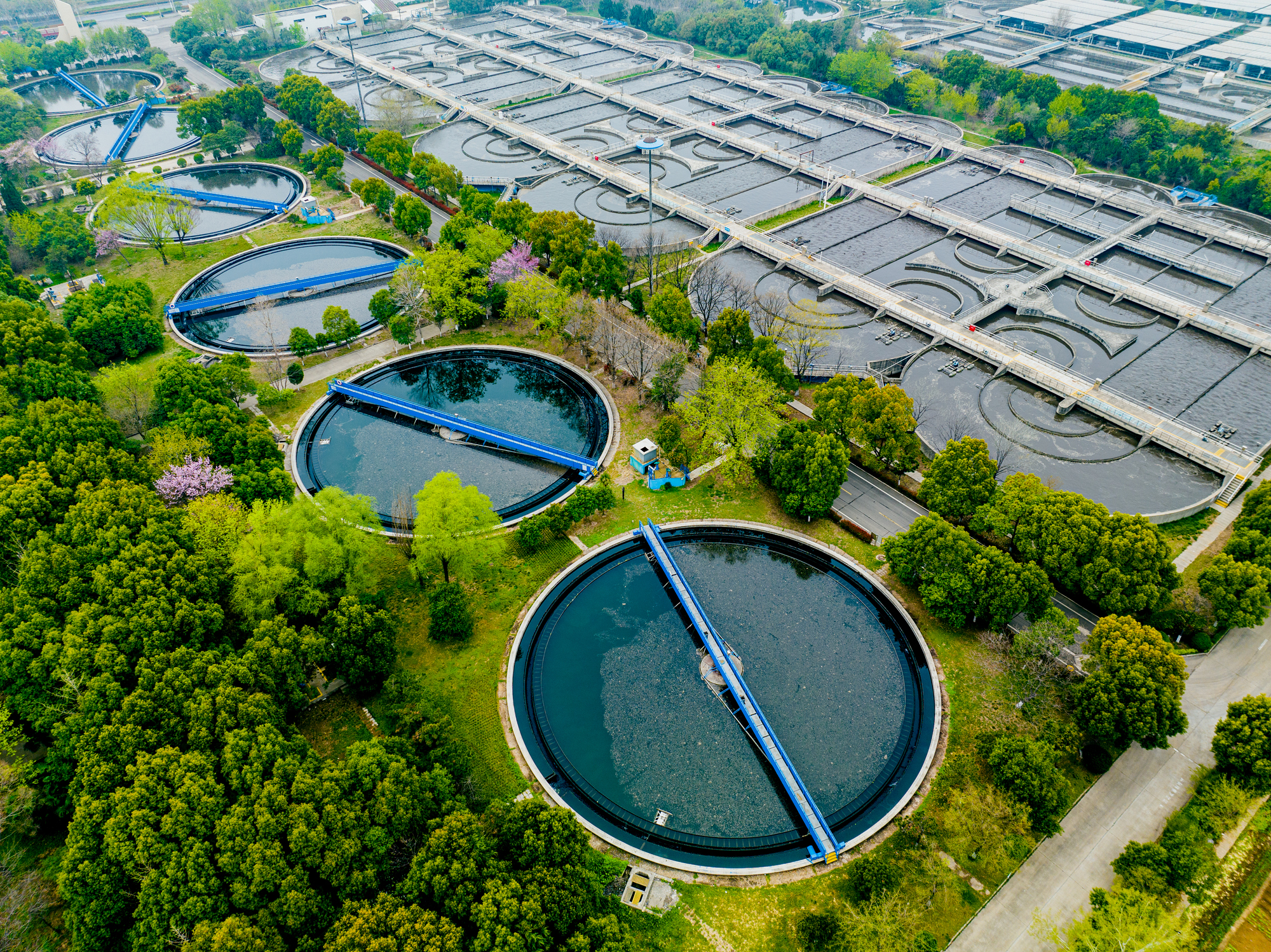
Threats to water supply systems are increasing because water utilities lack the resources to defend against cyberattacks. This vulnerability can be partly explained by the fact that cybersecurity concerns tend to focus more on power grids and healthcare than on water systems.
However, drinking water supply and wastewater management systems are more exposed to cyberattacks because they often rely on outdated infrastructure, giving attackers considerable opportunities to exploit vulnerabilities. Cyberattacks can be used to shut down pumps, disrupt water treatment processes, potentially contaminating the water supply, or bring distribution networks to a standstill.
The problem lies in the connection between traditional infrastructure and the technology used in these systems. Historically, water supply and treatment networks were designed with a greater emphasis on reliability than security, but they have since incorporated information technologies through sensors, cloud platforms, and remote monitoring. This has improved efficiency but has also made it easier for hackers to gain access to operational systems and take control of pumps, valves, and treatment plants to carry out cyberattacks.
Types of cyberattacks on water systems
- Ransomware. This is the main type of attack used by cybercriminals for financial gain. It is a type of malware that encrypts files on a system, preventing access and demanding a ransom in exchange for the decryption key.
- Malicious software that cybercriminals use to infiltrate systems and steal confidential information.
- Hacktivism. Activists target water utilities to draw attention to political and environmental causes.
- Insider threats. These attacks are carried out by employees, either unintentionally or maliciously. They can be particularly damaging because they bypass traditional security measures and may even cause service disruptions.
What are the main consequences of cyberattacks on water systems?
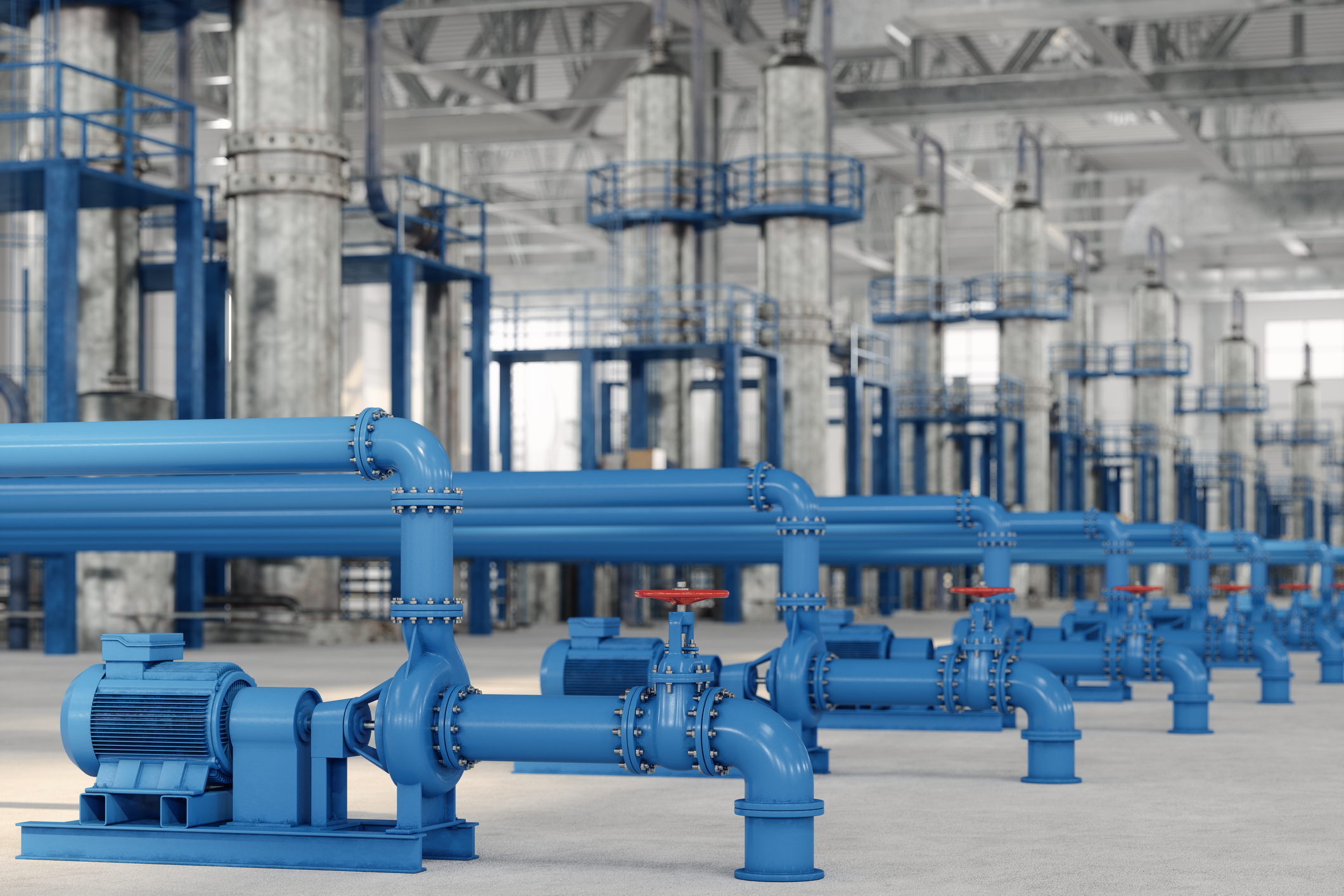
Cyberattacks can have serious and far-reaching consequences because they can affect water quality, posing a significant threat to public health.
According to the EPA, a cyberattack on these systems can not only disrupt water treatment, potentially leading to contamination, but also affect water distribution and storage or cause service interruptions. According to the US Water Alliance, a one-day disruption to water services could put $43.5 billion in economic activity at risk, as it affects not only household water supplies but also industrial operations and agriculture.
Cyberattacks also have a financial impact on water utilities, both in terms of the direct costs of restoring services and potential lawsuits filed by customers affected by the attack.
How should smart cities prepare to protect their networks against cyberattacks?
Smart cities must take a proactive approach and make changes to their water system procedures to prevent cyberattacks.
It is essential to identify all connected assets and implement AI-based threat detection systems to monitor networks.
Strengthen multifactor authentication systems to prevent unauthorized access to operational technology systems.
Keep systems up to date and improve cybersecurity training, as many facilities lack specialized personnel to deal with these attacks.
Additionally, operational networks should be separated from administrative networks to prevent cyberattacks from spreading.
Finally, policy measures can be adopted to ensure the security of infrastructure with limited resources.
Images | xijian/iStock, engin akyurt, onurdongel/iStock