



Table of Contents
Author | Lucía Burbano
Historically, large-scale events have been prime targets for potential terrorist attacks due to the impact and alarm caused by the high number of people affected. Manually monitoring the movements and behaviors of hundreds or thousands of attendees at a single event is an extremely complex task.
The use of technology, specifically smart cameras, has become a useful and virtually essential tool to help organizers and authorities double their security efforts at events attended by large crowds.
How do security cameras ensure protection?
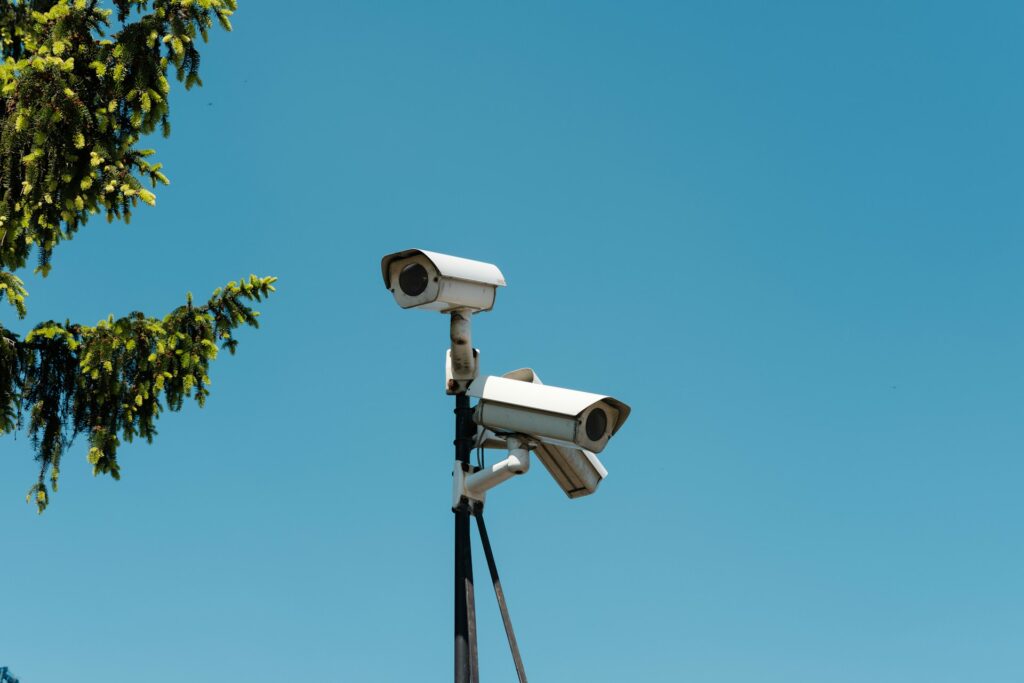
Smart cameras, those equipped with artificial intelligence, advanced connectivity, and analytical capabilities, can significantly enhance security at large events thanks, precisely, to these features.
They can detect unusual patterns, such as atypical movements, identify abandoned objects, or spot individuals trying to enter restricted areas, alerting authorities in real time to potential security breaches.
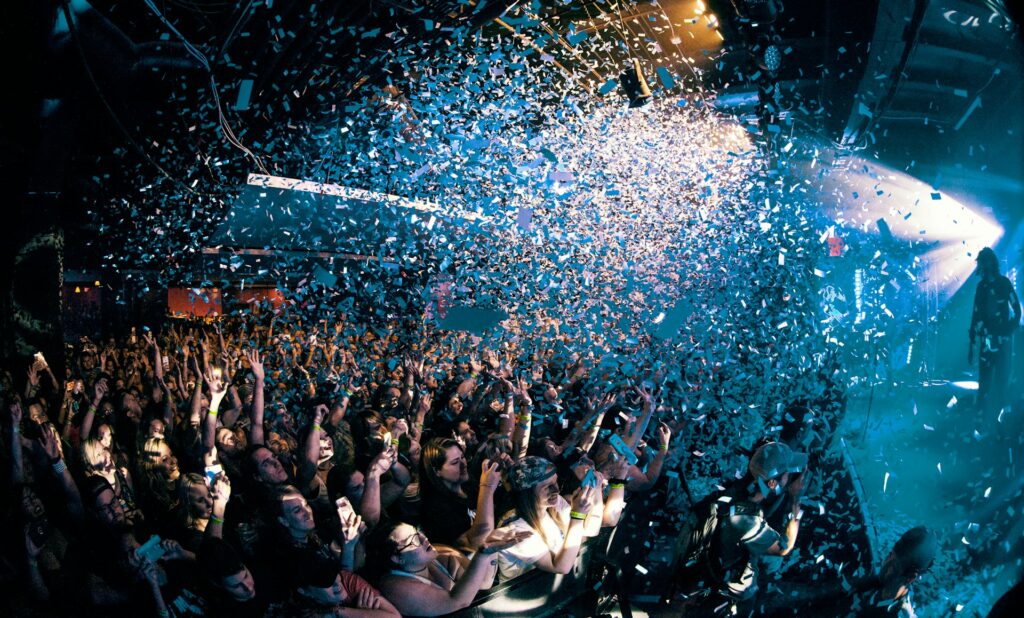
In addition, they can measure crowd density, identify congestion points, and track the flow of people, allowing organizers to anticipate potential risks related to overcrowding, such as stampedes. This enables organizers to react and make quick decisions, such as opening additional exits or redirecting the crowd to prevent serious incidents.
Another extremely useful function in managing security at large-scale events is that AI-equipped cameras can automatically detect fights, assaults, or sudden movements within groups of people.
They also play a key role in enhancing the protection of large crowds by supporting access control at events. When combined with authentication systems, smart cameras can validate tickets and detect unauthorized access attempts, safeguarding areas such as the backstage, technical zones, and VIP sections.
And not to be overlooked, they are essential for prevention and future planning. Smart cameras store metadata and enable quick searches for objects, people, or behaviors, allowing organizers to analyze events afterward and improve their security strategies.
Mobile crowdsourcing: when the public provides the information
The authors of this study propose combining smart cameras with what they call mobile crowdsourcing, using the information that attendees’ mobile phones can provide to enhance security.
These devices have multiple built-in sensors, such as GPS, accelerometers, and gyroscopes, which generate data that can be collected and processed to provide valuable insights for monitoring the dynamics of large-scale events and predicting potential situations.
They explain that aggregating this information on a single platform would be a valuable complement to surveillance cameras, since, they argue, cameras alone have a limitation: they cannot provide a complete and up-to-date view of a crowd without requiring an enormous number of cameras, which would overload communication systems.
However, they note that cameras can work effectively alongside a crowd detection system, especially when mounted on drones and flown over the event area, adjusting their paths based on the crowd distribution obtained through a mobile crowd detection system.
Examples of large-scale urban events monitored by cameras
Christmas Markets and Construction Zones in Germany (2025)
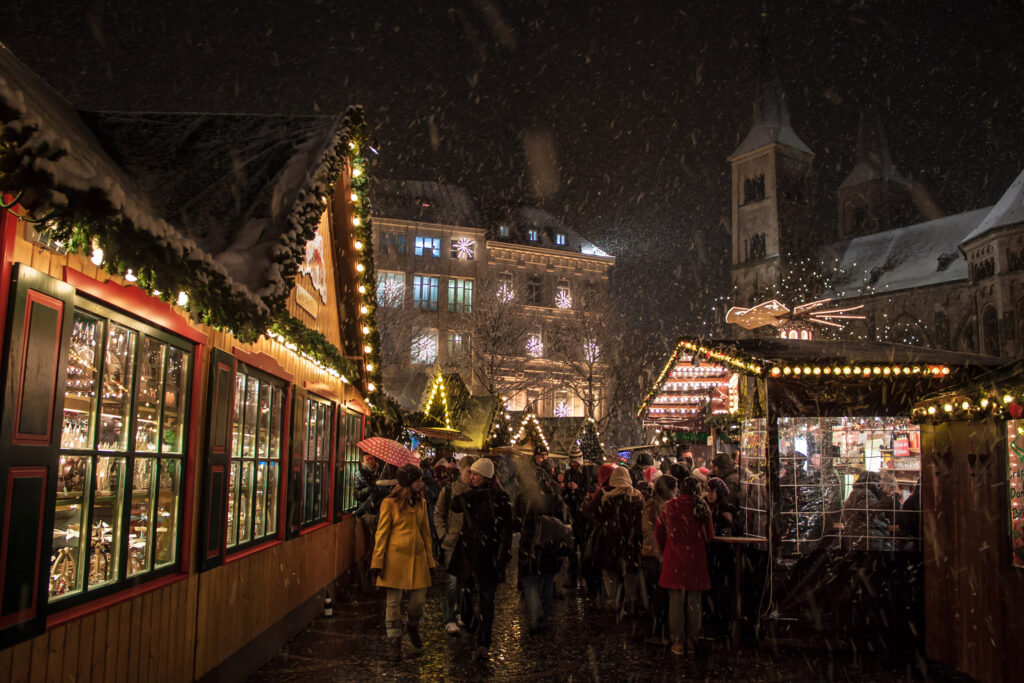
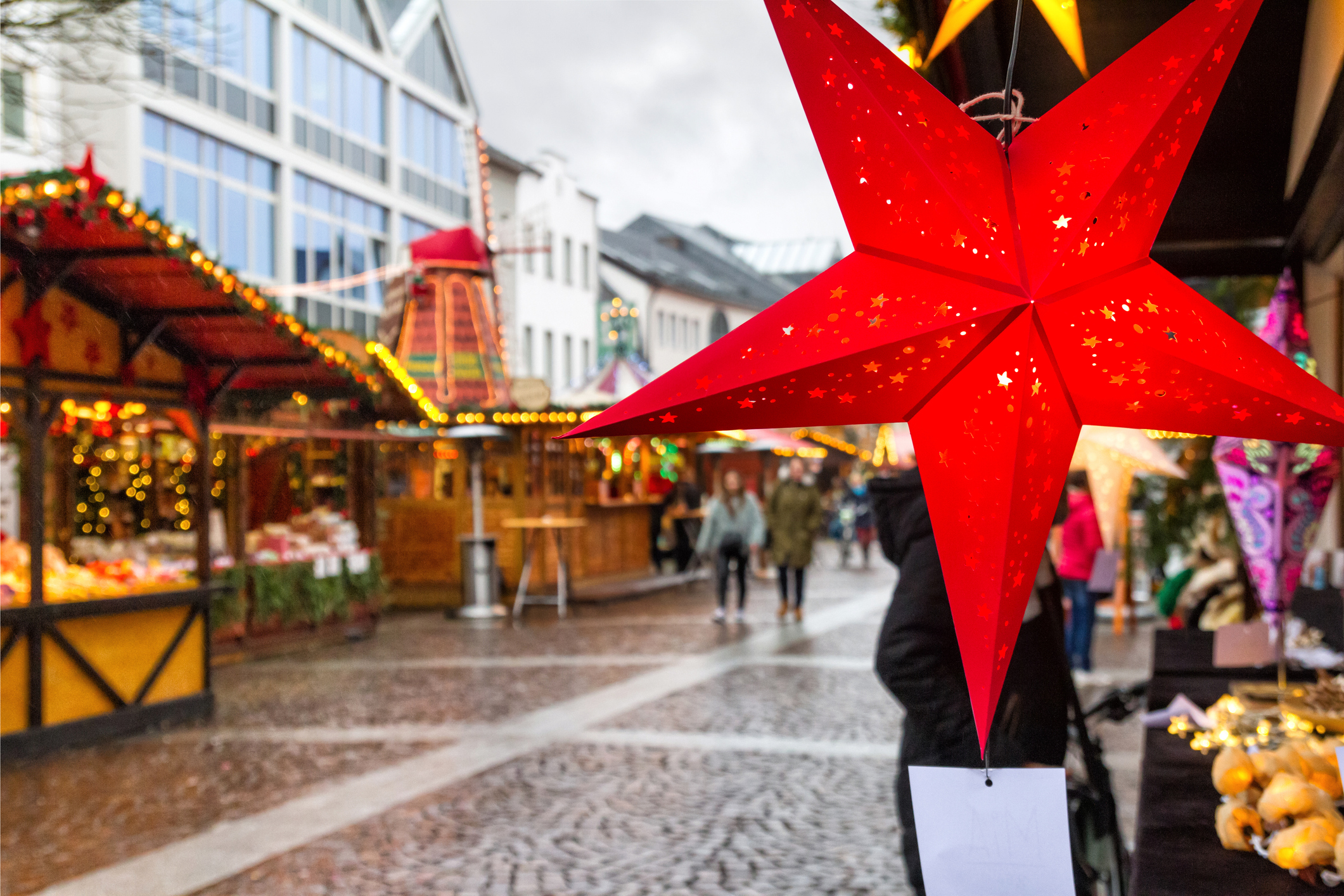
Sadly, the large crowds and enclosed nature of traditional German Christmas markets have made them easy targets for terrorist attacks. The use of vehicles is particularly concerning, as it could increase the number of victims, prompting authorities to implement a series of deterrent and surveillance measures.
In addition to self-deploying bollards, sophisticated camera systems facilitate the rapid detection of suspects and incidents of interest. However, not everyone is happy, and their costs, which can reach several million euros, must be borne by the vendors in cities like Bonn, which has been experimenting with this technology for years.
Although Germany has historically been more reluctant than other countries to use security cameras, Bonn boasts of the success of its video monitoring system. According to the city council, in 2022 alone its 3,000 watchtowers were able to prevent almost 76,000 robberies in construction sites and facilitated 878 arrests.
Notting Hill Carnival, London (2025)
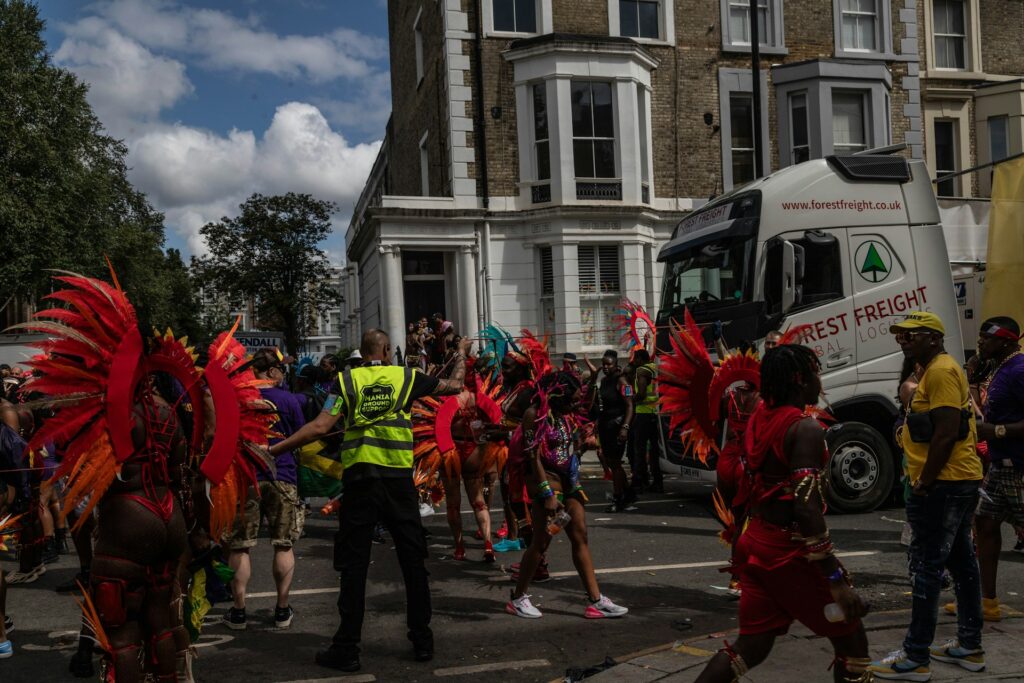
At the 2025 edition of this three-day street carnival, which attracts approximately 2 million people, security relied on surveillance through cameras and mobile CCTV towers, drones equipped with thermal cameras, and, at some entrances, facial recognition cameras to identify suspects wanted by the police.
The cameras allowed real-time alerts for potential incidents: monitoring crowd density and unusual movements to redirect the flow of people, reinforce police presence where needed, and ultimately reduce risks.
This surveillance was coordinated and complemented by large-scale patrols, with 7,000 police officers on duty daily. Authorities credited the significant reduction in serious violent incidents to the combination of devices (cameras and drones), police control, and detection gates.
Paris Olympic Games (2024)
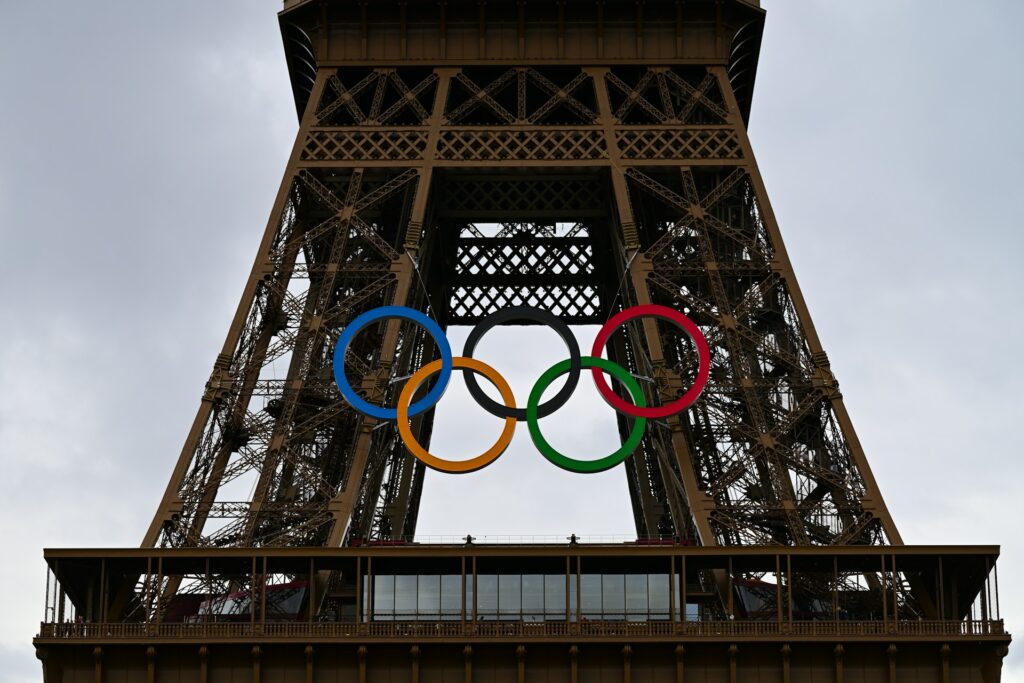
For the 2024 Olympic Games, the French authorities approved the use of AI-assisted video surveillance, with cameras analyzing live footage to detect potential anomalies, such as dangerous crowding, abandoned objects, suspicious movements, or possible threats.
In the months leading up to the Games, this technology was tested at concerts, major cultural events, transport hubs, and public spaces as part of a series of pilot programs.
Specifically, the systems were evaluated for their effectiveness in detecting security risks in highly crowded areas, where manual monitoring alone would have been insufficient.
Photographs | Unsplash/Elena de Soto, Unsplash/Bernd Dittrich, Unsplash/Amin Zabardast, rustamank/iStock, mathess/iStock, Unsplash/Michał Jakubowski