



Table of Contents
Author | M. Martínez EuklidiadasCould the analysis of wastewater from a population be used to alert hospitals or prevent coronavirus outbreaks? A recent study published in mid-June confirms that this is possible. In this document, Jordan Peccia et al. managed to predict a hospital peak one week in advance by tracing SARS-CoV-2 RNA concentrations in the local sewage.But, what exactly does this mean and how can it be used? Can we transform this knowledge into a coronavirus detection tool?
Wastewater can provide information of covid-19 infection for entire populations
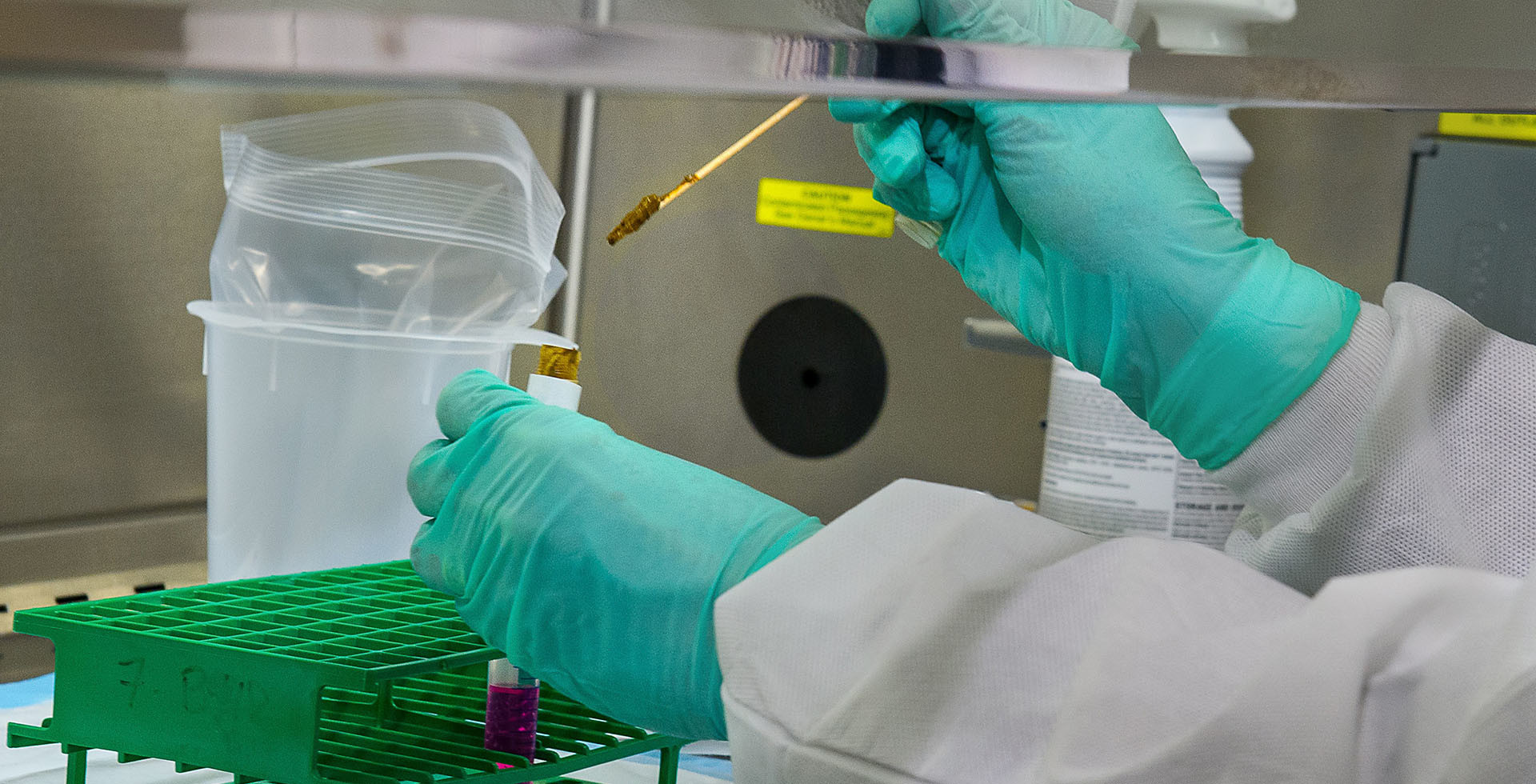
The aforementioned study, entitled ‘SARS-CoV-2 RNA concentrations in primary municipal sewage sludge as a leading indicator of COVID-19 outbreak dynamics’ has demonstrated that identifying coronavirus positives is feasible by analyzing cities’ subsoils.The experiment basically consists of analyzing wastewater in search of fragments of coronavirus. The relevant aspect is that this method has proven to be 99% effective in predicting a local outbreak. If there are traces of SARS-CoV-2 RNA, within one week there will most certainly be a surge in hospital admissions.Entities such as the Eurecat (Technology Center of Catalonia, Spain) are already working at a European level in Sewers4COVID operation. This project is based on the theory that individual testing for COVID every couple of days would be the ideal solution, however, this is too expensive. Analyzing entire districts is much more affordable and, as Jordan Peccia’s team has confirmed, reliable too.
Machine learning, IA and microbiology tools to detect coronavirus outbreaks
The BlueDot software, already known for predicting an outbreak of Zika one month in advance back in 2016, issued an alert for a strange “pneumonia” on December 31, 2019. It was COVID-19. Governments took months to react. And what if we had better analysis tools?The universities of Berkeley, UCSF and Stanford joined forces some time back to form the Chan Zuckerberg Biohub, a hub that has created an interesting tool to forecast unidentified infections and the spread of these. They also help in conducting mass testing.We know that new coronavirus outbreaks have appeared all over the world. Japan, Singapore, Spain, Pakistan, France, Russia or China have already reported new outbreaks. And the USA and India are still experiencing the worst of the first wave. Predictive tools will be essential in order to alleviate hospitals and prevent the spread.
The importance of preventive management and anticipation to reduce risks
Prevention and anticipation is key to preventing high mortality rates. These tools were not available when SARS killed 13% of those infected in 2002-2003. Today, SARS-CoV-2 has a 1 or 2% mortality rate thanks to technology. And the tools indicated above will be essential in order to detect and halt the coronavirus.Therefore, when an extensive network of sensors tracing SARS-CoV-2 RNA has been deployed, and it issues alerts in a specific area, we will be able to quarantine it and conduct localized targeted mass testing. This deployment will also help to detect trends in cities.Elements such as determining which areas infect the most, which districts the virus gets to first or which areas are exempt from the virus, analyzed with the use of big data tools, will be essential until a global vaccine is available. Without it, the best alternative is monitoring and prevention.Images | CDC, CDC, Kevin Maillefer