Author | Lucía Burbano
Sweden has an ambitious plan to totally decarbonize its heating and hot water system by 2030. It is achieving this thanks to district heating, which recycles water, the energy generated by data centers and non-recyclable waste to heat the entire country.
What is district heating?
District heating uses residual heat from various resources to produce up to 75% of Sweden’s heating demand. It is one of the most integrated and developed systems in the world, with the Scandinavian country leading the way in this field.
This district heating system was originally developed as a complement to the energy supply in cities. It has gradually expanded to meet the decarbonization objectives and reduce oil and natural gas dependency. Both of these fossil fuels are heavily taxed in Sweden.
How does district heating work?
The heat is produced in a heating plant, which heats the water obtained from consumers themselves and which then pumps the heat-carrying fluid to a network of pipes, which are insulated to prevent heat loss, to the thermal sub-stations installed in the buildings that distribute to provide hot water and heating to consumers.
Most heat plants use biomass from wood waste such as wood chips, bark, saw dust or pellets as an energy source to heat the water. They are automated and regulated according to the demand detected by the digital control system located in the stations and substations, which are also equipped with a heat exchange system and can be combined with other renewable sources such as solar power.
Other heat generating sources
Data center
Stockholm is capturing the excess heat produced by data centers to transfer it to the local heating and cooling network. This initiative, on the one hand, boosts the establishment of this industry while reducing the system’s emissions by 50 g of CO2 per kilowatt hour.
Non-recyclable waste
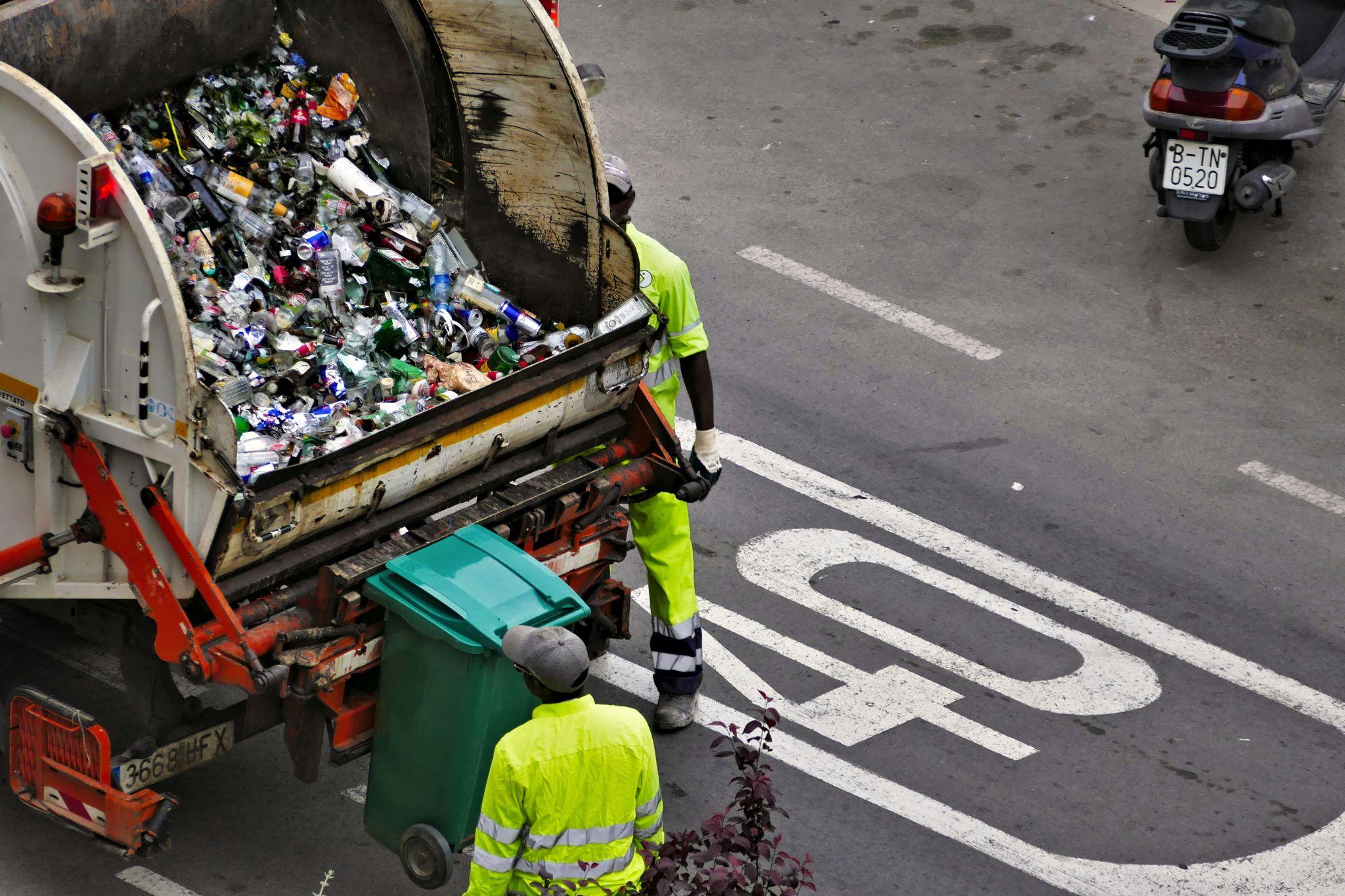
Instead of ending up at landfill sites, Sweden’s plants have high-recovery rates and can convert waste to energy to meet the heating needs of 1,250,000 homes.
One of the country’s largest plants is located in Malmö, where around 600,000 tons of non-recyclable waste is processed each year and which is enough to cover 60% of the heating requirements of the city, which has 300,000 inhabitants.
The underground “hot water bottle” of Västerås
Another highly innovative project is the one being developed by the energy company Mälarenergi, and which is converting a cavern, which in the 1970s held 300,000 cubic meters of oil as a stockpile in case World War Three broke out, into a huge underground hot water bottle at a temperature of around 95 ºC to heat this Swedish city through heat exchangers.
After clearing out the remaining oil from the caverns, the pipes have been installed and the exchangers of heat generated with biomass to then begin filling the cavern with water. The facility will offer 500 MW of district heating capacity and will meet the needs of 98% of the 130,000 inhabitants of Västerås. It is expected to be fully operational by 2024.
Photographs | Umberto