



Table of Contents
Authors | Jaime Ramos, Raquel C. Pico
One of the major transformations of the 21st century is the shift to clean energy. Renewable energy is central to the drive toward decarbonization and lower emissions, but it has also become increasingly important, particularly in recent years, as a means of achieving greater energy independence and resilience. Cities are very much part of this energy efficiency revolution and have embraced the forms of renewable energy best suited to their urban environments, such as solar power. Rooftops are filling up with solar panels that harness sunlight. But could the same be done with wind energy?
Wind energy: clean and efficient
The importance of wind power among renewable energy sources is undeniable. This form of clean energy typically accounts for a significant share of electricity generation. Spain offers a useful example: renewables now account for 60% of its energy mix, according to energy production statistics for the first half of the year, and the number of gigawatts generated continues to rise. Wind power accounts for 22.7% of all electricity produced, ahead of the more photogenic solar power, which accounts for 20%.
All these forms of clean energy power cities, but they are not generated there. In Spain, 84% of all renewable energy is generated in rural areas. The same pattern can be seen elsewhere: Germany is set to install the world’s tallest wind turbine, and it will do so in the countryside.
It is therefore no surprise that wind power is represented by giant turbines occupying large plots of land or scattered in the ocean. However, wind farms are not the only solutions provided by this technology. This is how cities can benefit from innovations adapted to an urban context.
What is a wind turbine? Concept, meaning and definition
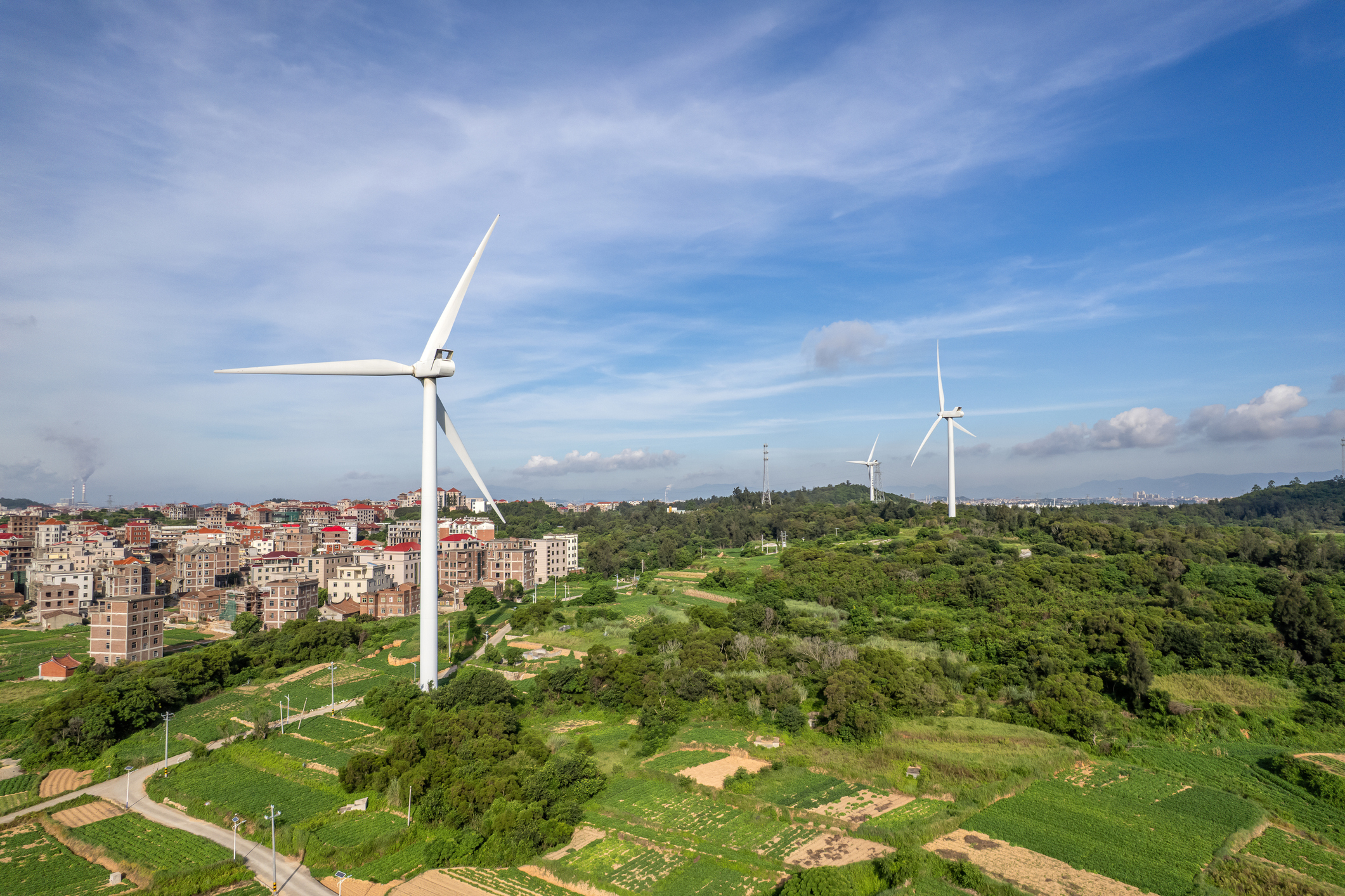
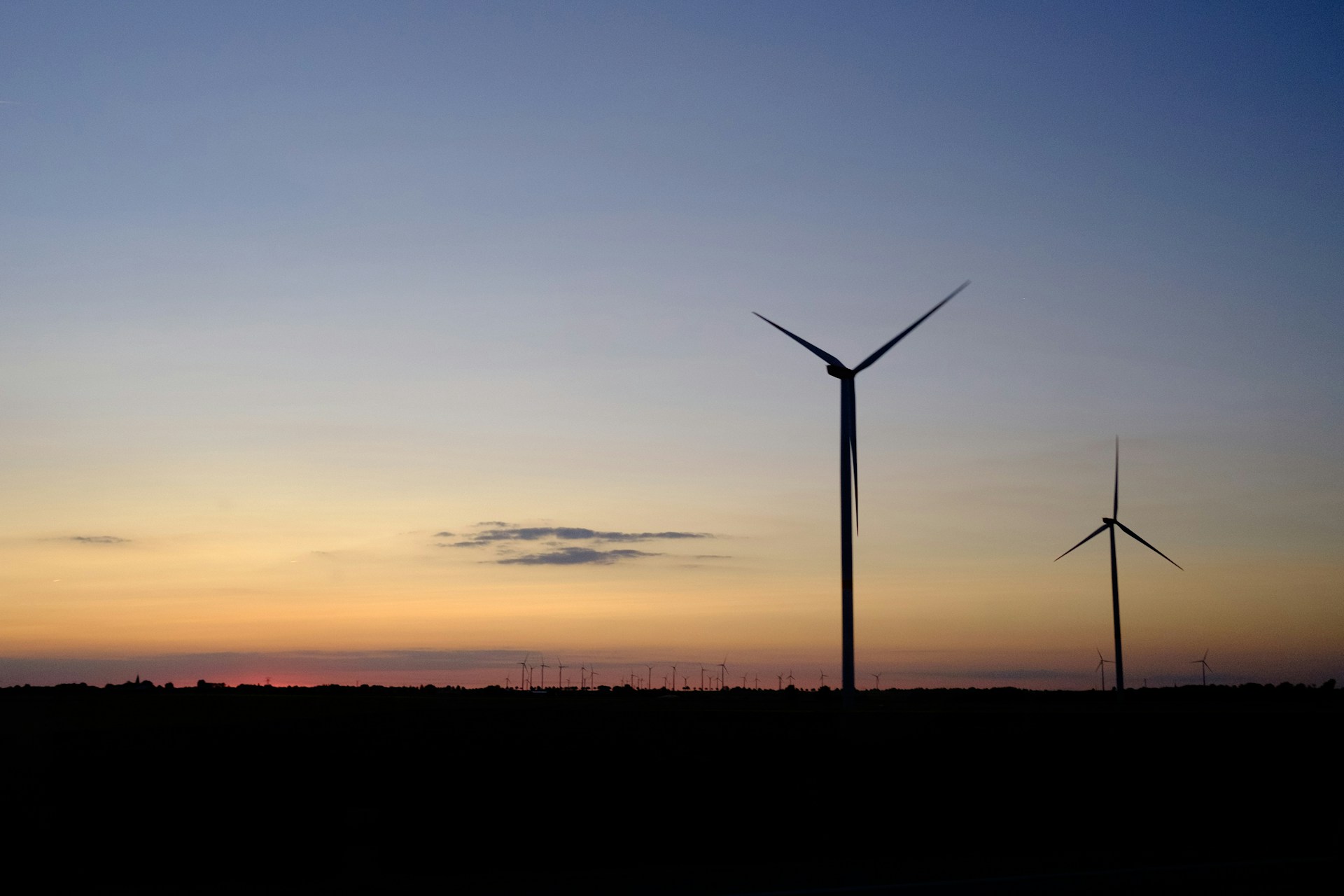
A wind turbine is a device that extracts energy from the wind to rotate a rotor. This movement can be used for various purposes. It is a technology that has been used by humans for more than 3,000 years. There are records dating back to the Babylonian civilization.
Today, its most promising use is to generate electricity. Wind power is a fundamental pillar within the amalgam of alternative and renewable energy sources. It accounts for 7% of the global energy mix. By countries and according to data collected by the International Energy Agency, China is the country that has experienced the highest increase according to recent records, it was responsible for approximately 70% of the global wind generation growth.
Two types of wind turbines
Wind turbines are divided into two groups depending on the position of their axis and rotor.
- Horizontal axis wind turbines (HAWTs) These are the most common since the design is based on the tallest modern wind turbines or traditional windmills.
- Vertical axis wind turbines (VAWTs). Their axis is positioned on a vertical plane, so they look like slim towers, rather than windmills. The most famous are the Savonius and Darrieus and another, derived from the latter, Giromill.
Each type of wind turbine has its advantages and disadvantages. The characteristics of each of them make it more or less adaptable to urban environments.
Why haven’t wind turbines made it to cities?
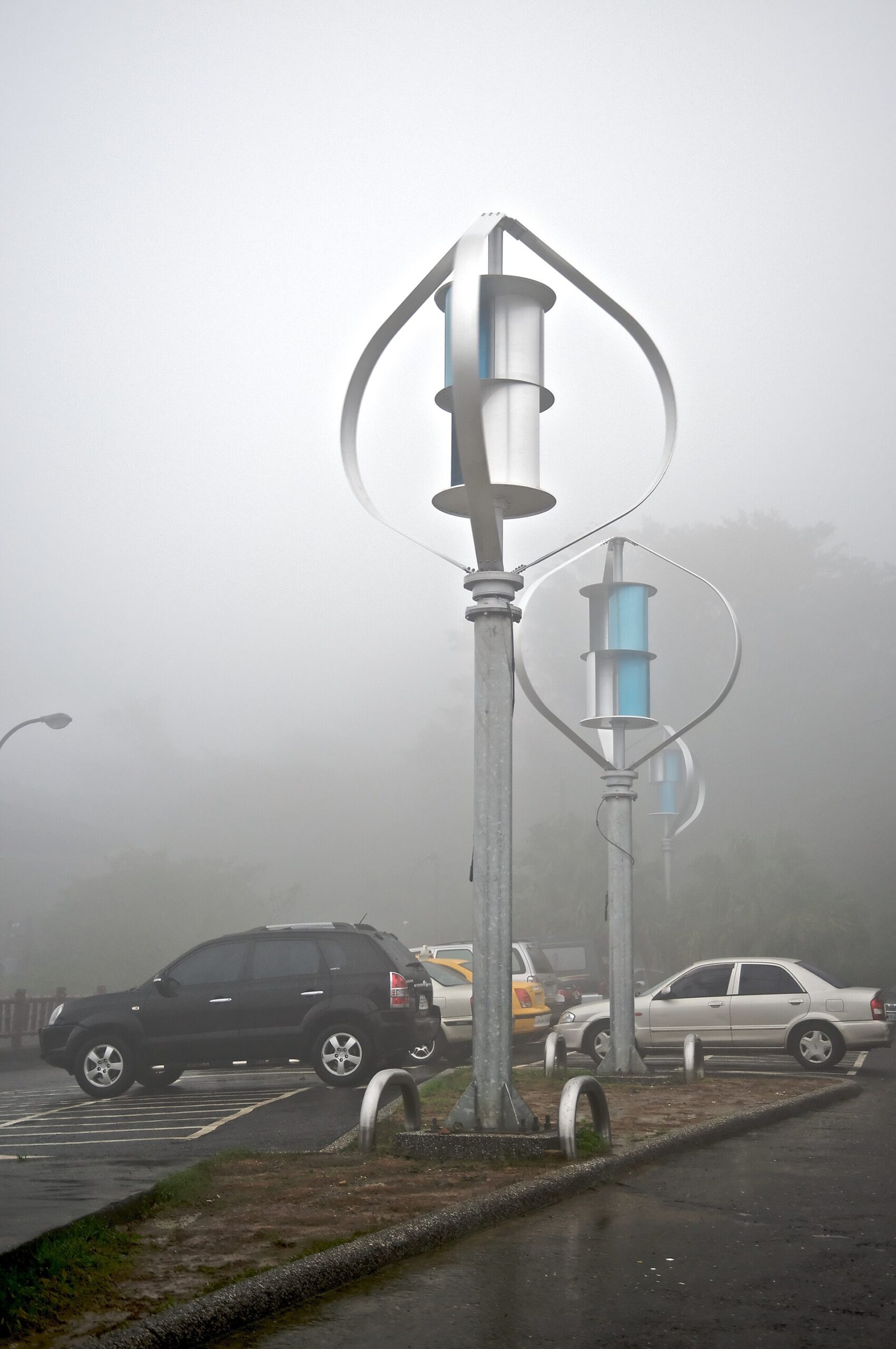
Although illustrations depicting smart cities often include wind turbines, this is more of a somewhat poetic metaphor than a reflection of reality. It is not something you actually see: no city has installed large wind turbines on its streets.
The space requirements of these turbines and their sheer size explain why, but that does not mean wind power cannot form part of cities’ clean energy strategies. In emerging models such as coordinated energy cities, it is an option worth considering. And while record-breaking wind turbines may not be feasible, there is still room for alternatives such as wind trees or small rooftop turbines.
Advantages of a wind turbine in cities
Urban architecture does not allow for the construction of wind farms. However, that does not mean that cities cannot make the most of the sustainable potential of wind. In this regard, vertical axis wind turbines are better adapted to urban requirements thanks to a series of advantages:
- They do not need a great deal of height, or the large areas of horizontal turbines.
- They do not need to face the wind, and they are not greatly affected by changes of direction.
- They can be placed closer to the ground and use the natural or artificial physical features of the land that favor the flow.
- Their environmental impact is lower, particularly in terms of birds.
Disadvantages or urban wind turbines
The disadvantages of vertical turbines include:
- The technology is still quite new and, in general terms, developers have not invested a significant amount in the technology and they are not commercially available in any substantial numbers yet.
- They are less efficient than horizontal turbines.
- This is mainly due to the fact that they do not make use of the gusts of wind that tend to occur at specific heights.
The challenges of integrating residential wind turbines
On top of this, wind energy also faces certain reputational challenges. Wind energy projects tend to face greater resistance from local residents than other renewable energy installations. A study by Uppsala University in Sweden tracked attitudes toward these types of projects in the country, although the analysis itself indicates that its conclusions can readily be applied elsewhere.
In general, there is a perception that wind energy projects do not benefit the local economy and that they create a degree of distributional injustice: some communities bear the impact, while others benefit from the renewable energy generated. There are also concerns about the effects of wind farms on ecosystems, as well as their visual impact and the consequences for other industries, from tourism to property values. Local residents are, of course, also concerned about the noise pollution they may generate, a particularly important consideration when installing these types of solutions in urban environments. Urban noise regulations tend to be much stricter, as cities are already particularly sensitive environments when it comes to noise.
Despite all this, there is still considerable room for progress. Research by experts at the University of Queensland in Australia highlights the significant potential of wind in urban environments and how it could be harnessed in several key areas. One of these is renewable energy generation. “Most developments are onshore and offshore projects located far from cities. The premise is that wind in rural areas generally flows faster, more consistently, and more predictably than in urban areas,” they note. However, they argue that urban wind energy projects have considerable potential and that creating a clean, renewable energy system close to where the energy is used reduces emissions and could even meet local demand.
Cities simply need to choose the right turbines and wind energy systems to generate renewable power.
Examples of urban wind turbines
Although the nature of vertical wind turbines adapts better to urban spaces, there are a whole host of solutions available, including horizontal turbines.
- The Strata SE1 turbines
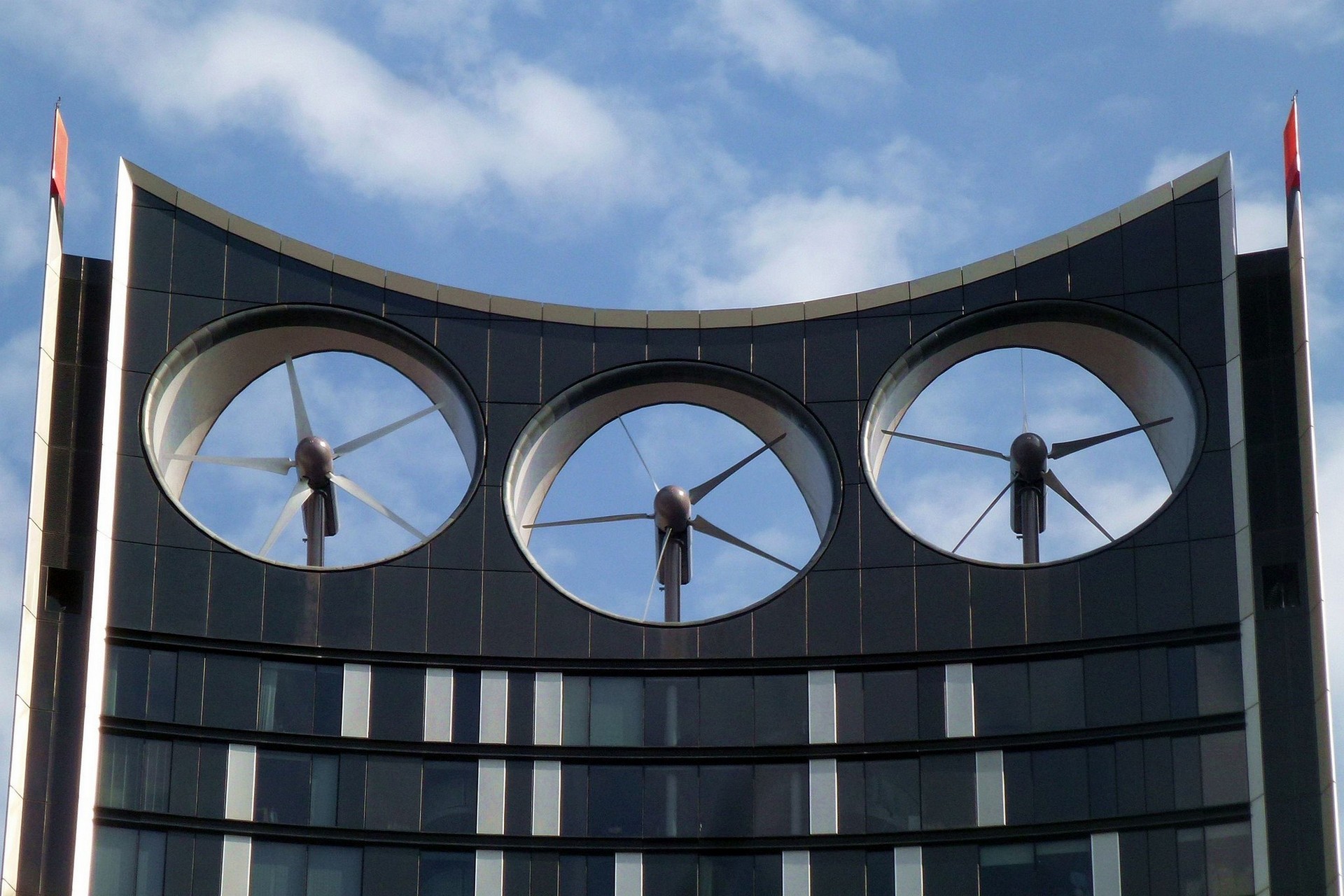
Perhaps it is not the best example, but the Strata SE1 building in the area of Southwark, London, tested the possibility of installing horizontal turbines on top of a skyscraper. However, the design was not well-accepted by the people of London and the turbines were soon disabled not long after they were commissioned, due to complaints by residents about the noise.
- Aeroleaf, wind trees
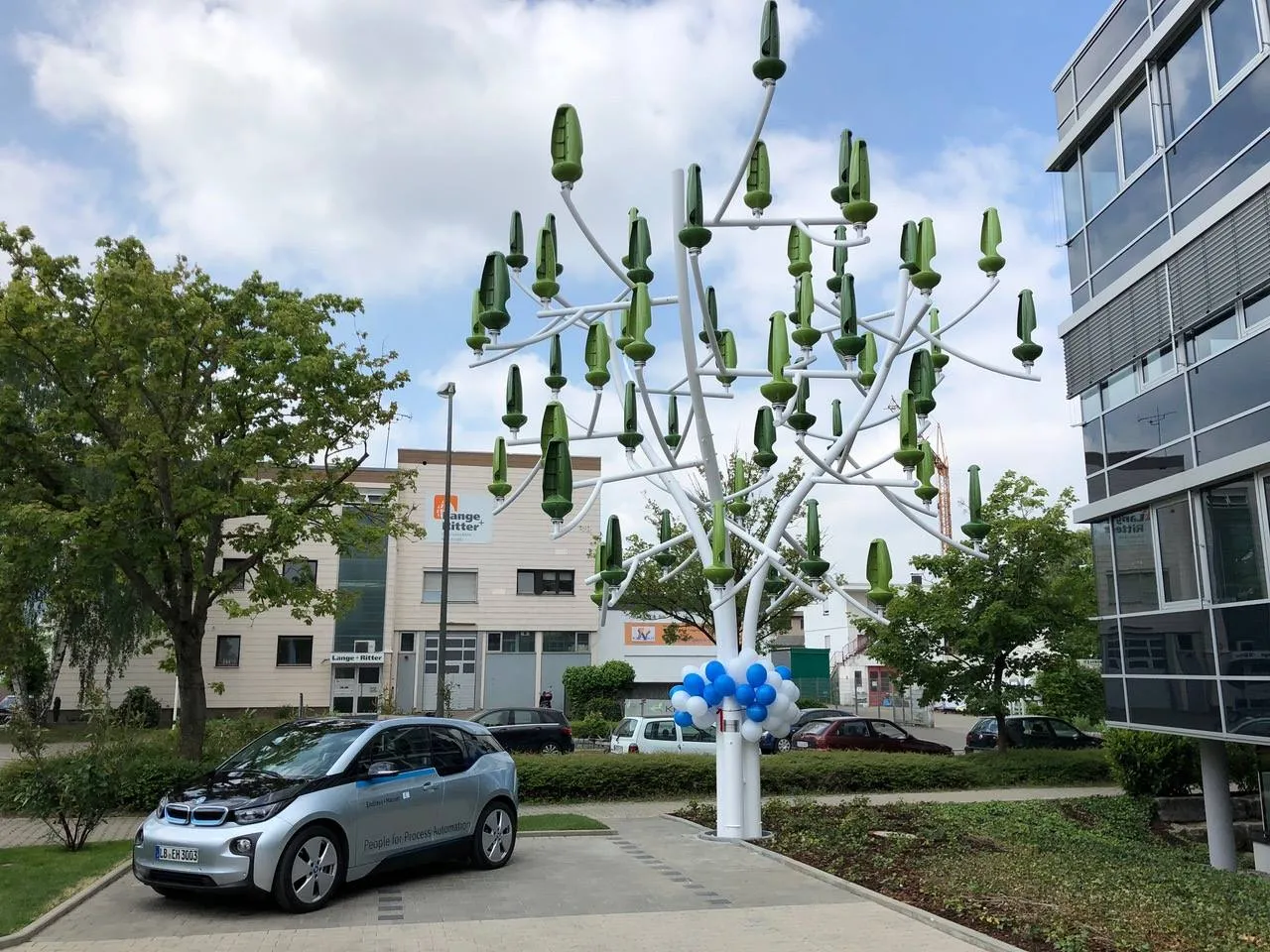
Aeroleaf is a very different case. The Paris-based company New World Wind has developed this wind tree in an attempt to do away with the disadvantages associated with turbines. It has reduced the noise and increased the efficiency of the turbine’s drive mechanism. They are designed to look like trees, to favor their integration into the landscape. To date, they have been spotted in famous locations such as the Roland Garros tennis tournament.
- EOLI FPS Project
This project, which is backed and funded by European authorities, has managed to perfect a type of vertical wind turbine that works with less intense windspeeds. It has proven to be cost-effective. It is specifically designed to be integrated in cities thanks to its more compact design, with a height of just 125 cm and weighing 143 kg.
These are just a few examples. However, given the growing importance of increasing urban energy efficiency and sustainability standards, urban wind power projects are rapidly increasing.
Frequently Asked Questions
- Where does the wind energy used by cities come from?
Although cities are home to most of the population and are therefore major consumers of clean energy, almost all the electricity they use comes from facilities located in rural areas.
- Is it possible to generate wind energy in cities?
Yes. Cities are already investing in their own clean energy generation solutions and in centralized systems in areas such as cooling. Wind energy could help achieve these goals, although cities cannot use the same types of wind turbines found on mountaintops.
- Is rural or urban wind energy generation more efficient?
Cities can only accommodate smaller turbines rather than the large, high-capacity wind turbines increasingly being installed at rural clean energy facilities. However, urban wind energy still offers other benefits.
- Is wind energy for self-consumption the next frontier?
Although solar panels are the best-known form of renewable energy for self-consumption among the general public, wind turbines offer another opportunity to use clean energy at home. Their disadvantages are greater dependence on weather conditions (the sun always rises, but the wind does not always blow) and higher noise levels.
Images | Wikimedia.commons/Cmglee , Wikimedia.commos/Fred Hsu, Aeroleaf, mingxing chen/iStock