



Table of Contents
Author | Raquel C. Pico
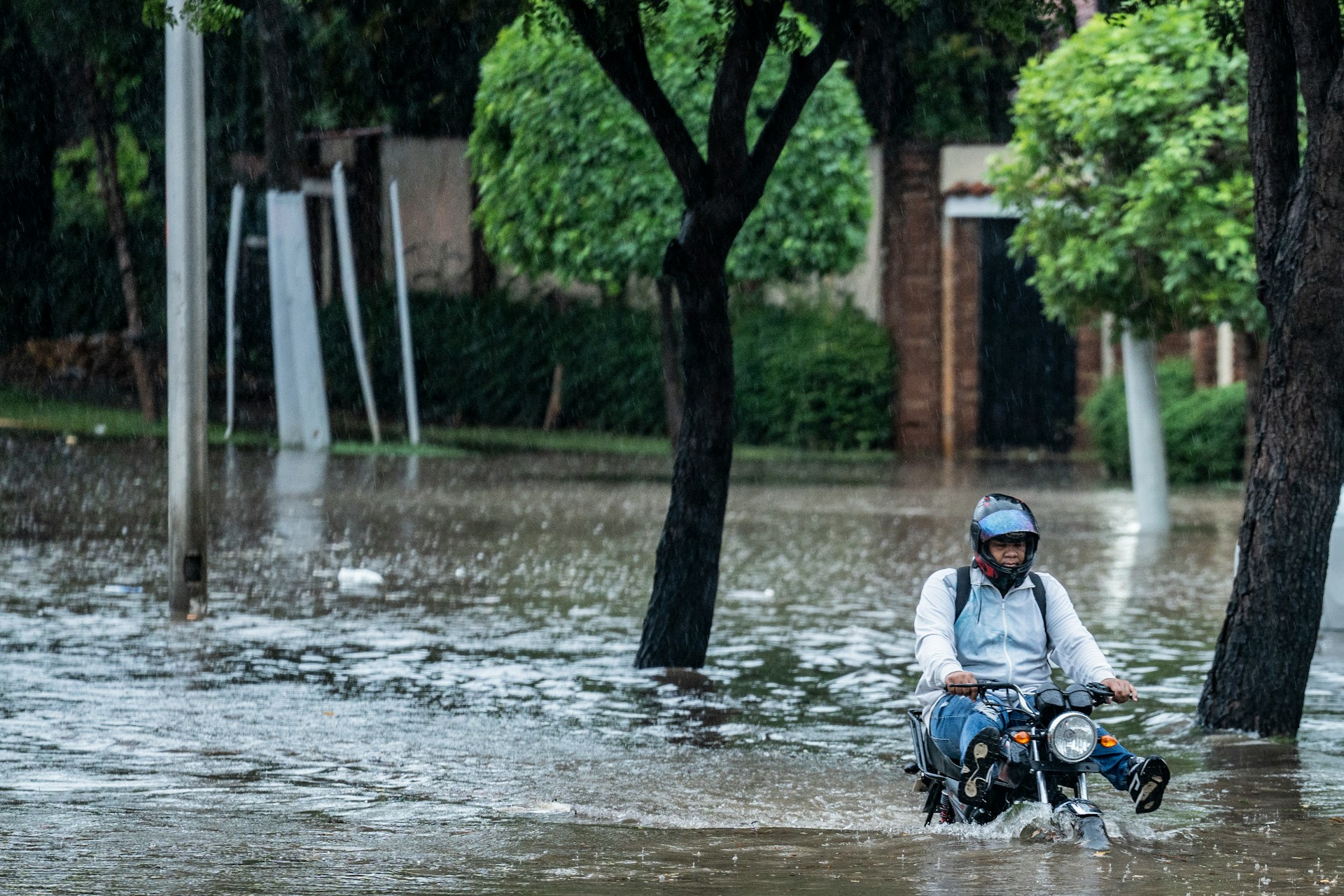
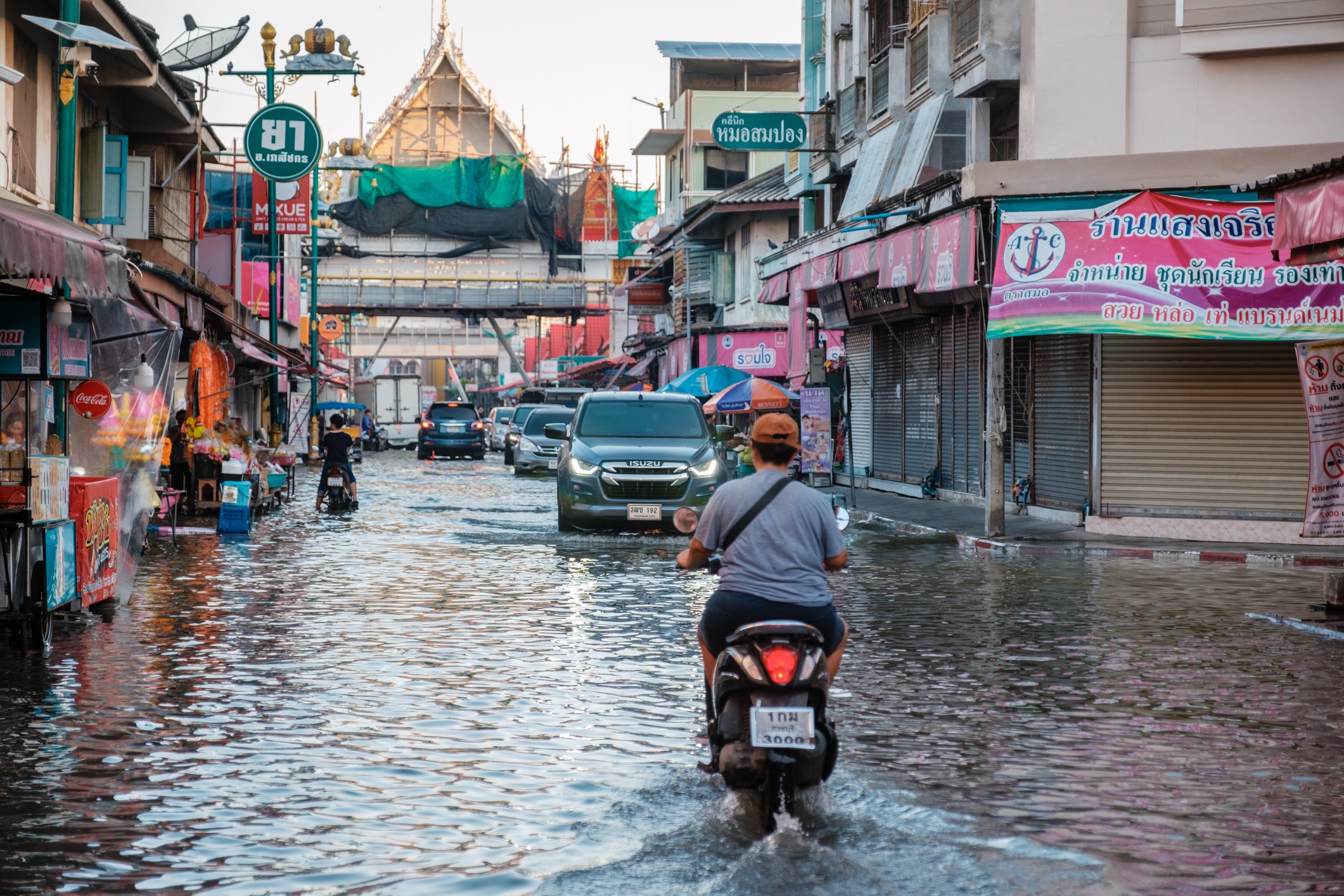
The start of 2026 was marked in countries such as Spain and Portugal by extreme weather. A chain of storms led to days of continuous rain. The storms not only caused many direct problems, but also indirect ones and issues caused by the accumulation of rainfall. It had rained so much that the ground could not absorb any more water. Portugal had to evacuate thousands of people from the urban area of Coimbra due to the severity of the situation.
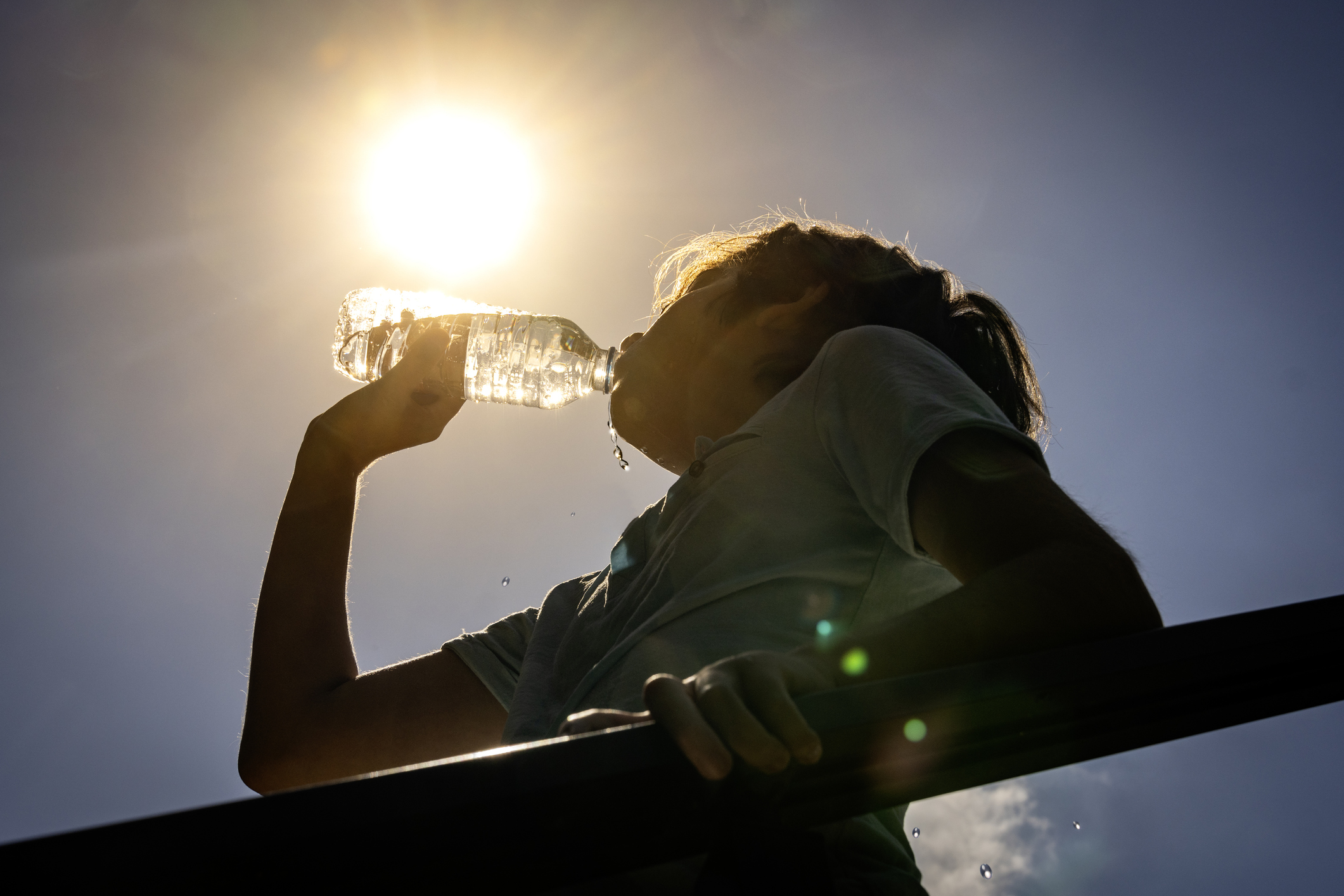
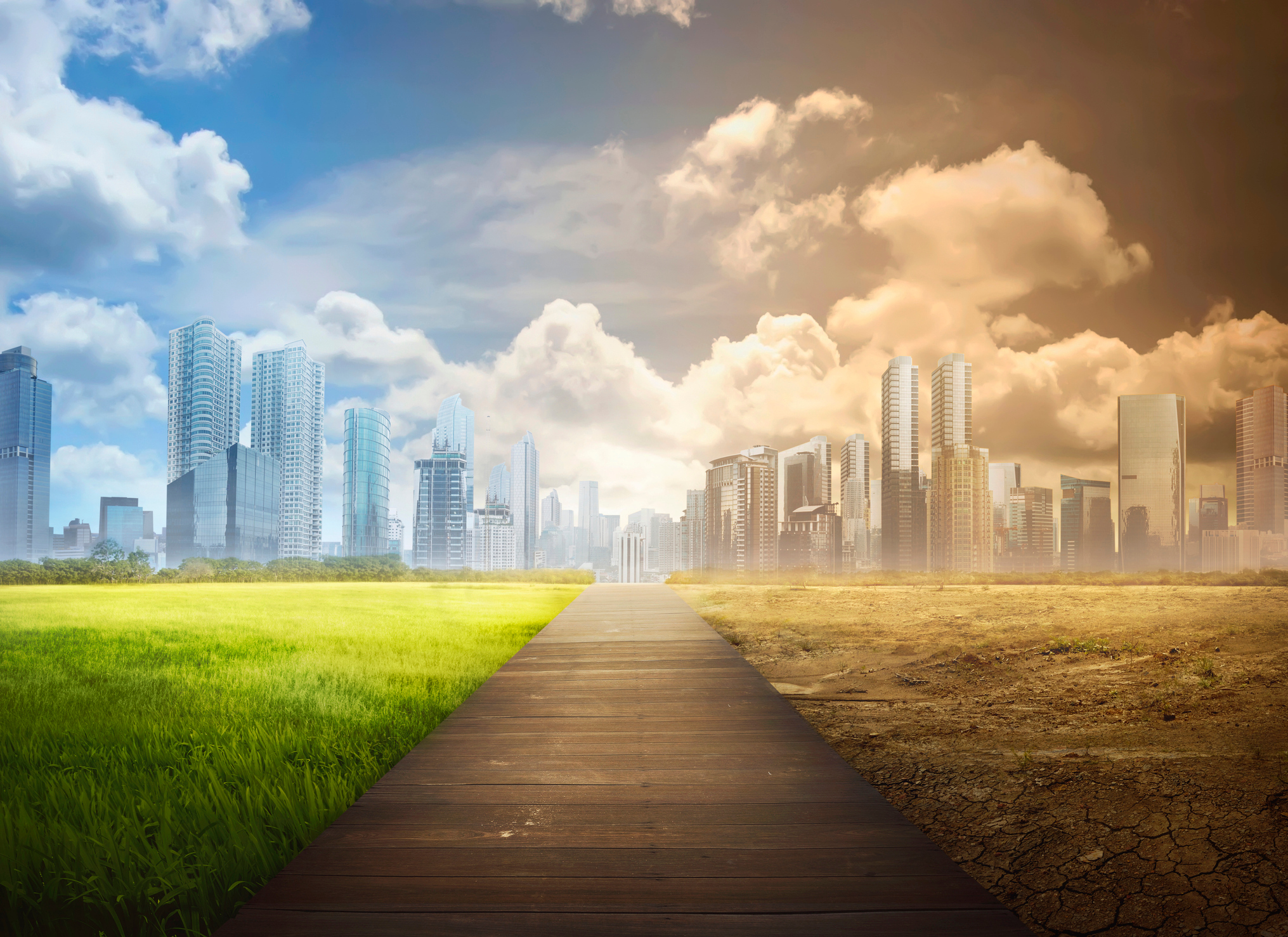
Climate change has made extreme weather events increasingly common and more severe. Heat waves, torrential rains, and other natural disasters are forcing cities to make new design decisions. The way to address these challenges lies in climate resilience.
Urban climate resilience
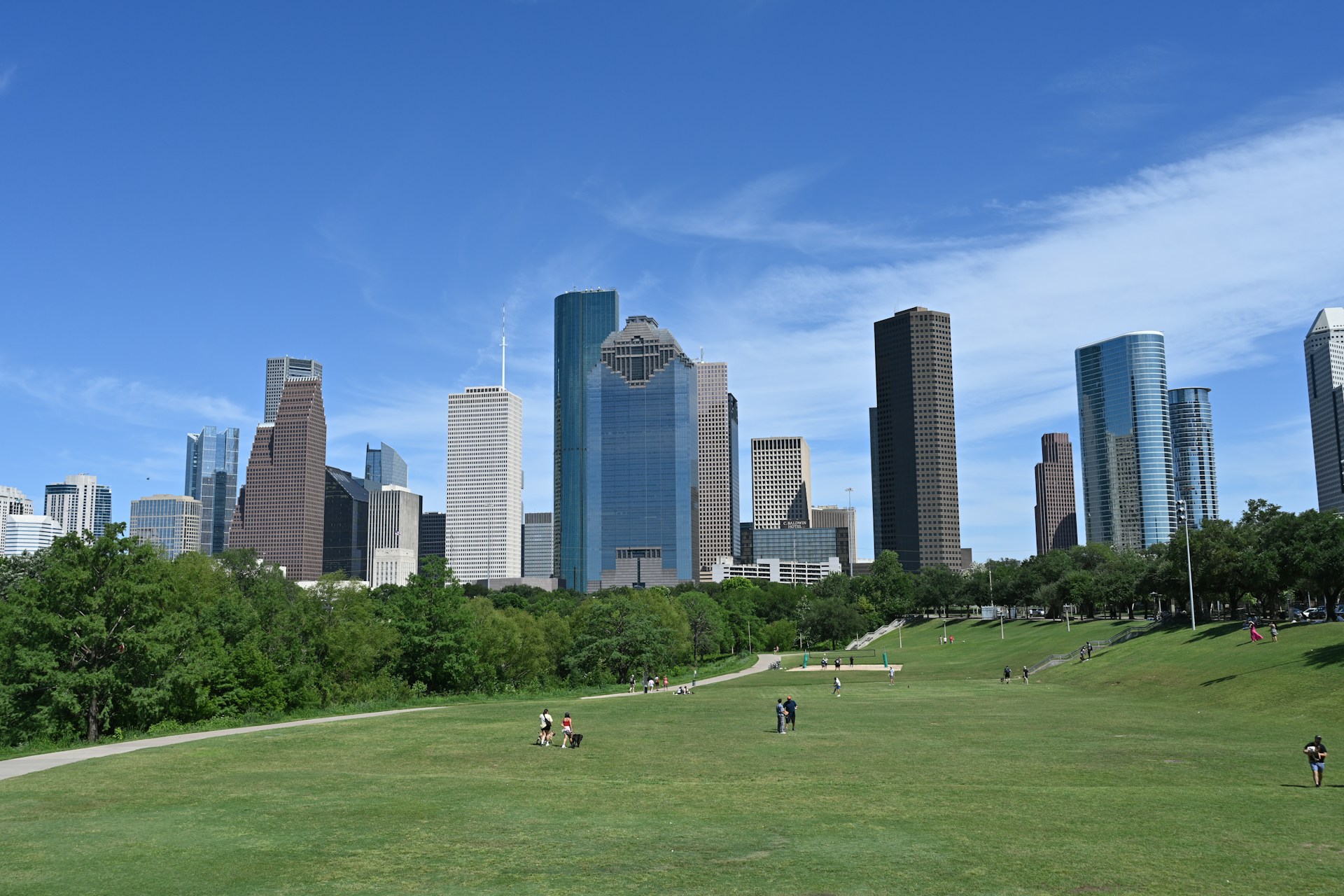
Cities are one of the key elements for understanding how climate change will affect the population and how these challenges can be addressed. To begin with, cities are key for a very practical reason. Most of the world’s population already lives in cities, and their share of the population will continue to grow in the coming decades.
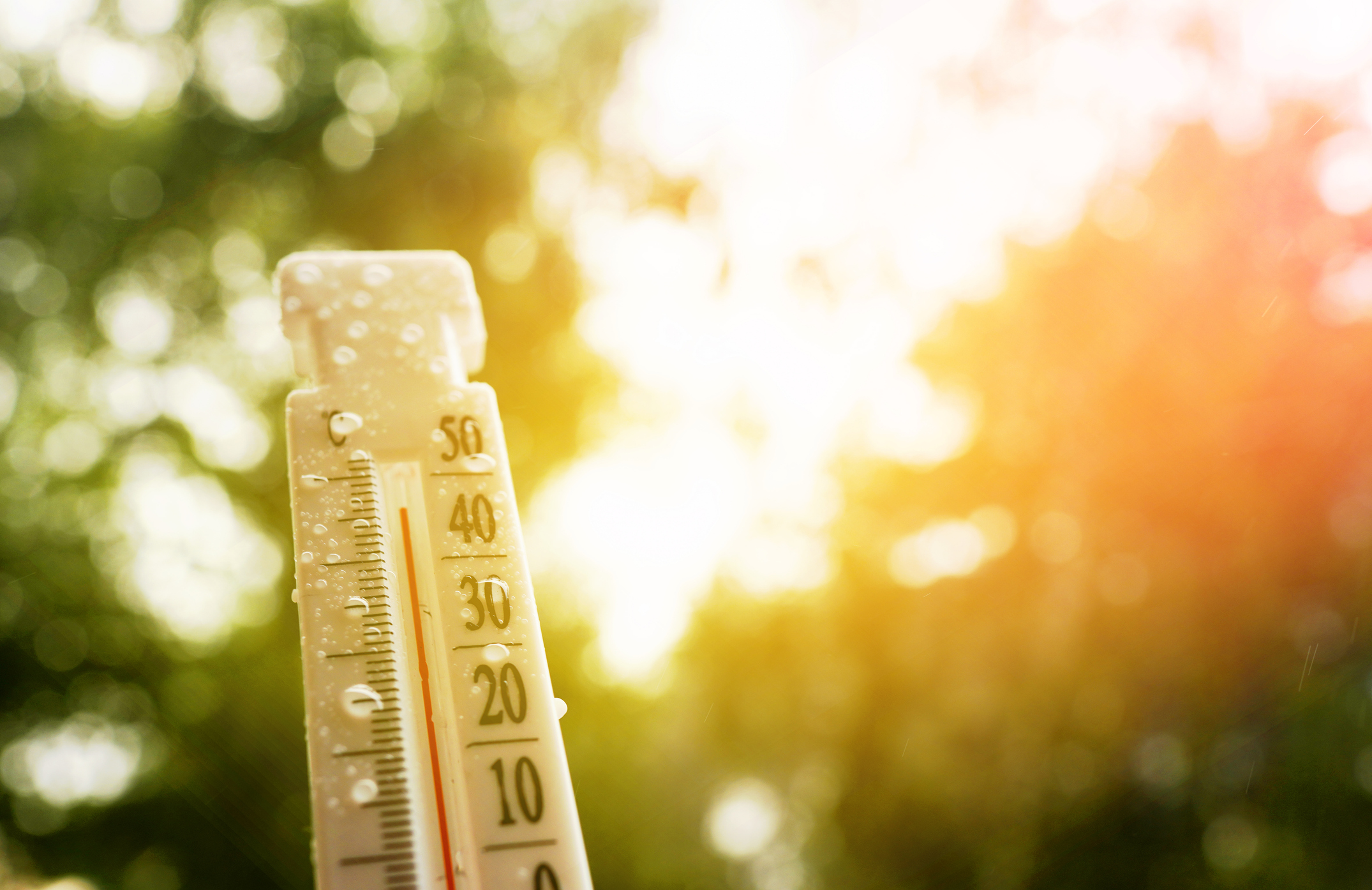
In addition, cities are not inherently resilient environments when facing the pressures of the climate emergency. Urban design has favored concrete and asphalt solutions that enabled consumption, car transport rather than public transit, and taller buildings instead of climate resilience. These were decisions made for another era, but they have had negative long term consequences. They have not only contributed to climate change, for instance by encouraging car use and therefore fossil fuel consumption, but have also created new vulnerabilities. One example is the urban heat island effect, which causes temperatures to rise sharply in the summer.
Urban climate proofing
These situations are now forcing strategic decisions in urban planning to correct these shortcomings. This is known as climate proofing, or climate change adaptation, and it aims to achieve the urban climate resilience that cities urgently need.
Of course, this goes beyond simply creating green spaces or planning how to manage torrential rains. The effects of climate change are cross cutting, and urban resilience must be as well. In fact, the World Bank has identified five pillars of climate resilience, foundations on which this strategy should be built. Work must focus on information, income, safety, infrastructure, and interventions in the built environment. The goal is not only to be prepared for what may come, but also to create ways to respond to crises and to learn from these experiences. Cities are working to make their infrastructure more resilient and to anticipate potential future disasters linked to climate change.
Some experiences in recent years such as the pandemic, extreme weather events including floods, severe cold storms, heat waves, or historic droughts have already shown how important this work is.
What are resilient cities focusing on
Preparing cities for the challenges of climate change is neither easy nor cheap. Some estimates suggest that by 2030 cities will be investing a combined 300 billion dollars per year in adaptation measures and between 11 and 20 billion dollars annually by 2050 just to protect infrastructure. Climate resilience is therefore an issue of social justice and quality of life, but also an economic one. Failing to prepare will be far more costly.
How can climate resilience be achieved? It is not only about becoming one of a more sustainable city, but also about integrating preparedness for climate change into every area of action.
A new urban planning approach
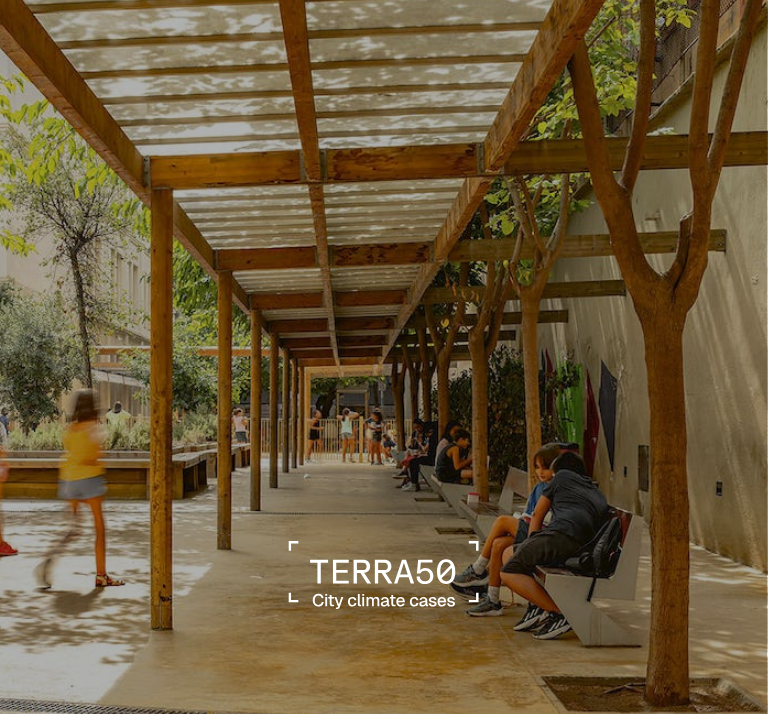
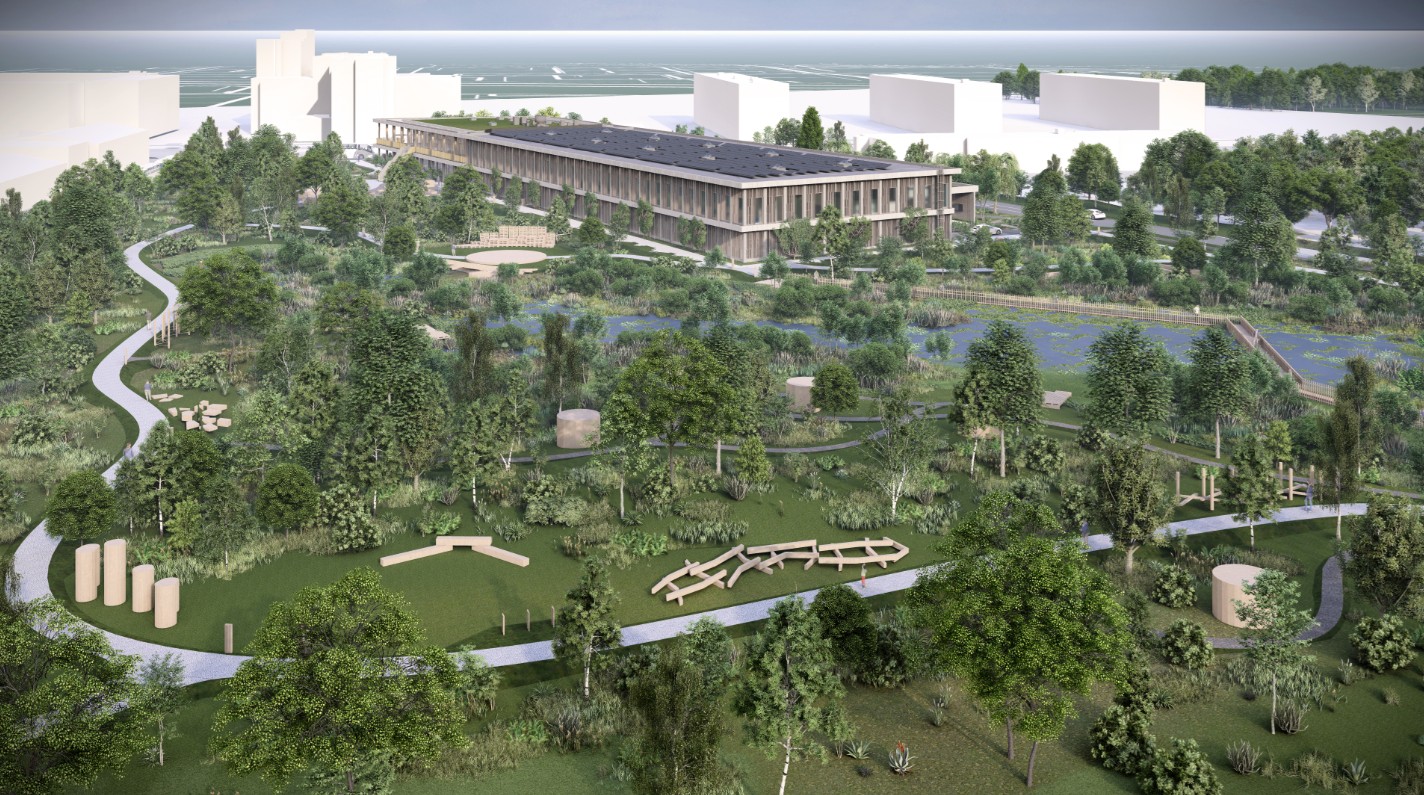
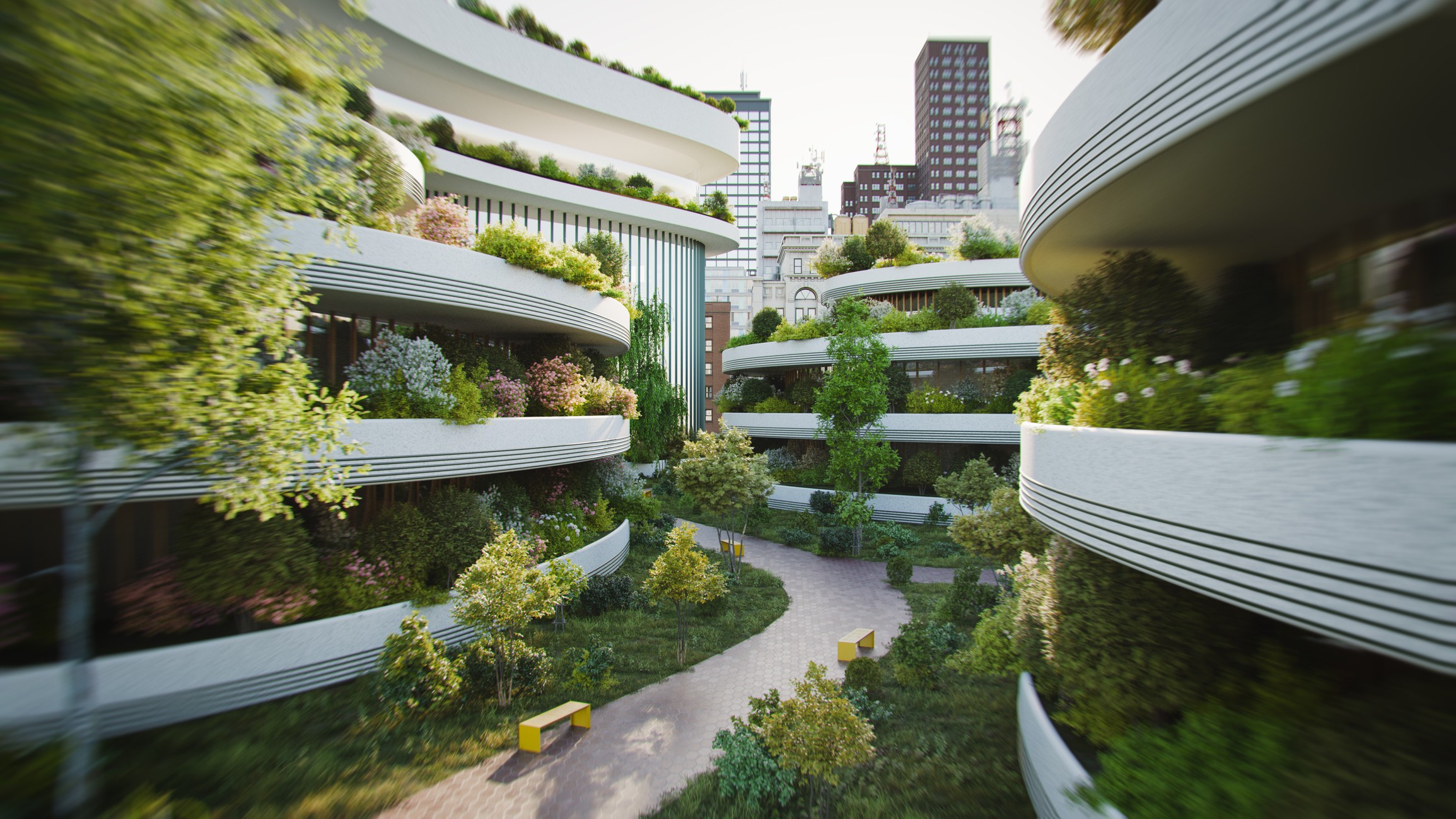
This requires rethinking urban planning. Cities must be designed with climate change in mind, which means redesigning urban grids and buildings themselves. One of the most visible approaches is nature based solutions, such as regreening streets. More trees, more gardens, more plants. The list also includes restoring blue spaces, both coastal areas and urban rivers. Madrid Río is one example. Madrid succeeded in restoring the health of the Manzanares River, which is once again rich in biodiversity and serves as a healthy green space for the city.
At the same time, traffic calming not only reduces the use of private vehicles but also encourages healthier lifestyles and frees up street space for greener uses.
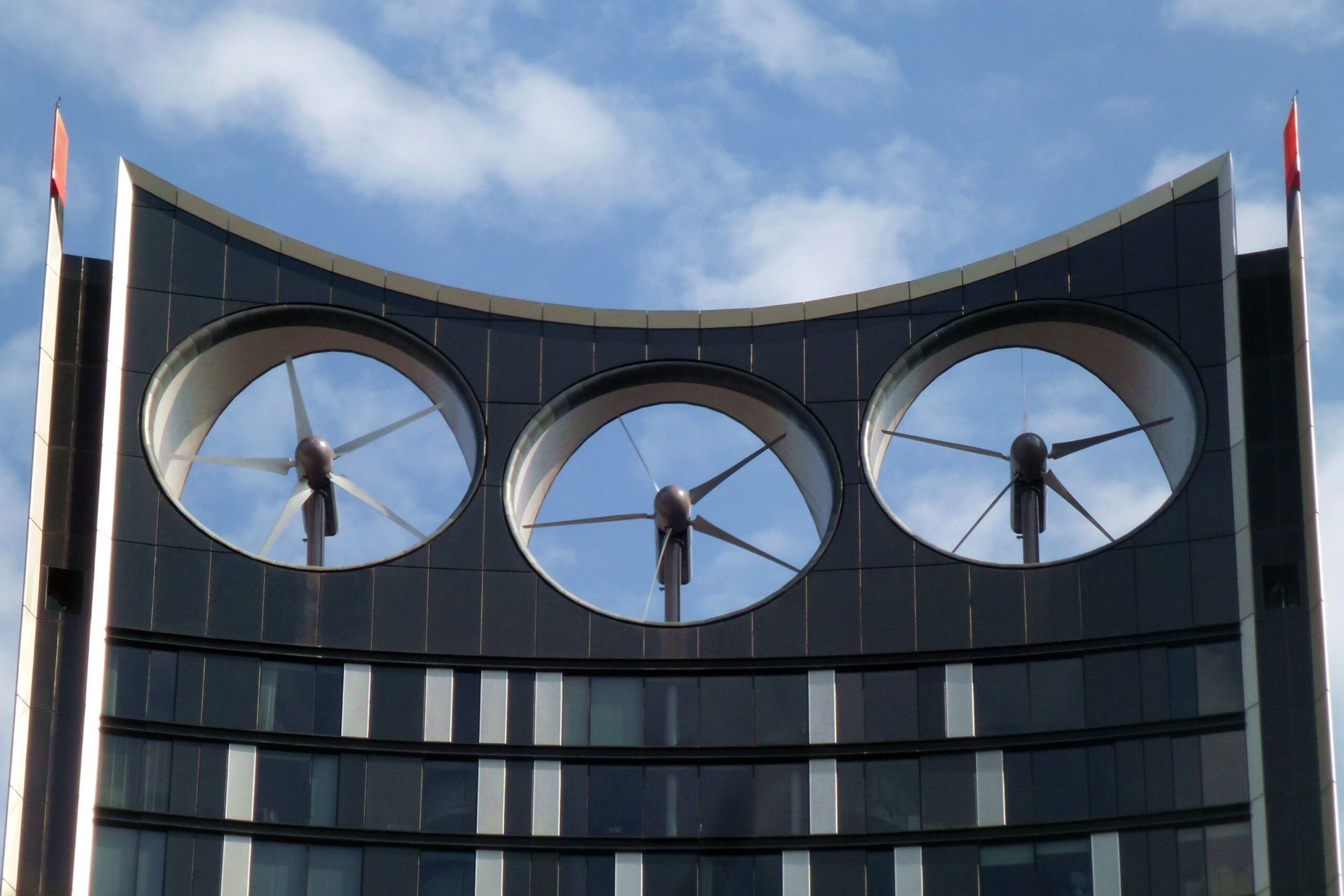
Resilient cities are also changing their design. Urban plans must leave room for nature for example by avoiding construction in flood prone areas and returning those spaces to rivers while prioritizing sustainable buildings especially when it comes to public infrastructure. Green roofs, passive buildings, and materials with a low or zero carbon footprint are just as important as restoring green spaces.
Water management
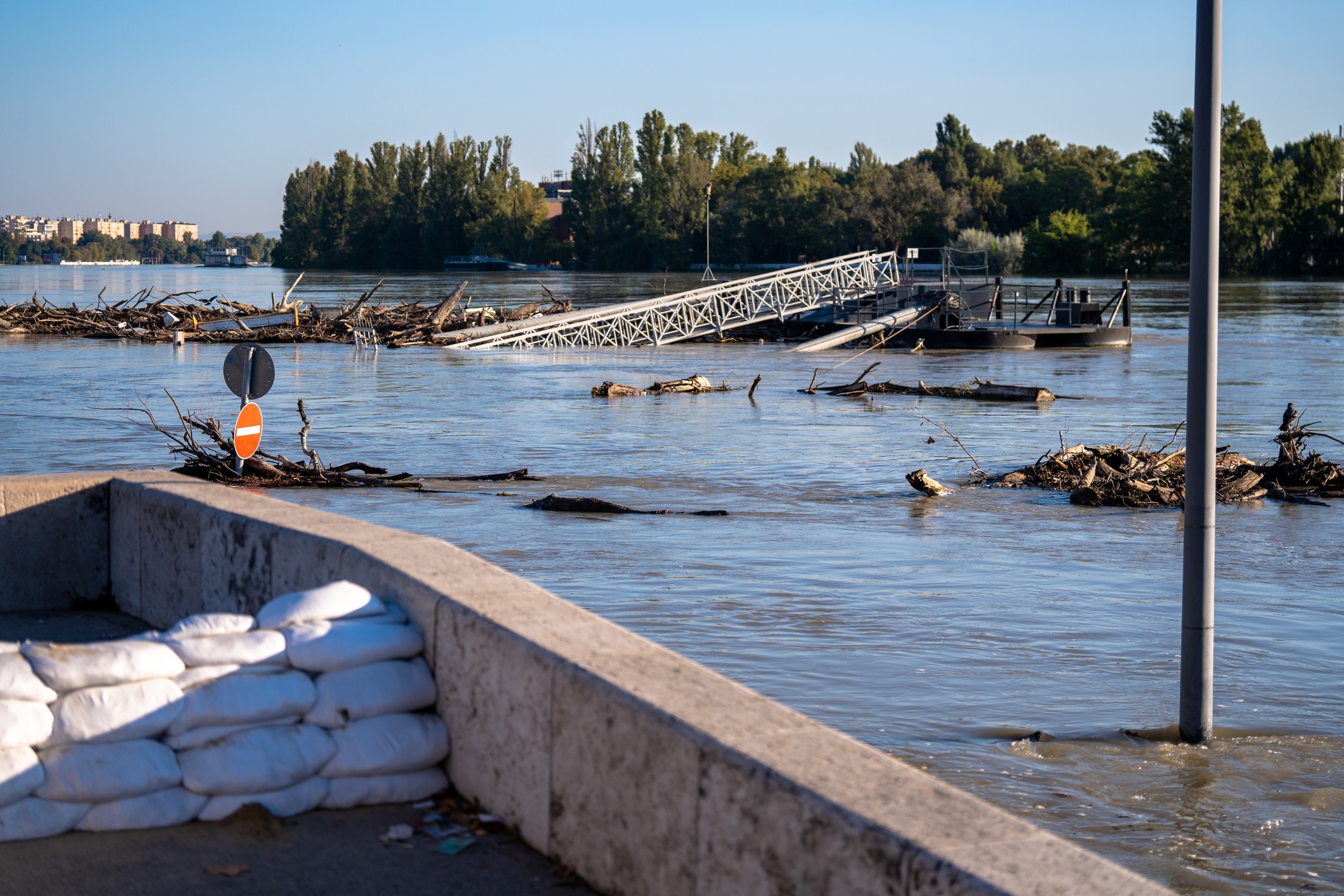
The chain of storms in 2026 has shown the challenge urban areas face in managing substantial amounts of rainwater. Studies already indicate that urban flooding is a growing problem. Some cities have begun optimizing their urban design to respond to stormwater. This includes restoring green surfaces such as gardens or installing permeable pavements but also creating specific strategies that help reduce the use of other water sources. Melbourne collects rainwater for irrigation and to support green coverage.
At the same time, urban resilience also means preparing for water shortages. Several urban areas have already been affected by severe droughts. Others have begun taking steps to prevent this from happening. Mexico City has a plan to help 10,000 households install rainwater collectors. The key is to maintain the health of urban aquifers and the quality of public water systems, avoiding the waste of a resource that is becoming increasingly valuable and scarce.
Use of advanced technologies
At the same time, advances in new technologies have enabled new tools to be created, supporting the development of strategic policies against climate change. They help gather more data, improve accuracy, and enable more informed decision making.
The European Union’s CURE project uses a network of satellites that help cities in their search for climate resilience. “We can support urban planners with spatial planning related to land use and transportation, but also with planning activities related to climate change adaptation and mitigation at neighborhood scale,” says the project’s coordinator, Nektarios Chrysoulakis. This data allows us to understand what is happening, detect patterns, and anticipate potential problems.
Digital twins, solutions based on artificial intelligence, and big data are essential for progress. Smart cities are powerful allies in laying the foundations for urban resilience.
Resource independence
Climate resilience also encourages cities to reconsider their dependency frameworks and what might happen if a key resource were disrupted. This is an issue that concerns not only cities but has also gained prominence at the global level in recent years, especially due to geopolitical tensions. In the urban context, it involves disaster preparedness and a certain degree of sovereignty in key areas. Designing microgrids to prevent the entire network from collapsing or promoting urban agriculture are some examples.
Some frequently asked questions about climate resilience
What do we mean by climate resilience?
To understand what climate resilience is, it helps to look at the concept of resilience itself. It means being prepared for the challenges of climate change, adapting to them, and ultimately withstanding their effects.
Which countries are the most climate resilient in the world?
According to the Global Investment Risk and Resilience Index, Switzerland, Denmark, Norway, Singapore, and Sweden, in that order, are the countries that lead in climate resilience. South Sudan, Lebanon, Haiti, Sudan, and Pakistan rank as the least climate resilient countries.
What factors ensure climate resilience?
The five key factors of climate resilience are information, income, safety, infrastructure, and interventions in the built environment.
What role do cities play in achieving it?
Cities are essential for achieving climate resilience, since most of the world’s population lives in them.
Photos | Piranka/iStock, Aleksei Gorovoi/iStock, fokkebok/iStock, leolintang/iStock