



Author | Eduardo Bravo
According to a Waste Atlas report by the University of Leeds, the United States produces around 236 million tons of waste each year. North America is followed by Russia, with around 207 million tons of waste, Japan with 52 million tons, Germany with 48 and the United Kingdom with 34.
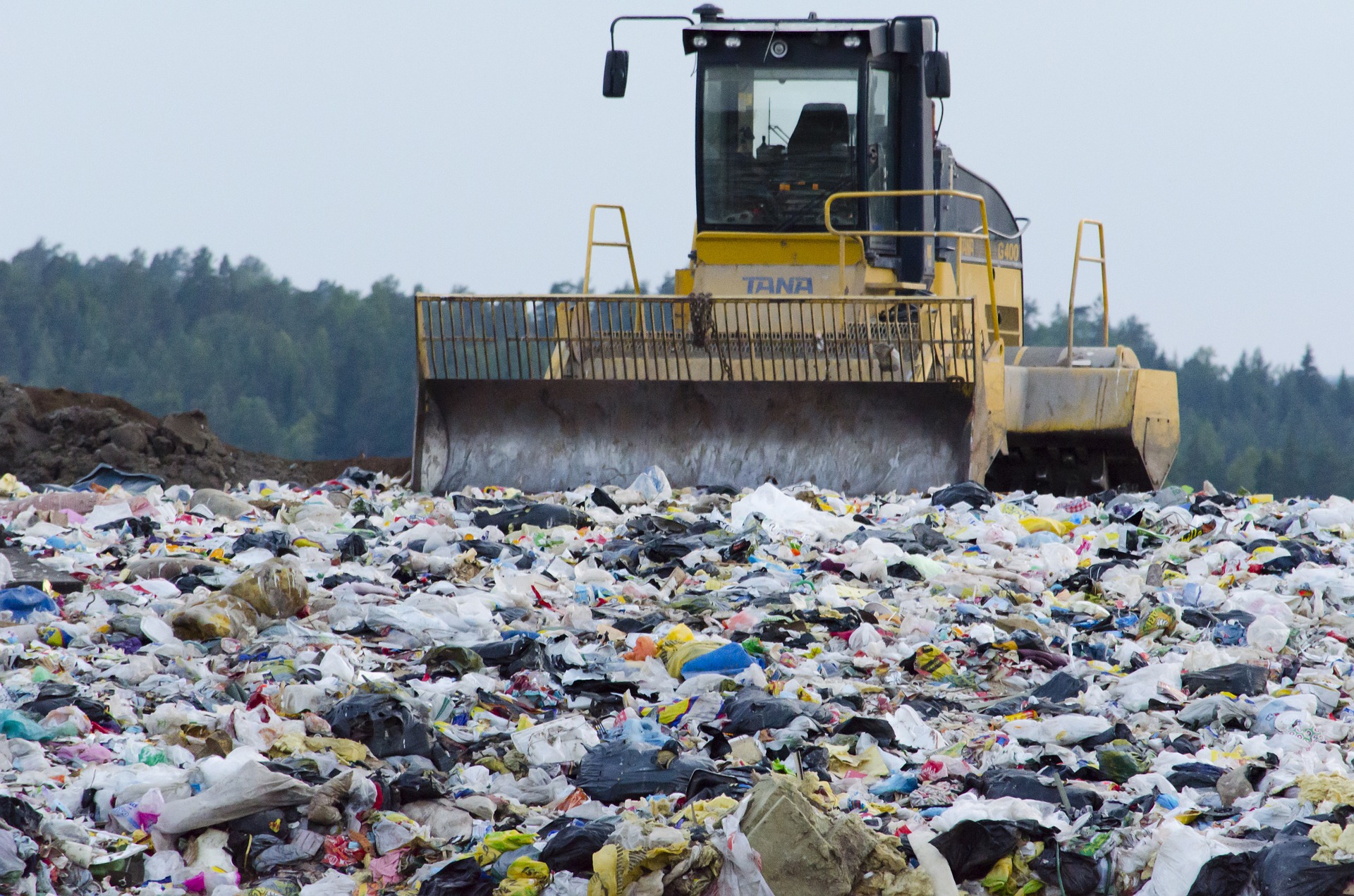
These figures prove that waste collection is one of the most significant problems faced by cities around the world. Not just because of the logistics involved, but because of the impact that the bad management of these materials can have on the environment.
How can we make waste more sustainable

The most eco-friendly waste is waste that is not produced. However, given that this is impossible in any society, both old and new, the concept of sustainable waste management has recently emerged, which seeks to harmonize the production of consumer goods with respect for the environment and natural resources.
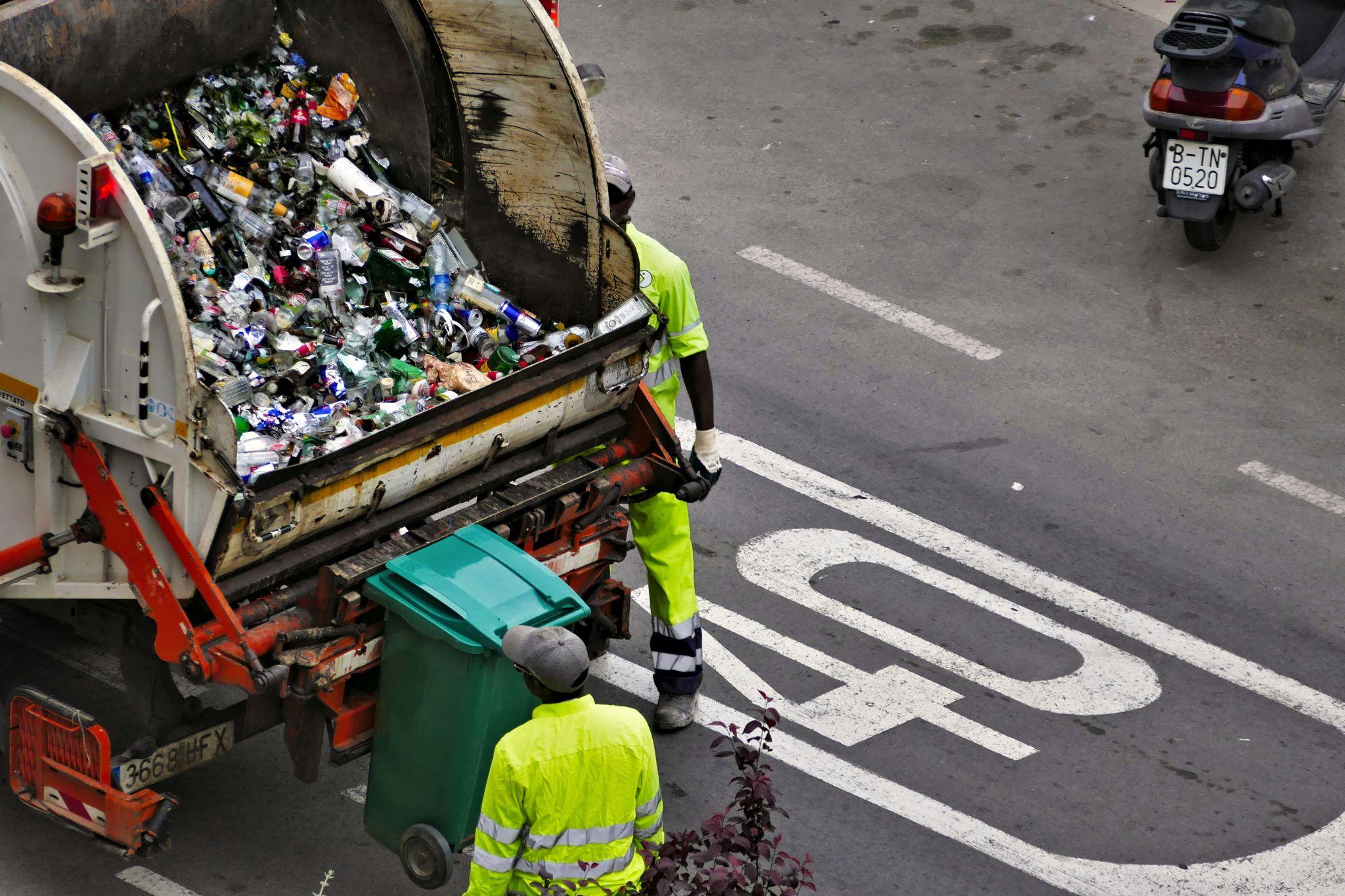
This balance is achieved through four key concepts knows as The four Rs: Reduce, Reuse, Recycle and Recover. According to these principles, the involvement of all stakeholders in the different phases of the consumption cycle is essential for sustainable waste management. From producers to consumers, without forgetting waste collection companies.
Therefore, goods need to be generated that produce the lowest amount of waste possible during the manufacturing process. If they do have to be produced, they should ideally be able to be used for other purposes, on both the industrial circuit and in the domestic area. If this is not possible, the product should be made using materials that can be recycled. Lastly, the recovery concept, recently incorporated into this field, offers the possibility of seeing waste management as a means of obtaining income, by considering waste as an asset that can be converted into other assets, such as fertilizer or as a means of producing electricity or heat.
Why is waste management important?

The smart and sustainable management of urban waste has a direct effect on the environment, the health of the population and it generates economic benefits, for both the companies involved and public services through the savings it generates.
In recent years, countries such as Germany, Denmark, Sweden, Norway, Belgium and the Netherlands have embraced this management model, almost completely eliminating their dumping sites and, therefore, the associated protocols, such as burning the waste and the emission of gases into the atmosphere. In fact, even when waste needs to be burned as part of the recovery process, if this operation is carried out within a sustainable management system, the emission of CO2 into the atmosphere is nineteen times lower than in conventional dumping sites.
Sustainable waste management practices

Some of the practices that form part of smart waste management are:
- Acquisition of raw materials based on the production requirements to optimize their use and prevent them from expiring or deteriorating.
- Suitable presentation formats, preferably large containers and made using reusable and recyclable materials.
- Efficient management of warehouses to preserve goods correctly and place them on the market following the first in, first out principle.
- Separating hazardous waste from non-hazardous waste and, these from one another, based on their characteristics and possibilities of recycling, reuse, etc.
- Placing waste in separate recipients based on the subsequent recycling process required.
- Raising awareness among personnel in companies and consumers through internal training courses and communication campaigns.
- Creation of waste management plants that complete this entire process, recycling materials or generating other new ones using the former.
Images | Stweyer, Vladvictoria, PDPics, Prylarer