Author | Elvira Esparza
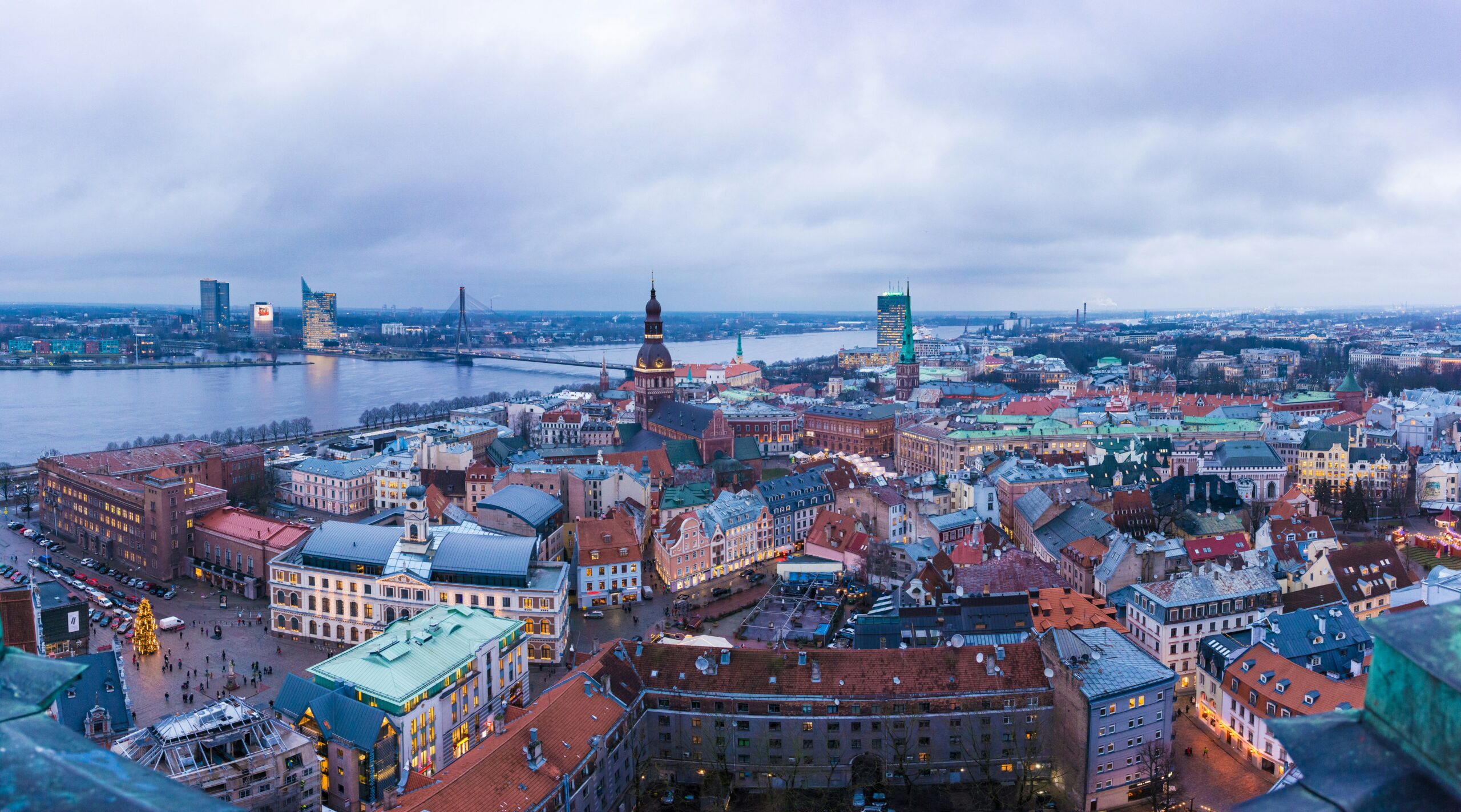
Tallinn, the capital of Estonia, is renowned for its well-preserved medieval architecture and its status as a UNESCO World Heritage Site. However, beyond its historical charm, Tallinn is also deeply committed to environmental sustainability, a dedication that earned it the title of European Green Capital in 2023. Tallinn earned this recognition for its ambitious initiatives aimed at achieving climate neutrality, with a strong focus on sustainable mobility and advancing a circular economy.
One of Tallinn’s latest strategies is the development of a circular economy through sustainable waste management, emphasizing the reuse and recycling of products to reduce raw material consumption. This approach aims to foster a more holistic development model, minimizing environmental impact while creating added value.
Strategy to achieve climate neutrality
Through the Tallinn 2035 Development Strategy, the city has implemented a comprehensive plan to reduce carbon emissions and address various aspects of sustainability, including climate adaptation, innovation, health, mobility, biodiversity, the circular economy, sustainable energy, and food production. The environmental objectives aim to reduce total net greenhouse gas emissions to 8 million tons and achieve a 30% rate of circular material reuse by 2035.
To support its carbon reduction goals, it has been providing free public transportation to all residents since 2013. By 2035, Tallinn aims for its public transportation system to be carbon neutral. To achieve this, the city is promoting the use of trams and electric buses and expanding its network of bike lanes. These measures are part of the broader goal to achieve climate neutrality by 2050.
Over the past decade, it has significantly improved its sustainable waste management, reducing landfill dumping by 80% and enhancing selective waste collection. It aims to advance a circular economy by maximizing the use of material resources through reuse and recycling, ultimately reducing the need for raw materials.
What is a circular economy and zero waste to landfill?

The circular economy aims to minimize resource use by designing materials and products to require fewer inputs, reducing the need for raw materials. It also focuses on recovering waste to create new materials and products. As part of its circular economy strategy to transform Tallinn into a green city, the Tallinn Waste Management Plan 2022-2026 plays a central role. This plan promotes shifting from traditional waste management methods to a focus on reuse and repair, alongside campaigns aimed at reducing waste. One measure the city will implement to achieve this goal is establishing a network of reuse and repair centers.
According to a report by the OECD, Tallinn has already taken significant steps toward sustainable waste management. For example, the city has enhanced its selective collection efforts and plans to open circular economy centers, featuring reuse rooms and repair workshops within waste collection facilities. These initiatives align with the circular economy’s goals of reducing consumption and keeping products in circulation.
To date, it has inaugurated a circular economy center where waste can be sorted separately, and it promotes the reuse and repair of products.
What is Lilleküla?

Lilleküla is Tallinn’s first circular economy center, where traditional waste management has been transformed with dedicated reuse and repair rooms, giving products a new life. This center, located in the Kristiine district, is designed as a modern, eco-friendly facility. The center features a waste collection area, an office building, and a circular economy facility, which includes a dedicated room for reusable items, a classroom, and repair workshops.
The center is surrounded by a garden area, and to minimize noise, an acoustic barrier has been installed. The project, commissioned by the city’s Circular Economy Center, was completed at a total cost of €2.3 million.
The center is known for providing an easy and convenient way for people to sort their waste. A smart access system has been implemented at the center, allowing users to book a time online to drop off waste, select the type and quantity of waste, enter vehicle details, and, if needed, pay for the service. Upon arrival, the barrier opens automatically as it recognizes the vehicle, allowing for quick and convenient access to the center. Additionally, the center is illuminated with LED lighting to ensure visibility even at night, facilitating the correct classification and management of waste.
The center includes a free reuse room where people can drop off items in good condition, such as clothing or sports equipment, that they no longer need, allowing these items to find a new life with others.
The center also features a clothing repair workshop, where anyone with sewing skills can mend garments. It is equipped with essential tools and machines, including sewing machines, an ironing station, scissors, tape measures, and needles. Visitors can also receive guidance from a professional tailor to help them repurpose and extend the life of their clothing.
Additionally, the center offers a furniture repair workshop equipped with all necessary tools, including sewing machines, foam cutters, staple guns, and compressors. Here, users can repair their broken furniture with the assistance of an expert upholsterer. In both workshops, users only need to bring their own materials.
The Lilleküla Circular Economy Center also features a free bicycle repair station and an environmentally friendly toilet.
In the future, there are plans to establish additional centers in Lasnamäe and Haabersti and to transform the traditional waste removal centers in Paljassaare, Pääsküla, Rahumäe, and Pärnamäe into circular economy centers.
Images | Hongbin, Ellen Rudi, Tallinn Strategic Management Office