



Author | Elvira Esparza
The United Kingdom has launched a new energy standard to make local energy planning faster and more effective, thanks to the standardization of processes and data sharing between local authorities and grid operators. This plan will benefit communities and save local councils time and money.
With a public investment of £1 billion from Great British Energy (GBE), the United Kingdom’s publicly owned energy company, communities, local authorities, and public sector organizations will be able to develop clean energy projects. The goal is for every community in the country to have a renewable energy project by 2030.
What does the United Kingdom’s new energy planning standard involve?
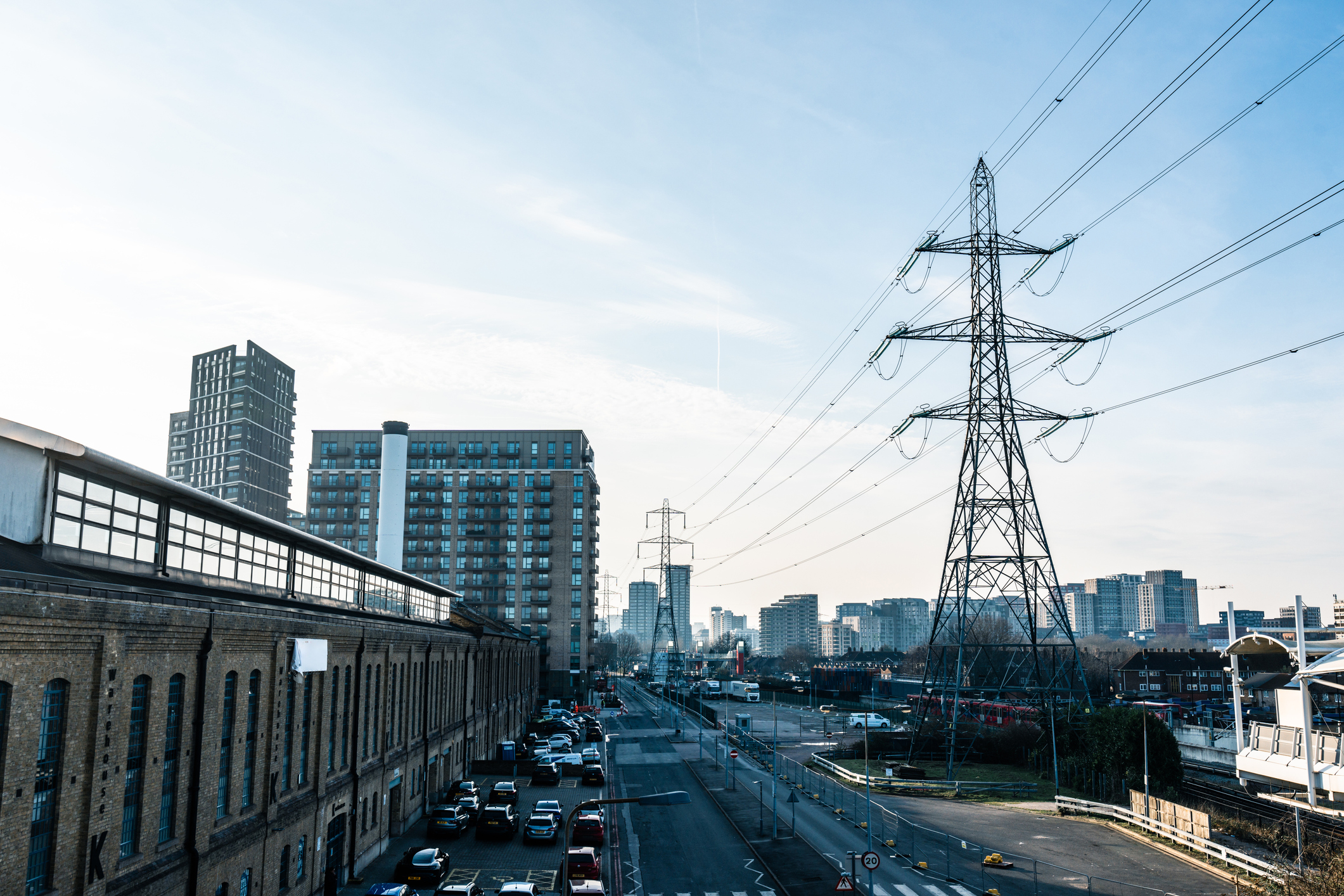
The energy standard is based on harmonizing local energy planning and data sharing between local authorities, grid operators, and energy planners.
This standard is built on two elements. First, the Local Energy Plan, which is a territorial energy system planning process through which municipalities develop data driven local energy plans that set out how to achieve decarbonization targets.
The goal of this plan is to accelerate local energy planning, standardize the design of energy networks across municipalities, remove administrative and technical barriers, and speed up the development of community and renewable energy projects.
Second, grid operators such as UK Power Networks, National Grid Electricity Distribution, and Scottish and Southern Electricity Networks have established a harmonized standard for sharing energy planning data with local authorities. Under this standard, data is shared in a consistent format across networks regardless of which, or how many networks operate in the area, enabling faster decision making on planning infrastructure for heating, transport, and energy, as well as network investment by local authorities.
What role does Great British Energy play in local energy plans?

Great British Energy GBE is the United Kingdom’s publicly owned clean energy company, created to deliver the Local Energy Plan. With £1 billion in funding, GBE will support projects such as solar, onshore wind, and hydropower. GBE provides funding through grants, loans, and local investments, as well as advice to communities to help plan and develop their projects.
Communities will be able to use the funds generated by clean energy projects to meet local needs or reduce energy bills for community buildings such as libraries, leisure centers, and workers’ clubs.
What are the main benefits of the United Kingdom’s new energy planning system?
The main benefits expected from this energy planning standard are summarized as follows:
- Improved infrastructure planning. Local Energy Plans enable future energy demand and grid needs to be forecast, helping to identify in advance the investment required for expanding electricity networks or infrastructure for electric vehicles, for example.
- Cost reduction. Both administrative and financial costs are reduced. With a common energy standard, data only needs to be shared once between authorities and operators, simplifying administrative tasks and lowering administrative costs. Similarly, the cost of developing local energy plans can be reduced by around 20% thanks to the use of digital tools such as Local Area Energy Planning (LAPE+).
- Faster rollout of decarbonization projects. Municipalities can quickly identify the most suitable locations for renewable energy projects, transport electrification, and the rollout of other clean energy solutions.
How will the United Kingdom’s new energy standard accelerate decarbonization?

Local Energy Plans identify area specific decarbonization pathways, recommending the most suitable renewable energy solutions to improve the efficiency of buildings and infrastructure. For example, they can determine whether it is more efficient in a given area to electrify heating with heat pumps or adopt other hybrid solutions, helping to avoid unnecessary investments and reduce the cost of the energy transition.
Is it possible to export this energy standard to other countries?
Yes, this model can be replicated in other countries if certain conditions are met, such as local authorities having energy related responsibilities, access to detailed energy data, and coordination between grid operators. In fact, there are already examples of local energy planning in countries such as the Netherlands, Germany, and Denmark.
Photos | sturti/iStock, Simon Gallagher/iStock, CHUNYIP WONG/iStock, P. Kijsanayothin/iStock