



Table of Contents
Portugal, on the Atlantic coast of Europe, is a global player in innovation, investment, and talent attraction. With a booming entrepreneurship scene, the country has also put research and innovation as its cornerstone from which to build smart and sustainable cities, simultaneously addressing citizens’ needs and addressing climate change.
Today’s challenge is to maintain the quality of life of those who live, visit or work in a city, through efficient management of services and infrastructure, while taking active measures to respond to the climate emergency. The ability of cities to become intelligent, to empower themselves technologically, to be able to take advantage of the technology and data that is generated by systems, sensors and people, and to change the paradigm of cities planning and management are global challenges.
How is an intelligent ecosystem built?
Beyond situational improvements, the smart ecosystem burgeoning in Portugal is introducing a fresh market in which both evolutions of existing products and services from established companies as well as novel ideas from entrepreneurial ventures are welcome to compete or collaborate. This innovation both harbors opportunities for expanded employment and flows into peripheral endeavors to boost efficiency and efficacy. As a nation dedicated to the exploration of new methods of collaboration, digitalization, and sustainable design — from the hyperlocal to global levels — we anticipate that Portugal will continue to distinguish itself as a world leader in smart city experimentation and urban interventions, as it’s been proved on global meeting points like the Smart City Expo World Congress, where Portuguese companies shared a strong innovative calling in the context of smart cities in the national and international territory.
In the words of Miguel Castro, Deputy Director of NOVA IMS and Coordinator of NOVA Cidade – Urban Analytics Lab, "the construction of urban intelligence in a context of profound transformation of cities and territories, resulting from the necessary response to the climate emergency and the challenges posed by the pandemic, puts the ability to adopt urban intelligence strategies that bring together the various actors – municipalities, companies, academia and citizen – as a critical success factor for a new paradigm of the city and a new generation of sustainable products, inclusive, safe and resilient services. In Portugal, we have seen the emergence of a cluster of companies that lead innovation and promotion of a change in the paradigm of planning and management of urban spaces, centered on the citizen and taking advantage of the latest technological developments, in what we call Smart Portugal".
Exporting talent from Portugal to the world
As Deloitte Portugal sets the stage for what the future looks like in cities (“Cities must become more resilient, digital, and sustainable”) through insightful ideas and collaborative approaches, let’s take a glimpse to some of the Portuguese companies fueling solutions to worldwide challenges.
Ubi-Where is one of the best examples, as it’s paving the way for the creation of a smart ecosystem based on integrated solutions. Ubi-Where provides cities with a telecom, sensor-based system carefully designed to improve urban services such as waste management, mobility or energy, to cite only a few. Another globally renowned brand on urban adaptation is Wavecom. This engineering company has developed technologies for Porto Metro (subway), and also for Spanish and Romanian wind parks.
Jumping into the international market is a milestone achieved by many other Portuguese companies and institutions, as in the case of the Centre of Engineering and Product Development (CEiiA), one of the largest R&D investors in Portugal dedicated to design, develop and operate innovative products in the mobility industries, namely Automotive and Urban Mobility, Aeronautics, Ocean and Space – now implemented around the globe.
There are benchmark environment-focused companies too. This is particularly the case of Future Compta, which has developed solutions like the Bee2FireDetection (in collaboration with IBM Watson) that works to protect the Amazonia from forest fires.
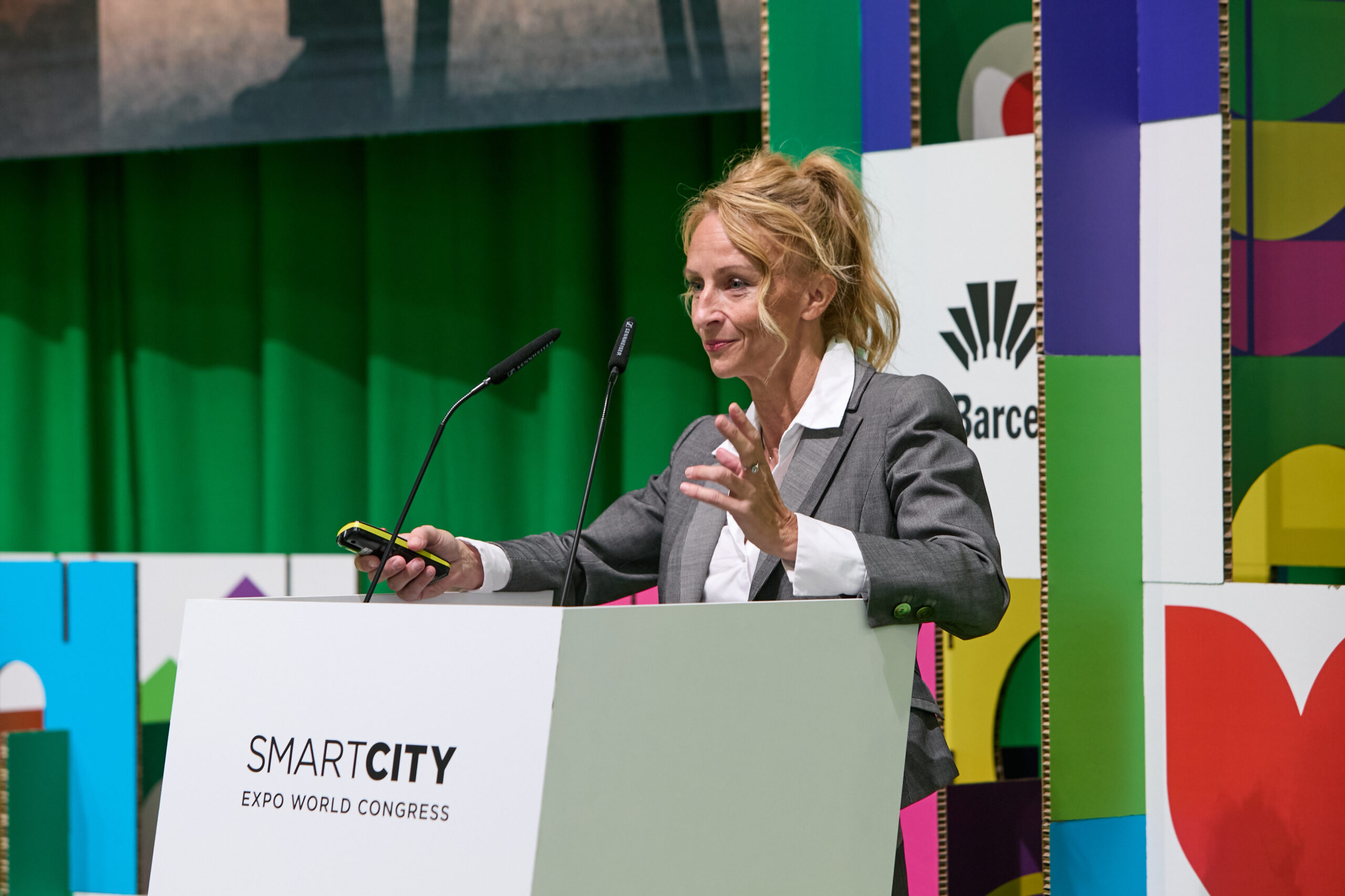
A lot of these solutions are shown to the world in scenarios like the Smart City Expo World Congress. This occurred with the well-known Mobinteg, a leading company in application design for smartphones. One of their most internationally lauded solutions is the SMIITY – Smart Tourism Platform, a platform that allows cities to develop and boost their tourist offer.
Image | roya ann miller