



Table of Contents
Author | Elvira Esparza
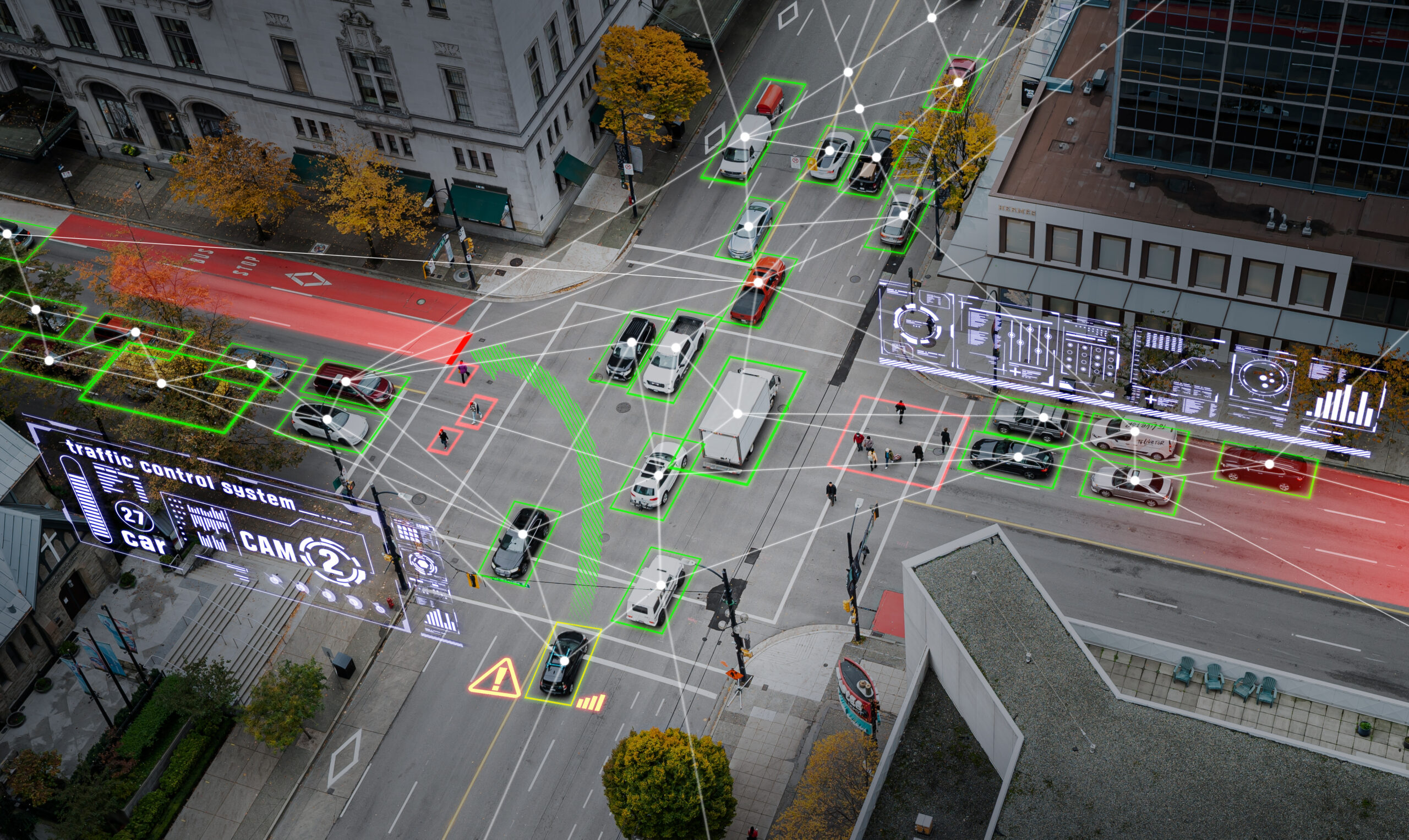
In connected smart cities, technology, data, and connectivity work together to improve people’s lives. At its core, the connected smart city uses technology to make daily life easier, creating a more sustainable, efficient, and inclusive environment for all citizens.
What does “connected smart cities” mean?
Connected smart cities are cities that use technology and data to improve infrastructure, modernize services, enhance accessibility, and promote sustainability and economic growth in order to make life easier for residents.
Differences between connected cities and smart cities
The connected city focuses on the technological infrastructure that enables communication between devices and systems.
The smart city has a broader scope, as it uses connectivity and data to improve people’s quality of life, the efficiency of public services, and environmental and economic sustainability. That is why all smart cities are connected, but not all connected cities are smart.
Why connectivity is fundamental for smartness
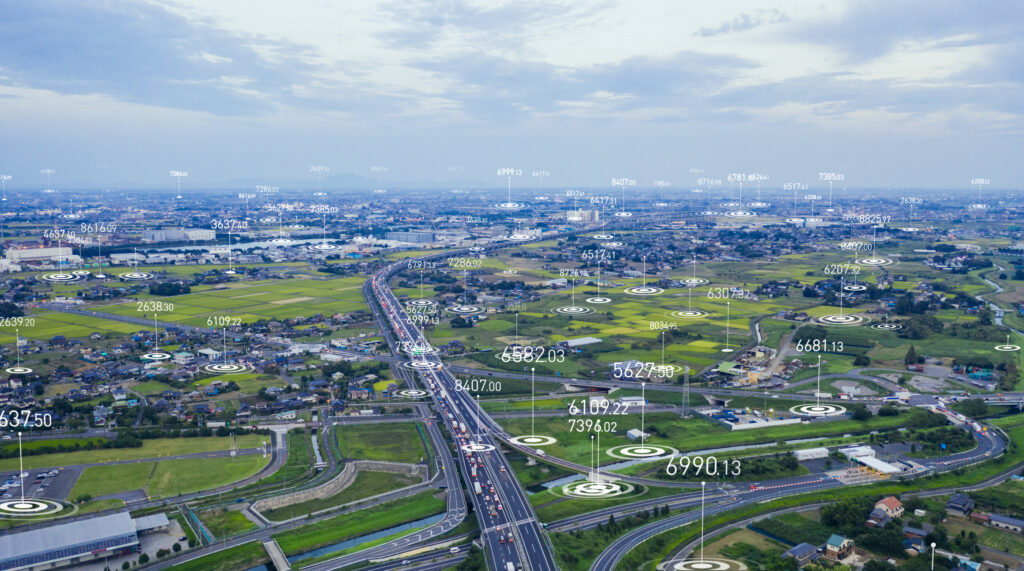
Basically, because connectivity enables the constant exchange of data between devices, infrastructure, and people. In a connected smart city, sensors, energy grids, and transportation systems generate real-time data, and thanks to IoT, 5G, fiber optics, and digital platforms, this data is used to make decisions.
How smart cities connect: key enablers
IoT networks, 5G and infrastructure of connectivity

The goal of IoT is to enhance the digitalization and interoperability of a city’s services and systems. This is also the aim of the European-scale Vicinity project.
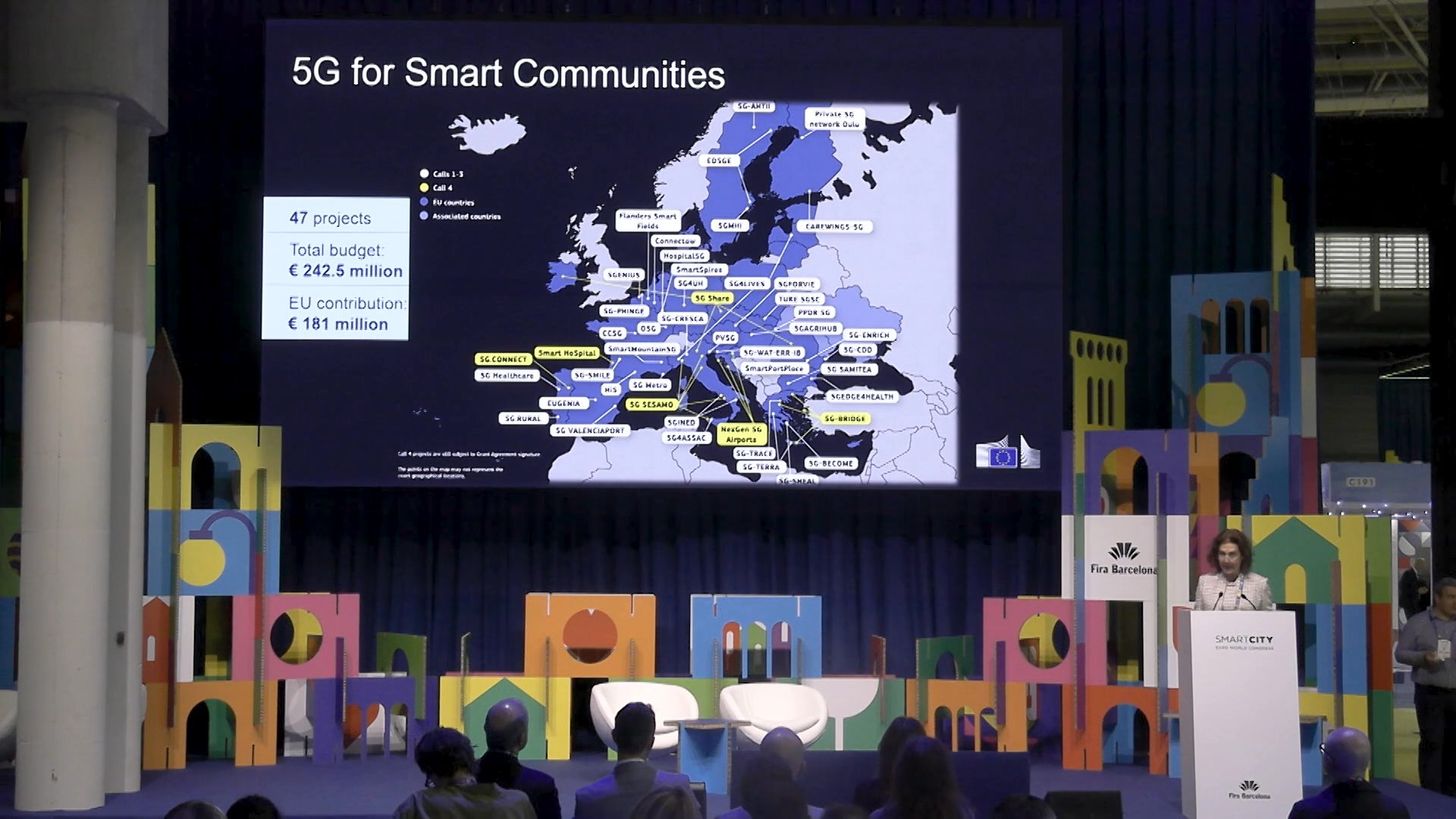
Another technological pillar in the infrastructure of connected cities is smart communication networks, such as 5G, which enhance IoT by enabling the interconnection of up to 20 billion devices and supporting energy sustainability.
Open data platforms and interoperable systems
Through interoperable platforms, municipal governments obtain accurate information about the status of public services, making it easier to use resources efficiently. Meanwhile, open data platforms promote transparency and allow citizens to participate in shaping the city.
User engagement through mobile and digital services
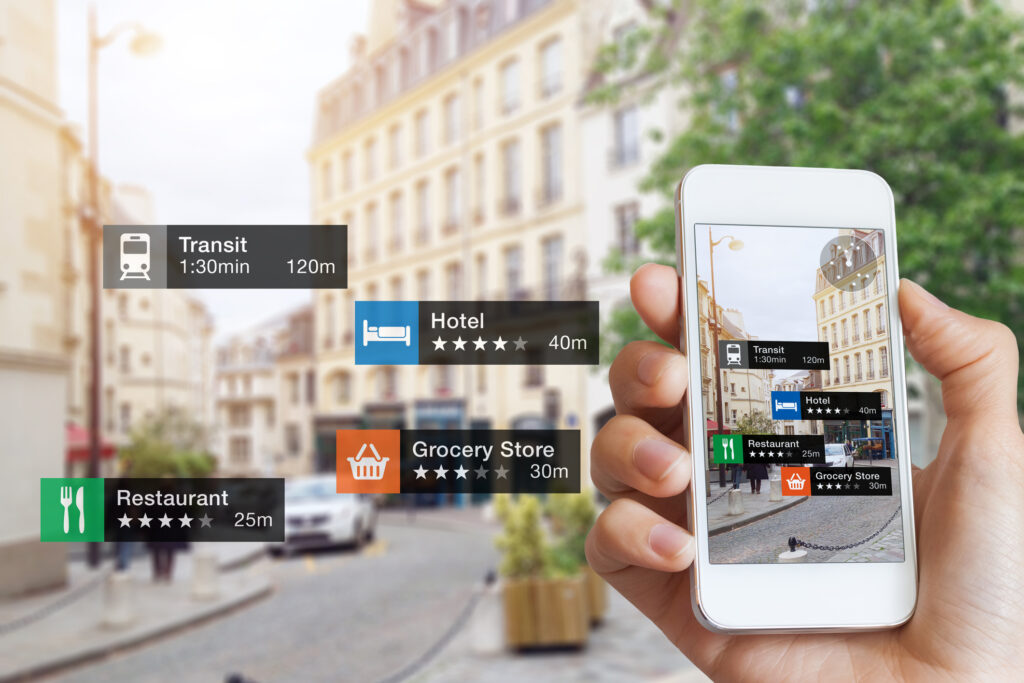
Citizen participation in urban management can take place through mobile apps and digital platforms that provide access to information about city management and project status, allowing residents to suggest improvements or report incidents.
Benefits of being a connected smart city
Efficiency, real-time responsiveness, and inclusion
Efficiency is achieved through the optimization of resources using sensors that enable better energy management and service automation, adjusting operations to real demand.
Real-time responsiveness makes emergency management more effective thanks to connected systems, while environmental monitoring allows for preventive alerts.
Inclusion ensures equitable access to services through public networks and citizen apps, encourages public participation in decision-making, and promotes inclusive urban design.
Improved governance, sustainability, and resilience
Governance improvement is reflected in transparency, open data, and public-private collaboration among businesses, governments, and citizens.
Sustainability is achieved through reduced emissions by promoting electric mobility and energy efficiency, advancing the circular economy, and encouraging green spaces.
Resilience involves adapting to climate change through systems that anticipate extreme events and protect infrastructure, establishing decentralized networks for energy, water, and communications to prevent breakdowns, and strengthen recovery capacity after disasters.
Challenges and precautions in connectivity

Connectivity presents certain security and privacy concerns.
Security and cyberattack risks
Security is one of the biggest challenges in a connected city, as the interconnection of systems and devices makes them vulnerable to cyberattacks that can impact critical infrastructure such as power grids or transportation networks. To prevent this, it is essential to strengthen security and access control through data encryption and the implementation of robust cybersecurity protocols.
Privacy, equitable access, and infrastructure gaps
Managing vast amounts of citizen data carries the risk of excessive monitoring and surveillance, or a security breach exposing sensitive information. To protect privacy, it is essential to apply principles of transparency and informed consent and to comply with data protection regulations.
Real-world cases: connected smart cities in action
Songdo, Amsterdam, Singapore: integrated connective ecosystems
- Songdo is a smart city built from scratch, featuring a digital infrastructure integrated with sensors, IoT networks, smart traffic lights, eco-efficient buildings, electric public transportation, and a pneumatic waste collection system to reduce emissions.
- Amsterdam is an evolving, participatory smart city. It features smart readers in homes to reduce energy consumption, smart meters to monitor usage, open data, citizen apps, and projects integrating mobility, housing, and work to reduce the urban footprint and improve public services.
- Singapore is a model of a smart nation with both government and citizen-focused approaches. It uses sensors to monitor energy, water, and waste; AI-optimized public transportation with sensors that adjust frequencies in real time. And it has a citizen-centered approach where quality of life is at the core of all public policies.
Dijon: centralized urban equipment management
The OnDijon project has transformed the French city into an interconnected urban network covering 23 municipalities and over 260,000 residents. All urban services: traffic lights, street lighting, security cameras, transportation, cleaning, waste management, and municipal police, are coordinated from a single real-time control center. More than 180 public buildings, 113 traffic lights, and 269 CCTV cameras are connected to the command center.
Images | iStock/efired, iStock/metamorworks, iStock/NicoElNino, iStock/Olgaviare, Ubicitricity, iStock/helloabc