



Table of Contents
Author | Lucía Burbano
Leading by example, through real, data-backed cases and measurable indicators, is the best proof that something works. When it comes to sustainability, cities are often the best practical case and a driving force behind initiatives in diverse and complex fields that showcase the wide ecosystem of solutions leading to truly sustainable examples.
What Are Sustainable Examples?
Sustainability and its examples can be divided into three categories:
Environmental sustainability: Protecting natural resources and ecosystems. For example, focusing on renewable energy and efficient infrastructure.
Social sustainability: Ensuring equity, inclusion, and quality of life through measures that promote social inclusion.
Economic sustainability: Creating long-term prosperity without depleting resources by integrating tools such as data and participatory planning to guide policies.
Definition and scope: from everyday actions to global initiatives
Well-implemented sustainability meets the needs of the present without compromising the well-being of future generations.
Although most sustainability policies are designed at the supranational or national level, their implementation usually falls to cities, and their impact is felt in the daily lives of citizens. An example of global policies applied through local solutions is the adaptation of the Sustainable Development Goals to specific communities.
Why showcasing sustainability drives change
The exchange of knowledge and innovation, as seen in Singapore’s example through international partnerships and educational visits, makes sustainability an exportable idea, inspiring similar solutions around the world.
Another driver of change is the promotion of policies and investments when existing examples show measurable benefits. For instance, Chicago’s municipal renewable energy plan demonstrates cost savings and reduced emissions, strengthening political and financial support for new environmental projects.
Key areas of sustainable practices
Sustainable mobility and public transport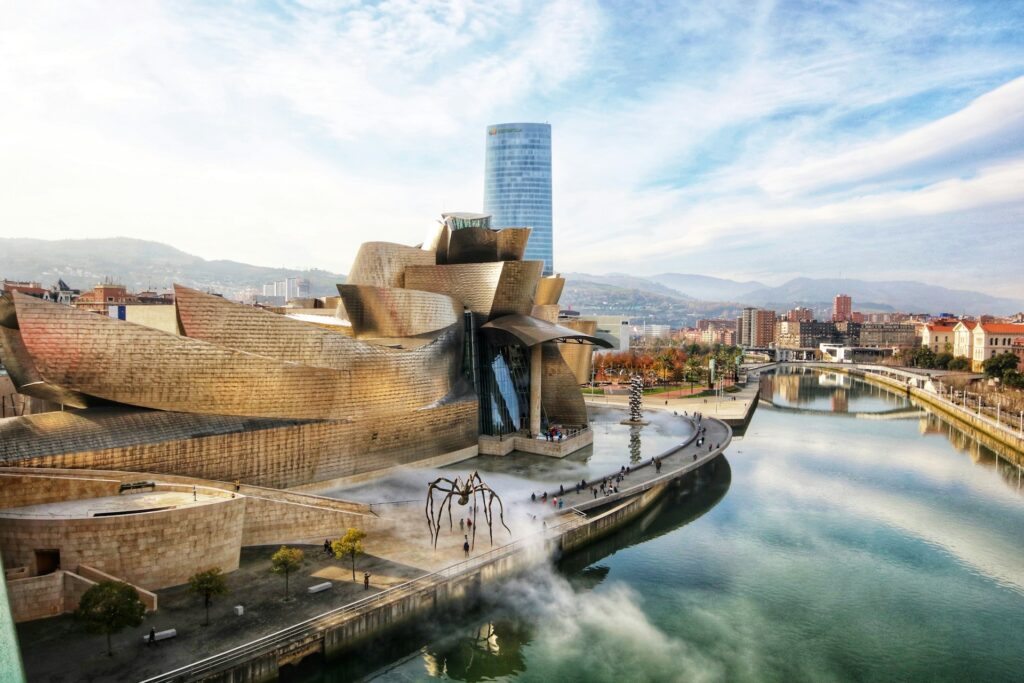
In the first quarter of 2024, Bilbao recorded one million fewer vehicles on its streets compared to the same period in 2019, a shift in mobility patterns and a clear indicator of the success of sustainable transportation.
Renewable energy and eco-efficient buildings
Chicago undertook to ensure that, starting in January 2025, all 411 municipal buildings would operate on 100% renewable energy. In practice, this will reduce more than 290,000 metric tons of CO₂ per year.
Responsible consumption, waste reduction, and recycling
Copenhagen set a goal to recycle 70% of municipal waste by 2024 as part of its Circular Copenhagen plan. Additionally, a 2024 study indicates that reusable packaging systems could reduce the city’s emissions by up to 54%.
Sustainable governance, equity, and community engagement
In Italy, Bologna is developing a civic digital twin to support governance that models social dynamics and engages residents and civil society in co-designing the city’s future. An innovative use of technology is typically reserved for technical issues such as infrastructure and resource management.
User-Centric and Planet-Focused Innovation
A city that is both user-centered and planet-focused is one where innovation enhances people’s daily lives while ensuring the city operates within environmental limits, making sustainability feel natural, inclusive, and enjoyable.
Designing lifestyles and cities with sustainability at the core
They are based on the following principles:
- Human-centered design: Meeting people’s needs in a sustainable way.
- Systems thinking: Planning cities as interconnected ecosystems.
- Circularity: Minimizing waste and maximizing reuse.
- Integration of nature.
- Low-carbon infrastructure in transportation, energy, and buildings.
- Equity and inclusion.
- Smart technology that optimizes resources and encourages citizen participation.
- Resilience and adaptability to anticipate long-term uncertainties.
Tomorrow.City’s unique approach
Global platform for knowledge, events and best practices
With a global reach that connects cities, industries, and technology providers across multiple continents through its various divisions of digital content and events such as conferences, exhibitions, and networking, Tomorrow.City stands as a benchmark for cities that embrace both challenges and opportunities.
The platform highlights and recognizes outstanding urban initiatives, integrating them into its global network of best urban practices.
How to Identify Real Sustainable Practices
Essential criteria: impact, scalability and long-term viability
To assess its impact, a series of questions must be answered about how the initiative improves indicators related to the environment, society, and the economy.
Scalability considers factors such as whether the practice can be applied beyond a pilot or local project, while long-term viability includes aspects like durability, funding, and community acceptance.
Common mistakes to avoid in sustainability projects
Some of these mistakes include:
- Focusing on appearance rather than results, such as greenwashing.
- Lack of community involvement.
- Overemphasis on technology itself.
The Future of Sustainable Examples
Circular economy
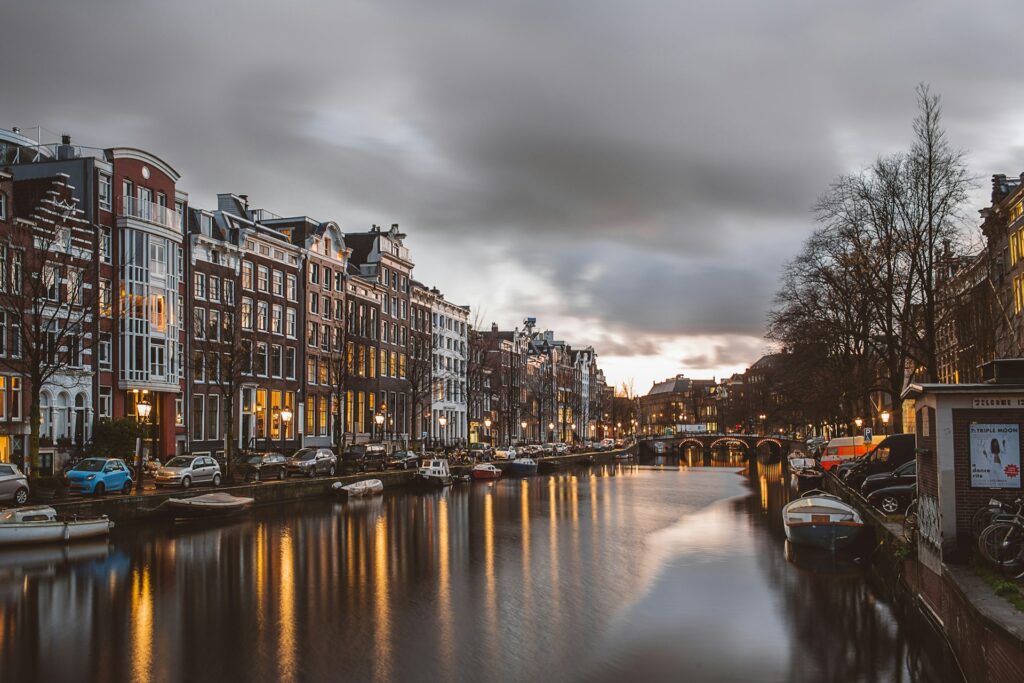
These are urban systems where materials, energy, and resources are reused, recycled, and kept in closed loops rather than discarded. Amsterdam is an example of a city that invests in circular construction projects and material reuse programs.
Regenerative design
This refers to urban design that restores and enhances ecosystems, rather than merely minimizing harm. Another Dutch city, Rotterdam, directs its urban planning to be resilient to flooding.
Green finance
Financing urban projects that are environmentally sustainable, socially responsible, and economically viable. Paris issues green bonds to fund building renovations aimed at energy efficiency.
Photography | Unsplash/ Uliana Sova, Unsplash/Jorge Fernández Salas, Unsplash/Azhar Z