



Table of Contents
Author | M. Martínez Euklidiadas
Can a town recycle 100% of its urban waste? This is the zero waste goal established by the region of Kamikatsu in the Tokushima prefecture (Japan) in 2003 when, at the beginning of the millennium, the entire country was experiencing an accumulation of waste in dump sites.
In 2018 Kamikatsu was selected as one of the SDGs Future Cities for the example it was setting and two years later its recycling rate was almost 80%, while the rest of Japan barely reaches 20%. How has it achieved this? And, why is this not the most notable aspect?
A composting network dating back to 1994
One of the first projects undertaken in Kamikatsu was to recover organic waste produced in households, a volume that accounts for around one third of all waste. In 1994, 55 hamlets that make up the region (around 800 families, 1500 people) agreed to the ‘Recycling Town Project’, a composting program that just one year later, began to facilitate the purchase of home composting devices. It was a huge success.
Yesterday’s waste, tomorrow’s building materials
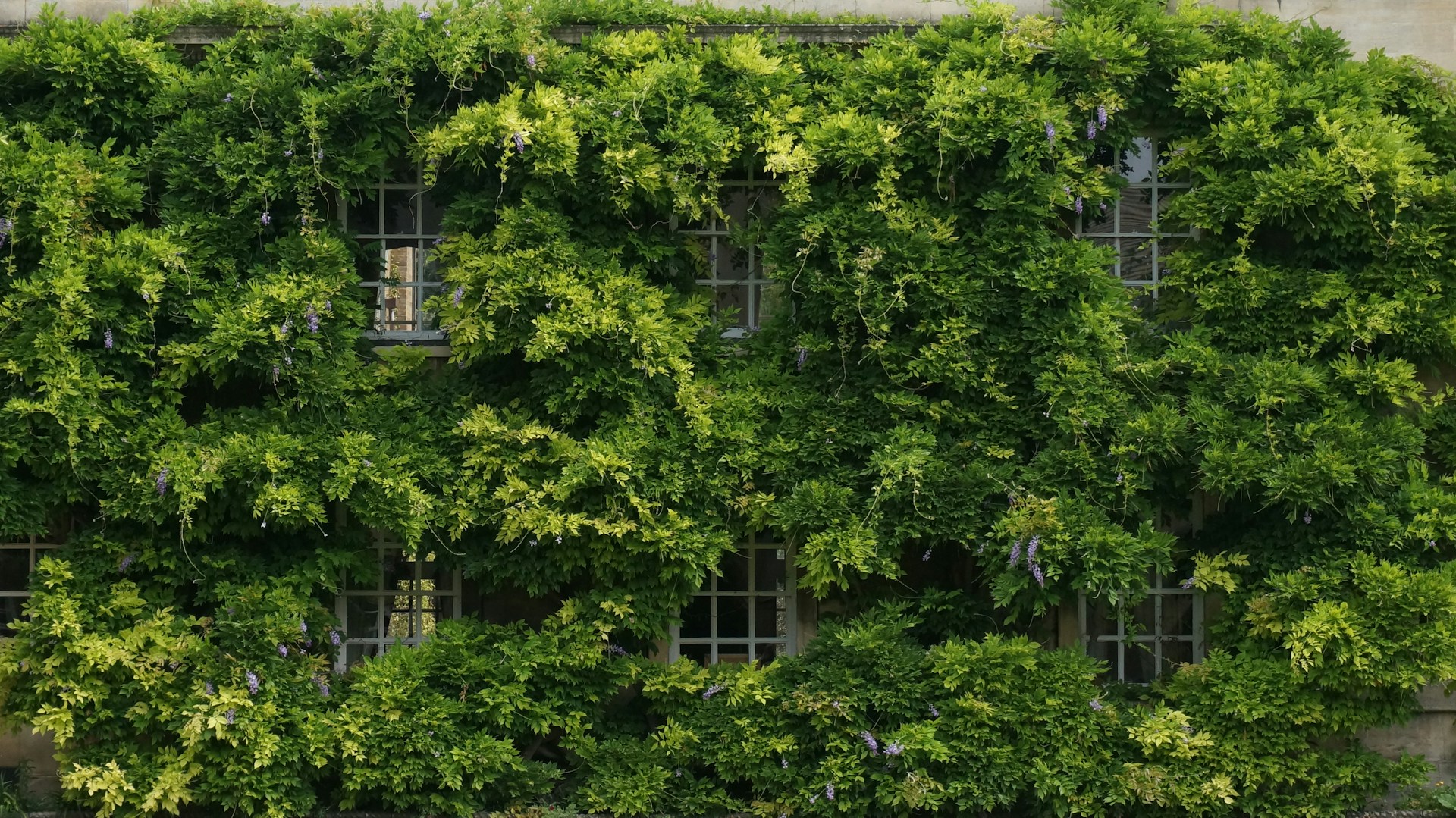
Apart from the 700 donated windows that make up the façade of the zero waste building designed by Hiroshi Nakamura and which won a Dezeen award in 2021, what is particularly striking about Kamikatsu’s waste recycling facility is its level of hygiene.
It is so clean that there is a hotel next to the facility, rated with 4.8 stars on Google Maps. It is called Zero-Waste Hotel WHY and it was built partly using waste materials. The entire plant used local materials for its construction.
Involving the local community in reducing and reusing
If recycling in Kamikatsu is a success, what is an even greater success is how much they have reduced the need to recycle. They have created an almost closed network of used items and materials so they are reused as much as possible.
When residents visit the recycling plant they have already duly separated and classified all the materials, and items that can be reused (such as a bicycle, a container, clothing, kitchen utensils) are brought to the facility already cleaned so they can be displayed.
How to get rid of annoying recipients?
New consumption habits have put a focus on single-use plastics. As a temporary transitional strategy, Kamikatsu used waste incineration techniques, which are certainly not clean and actually exacerbate the existing environmental problems.
But they have achieved notable milestones, including having 45 categories for waste, far more than the classic and general ones plastic, paper and cardboard, organic or technological waste. Plant operators are on hand to help residents with this separation whenever they make mistakes.
They have also managed to attract local industry to process these materials on site: glass that cannot be reused goes on to be used as an aggregate in construction; cellulose waste is recycled as much as feasibly possible and sewers give textiles a second life.
Circular cities, cities of the future
A recent scientific publication explores the model of circular cities (CC), citing Kamikatsu as an example of a country, Japan, leading the way in this regard. The aim of this network of towns is not just to process classic waste as we understand it today, but to prevent the production of this waste.
Image | Yano