



Author | M. Martínez Euklidiadas
The panopticon, a type of prison architecture designed for policing by Jeremy Bentham, has evolved over time under the ideas of Michel Foucault and the new uses given to the concept of preventing human errors. Can the panopticon be used in today’s urbanism? Can citizens benefit from policing?
What is the panopticon and what was the original concept?
The panopticon is way of building blocks or buildings that allows the people within a building to be observed without knowing when they are being watched, but knowing that they may be observed.
Bentham’s panopticon is a type of prison structure dating back to the 18th century, which allows security guards to precisely do that: observe prisoners from a central tower without them knowing when they are being watched.
History and the use of the panopticon
Although the panopticon was originally the idea of Samuel Bentham for the factories of the 18th century, it was his brother Jeremy Bentham who saw the prison potential. Dozens of prisons were built using this concept.
It was used extensively for centuries, because it allowed a considerable number of prisoners to be monitored with a minimum number of guards. However, the aim of this layout was to create "a feeling of invisible omniscience" Disciplinary societies embraced it.
It was this concept that fascinated the philosopher Michel Foucault in 1975. The panopticon forced prisoners to adjust their behavior. With the panopticon, it was easy to "impose any conduct on any human multiplicity". It was possible to induce conduct through the form.
Disney World’s panopticon
In 1987, various researchers wrote a piece on Disney World’s use of the panopticon and the development of the urban discipline. The American theme park was an "exemplar of modern private corporate policing".
Its concept of guards who do not coerce you but dissuade the conflict or the incorrect use of the space is the same as that used today in cities around the world, where law enforcement officers patrol the cities on foot or on bikes.
The possibility of their mere presence makes the area safer. Giving citizens the opportunity to inform the authorities of someone else’s wrongdoing also works.
Urban policing to combat COVID-19

In 2020, society witnessed how it was possible to use the panoptic ‘design’ to control the COVID-19 pandemic. As illustrated in some publications, "policing is a key function of all public health systems".
During the coronavirus pandemic, policing was key through devices such as digital monitoring, law enforcement agencies and even through informal policing by residents.
Informal policing, a type of panopticon?
In 1961, Jane Jacobs published ‘The Death and Life of Great American Cities’, a text which highlighted the importance of informal policing on streets, sidewalks and parks, emphasizing the relationship (this time positive) between this type of policing and urban security.
In one of the real-life examples in the book, a man was trying to abduct a child from the street, when a small crowd, made up of numerous residents and store owners in the area, stopped him. It turned out that the man was her father, but this type of informal policing prevents kidnaps.
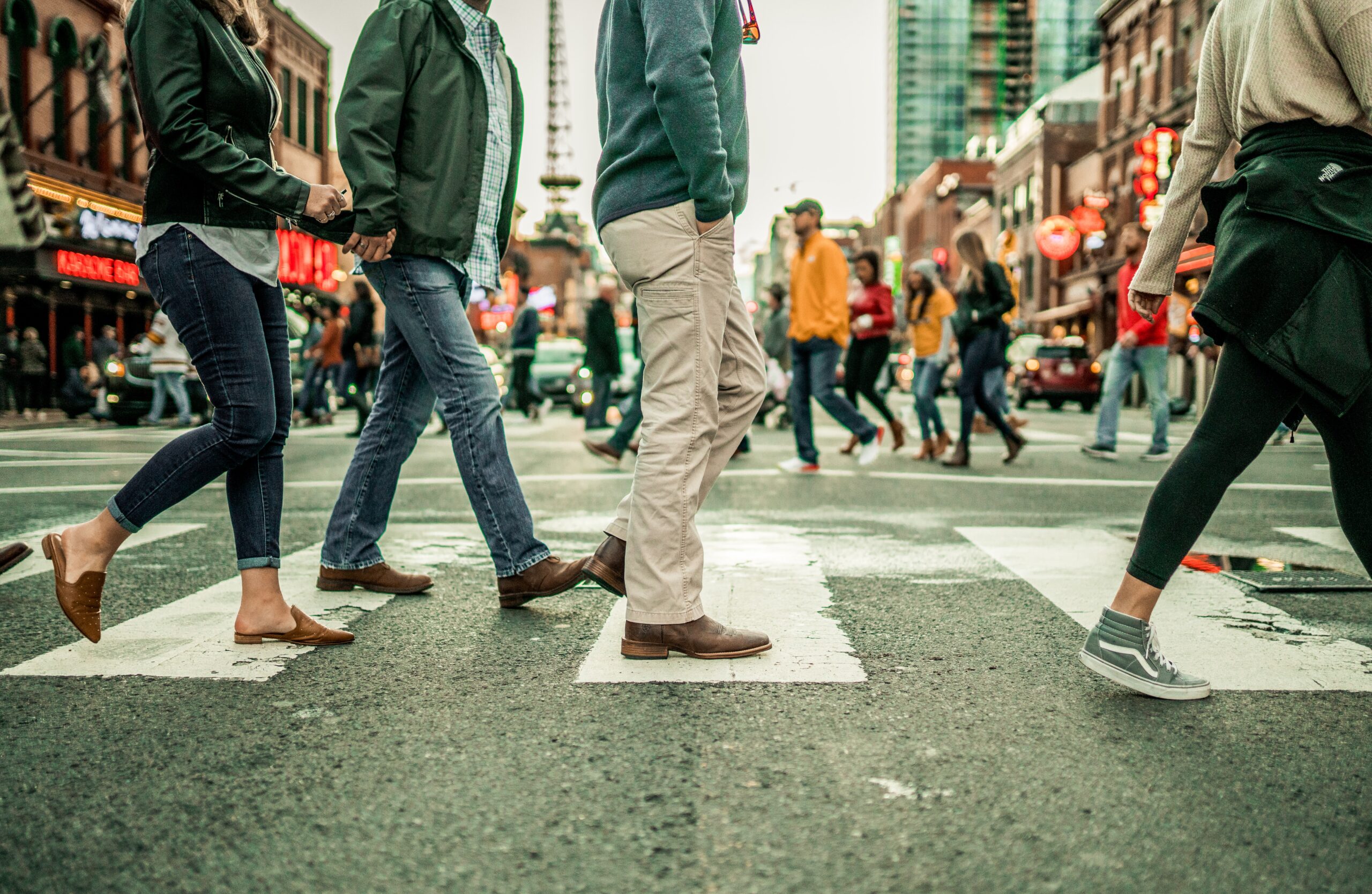
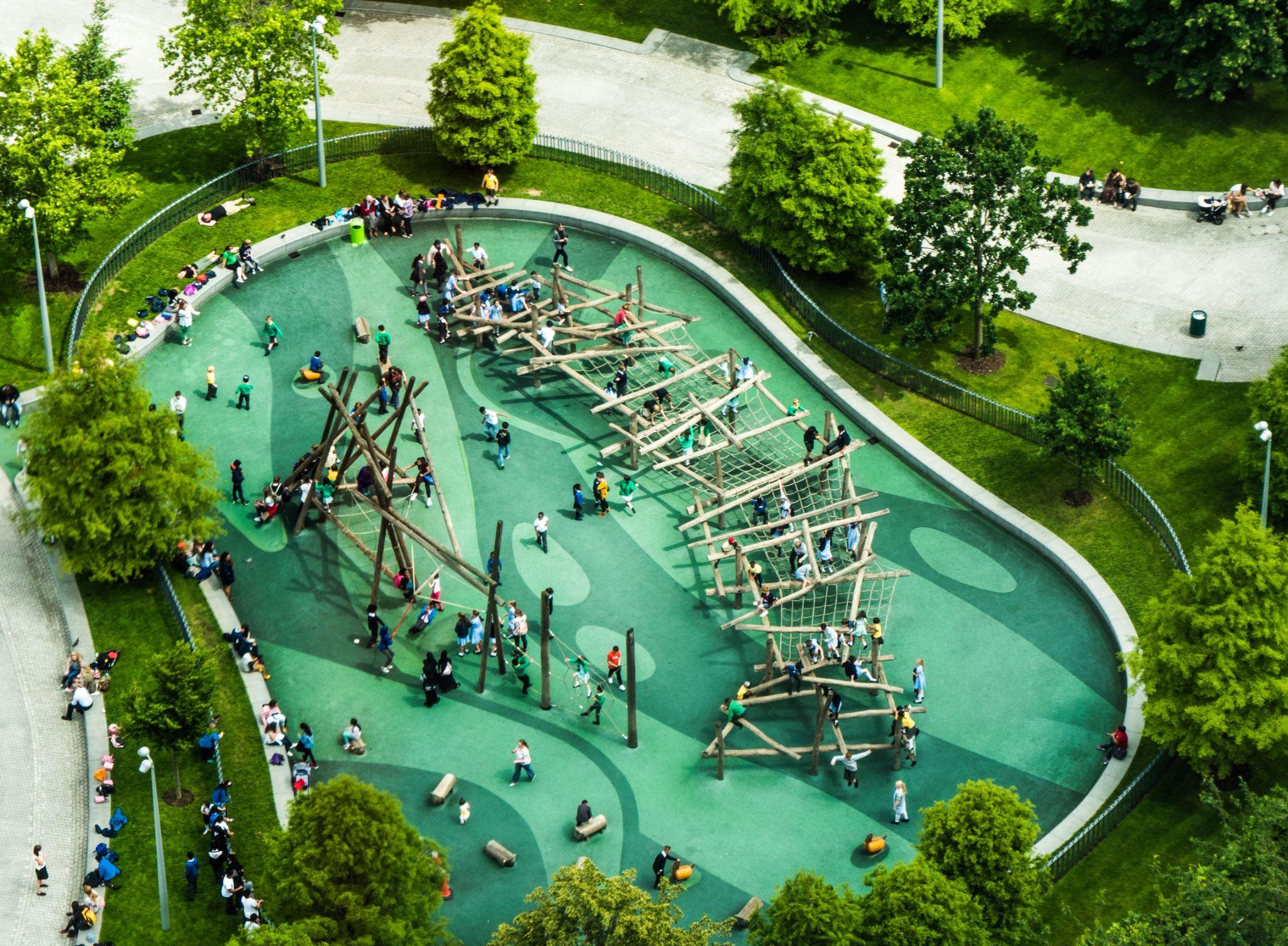
Informal panopticon-like policing is very common in children’s parks or squares, where children can be observed in a relaxed atmosphere as shown in the image at the top of the article.
Although policing by a central authority is the subject of ethical debates, and the prison panopticon concept is as well, many of its influences in informal policing are seen as a form of social progress.
Images | Jamie Street, Mike Walter