



Table of Contents
Author | Lucía Burbano
The difficulties experienced by some countries in obtaining fossil fuels to heat their homes, generating electricity and maintaining logistics chains active, have triggered an interest in other energy sources. Also in the methods to achieve greater energy efficiency goals, which is now practically an obligation for governments and citizens alike.
What is energy efficiency?
Energy efficiency seeks to optimize energy consumption to balance thermal comfort levels and services, by adjusting energy consumption to the real needs of users. The aim is to establish a rational use of elements such as heating, air conditioning, electricity, etc., supported by facilities and adequate thermal insulation that allow consumption to be balanced in order to benefit both users’ health and their pockets.
Sustainability and energy efficiency
**And we should not forget the environment either, **since the energy sector in the European Union (EU) accounts for 75% of greenhouse gas emissions. In this regard, buildings, transportation and industry are the main consumers of energy and the most significant sources of emissions.
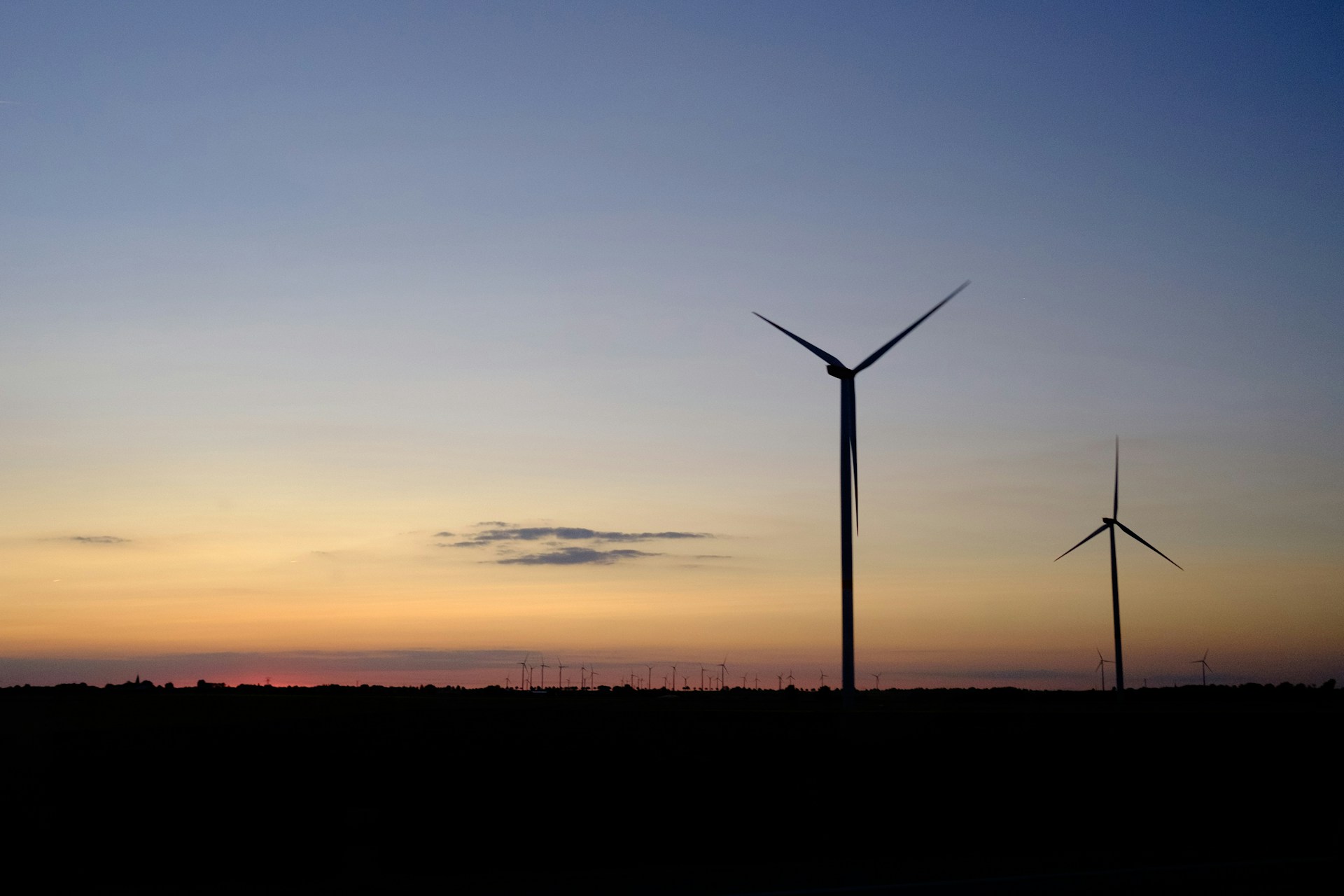
Therefore, Europe is set on decarbonization, with a commitment to renewable energy sources such as solar or wind power. According to Ursula von der Leyen, President of the European Commission: "We are doing everything possible to maintain the promise we made to European citizens: to make Europe the World’s first climate neutral continent by 2050" This is complicated given the existing energy crisis, since nuclear reactors are also now being seen in a better light given the challenges involved in a sudden degasification, which cannot be covered solely with renewables.
How is energy efficiency measured?
The energy efficiency certificate was introduced some years ago to enable consumers to understand energy consumption. It consists of seven consecutive letters, from A to G, in which A is the most efficient and G the least efficient.
● The most efficient: A, B, C
● Moderate consumption: D, E
● High consumption F, G
Apart from energy efficiency, this adhesive label provides additional information such as kilograms of CO2 released into the atmosphere.
In the case of households, the document has been mandatory since 2013 and must be obtained prior to selling or renting a property. In terms of electrical appliances, it is compulsory throughout Europe for refrigerators and freezers; washing machines, driers and dishwashers; electric ovens and microwaves and household light sources.
This energy efficiency label allows consumers to know the energy consumption of a product before purchasing it.
Simple changes to save energy

According to the Spanish Institute for Energy Diversification and Saving, average annual energy expenditure per household in Spain is €990. What can users do to save energy without relinquishing thermal comfort?
The adequate temperature for each season
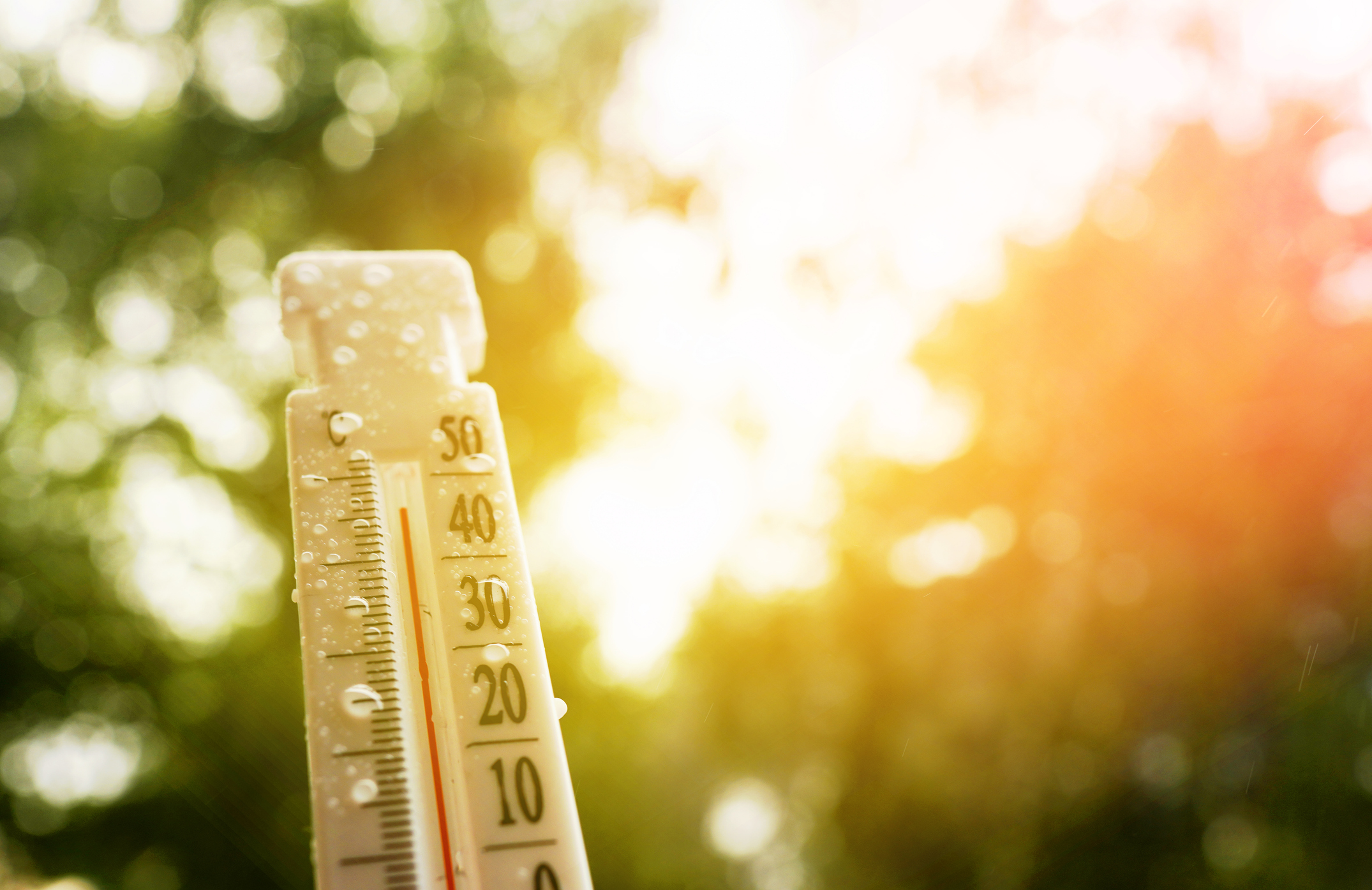
The thermostat may be a source of thermal conflicts. Even so, by following these recommendations, we can optimize energy consumption, without sacrificing comfort or personal relationships:
● In summer, values range between 23 and 27 ºC. The temperature difference between indoors and outdoors should not exceed 12 degrees.
● In winter, between 19 and 21°C.
● If the property is empty or we are sleeping, the thermostat should be dropped to around 15º-17ºC.
● In the case of babies, the temperature should be slightly higher; between 22º-24ºC during the day and 18º-20ºC at night.
Turn off all electrical appliances completely.
The little red or green light on our devices indicates that it is on stand-by, therefore it is still using electricity. Small changes like turning them off completely can save up to 7% in electricity.
Improve door and window insulation
Ensuring that air does not seep through the frames is essential. If installing double glazing and PVC frames is not an option, you could always seal the interior part.
Home automation
Some years ago, home automation to integrate technologies into systems within the household sounded like science fiction, but that is no longer the case. In terms of energy efficiency, home automation systems allow lighting, temperature control units, hot water, irrigation and electrical appliances to be managed, in order to program or control consumption.
Images | Unsplash/NASA, Unsplash/Erik Mclean