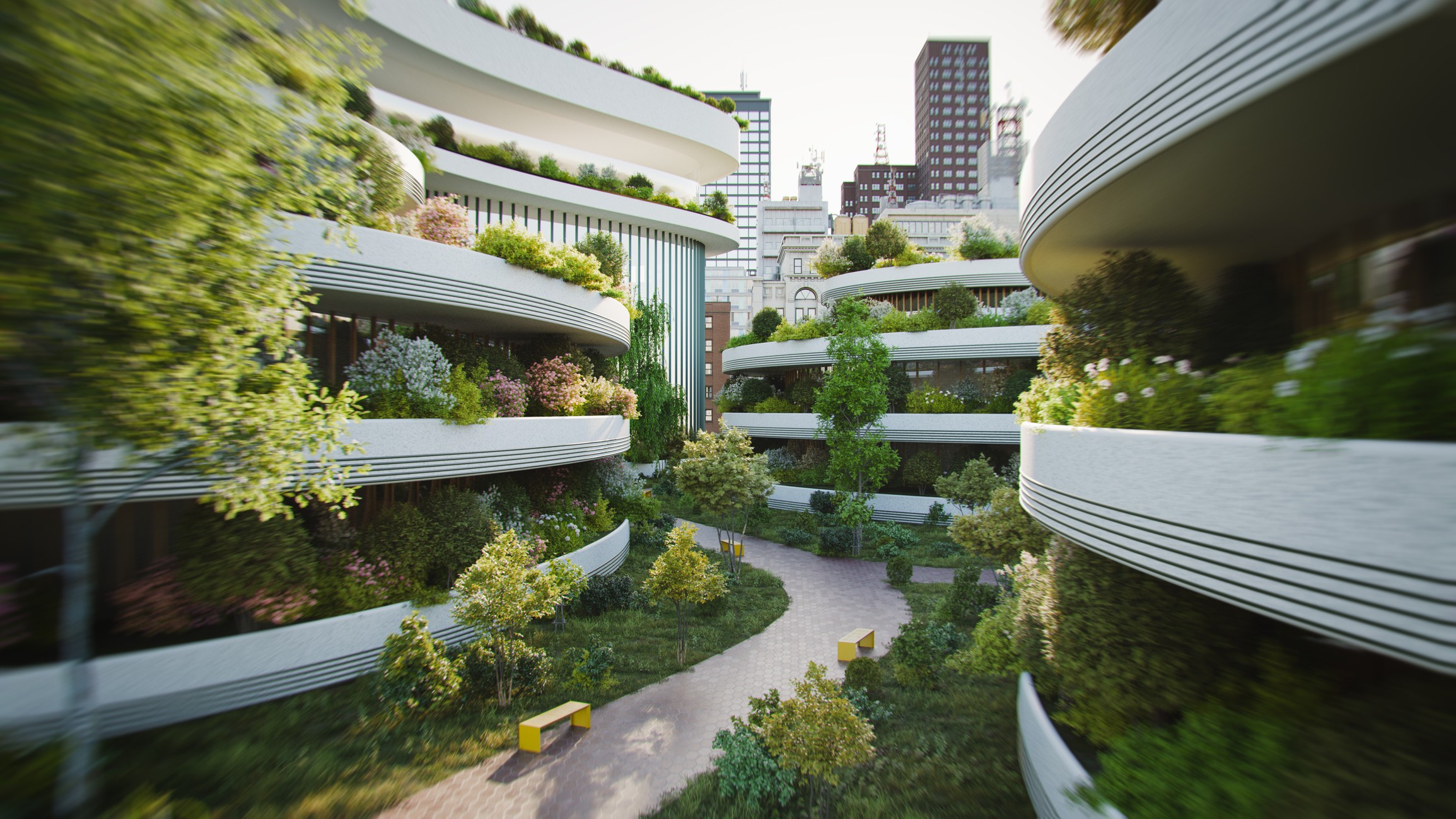




Author | Patricia M. LicerasIn 2014, the Italian architect and urban planner Stefano Boeri presented his metropolitan reforestation project called Vertical Forest in his hometown, Milan, with two huge towers that are home to 700 trees, 11,000 plants and 5,000 shrubs. Since then, his concept of bosco verticale, constantly being reviewed and updated, has been exported to other places in the world and it is now coming to one of the most visited places in Mexico and the Caribbean: Cancun.Cancun has gone from being a fishing village in 1974 surrounded by virgin jungles and deserted beaches to one of the most famous tourist destinations in the world. The construction of hotels has left a very different landscape to the original one, but now, the Boeri studio is designing a new Cancun, a pioneer in smart and sustainable developments that provide a balance between mass tourism and nature.
A botanical garden in the shape of a city
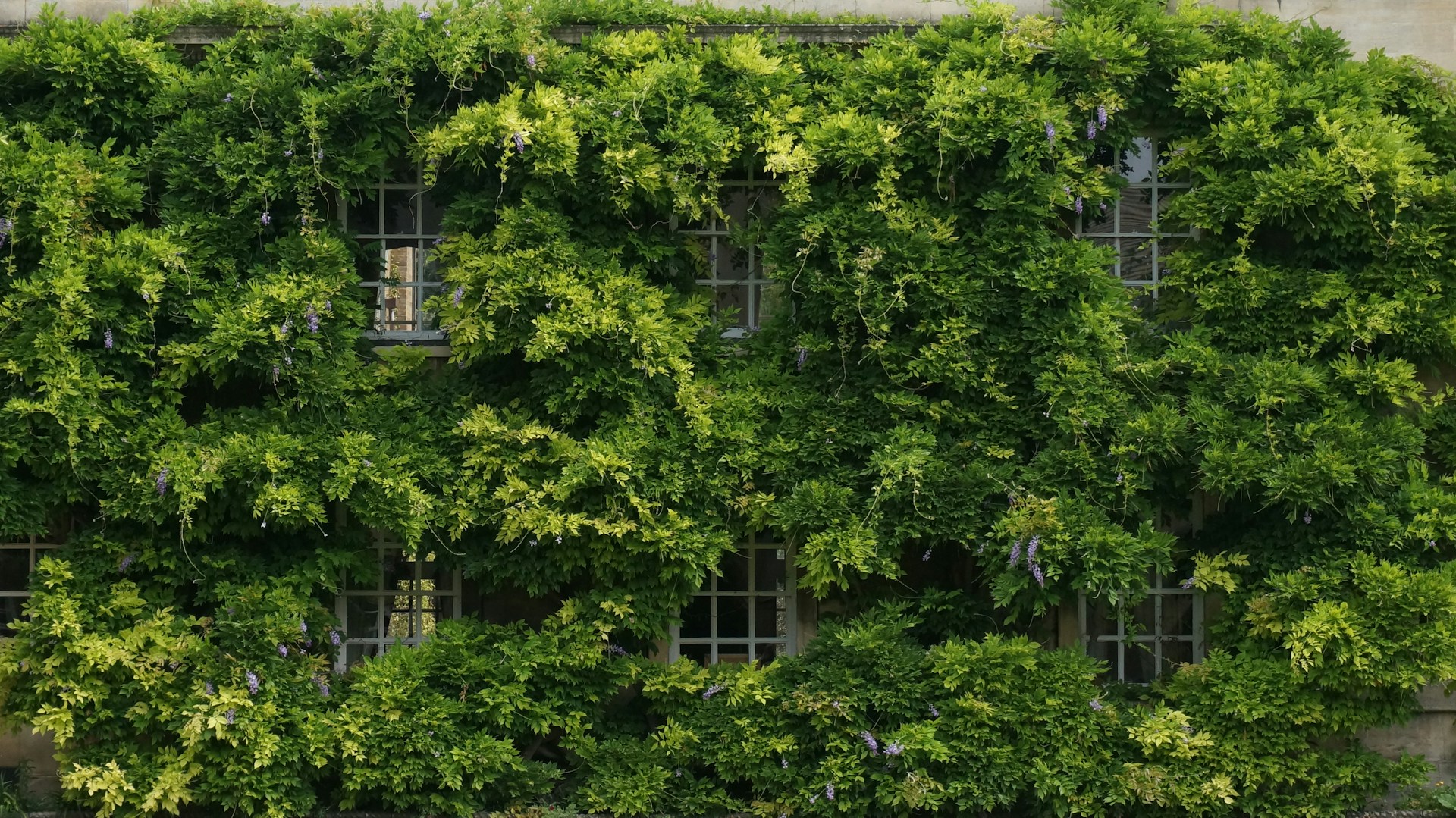
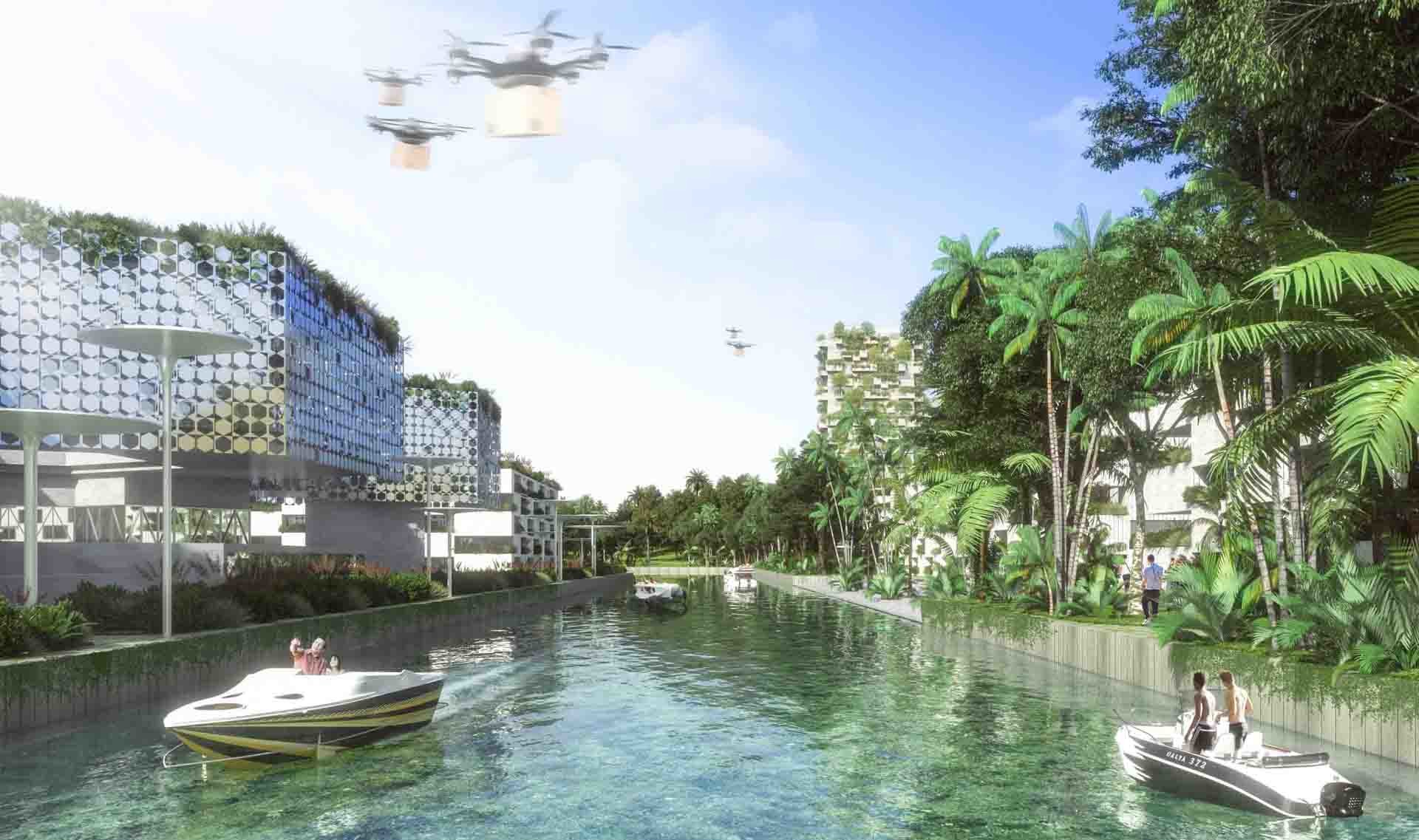
In total, 557 hectares, of which 400 will be used for green areas –with 7.5 million plants-, the new city panned by the vertical forest ideologist will be close to the existing Mexican city and will be home to around 130,000 people, with a ratio of 2.3 trees per inhabitant.According to the Boeri studio, thanks to the parks and gardens that will be created, together with the green roofs and facades that will cover the buildings and fixtures, the “perfect balance” between the amount of green areas and the environmental footprint of the buildings will be achieved. In fact, it is estimated that the Smart Forest City Cancun, as the plan has been christened, will absorb 116,000 tonnes of carbon dioxide each year.“Smart Forest City Cancun is a botanical garden within a contemporary city, based on Mayan heritage and in its relationship with the natural and sacred world. An urban ecosystem where nature and city are intertwined and act as one organism”, the architecture studio explained.
Self-sufficient in producing food and energy
The feasibility of a city is based on a circular economy. Therefore, the urbanised area will be surrounded by solar panels and farmland, which will enable it to be fully self-sufficient in producing food and energy. The use of solar power and farmland that will boost local trade and community life.In terms of transport, it includes its own electric and semi-automatic mobility system, which will enable cars to be parked outside of the city.Water will be another key issue: from irrigation via embedded systems to the installation of a desalination plant to take advantage of seawater, as well as the construction of channels to sail around the complex and which will work as “water gardens” that will protect it against potential flooding, given its proximity to the sea.
But a Smart City after all
Apart from the sustainability aspect and, in terms of the classification of ‘smart’, Big Data will be used to improve various aspects of city life, such as sensors in buildings that collect and share relevant information. Therefore, for example, by monitoring the flow of energy users could be advised to use the washing machine or dishwasher at peak energy generation points, allowing them to enjoy more economical tariffs.Houses for the approximately 130,000 residents, all covered in plants, will be offered at affordable prices and will be offered to various groups, such as students, researchers and professors, since Smart Forest City Cancun will have a state-of-the-art research centre, which aims to tackle the challenges related to sustainability, climate change and, in short, the future of the planet.The Mexican authorities are now studying the approval of what could be a harmonious and sustainable urban development model for the rest of the world and an alternative for new generations.Images | Stefano Boeri Architetti