



Author | M. Martínez Euklidiadas
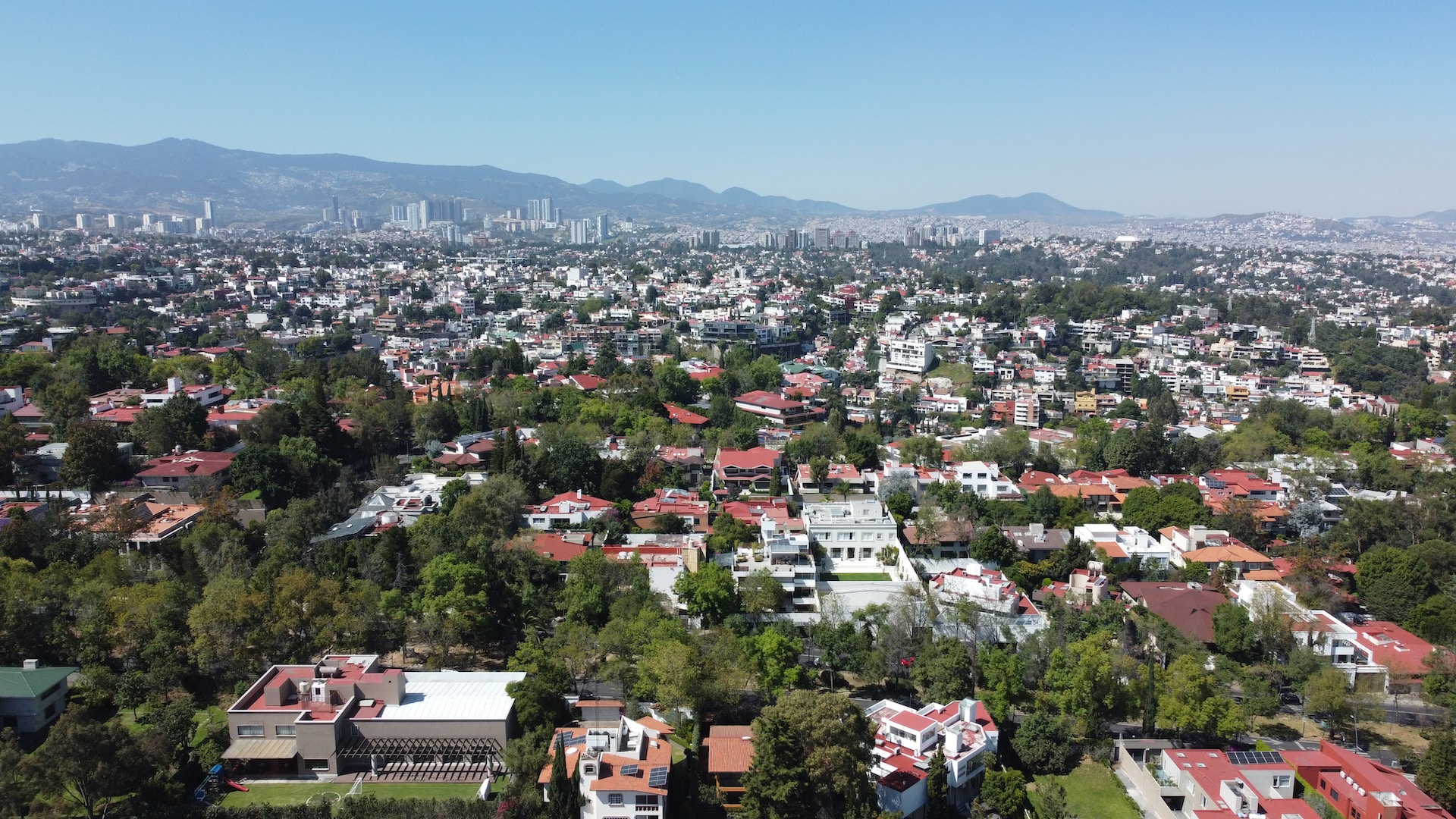
Mexico City is sinking into the ground that it sits on and which was once a lake. This is nothing new, Mexico has been on a ‘downward’ journey for years, at a rate of almost 50 centimeters (20 inches) per year, and it holds the record for being the world’s fastest sinking city. What is causing Mexico to sink? Is there a solution?
What is causing Mexico City to sink?
According to scientific evidence, the main reason for Mexico City’s sinking ground is subsidence, a physical phenomenon resulting from the extraction of liquid from the subsoil, in this case groundwater. Mexico City is depleting the subsoil, pumping groundwater upwards. When this happens, materials such as sand, loose stones or earth, occupy the hole once occupied by water. The city is sinking and at the same rate as the volume of water it extracts, as if it were a mathematical problem.
It is important not to confuse subsidence with subduction, a process by which the Earth’s crust is slowly drawn below a tectonic plate, which is the reason for Mexico’s frequent earthquakes.
Mexico City, a city with bad foundations
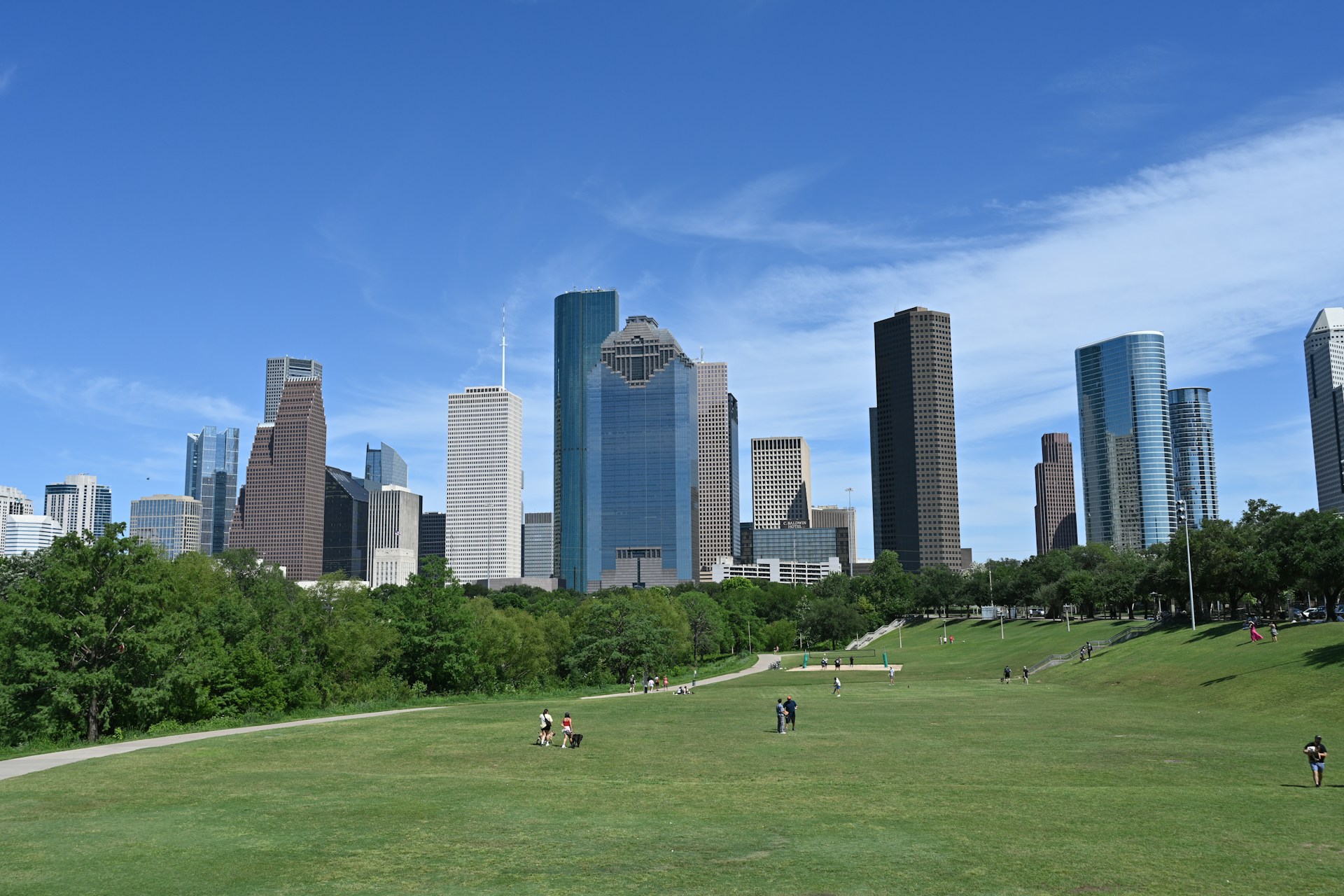
Subsidence is not a Mexican phenomenon. In fact, Jakarta, Venice, Bangkok or Houston are sinking for the same reason. But Mexico has an added problem: it has the worst possible foundations and subsidence is happening at great speed.
Mexico City was founded by the Aztecs, when the capital of the Aztec Empire (given the Latin form of Tenochtitlan) was built in the middle of Texcoco, a system of lakes surrounded by mountains. The Mexica people were the first to alter the environment, building artificial islands on which to build, under the phenomenon known as land reclamation.
 Texcoco, during the arrival of the Spanish.
When the Spanish invaded the continent, they accelerated the construction of these artificial islands, which often flooded. During the 17th century, they created drainage systems, emptying the lakes even further, a process which continued throughout Mexico’s period of independence and to date.
In the mid-20th century there were still regions covered by water, although any satellite view today will show the tragedy of the region: almost the entire lake system has been occupied. Moisture became trapped in the depths, but five centuries of pumping the aquifers is endangering the capital.
How far has Mexico City sunk?
The initial records of the city sinking date back to 1800, although the city has probably been experiencing this long term crisis for even longer. The fact that the situation has been going on for centuries may lead one to think that nothing needs to be done, this would be a big mistake.
With a constant rate of 50 cm per year since at least 1950 (when reliable measurements were first recorded), Mexico City has sunk more than 36 meters in the past 73 years. It is unclear how much it has sunk since the first buildings began, but it probably exceeds 100 meters.
Is there any way of stopping Mexico City from sinking?
If Mexico City wants to stop the city from sinking or reduce the speed at which it is sinking (it is currently accelerating), it will need to take measures such as:
● Control urban expansion and, if possible, enable people to leave the city. The water demand is directly related to the population. Unless this is reduced, there is no solution.
● Stop extracting groundwater immediately. Every liter of water extracted from the aquifers endangers the city. When the water runs out or when extracting water becomes too expensive, Mexico could go into hydrological shock.
● Where possible, allow rainwater to percolate through soil using green infrastructure such as a bioretention basin or rain garden. This is not going to replace centuries of extracted water, but each year, at least a couple of days of water extraction could be replaced, with a bit of luck.
● Impose strict restrictions on the construction of heavy infrastructure, promoting the use of light materials.
None of these are simple options and all of them are necessary in order to slow down the city’s sinking process. There are no possible scenarios in which the process could be stopped or reversed.

The underground future of Mexico City
The structures of buildings are becoming deformed and cracks are forming, sinkholes are appearing in streets, pipes are bursting, railway systems need constant adjustments and water that ends up in tunnels needs to be pumped out. This is Mexico today, and seems like it is set to continue in the future.
It costs millions each year, and that is without taking into account the long-term problems caused by the runoff pollution filtering into the aquifers. This is not going to be resolved without specific actions, and it will never be resolved if they continue to dig even deeper for water.
As indicated by the New York Times, the climate crisis is not helping Mexico’s situation. The heat island effect in the city is a growing problem, given the lack of green areas and the urban sprawl stretching for kilometers. The warmer it is, the more water the city needs. The more water that is extracted, the further the city sinks. Furthermore, the climate crisis is leading to more intense and torrential rainfall, causing soil erosion. It is a vicious circle.
According to experts, the city will take around 150 years to fully compact the subsoil, by which time the city will drop a further 30 meters, with the challenges that come with every additional centimeter. Mexico’s location with respect to the surrounding mountains, in addition to this sinking and an increasingly more compact soil incapable of absorbing the rainwater, will lead to even more frequent flooding.
It is worth ending with an interesting fact: if the valley were abandoned and absolutely everyone left, for whatever reason, in just a few decades, the Texcoco lakes would emerge, covering a large part of the human constructions.
Images | Anton Lukin, Yavidaxiu, Anton Lukin