



Author | Lucía Burbano
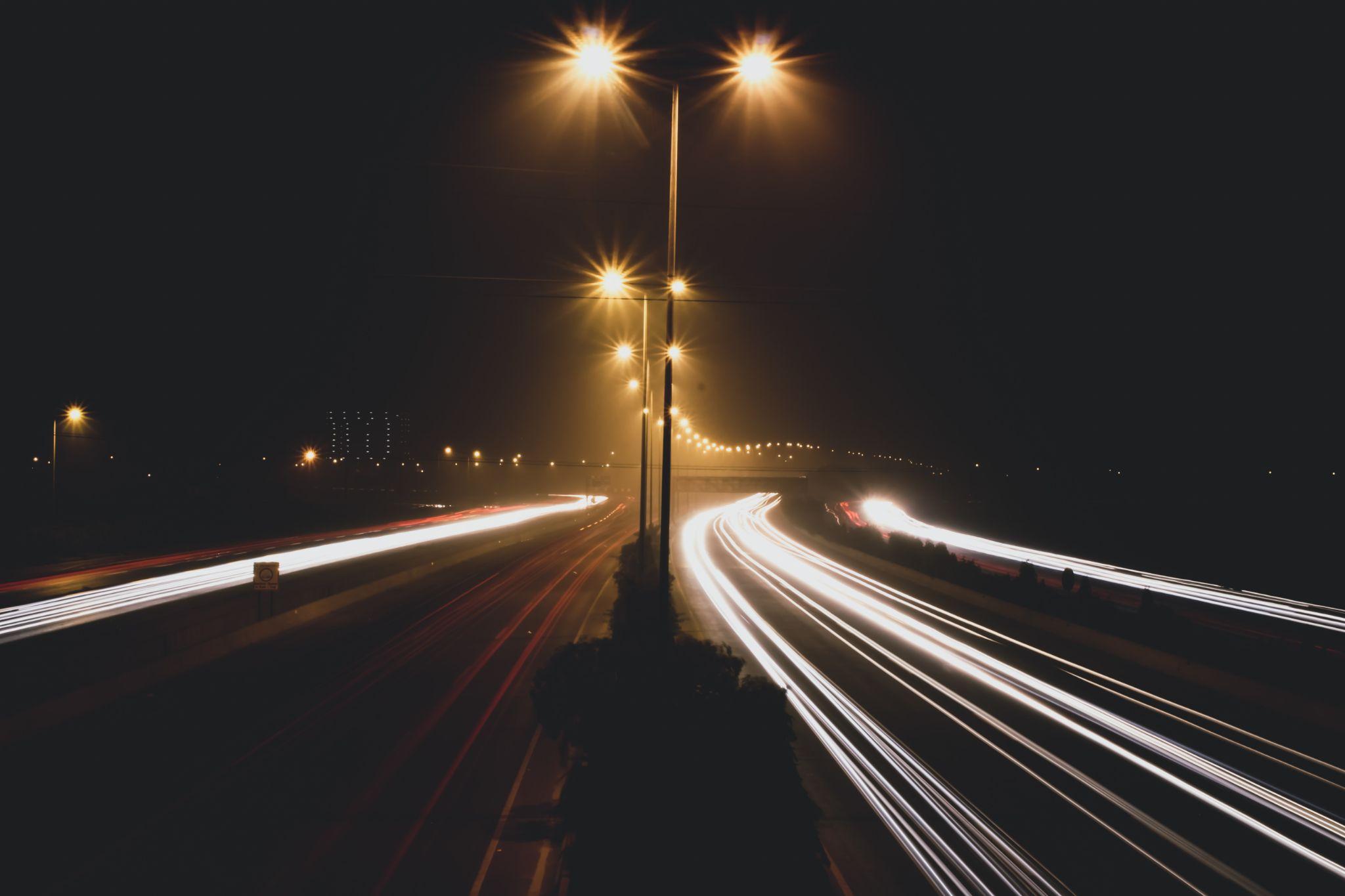
Widespread in cities, public lighting, if we add to it the ‘smart’ postscript, can integrate various sensors and telecommunications technologies to offer safer and better connected urban environments, resulting in more and improved integrated services for smart cities.
What is smart lighting?
Today cities spend more than 20% of their energy budget on lighting. However, 75% of the public lighting assets of the EU are more than 25 years old and mostly use inefficient lamps from an energy point of view.
Apart from upgrading the lighting systems with more efficient systems, some cities are going one step further and are now starting to use their streetlamps for other purposes, such as air quality control, video surveillance or to charge electric vehicles.
A smart and connected lighting system forms part of a local, wireless and decentralized grid with local or cloud-based intelligence. Data is collected from sensors on the lampposts, whether these are cameras, daylight, movements or noise detection.
The additional energy savings of smart connected lighting compared to LED lighting are at least 60% higher, ensuring a sound return on investment.
What are the advantages?

Tailor-made lighting
Initially, smart lighting was designed to resolve energy efficiency problems, since it allows the light intensity of a lamp to be modified automatically based on different variables. They can detect movement and adapt the urban lighting as a result.
Better connectivity
It can also be used as a data collection system and contribute to other public policies, such as security or mobility, improve connectivity including Wi-Fi access points or provide location-based services such as parking and smart navigation.
Real time data
The combination of sensors and databases allows lighting to be adapted in real time based on weather and traffic information, or the location of pedestrian crossings.
At the epicenter of smart cities
Smart lighting systems can play a key role in the implementation of a smart city strategy since the installation of sensors in public lighting is easier than in other urban infrastructures.
Examples of smart lighting in cities
Wipperfürth
The German city has installed a smart streetlight network that transmits local information to the mobile devices of residents and visitors via Bluetooth. By downloading an app, users can access information about local stores, special offers, information about companies, obtain help with directions and smart parking.
San Jose and Los Angeles
Californian cities use smart lighting solutions to provide mobile broadband connectivity. Light poles can be managed remotely and offer a Wi-Fi access point that improves the mobile network performance across the city. Other IoT functions can also be added.
Milton Keynes
The UK city installed an interactive streetlight with Wi-Fi outside its football stadium and events venue that has 360º LED lighting and CCTV. The system can be extended to include additional functions.
Brussels
The Belgian capital’s public lighting is currently programmed to switch on from dusk to dawn according to the solar calendar, taking into account various parameters such as the season and the location of the luminaires. Based on this information, the system schedules a reduction in the lighting levels at certain times of night.
Photographs | Unsplash/Talha Saeed, Wikimedia Commons