



Authors | M. Martínez Euklidiadas, Raquel C. Pico
If renewable energy is virtually limitless, what is clean energy? The concepts of clean energy, green energy, zero emission energy, sustainable energy or renewable energy tend to have points in common, but they are not the same. What is clean energy technology and how does it differ from the rest?
What is ‘clean energy’?
The clean energy concept first came about at the end of the 1960s to counteract dirty energy from fossil fuel combustion and nuclear fission energy. It is generally used in a techno-optimism context and associated with alternative energies.
Although the term tends to imply that there is no direct pollution or that there are no greenhouse gas emissions, all clean, green and renewable energies have some form of impact. For example, wind and tidal power affect wildlife.
Is clean energy the same as green or renewable energy?

Clean energy tends to be associated with low impact, however, it is not an established term in the way that green energy is (in the EU taxonomy) or renewable energy.
● Green energy is a regulated concept in legal terms which, in regions such as Europe, includes nuclear energy, as an example of green but not renewable energy.
● Renewable energy refers to virtually limitless sources, but not necessarily natural sources, such as biogas, a renewable energy that is not clean because it emits CO₂, although it is green because it contributes to decarbonization.
Different regions, different definitions
In the United States, the government considers clean energy to include nuclear energy and biogas, ignoring their direct waste, while its own environmental agency (EPA)excludes it. In China, the concept of clean energy coincides with low-carbon energy.
The UN often changes its renewable and clean energy labels while the International Energy Agency indicates that clean means “zero emissions”.
What are the various types of clean energy?
Although discrepancies exist between different criteria, it is possible to establish a relatively clear taxonomy of clean energies, closely resembling the list of renewable energies.. While some lists identify four main types of renewable energy, others expand the series to seven.
Considering the most popular clean energies and those requiring greater public and private investment, these are the most significant clean energy sources. These represent the primary examples of their potential:
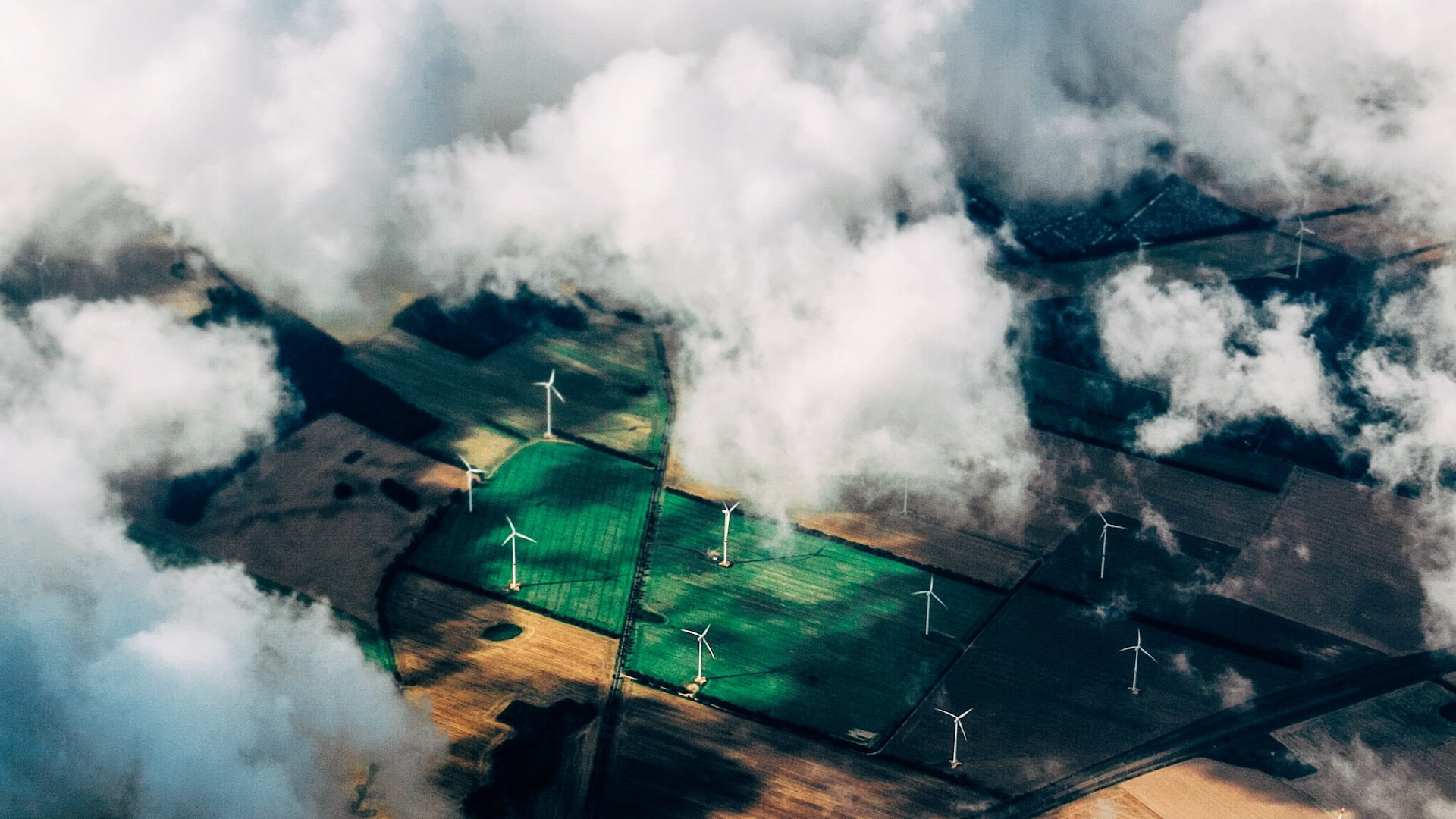
- Wind drives the blades of turbines, converting mechanical energy into electricity. It is currently the primary source of renewable energy in the European Union, for example. In addition to onshore wind power, offshore wind farms are also being developed in deep-sea areas. Offshore wind power.
- Solar power is one of the fastest-growing renewable energy sources worldwide, driven by significant investments and infrastructure development in countries like China. In this case, solar panels harness energy from the sun to generate electricity. It is also the most appealing for self-consumption, likely due to its scalability and ease of implementation.
- Hydroelectric plants were among the first energy suppliers during the initial deployment of electricity. Water courses are regaining interest because rivers, unlike fossil fuels, are not a finite resource. However, it faces criticism for the negative impact of dams on aquatic ecosystems.
Other clean energy sources, though still relatively new, include green hydrogen, a fuel produced without a carbon footprint; geothermal energy, which harnesses heat from the Earth’s core; and tidal energy, which utilizes the force of tides to generate power. The list often includes biomass energy, which utilizes organic matter in alignment with the principles of the circular economy.
‘Clean’ does not mean ‘zero impact’

All types of energy have some form of direct or diffuse impact. Often, both, which is the case with fossil fuels.
Wind and photovoltaic energies are clean renewable energies (in the sense that they do not emit CO2) and legally green in many regions, although they do have a local impact and their raw materials do generate electronic waste.
Of course, this impact per kilowatt hour generated is much lower when compared with the impact of sources obtained from fossil fuels, and it should not be used as an excuse not to generate energy from more eco-friendly sources.
In fact, there are an increasing number of studies that highlight the co-benefits derived from the deployment of renewable energies that classify them as clean. For example:
● Fields of solar panels provide shade for sheep to graze below the panels.
● The combination of solar panels and plants on the roofs of buildings helps reduce the heat island effect.
Technologies for clean energy
The International Energy Agency, in its regular reports, indicates that low carbon energy (LCE) technologies are essential in a clean transition, indicating that “more efforts are needed” and we must start to decarbonize.
In its interactive, comprehensive and complex Clean Energy Technology Guide, it indicates dozens of technologies related to decarbonization, highlighting the following in relation to energy:
● The generation of renewable sources of energy.
● The use of hydrogen as storage.
● Use of biofuel solely as transition.
● Use of heat pumps for temperature control systems, and passive heating.
● Urgent electrification of heating and transport.
● Increased system efficiency.
The positive effects of using clean energy

Although awareness of the effects of excessive reliance on dirty energy is increasing, the demand for energy remains undiminished. We consume an increasing amount of electricity, and our homes, and our daily lives, rely heavily on various devices. Similarly, the challenges of present and future cities make them increasingly dependent on energy. Embracing clean energy is a crucial component of the urban transition strategy.
Cities themselves have opportunities to adopt green energy sources. Such as geothermal energy in urban areas, which leverages the natural resources of the subsoil to supply urban areas. Boise, in the United States, uses this method to supply hot water to public buildings, while Vienna, Austria, has recently commenced drilling a geothermal well to provide heating for households.
Other cities in regions with abundant sunshine are at the forefront of solar power production. Adelaide, Australia, combines solar and wind power in its goal to become a carbon-neutral city by 2025. Meanwhile, several African cities, including Dar es Salaam (Tanzania), Harare (Zimbabwe), and Mazabuka (Zambia), are addressing rising energy demands by investing in solar infrastructure.
Additionally, there is a growing trend toward self-consumption, with an increasing number of individuals installing renewable energy technologies in their homes and buildings. In Germany, for instance, balconies and terraces in cities are increasingly adorned with solar panels, facilitated by the availability of self-installation kits.
Thus, cities and their residents are reducing their carbon footprint by prioritizing green and clean energy, while also enhancing their resilience and energy independence. This focus has become increasingly significant in recent years, as a complex geopolitical landscape has added further challenges to the energy market. Cities cannot afford disruptions in energy flows or escalating costs.
Image | Thomas Richter, Karel Vh, Kevin Kandlbinder, Jack Blueberry