



Table of Contents
Author | Lucía Burbano
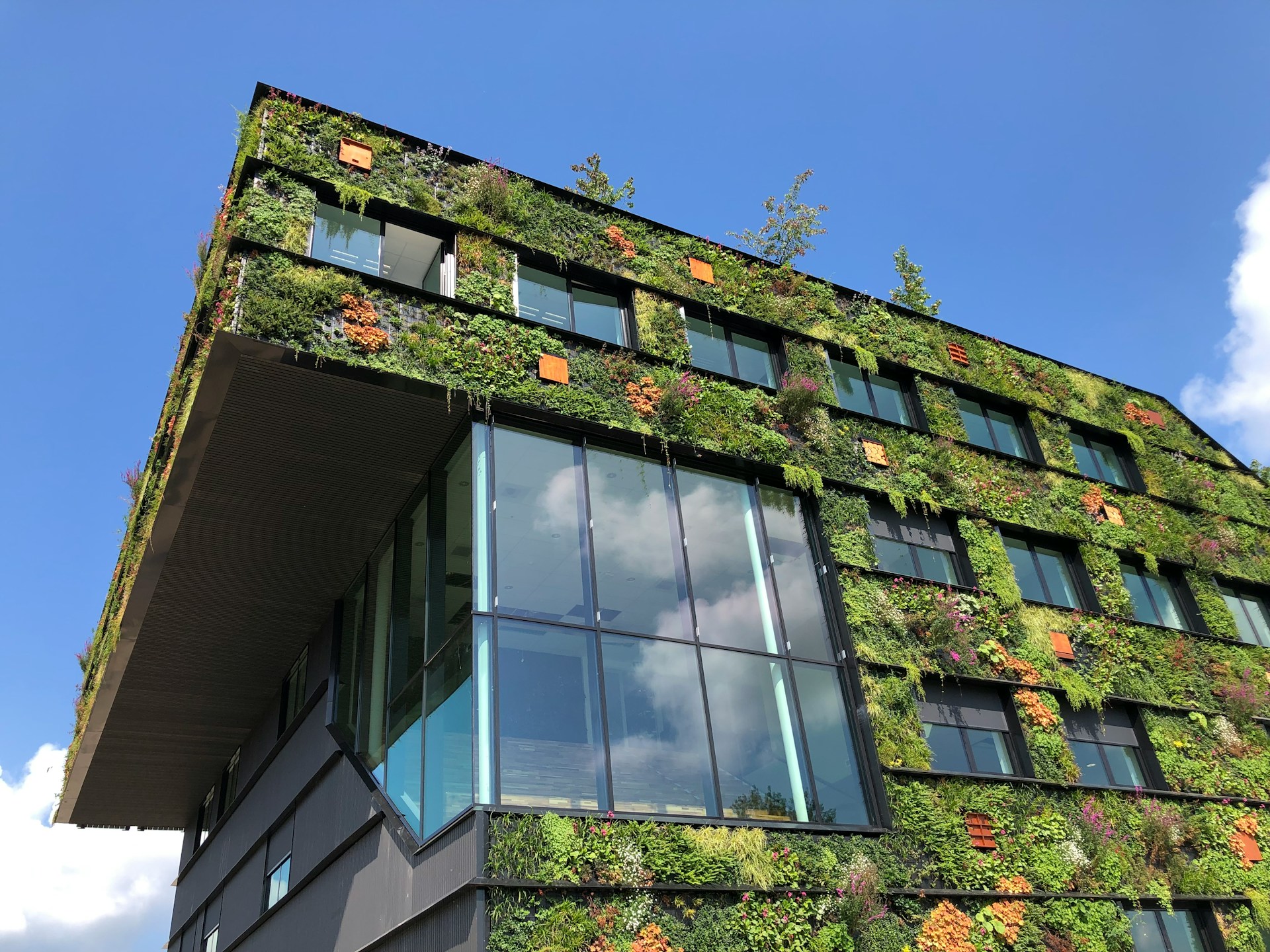
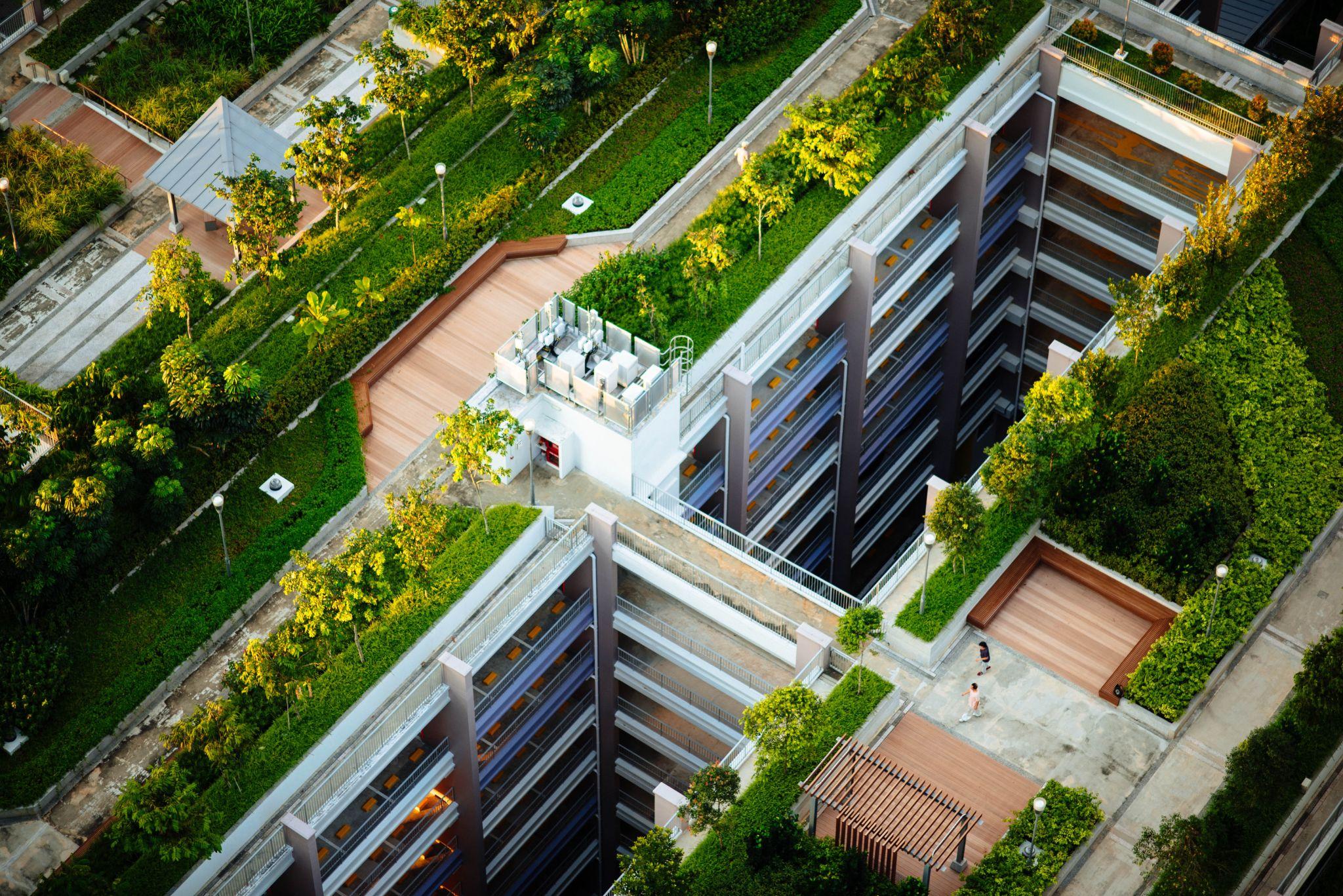
Fed up with asphalt and concrete, humans are now turning to nature to increase their wellbeing by incorporating natural elements into interiors, buildings and cities. The science of biophilic design or biophilia provides proof that life is better surrounded by plants and greenery.
What is biophilic design?
The term biophilia was coined by the psychologist Erich Fromm in ‘The Heart of Man’ and later made popular by the biologist Edward Wilson, to eventually cover diverse areas such as neuroscience and architecture. All these disciplines have one aspect in common fostered by biophilic design: the desire to reconnect with nature.
Another leading figure in the field of biophilia is the researcher Tim Beatley, who associates biophilic design and the integration of nature into urban design as an urban model capable of solving the challenges of climate change for cities.
Benefits of biophilia
● It has the ‘power’ to heal
As discovered by the researcher and Professor of architecture Dr. Roger Ulrich, when he noticed that patients in hospital rooms with views of nature recovered faster than those without such views.
● Increased productivity
Herman Miller’s greenhouse-factory of the 1990s included biophilic elements that showed increased occupant health and productivity while providing connectivity to nature.
Classic elements of biophilic design
Connection with the environment
It is about introducing elements from the natural world into the built environment. Plants, animals, natural materials, colors or water strengthen the connection with nature.
Natural forms
These can be represented both outside and inside, and include forms and shapes inspired by plants or animals.
Light and space
The use of light and space is a crucial element of biophilic design. Both natural and filtered daylight can provide benefits, while space can be used to create a sense of openness, diversity and harmony. Singapore’s Changi Airport is a prime example of this approach at large scale.
Olfactory sensory stimuli
According to Terrapin’s 14 patterns of biophilic design, there are studies that prove that olfactory exposure to forests and phytoncides have a positive effect.
Examples of biophilic design in architecture and interior design
Shui On WorkX, Shanghai
Shui On WorkX is a creative and innovative working/social environment designed by M Moser & Associates as a relaxing natural ecosystem that includes a digital waterfall, natural light and organic furniture.
Casa Atibaia, United Kingdom

Inspired by the "Glass House" designed by the architect Lina Bo Bardi, Casa Atibaia is a property designed by Charlotte Taylor and Nicholas Preaud adapts nature to their design with protruding boulders used as accent walls and furnishing elements such as bookcases or bed headboards.
Examples of biophilia in urban planning
Vitoria, Spain
In 2013, Vitoria-Gasteiz joined the biophilic city network with a display of successful projects and interventions that comply with the biophilic urban design principles. The city has 50,000 plants made up of 381 species of trees and shrubs, including tree-lined streets and avenues connecting urban biodiversity.
Austin, United States
Among the numerous projects that form part of nature in the city, the Balcones Canyonlands Preserve offers protection for two species of two migratory songbirds or six cave-dwelling invertebrate species. As well as protecting the habitat of endangered species, it also does so for numerous plants and contributes to improved air and water quality for its residents.
Photographs | Unsplash/CHUTTERSNAP, Nicholas Préaud Architecture