Table of Contents
Author | M. Martínez Euklidiadas
Adapting urban environments to the climate crisis is becoming increasingly urgent with every passing decade, which is why associations such as C40 Cities Climate Leadership Group, ICLEI-Local Governments for Sustainability or World Mayors Council on Climate Change (WMCCC) are becoming more active.
With longer periods of drought, more unpredictable and violent floods, rising sea levels and prolonged cold and heat waves with little or no warning, climate change adaptation is becoming essential in order to reduce the negative impact of it and prevent it from going even further. How can we adapt to the future?
Asian cities are going underground to get cool
Heat levels in China have broken all records in recent years. This is why various Chinese cities have opened their underground air raid shelters for residents to escape from the heat. Cities such as Chongqing have had to install areas where residents can sit down, get something to drink and even watch television. In Hangzhou and in Nanjing they have used their metro stations to combat the heat. This ‘escape underground’ may be interesting for cities that are not able to cool their upper layer.
European cities are planting green areas
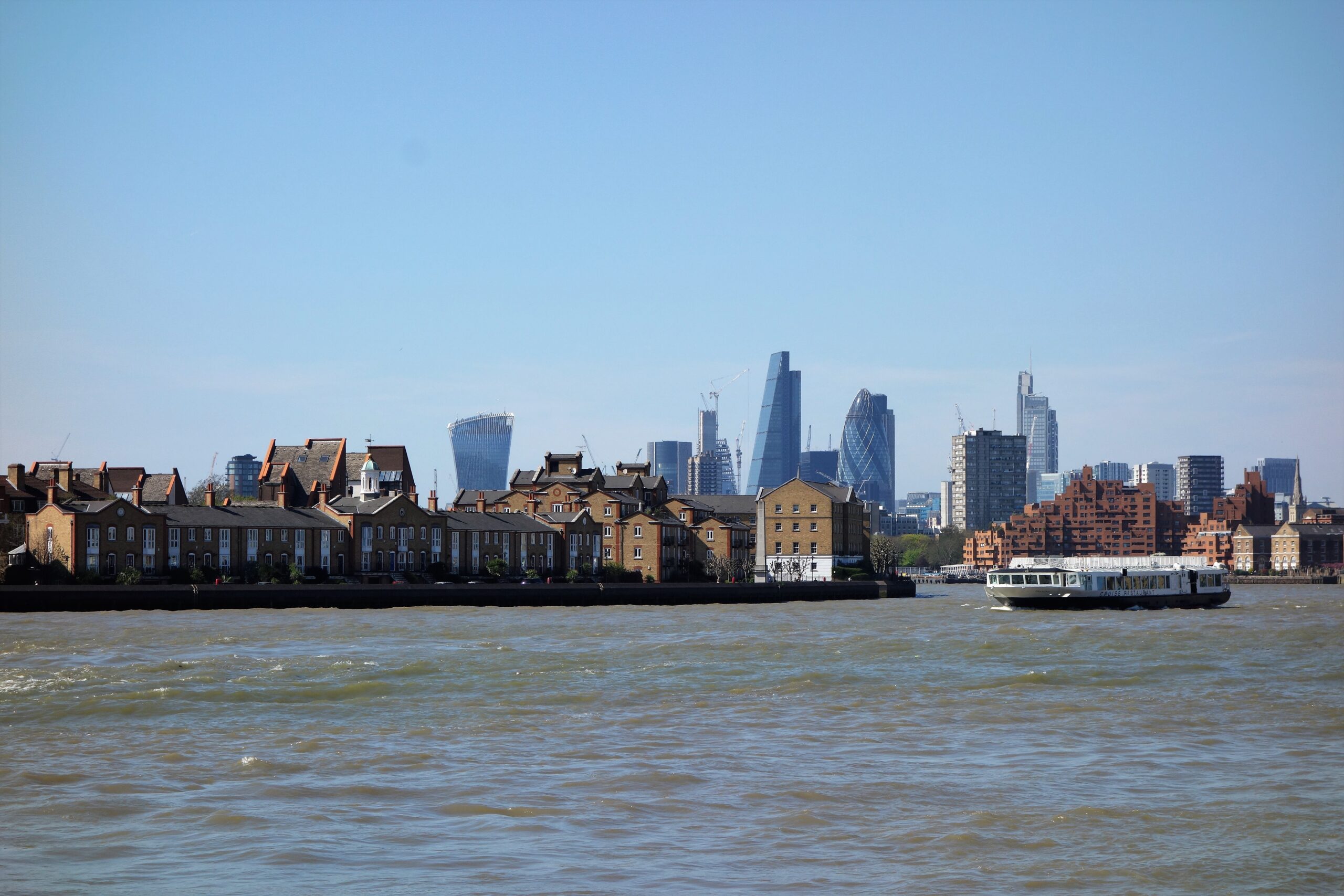
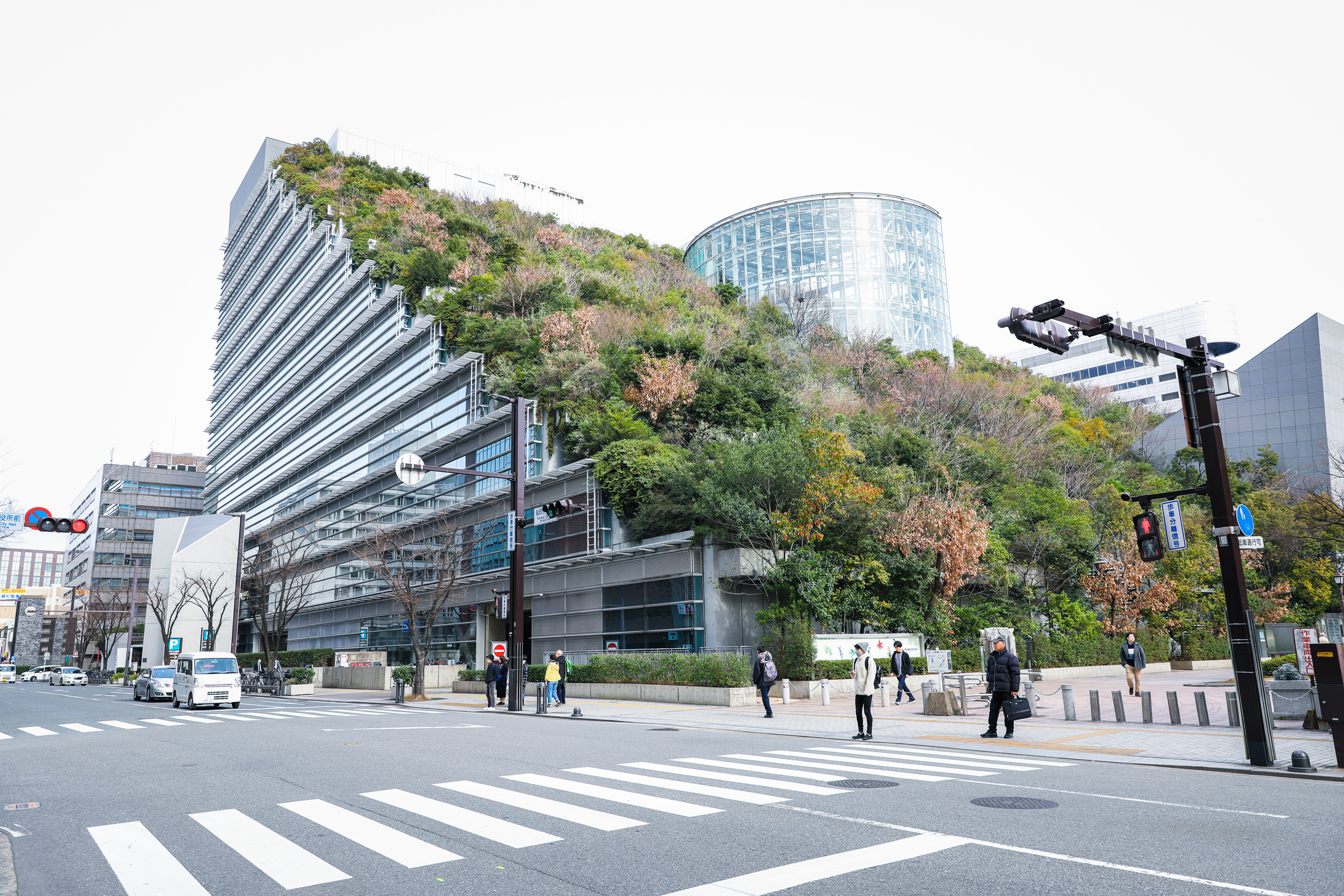
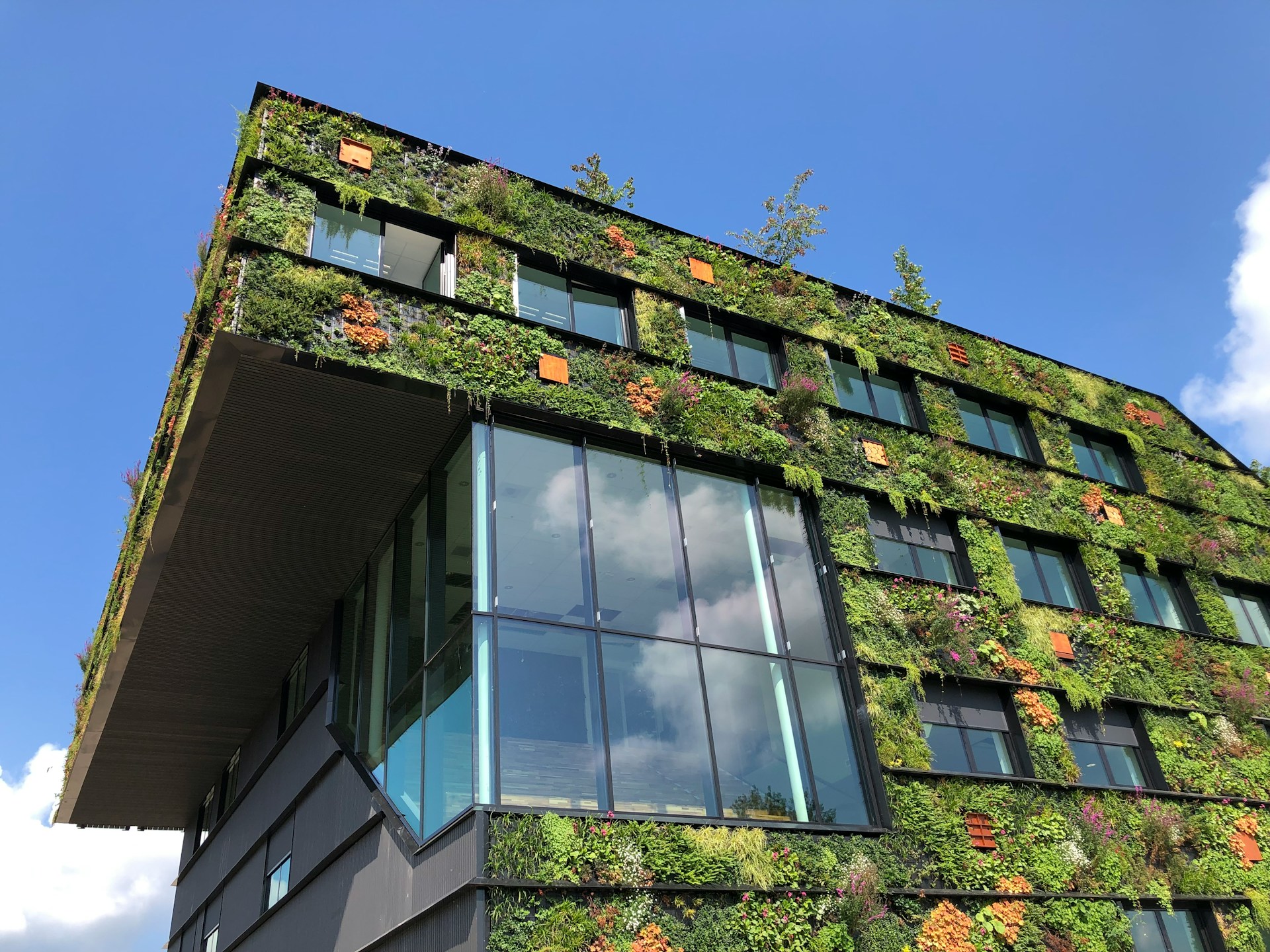
Following the EU strategy on adaptation to climate change, the richest cities in the world and the continent are re-greening their environments and areas. London is protecting its countryside with a greenbelt and Madrid is doing the same thing. Tallinn was officially named the European Green Capital for 2023 due to its green infrastructure investment policy.
American cities that are working with water
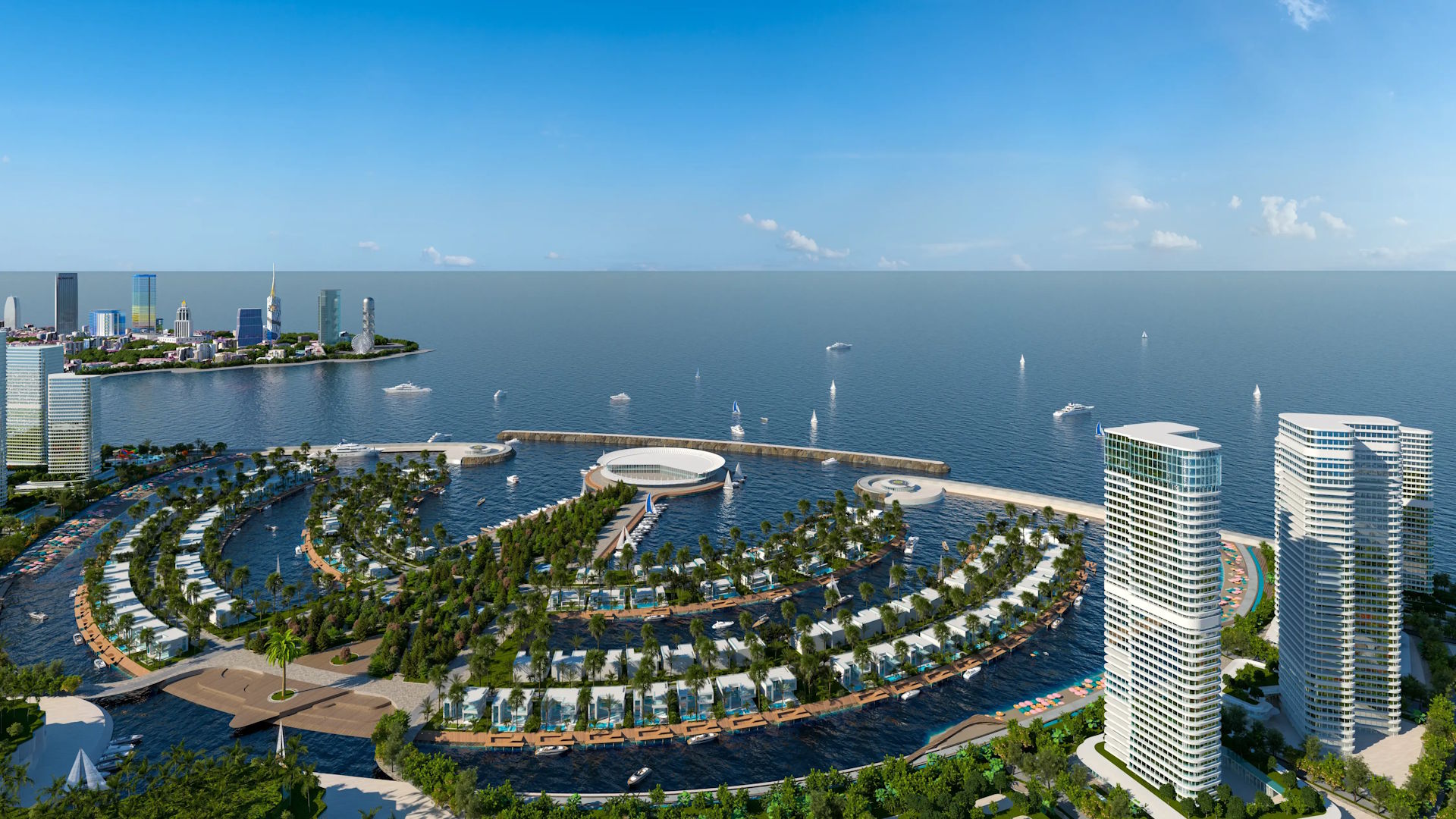
Working with water, not against it, has been an essential change of mentality. In 2023, Montreal received the Living Green for Water award for its water policy. Hundreds of kilometers to the south, across Arizona or New Mexico, rock detention structures are emerging to reduce the speed of water and re-green drylands. In Lake Worth Florida and the Panama Bay, they are restoring mangroves to protect the cities from rising seas.
African cities in search of biodiversity
For several years now, Cape Town has been consolidating itself as the city with the highest number of species observed by the public, earning itself the recognition as the most biologically diverse city in the world. Lilongwe, the capital of Malawi, is working hard to conserve its bats, which are a fundamental component of its ecosystem. The suburbs of Kampala are increasingly green, because the city understands the importance of vegetation coverage and other species in its citizens’ lives.
In this short article, we have tried to take a global look across continents to see what their cities are doing, although the strategies are present in cities across all continents and there is no universal remedy. Despite adaptation being mandatory, the primary aim must be to put a stop to greenhouse gas emissions and then at least reduce them by 8% each year.
The UN’s Practical Guide to Climate-resilient Buildings & Communities, the Global Bank’s Guide to Climate Change Adaptation in Cities or the C40 ‘Toolkit for Urban Planners and Adaptation Specialists’, are some of the most relevant documents, despite all saying the same thing: minimum urban density to favor public transport and walk/cycle, more green areas, more shade, more water.
Images | Joshua Tsu
Tomorrow.Building World Congress (7-9 November 2024, Barcelona) is the new global event empowering the green and digital transition of buildings and urban infrastructures. Celebrated in parallel with the Smart City Expo, it’s a sector-focused summit gathering the most forward-thinking brands and experts disrupting urban construction. Discover more here.