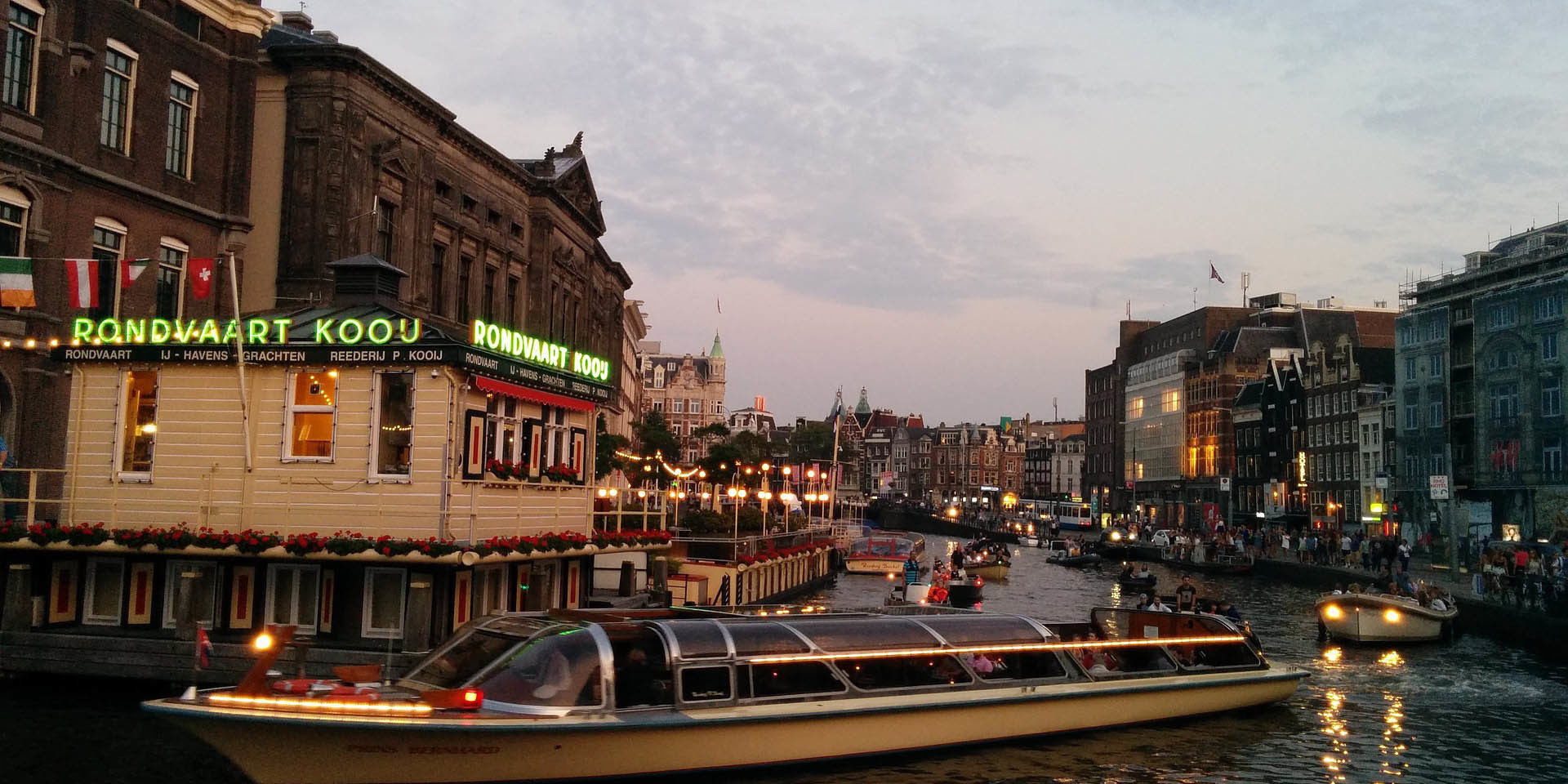




Author | Eduardo BravoOne of the goals of smart cities is resource optimisation and energy efficiency. However, today many cities still light up their streets using timers or ambient light sensors. These devices do cut down the length of time the lights are on, however, they do not control the intensity of the lights. This means, regardless of the number of vehicles or people present, the same light intensity is maintained everywhere and at all times.Apart from the unnecessary use of energy, it also causes added wear and tear on infrastructures and generates light pollution that seriously interferes with citizens’ rest and endangers the health of plants and wildlife in the area.Citizens have taken this situation very seriously, so much so that, according to a survey conducted in the Netherlands, 61% of the survey respondents would like to see the intensity of public lighting reduced at night. The problem arises when it comes to achieving a balance between lighting and the safety citizens who, for pleasure or necessity, walk through the streets at night.In order to solve these problems, Luminext has developed a new urban lighting system, which regulates its light intensity based on the needs of citizens. The system, which can be programmed remotely from a control centre, enables the city’s authorities to choose to reduce the intensity of specific streetlights depending on the areas in which they are located.Thanks to movement sensors and traffic density, the streetlights reach their maximum intensity when people or vehicles pass through their area of influence, returning to the lowest intensity point when less visibility is required. Police departments and traffic offices can also increase the maximum intensity of the streetlights in the event of an accident or an emergency.Of all the possibilities offered by this system, however, the most striking is that implemented in the Atlas Park, located in the Port of Amsterdam. Thanks to the GeoLight mobile application, citizens themselves that walk, run or cycle through that particular area of the city, can control the intensity of the streetlights from their smartphones. This allows them to improve visibility, thus creating a safer environment for citizens and, once they have passed the streetlights, the light intensity drops.All the streetlights in the port are equipped with LED technology and are powered with solar panels and wind turbines, which in turn allows them to be independent from the general power grid in optimal conditions, which therefore also saves money on wiring and infrastructures.The benefits are such, that the authorities have decided to gradually extend the project. There are currently around forty streetlights than can be controlled via a mobile phone, however, in the coming months, they will be installed in the remaining areas of the port and, later, in other areas of the city.Images | Cuetor59 Na4ev Romedius33 Skitterphoto


Climate Resilience: 4 Key Areas Cities Are Focusing On
Energy & Environment