



Table of Contents
Authors | Esther Fuldauer, Raquel C. Pico
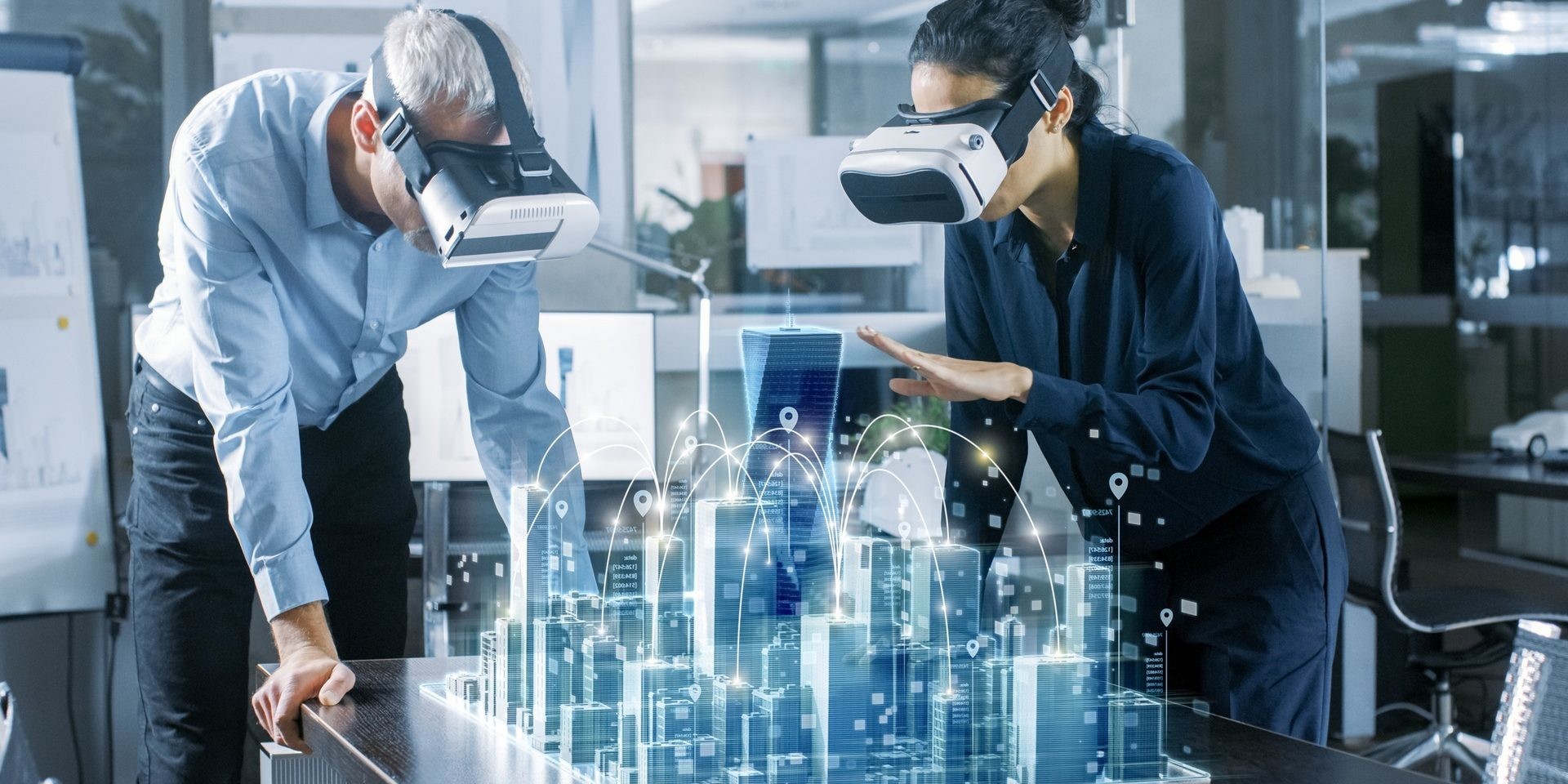
There’s a new buzzword in smart cities: Digital Twin. Digital twins are hot -but they are not new. They have been around since the early 2000s, but it has only been until now that they started to be affordable thanks to the Internet of Things.
The technology behind a digital twin
Originally developed in enterprises as 3D digital replicas of physical assets, they were used for testing, planning, and monitoring. Sensors and data analytics, along with AI, machine learning, and drones, now feed them real time information, bringing these digital models to life. They have since evolved into increasingly complex representations of their physical counterparts, no longer limited to isolated objects but expanding into full systems of interconnected elements.
Digital twins are another piece in the integration of technology into cities. Smart cities use big data and are part of the fourth industrial revolution, with cutting edge tools that allow them to better understand their context and refine their urban planning.
What is a digital twin for?

One of humanity’s recurring fantasies is having a direct view of what the future will bring. This idea has been explored in science fiction and has led people to trust all kinds of solutions and beliefs over the centuries. The digital twin in a smart city enables this in a reliable and secure way, entirely based on data. It is a constant record of the state of things, but also of what could happen in the future, from the near term to the distant horizon.
Benefits for smart cities
In the realm of smart cities, a digital twin is a virtual model of a city, a replica of the physical world. They are rapidly becoming indispensable tools to visualize the pulse of the city in real time with layered data sources of buildings, urban infrastructure, utilities, businesses, movement of people and vehicles.
As noted in a joint study by researchers from Australian and Emirati universities, “they enable the identification of failures in processes, the simulation of unexpected scenarios, and the analysis of system responses for effective risk mitigation.” If we could test everything in a virtual model before implementing, it would lower costs and the chances of failing in the real world.
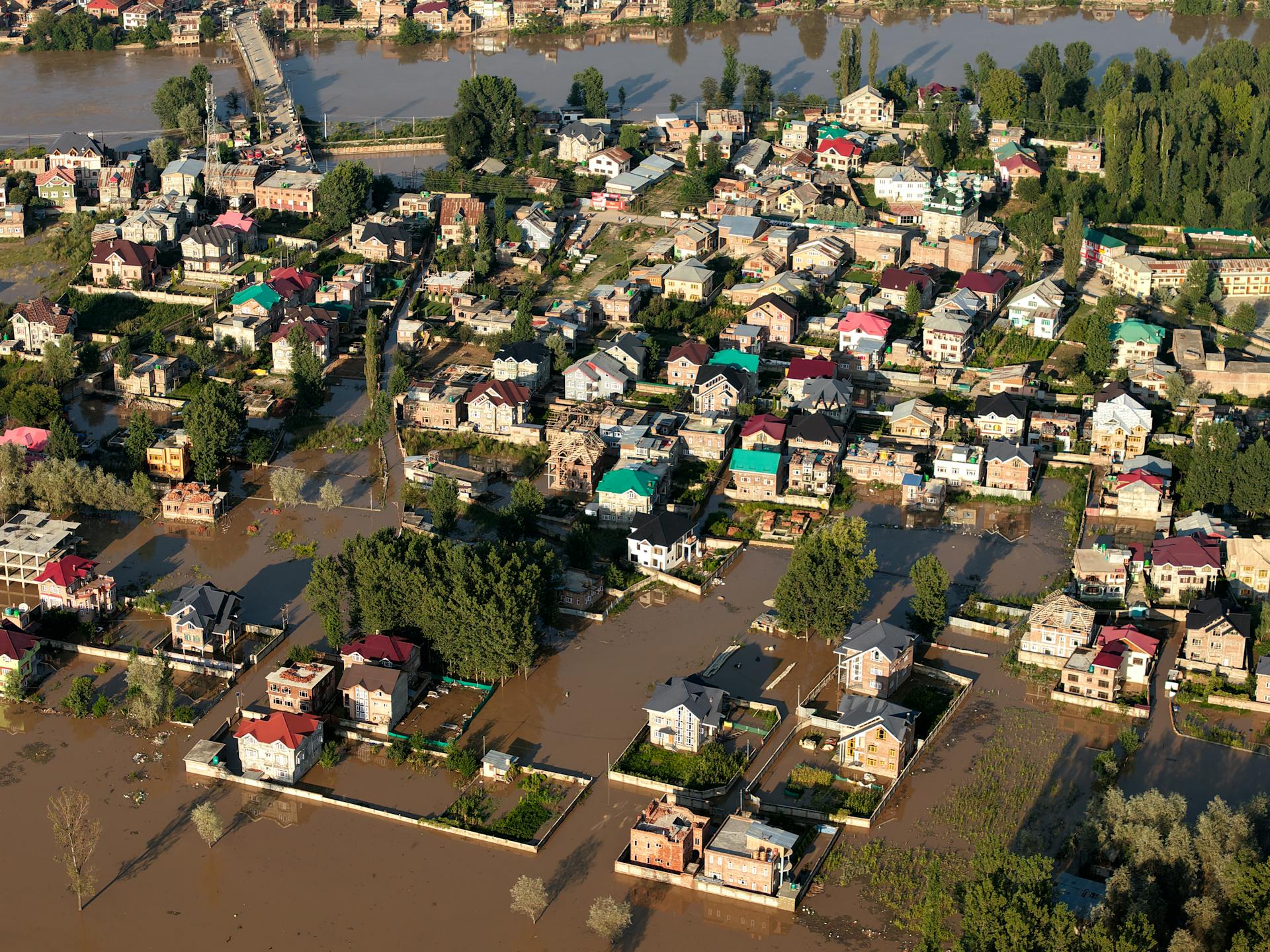
Testing and prototyping can improve a city’s resilience dramatically. By having real-time information of any emergency, planners could allocate resources, plan for operations and optimize traffic, which would improve by itself many other urban systems. A good example would be its use by first responders like firefighters. In the case of fire, they could have access to the 3D model of the building. With the aid of Augmented Reality and AI, firefighters could know where people are and how to predict fire’s behavior.
A digital twin of a smart city goes beyond the sensorization of 3D models becoming an urban platform for application development which can serve many different stakeholders. Cities then can become more democratic by having a vision of what is lacking in each community, improving their environment and their services. With open data and developing APIs that all stakeholders agree to, anyone with the proper permissions can access and develop apps for the platform creating bottom-up solutions.
Success stories in urban digital twins
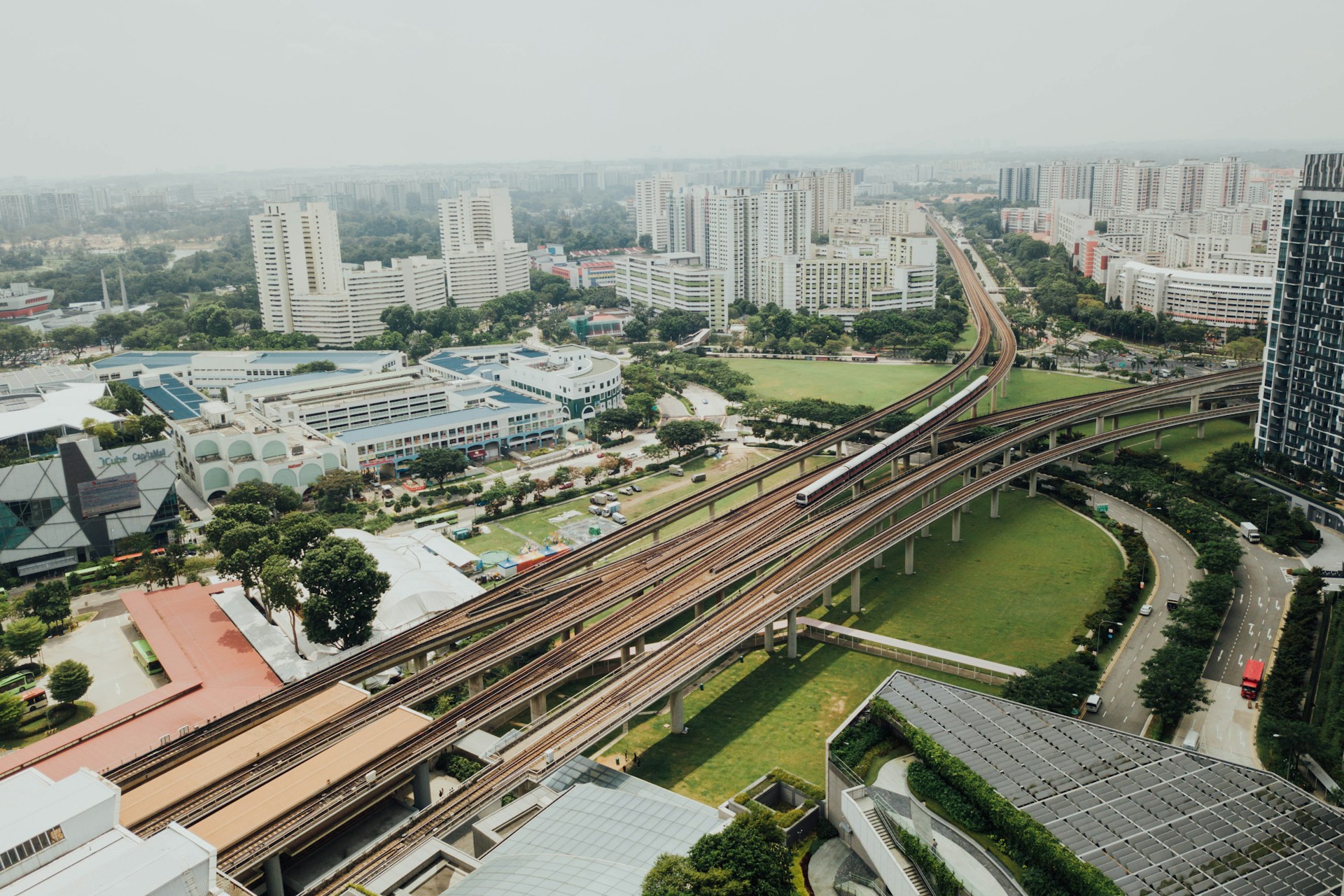
One of the standout success stories in the use of digital twins in smart cities is Virtual Singapore, a project overseen by Dassault Systèmes using its 3DEXPERIENCE platform for the city of Singapore. The project offers four main capabilities to stakeholders: Virtual experimentation, test-bedding, decision-making and research & development. Another example is Helsinki, which uses a digital twin to assess the sustainability of buildings before they are developed. Rotterdam has integrated a digital twin into its flood prevention efforts, and Seoul uses one to model urban mobility patterns.
In other cases, digital twins are already integrated into the very creation of cities, as seen in Amaravati, the capital of the Indian state of Andhra Pradesh. This smart city will be the first city born with a digital twin. The initial 3D prototype of the city was built using Cityzenith’s Smart World Pro software. “Everything that happens in Amaravati will be scenarioized in advance to optimize outcomes, and adjusted on the fly to keep pace with change. This represents a giant leap forward for cities, how they’re designed, built, and managed, and how they optimize their relationships with the private sector and their own citizens,” explains Michael Jansen, CEO of Cityzenith.
A growing presence as a key tool in smart cities
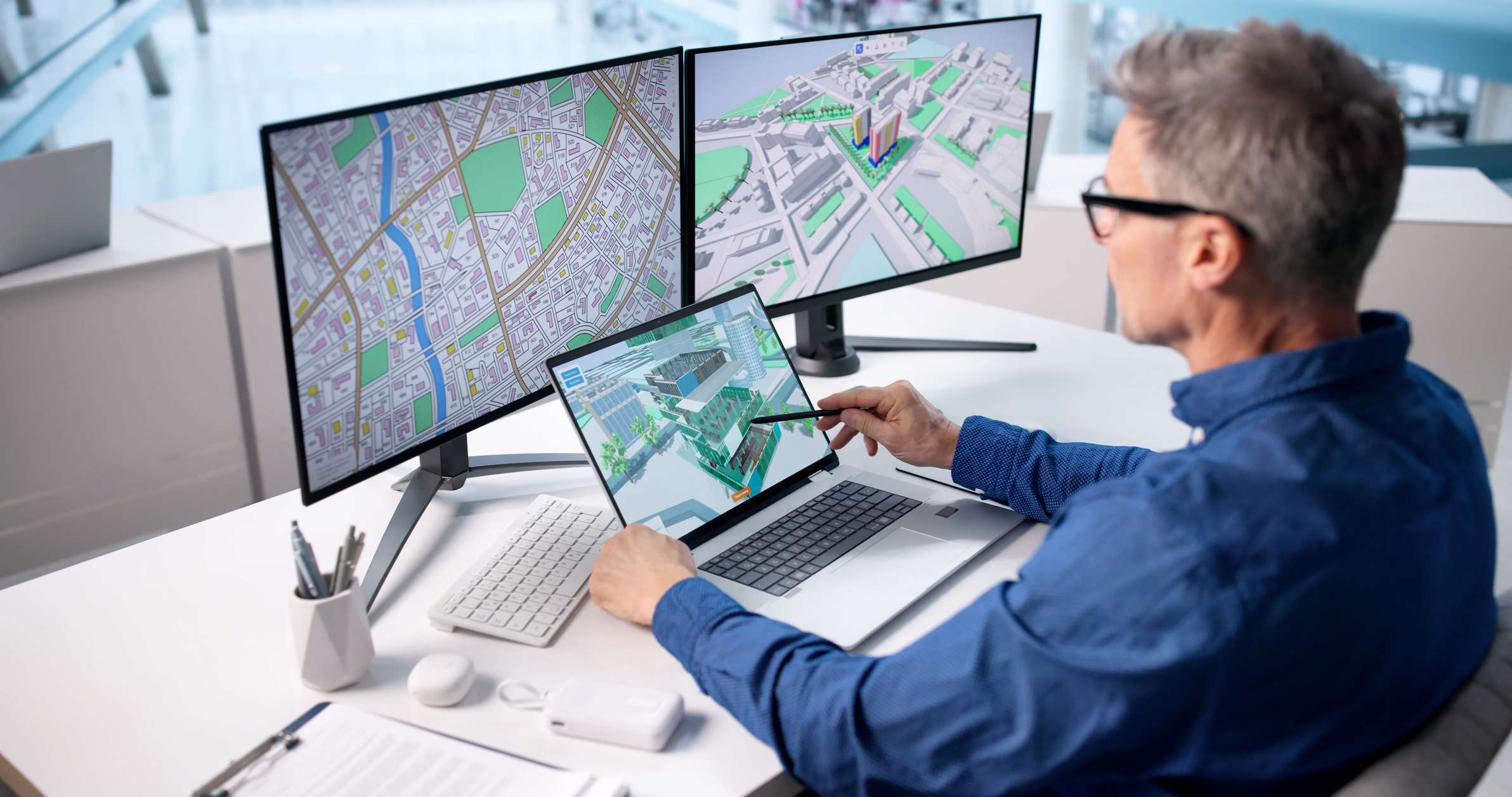
These examples are just the beginning of the growing and increasingly comprehensive presence of digital twin technology in smart cities. Smart cities have integrated it as a fundamental element of their digital transformation. While in 2018 Gartner identified digital twins as one of the year’s major technological trends, they are now well known and firmly established. So much so that the city digital twin market reached $7.2 billion worldwide in 2024 and is expected to reach $48.6 billion by 2033, according to estimates by Market Intelo. Urban population growth and the need for sustainable urban management are driving their market adoption.
All of this also aligns with the need to establish patterns that enable a sustainable and connected future for urban environments. Smart cities aim to be greener, more people centered, and more resilient. Urban digital twins will help them achieve these goals.
Frequently asked questions about city digital twins
In summary, these are some of the key questions about digital twins in smart cities:
What is a digital twin?
A digital twin of a smart city is a virtual replica of the real city: it acts as a digital mirror of what is happening in the urban environment and its characteristics. This makes it possible to replicate in real time what is happening and to conduct complex analyses based on that data.
What are the main benefits?
The benefits of digital twins are numerous, as they allow cities to anticipate almost any situation. Beyond showing what would happen under different scenarios, they support better decision making, improve efficiency, reduce costs by avoiding ineffective paths, and help identify strengths and weaknesses in the urban system.
How do digital twins improve urban planning?
Around 60% of investment in urban digital twin technology is already directed toward urban planning and infrastructure management. This highlights their impact in these areas. By simulating possible scenarios, they make it possible to account for different variables, anticipate problems, and make better decisions.
How widespread are they in smart cities?
Markets in North America and Asia Pacific lead investment in these tools, but their presence is steadily increasing worldwide.
What are the challenges of digital twins in smart cities?
Although their potential is extremely high, their risks and challenges should not be overlooked. Critics point to a lack of transparency around these technologies and their uses, as well as potential risks related to privacy and governance, particularly if smart cities become closed technological ecosystems “The most important consideration is not what the technology does, but who it does it to and who it is for,” architect and researcher Pau Olmo told El País newspaper.
Images | María Noel Rabuñal Cantero/Unsplash, ithinksky/iStock, AndreyPopov/iStock