



Table of Contents
Author | Lucía Burbano
The sustainable, technological and connected cities of the future are here right now and they can be visited. Some of them, at least. For the rest, we will still have to wait a little, but for now let’s take a look at a small selection of some of the most interesting ones.
Characteristics of futuristic cities
Beyond a science fiction inspired aesthetic, cities looking toward the future take advantage of advanced technology to optimize aspects such as the following:
Smart infrastructure
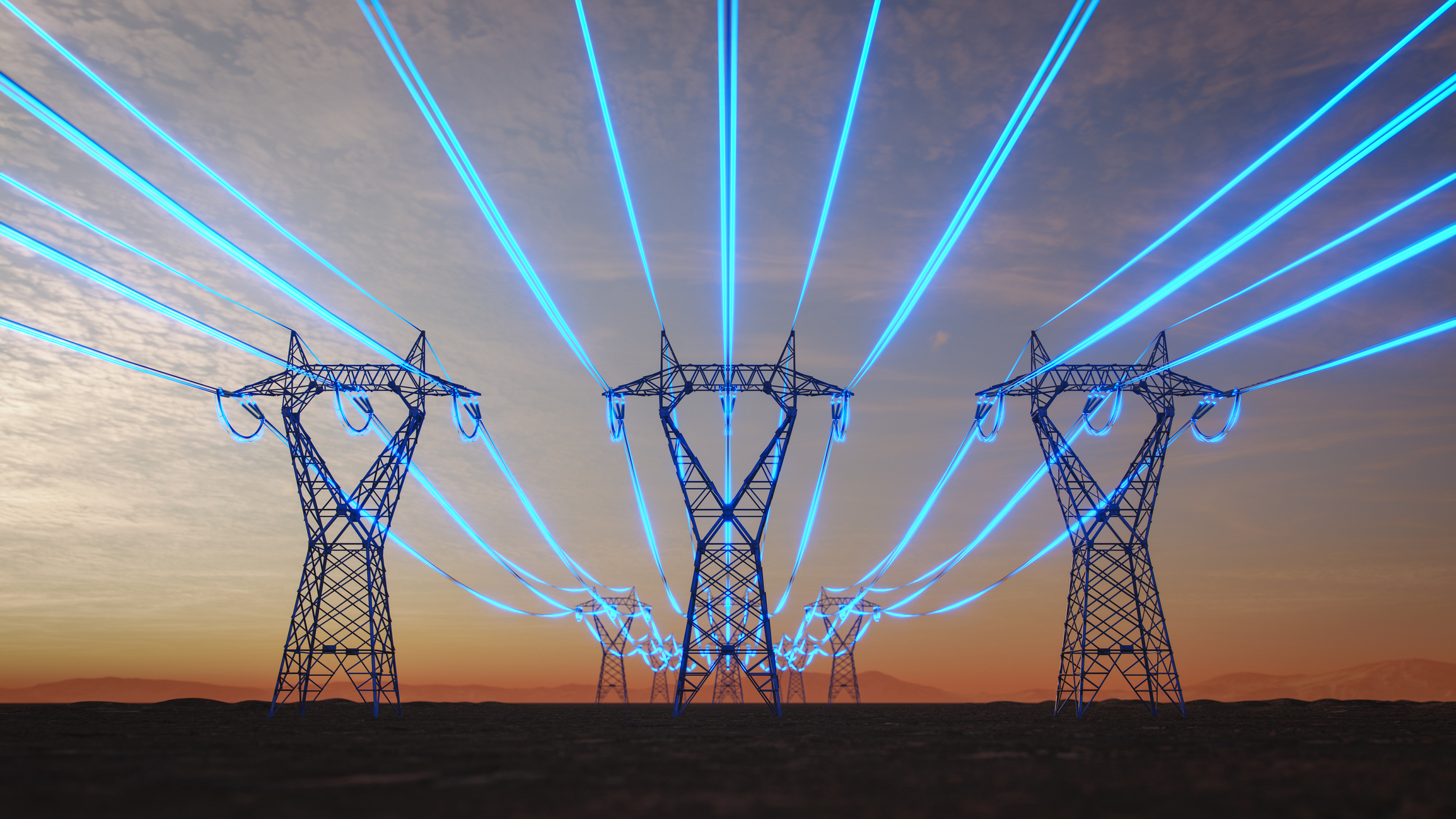
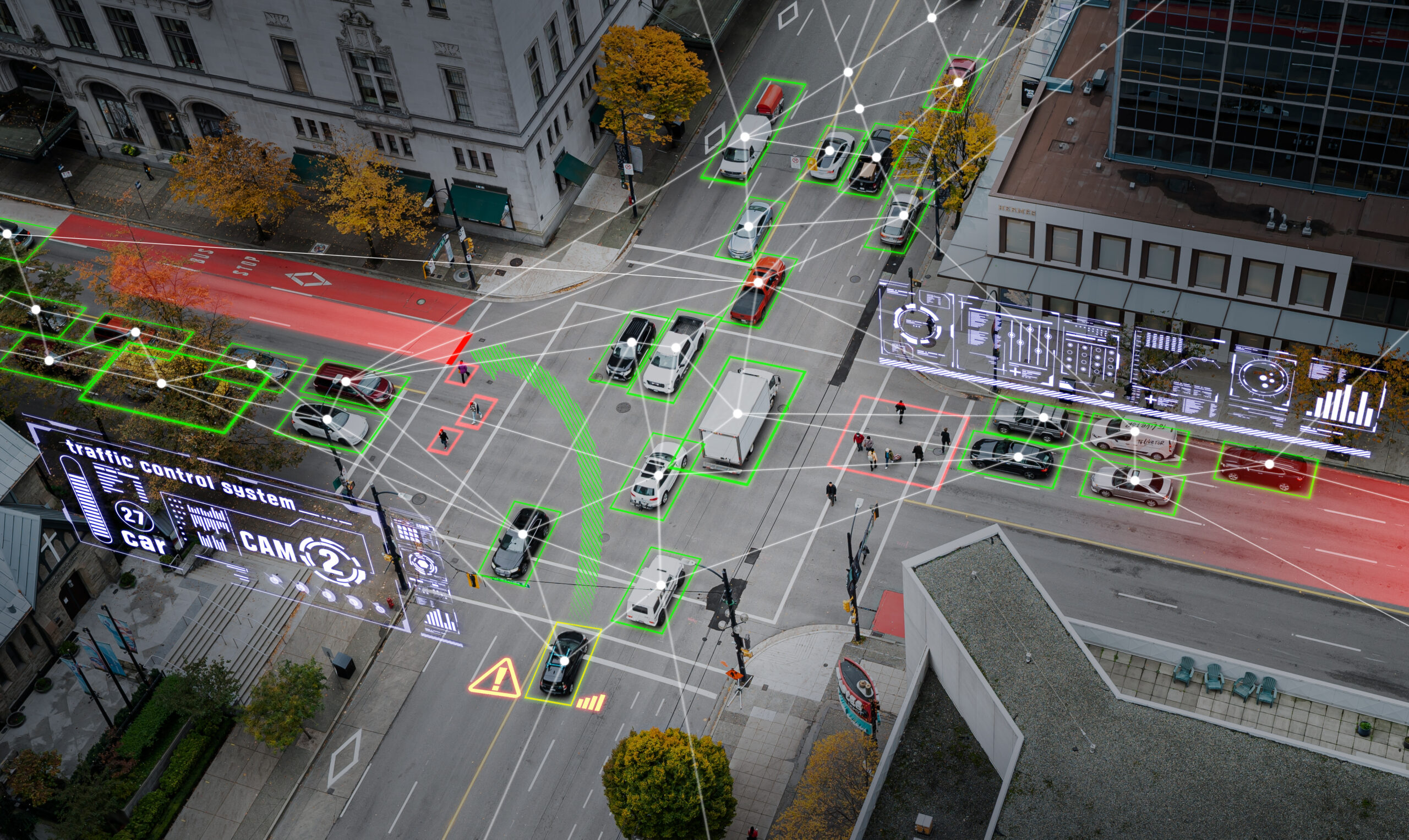
Futuristic cities collect and use real time data to optimize urban infrastructure through adaptive traffic lights, traffic and pollution sensors, smart electrical grids, and automated public lighting.
Smart cities such as Singapore and Seoul stand out in these areas.
Advanced mobility
The cities of the future aim to reduce dependence on private cars while strengthening autonomous vehicles, urban networks that integrate public transport, personal mobility vehicles and pedestrians, logistics drones, and air taxis.
Shenzhen, for example, has one of the largest urban electric vehicle fleets in the world.
Resilient design
The cities of tomorrow are also preparing for climate change, energy crises, water management challenges, and pandemics. As a result, floating city designs, self-sufficient districts, and modular infrastructure are becoming more common.
Advanced architecture
These are buildings designed to be efficient and adapt to the challenges of climate change. They are characterized by dynamic façades, bioclimatic elements, and smart materials. Examples include Marina Bay Sands in Singapore and the Museum of the Future in Dubai.
Integration of AI and automation
Futuristic cities use artificial intelligence to manage multiple urban layers such as security, energy consumption, transportation, and governance.
Digital hyperconnectivity
5G and 6G networks, the Internet of Things, and distributed computing allow cities to function as urban operating systems.
Futuristic cities that you can visit right now
Shenzhen: the push to ‘urbanize’ the sky
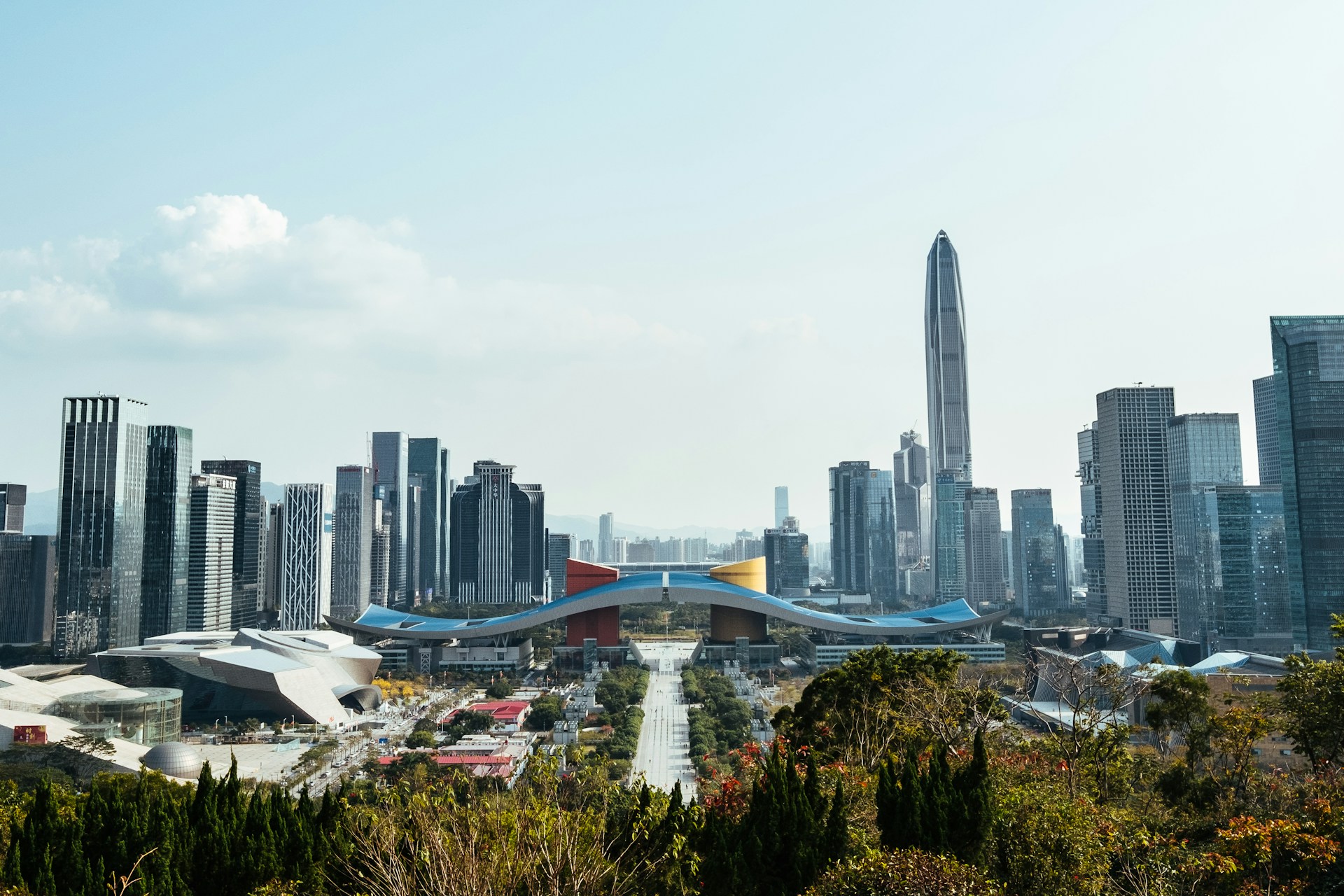
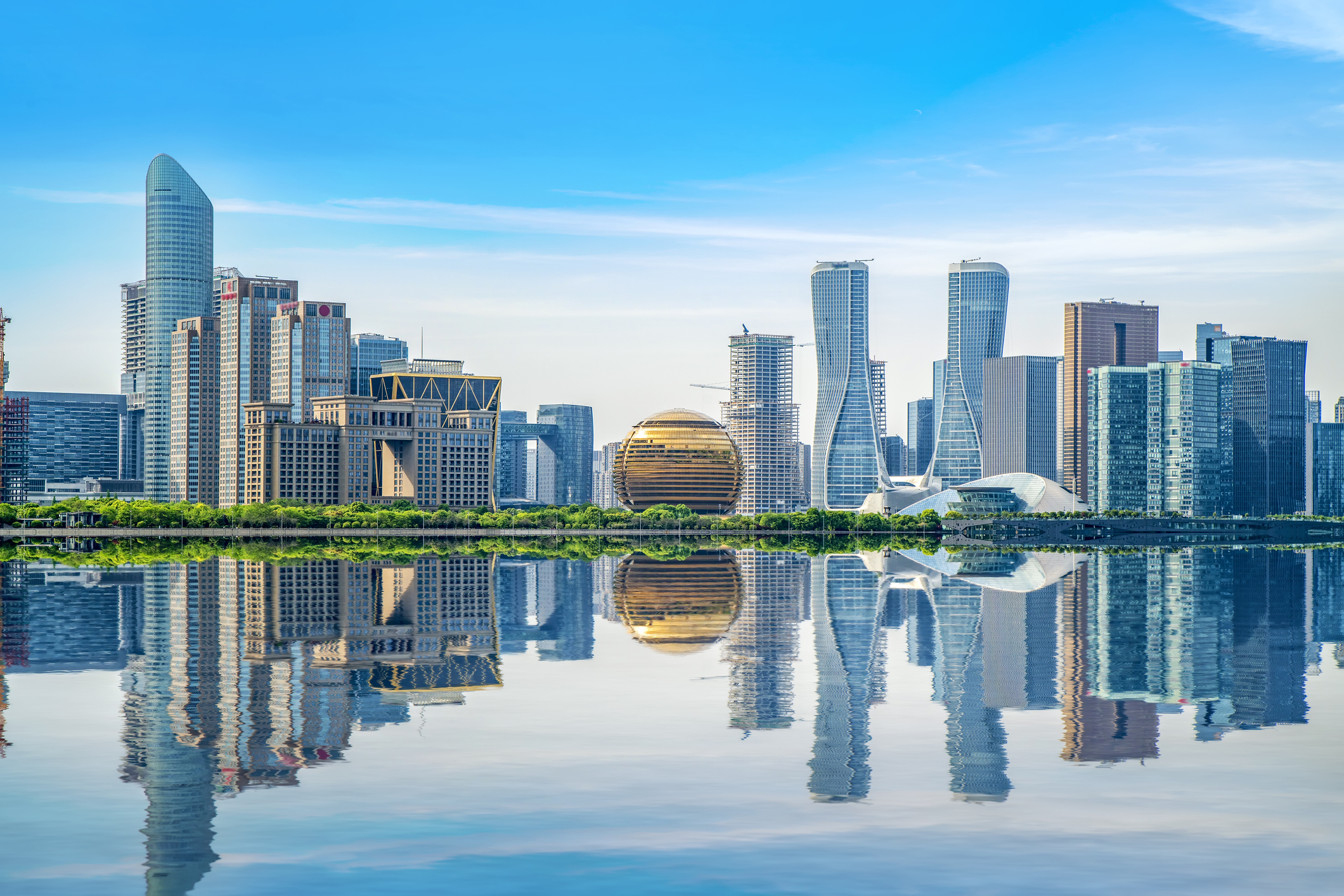
The transformation of Shenzhen over just four decades has made it one of the world’s most advanced urban laboratories. The city is known for aerial projects such as its massive urban drone network, which includes delivery robots, experimental air taxis, and distributed takeoff platforms that have already exceeded the 1,200 planned for 2026.
In February 2024, Shenzhen approved China’s first local legislation facilitating the rollout of drone logistics and delivery routes while laying the groundwork for urban air mobility.
Singapore: the future is green
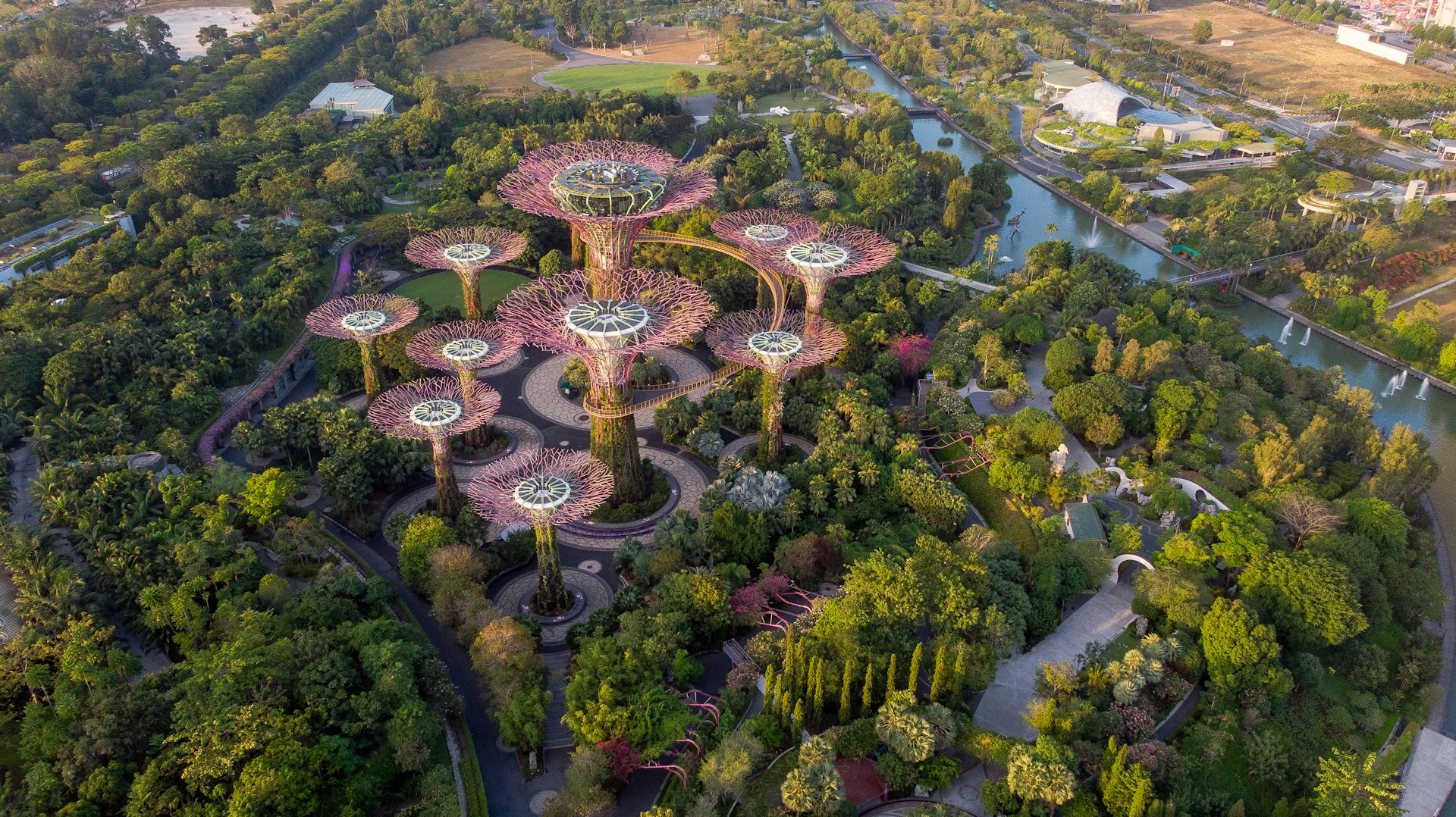
The most eco-friendly city in Asia, according to the Environmental Performance Index, sustainability is at the heart of Singapore’s vision of the future.
A recent standout example is Tengah, Singapore’s first smart and sustainable town, featuring a centralized cooling system managed by the national power grid operator SP Group.
Its features include bioswales and bioretention basins that collect and filter rainwater before storing it for reuse within the complex or directing it toward reservoirs.
Masdar, a smart city based on renewable energies
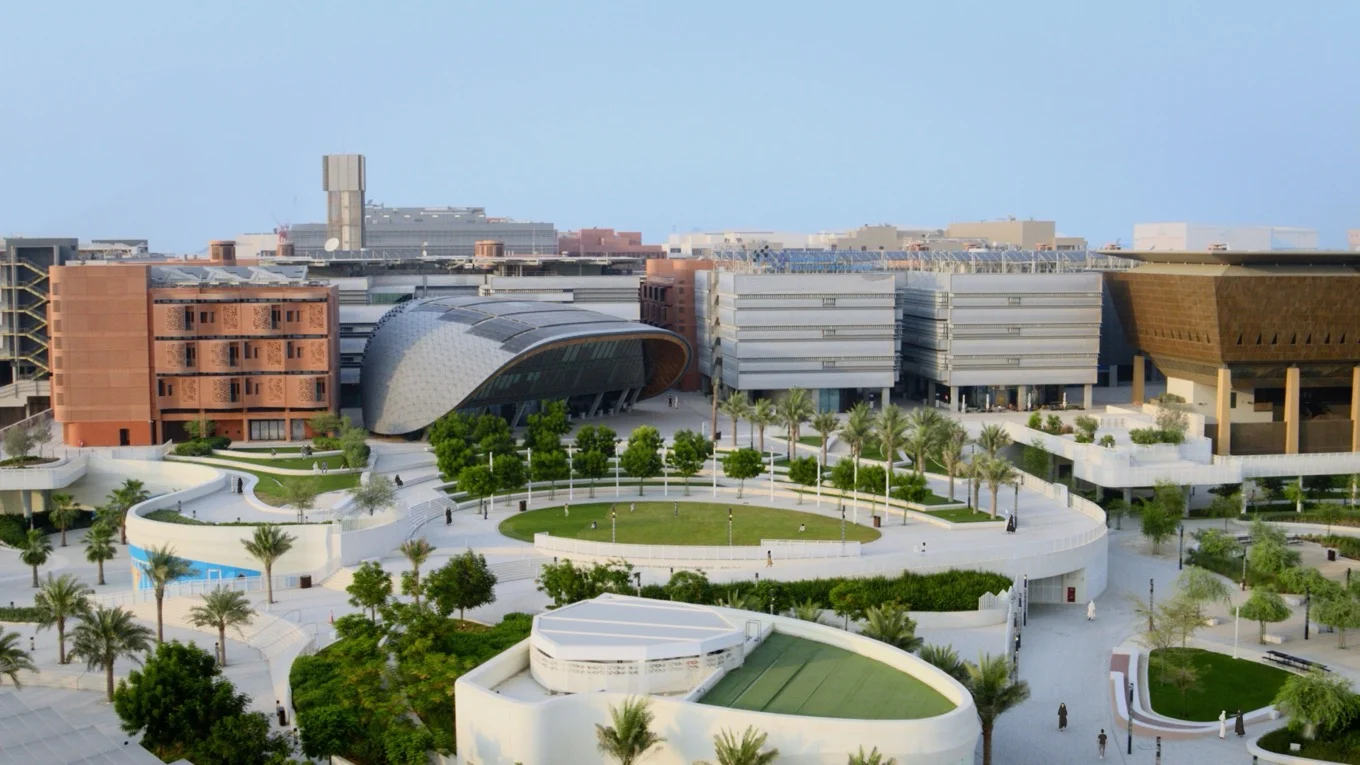
The project by Foster and Partners has progressed through several stages since construction began in 2008, although the original vision has evolved over time and remains unfinished. Visitors can explore the Masdar Institute, now integrated into Khalifa University, along with its bioclimatic plazas and parametric architecture, which includes shaded corridors and solar installations.
However, projects such as driverless automated electric pods and the ambition to become the world’s first zero carbon city have been abandoned due to technological limitations and the difficulty of scaling the highly experimental urban planning model.
Futuristic cities that you will be able to visit soon (if all goes well)
Telosa, social, environmental and economic sustainability
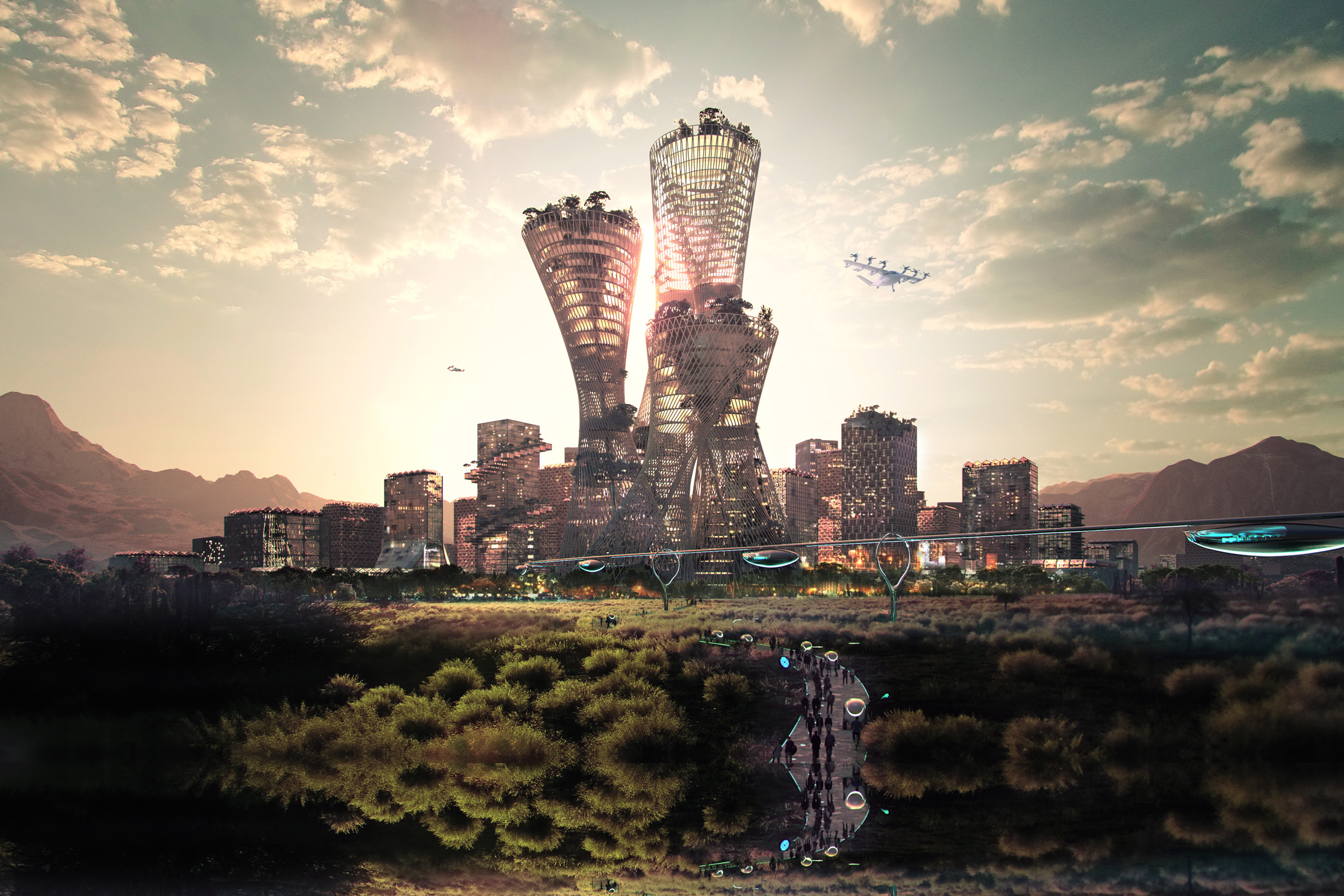
Telosa, the smart city of the future in the United States aims to incorporate social, economic and environmental sustainability.
Some of its measures include:
- Protecting air qualityby banning vehicles powered by fossil fuels.
- It is firmly committed a circular economy model,since this will minimize the need to extract additional natural resources.
- Principle of equity: its residents will be co-owners of land in Telosa.
At present, the project is focused on refining its urban master plan, exploring possible locations in the United States, and presenting more detailed design proposals.
The Line, the promise of a change of paradigm
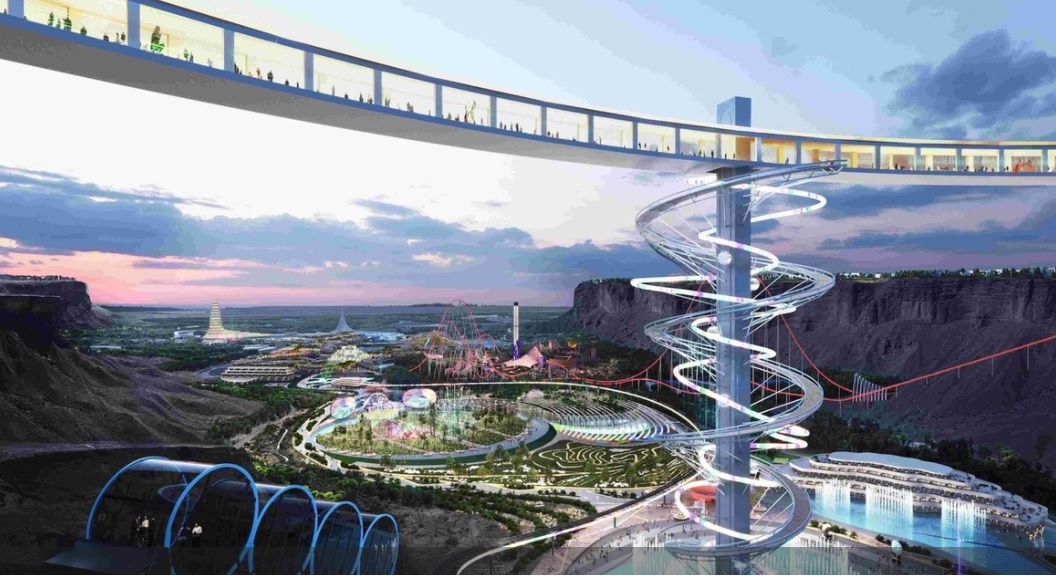
The future of urban life. This is how The Line promotes itself, a Saudi city that is only 200 meters wide, but 170 kilometers long, without roads, cars or emissions. It will run on 100% renewable energies and 95% of its land will be preserved for nature and only two minutes away.
Residents will also have access to all facilities within a five-minute walk, exceeding the limits of 15-minute cities and its services will be automated thanks to artificial intelligence.
In recent years, progress has been made on basic infrastructure construction in areas such as Oxagon and sections of The Line. However, the project’s scale has been significantly reduced compared to the original vision, with priorities now focused on industry, logistics, energy, and selective tourism.
Oceanix Busan, the solution to rising sea levels
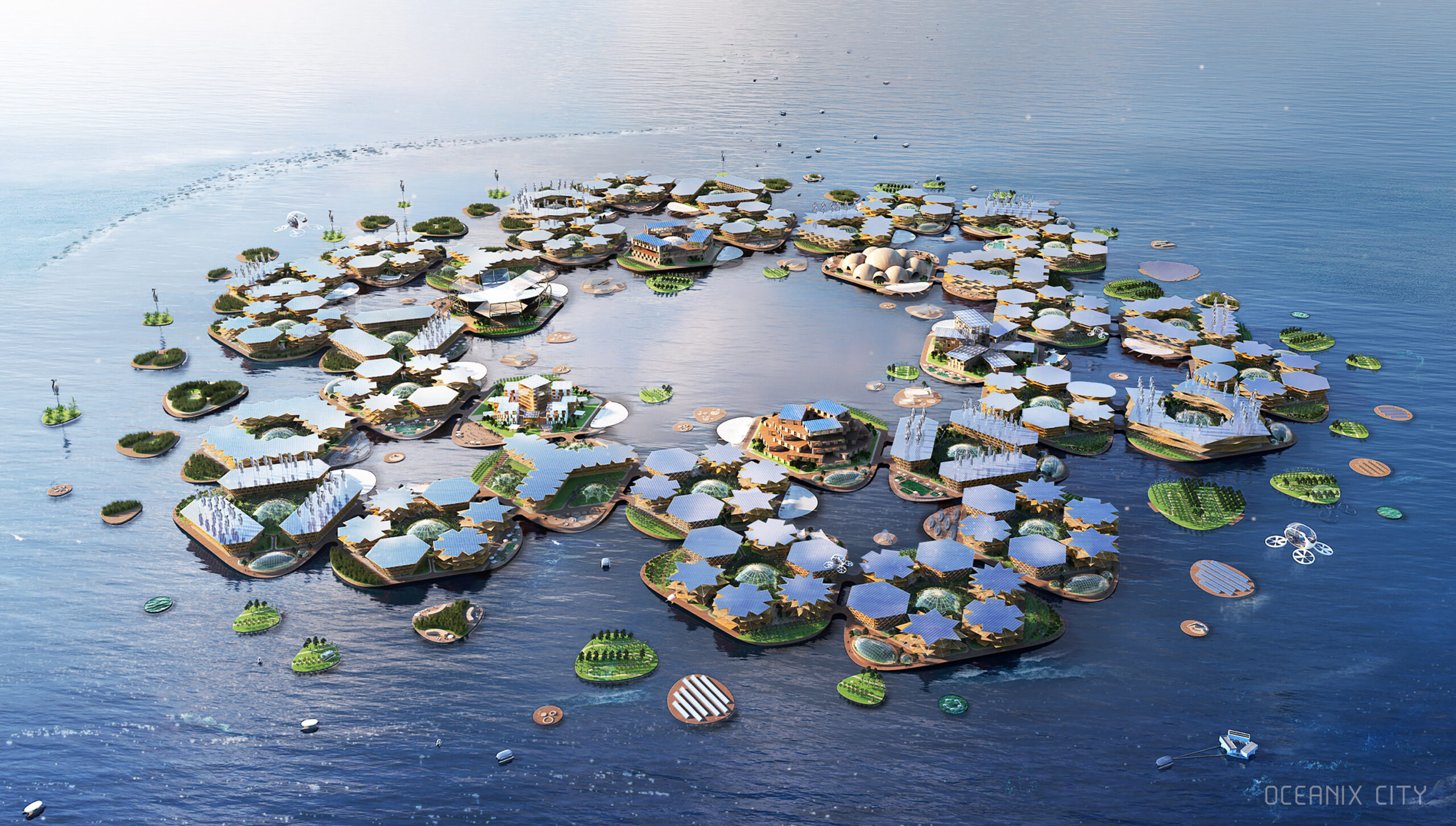
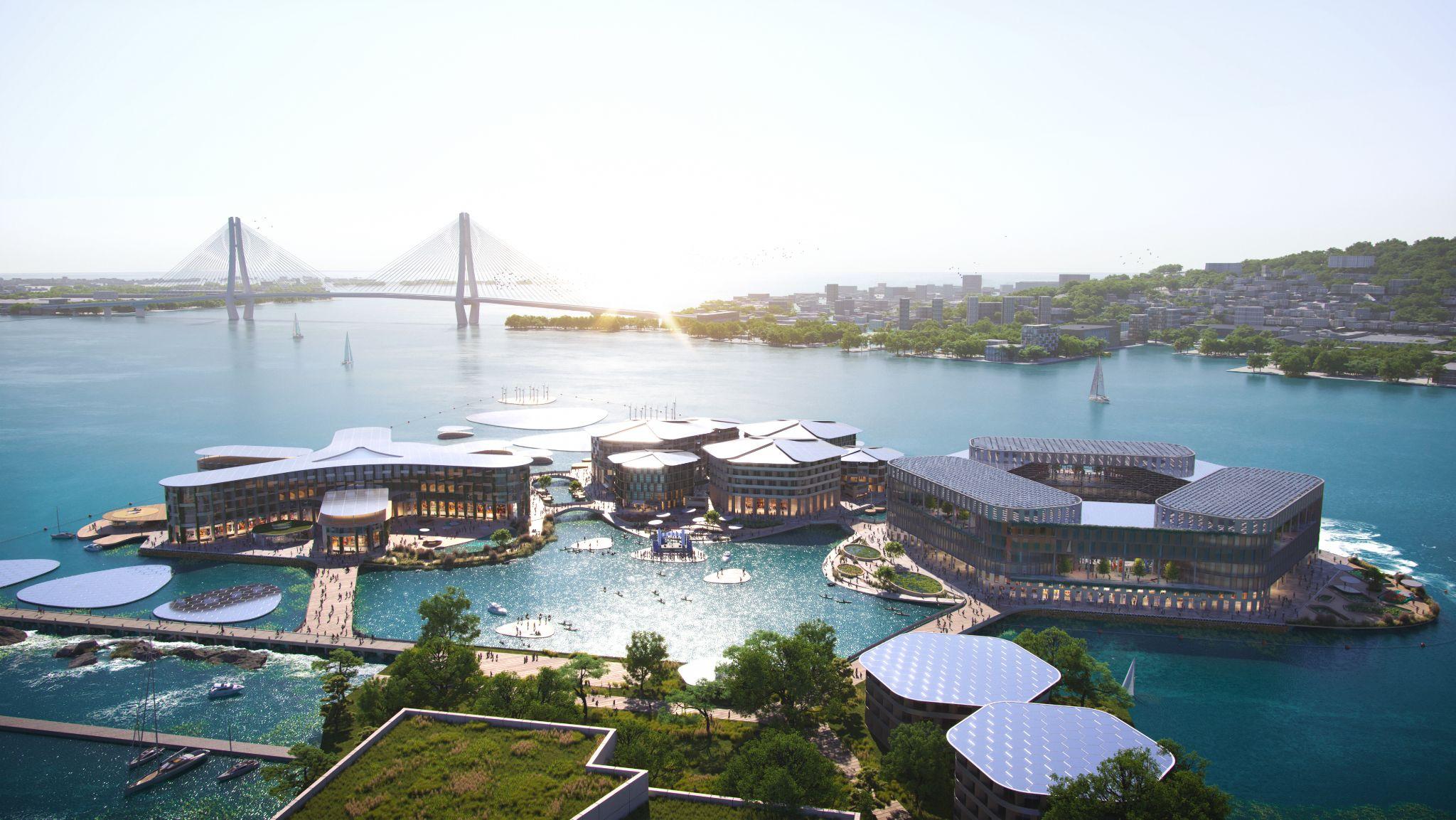
Oceanix Busan is the world’s first prototype sustainable floating city, a project run by UN-Habitat,, the Busan Metropolitan City of the Republic of Korea, and Oceanix, a blue tech company specialized in floating cities.
The Korean prototype, which is planned for 2025, will measure 6.3 hectares, accommodating a community of 12,000 people. Thanks to its location in a sheltered lagoon, the floating city will be able to withstand extreme weather events.
The project remains in a pilot phase, although it has evolved from a United Nations backed initiative into a testing ground for modular platforms, marine engineering trials, and collaboration between international organizations and local governments. Today, it continues to face challenges related to the cost and technical complexity of floating urban infrastructure.
Chengdu Sky Valley, ‘parameterizing’ the future
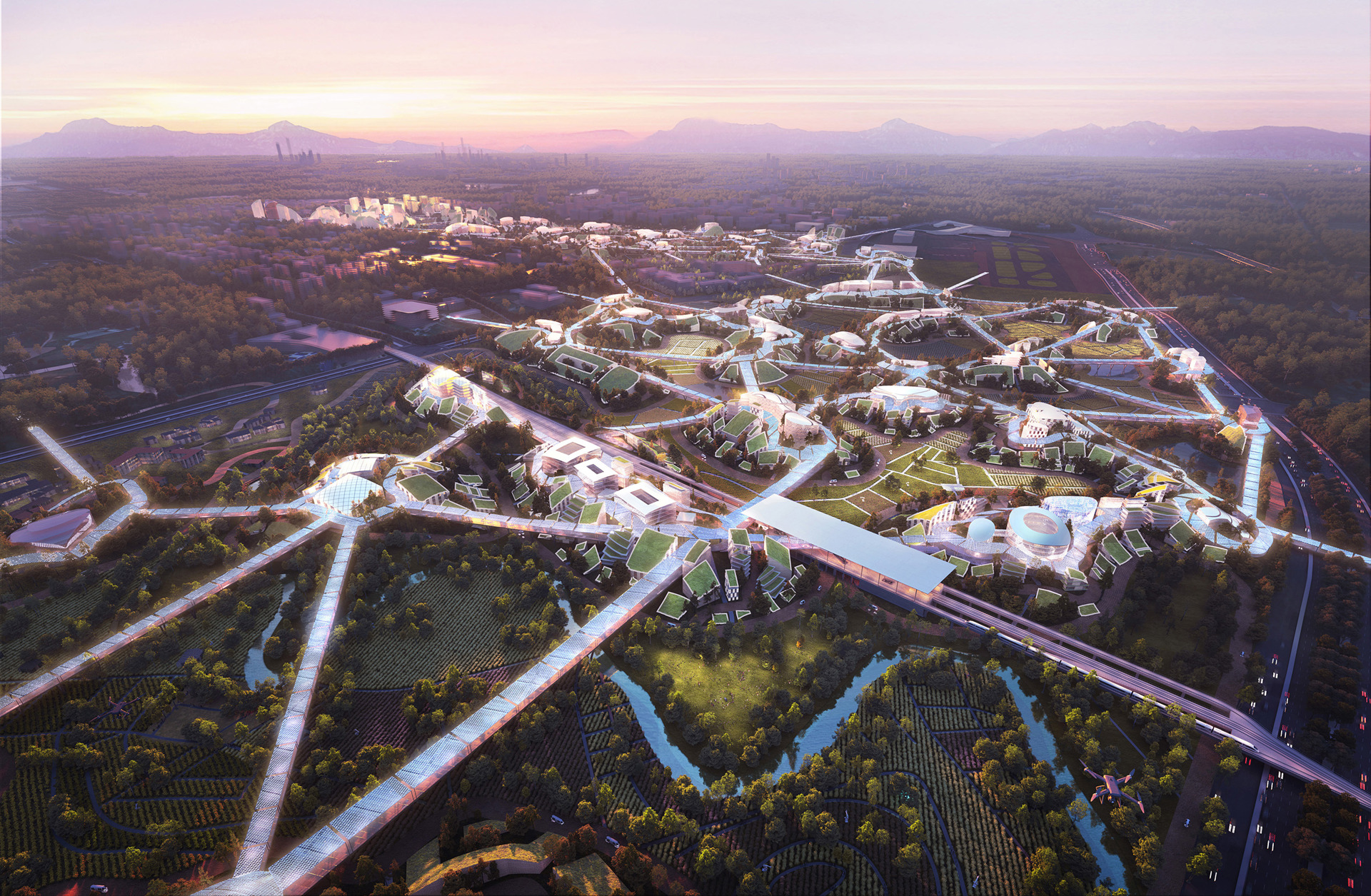
A proposal by the architecture firm MVRDV for China’s Future Science and Technology City competition, this project blends technology with nature, urban environments with rural landscapes, and modernity with tradition.
To make these goals possible, the project team collaborated with the MVRDV NEXT technology group to develop a parametric design capable of analyzing and expanding the existing landscape.
Woven City, Toyota’s Urban Laboratory
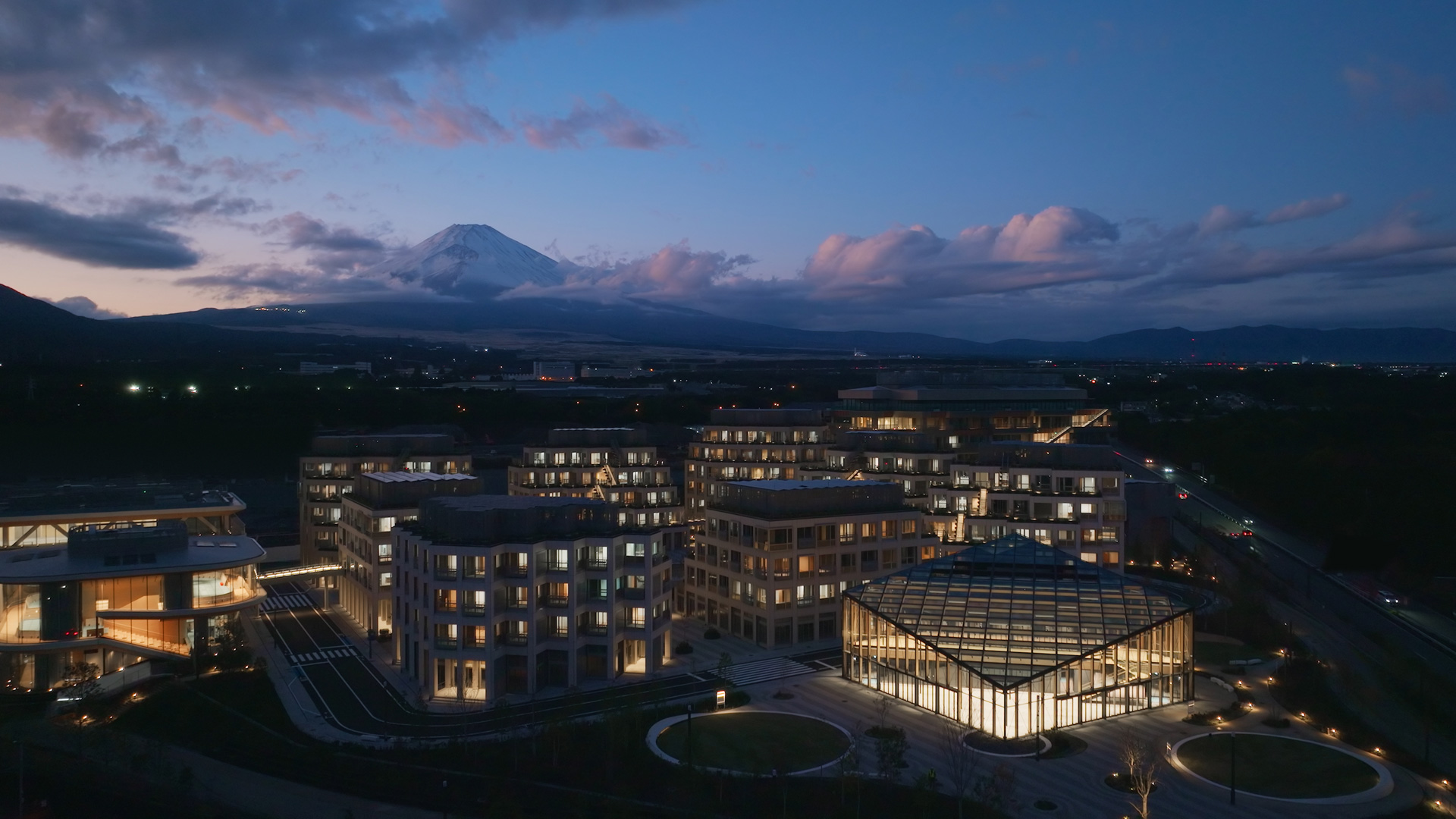
Developed by Toyota at the foot of Mount Fuji in Japan, Woven City aims to test autonomous vehicles on real streets, domestic robots, sensor connected infrastructure, and hydrogen as an energy source. It currently operates as an inhabited urban laboratory. By 2024, the first phase of building construction had been completed, and since 2025 the city has been home to around 100 residents.
Futuristic cities today represent a combination of fully operational projects and large scale urban laboratories still evolving. They also reveal a highly varied reality: while some cities already function as established smart ecosystems, others remain prototypes, concepts under construction, or visions yet to materialize, demonstrating that the future of urban development is advancing unevenly but steadily.
Questions and answers about futuristic cities
What is a futuristic city?
A city that integrates advanced technology, sustainability, and artificial intelligence to optimize urban operations.
Which futuristic cities can already be visited?
Shenzhen, Singapore, Hong Kong, and Masdar City in its partially completed and operational form.
What technologies define these cities?
Artificial intelligence, urban sensors, autonomous mobility, renewable energy, and connected infrastructure.
Which futuristic projects are not yet complete but may soon be open to visitors?
Telosa, The Line, Oceanix Busan, and Woven City are currently in conceptual or development stages.
What is the main objective of these cities?
To improve sustainability, urban efficiency, and quality of life through advanced technology.
Photographs | OCEANIX/BIG-Bjarke Ingels Group, Unsplash/ Sergio Sala, MVRDV,Robert Bye/Unsplash, Toyota, NEOM