



Table of Contents
Authors | Jaime Ramos, Raquel C. Pico
Mobility and transport are experiencing one of the most eruptive revolutions. Innovations in digitalization and alternative energies, established in previous decades, are unleashing their potential on the streets, forming the bases of smart mobility. The adoption of Intelligent Transportation Systems (ITS) has driven a transformation in the way people move through cities, how mobility is managed, and how smart city transportation solutions have become part of everyday life.
What is smart mobility?
Smart mobility is one of the core subjects of any smart city. It involves optimizing transport and communications in order to consolidate new standards of sustainability, efficiency, safety and quality of life.
Different solutions merge and interrelate in smart mobility. All of these evolve into specific benefits, such as improved health, thanks to air quality, fewer traffic accident victims or reduced traffic congestion.
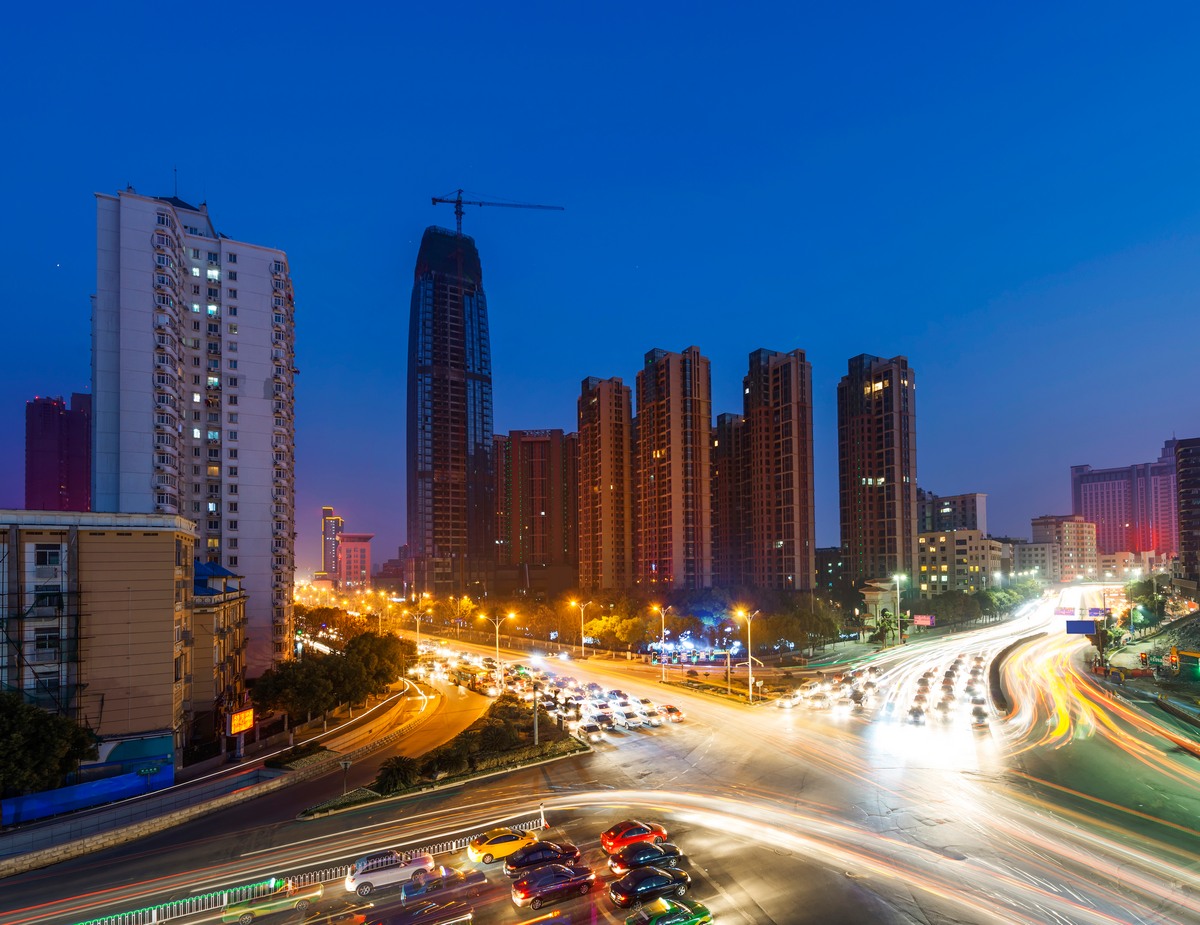
With regard to traffic congestion, in the US, for example, around 34 hours are spent sitting in traffic each year. This costs the country around 121 billion dollars.
Time and economic costs but lives too. According to the WHO, air pollutants are responsible for two million deaths each year, with 91% of the world population living in places in which the WHO air quality guideline levels are not met.
Objectives of smart mobility
In order to understand the objectives of smart mobility, its targets can be dissected as follows:
- Improve network and traffic management systems.
- Increase safety levels and reduce traffic accidents.
- Increase efficiency in communications and travel times.
- Ensure environmental and economic sustainability.
- Offer citizens a new community perspective.
Smart mobility solutions
Decarbonization and Electrification
The transportation industry is experiencing its particular rift in banishing fossil fuels and embracing electrification in its different variants. A process that we know as decarbonization and which is one of humanity’s greatest responsibilities to itself and to the planet. In the European Union, for example, transport accounts for more than 30% of CO2 emissions. And of these, road transport is responsible for 72%.
This is why European institutions have been striving to reduce emissions for years and force car manufacturers to support electric vehicles.
Big Data and IoT applied to mobility
One of the fundamental pillars of 21^st^ century mobility is in the management of large-scale traffic data. In order to understand large-scale transport flows we have no choice but to use certain resources: installing data sensors and collection devices on infrastructures and vehicles in order to implement the effectiveness of transport networks with the help of AI and IoT.
This trend would provide benefits in terms of road traffic prevention, reduction of travel times or clean electric energy management to fuel electric mobility. It is also a fundamental part of the next solution.
Autonomous vehicles and urban transport automation
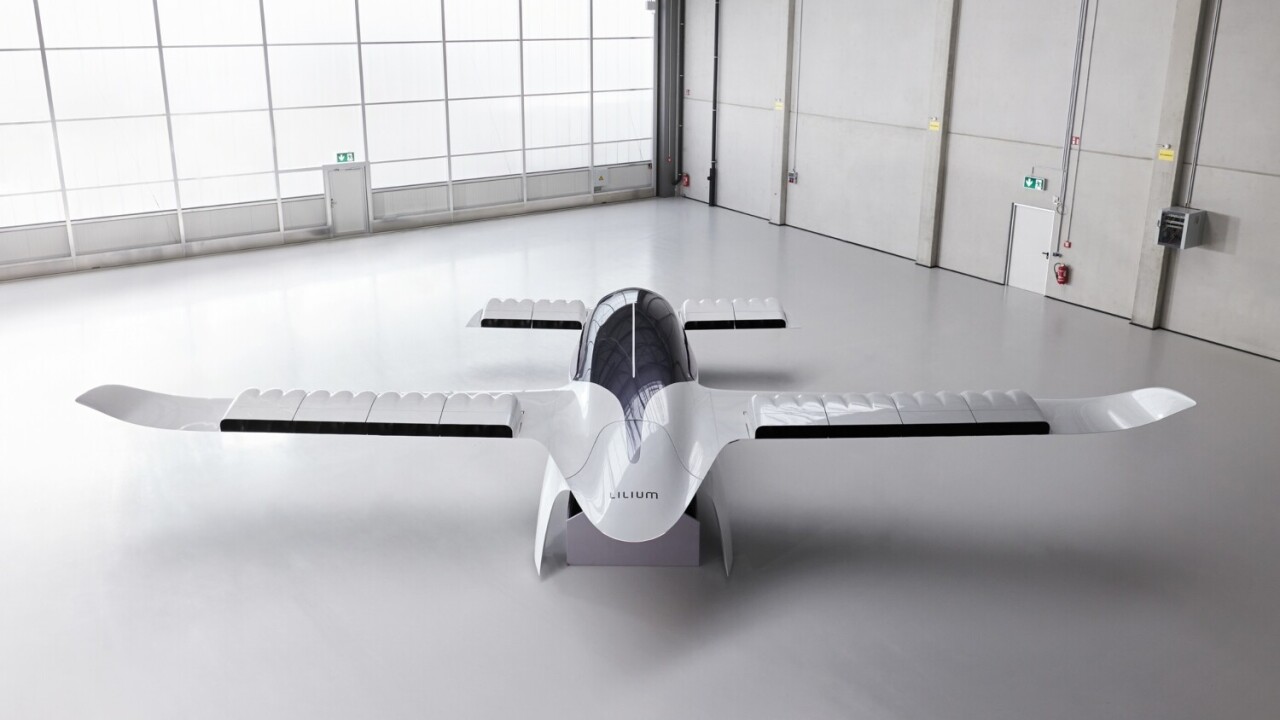
Another derivative of AI that comes with a burning question: when will cars drive themselves? The answer is somewhat complex. The truth is that technology is maturing at an incredible rate. In 2018, Waymo announced that as part of their tests, their autonomous vehicles had driven over 16 million kilometers at the highest level of self-driving.
The question should therefore be changed to: when will we be ready? Regardless of how it happens, it will bring with it historic benefits that we can only imagine.
Humanizing streets
Despite the digital revolution as a result of the preceding innovations, smart cities are fully aware that humans must be at the forefront of the revolution.
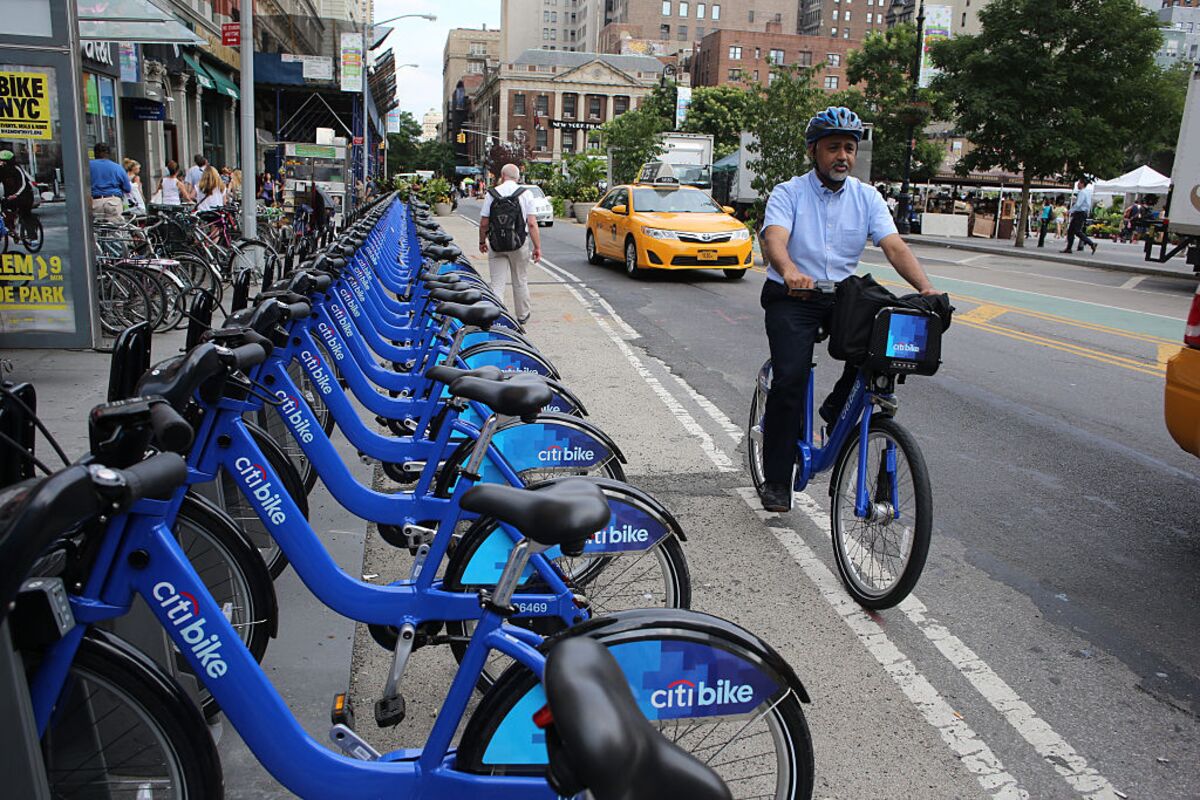
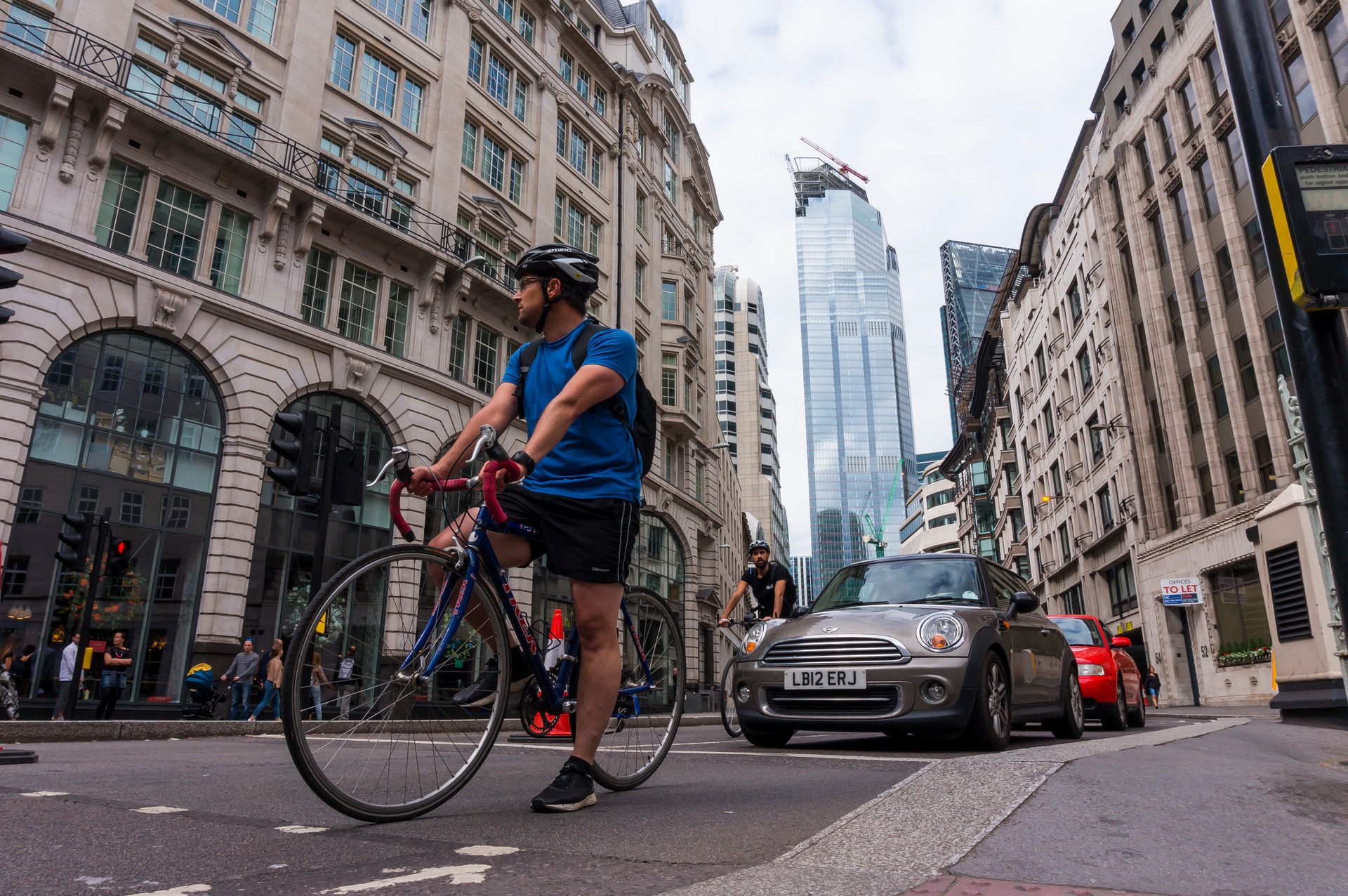
This somewhat Renaissance position leads us to consider the way to ensure that the most human essence of mobility is not lost. That is, the advantages of pedestrianization, bicycles, together with other new PMVs.
As illustrated, smart mobility receives support from numerous and varied sources, but which operate on the same principles and which will, undoubtedly, change our idea of transport.
What do we mean by ITS?
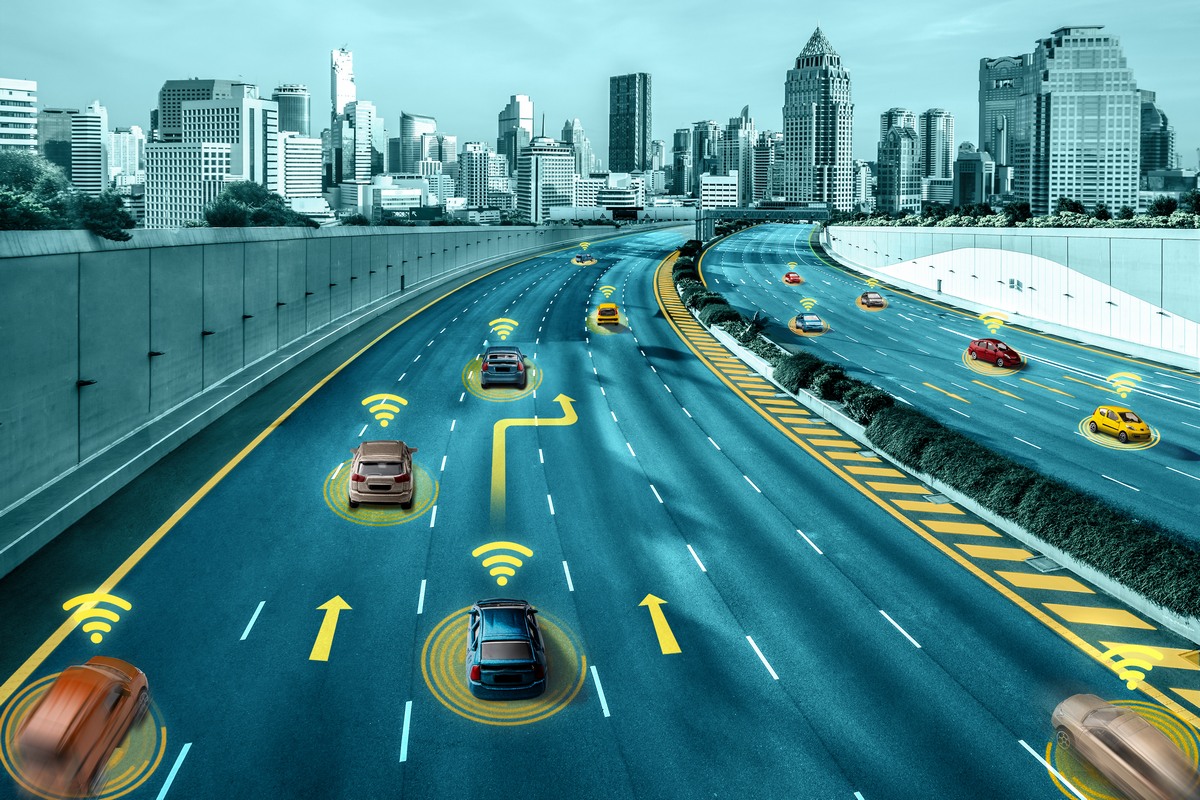
Intelligent Transportation Systems are one of the key components of smart urban infrastructure. In other words, they are one of the many technological elements that, together, make up the smart city ecosystem.
As Spain’s Directorate General of Traffic (DGT) explains, “they are already a reality that enables safer, more efficient, and more sustainable roads.” Their benefits include improved transportation efficiency, enhanced road safety, and greater access to traffic information for the public. Traffic authorities themselves already use and support these technologies. Spain’s DGT has recently introduced mandatory vehicle location beacons and also centralizes traffic related information through a public app that allows users to manage various legal and administrative driving requirements.
But what exactly makes up Intelligent Transportation Systems? The concept encompasses several areas. Artificial intelligence helps detect patterns, identify incidents, and improve emergency response, while connected vehicles provide a continuous source of real time data. Added to this are other smart city technologies, including smart roads.
The role of smart roads
Of course, all of this requires an increasing number of urban infrastructures and assets to become intelligent. At first glance, few things seem more basic than roads, yet they too are undergoing a digital transformation. Smart roads will have and already have multiple applications and can help address many traffic related challenges.
As noted in an analysis published in Proceedings of the Royal Society A: Mathematical, Physical and Engineering Sciences, “intelligent transportation includes smart roads, smart streetlights, smart cars, and smart traffic signs.” Every part of the transportation ecosystem is becoming smarter. Smart roads not only incorporate sensors that collect real time data to support better traffic management decisions but can also play a proactive role in a range of areas. For example, they can function as weigh-in-motion systems that measure vehicle weight, enhance road safety and accident prevention, support intelligent intersections, and contribute to more efficient energy management.
This last application is particularly significant, as energy management has become one of the key priorities for cities in recent years. Smart roads can capture solar energy or harness the vibrations generated by vehicles to produce electricity, helping power their own systems or even feed energy back into the grid. China, France, and the United States already have examples of these types of roads in operation.
A solution to mobility challenges
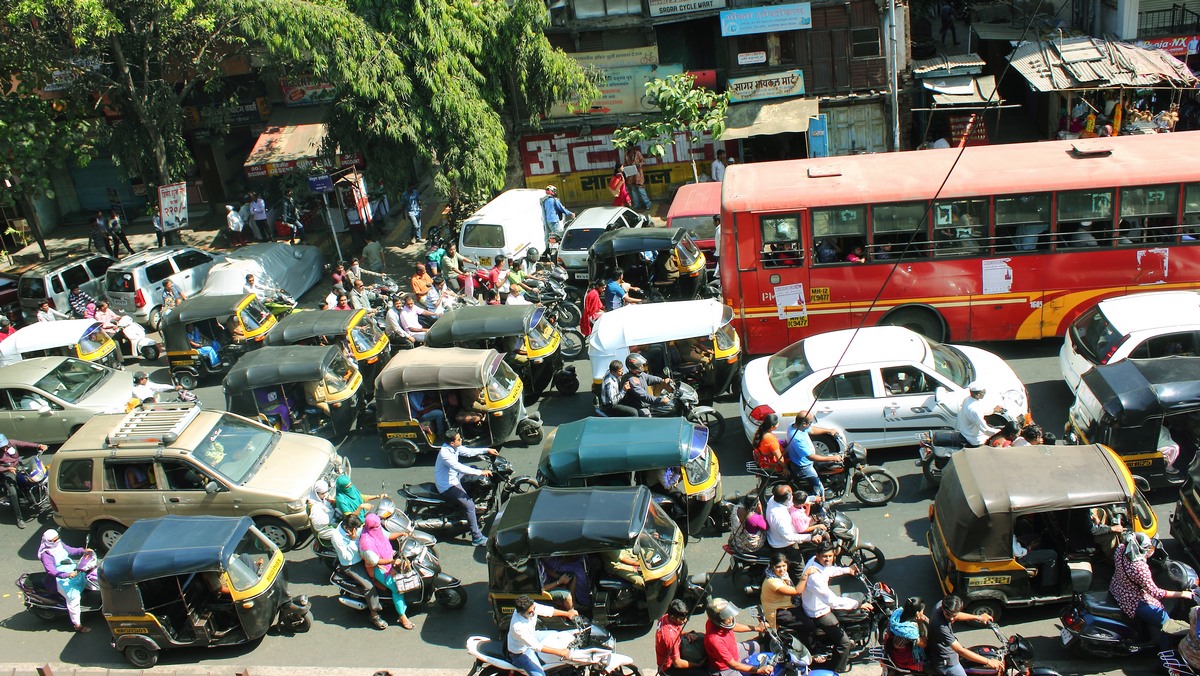
What makes these technologies particularly attractive, however, is their impact on urban mobility. Connected roads and intelligent infrastructure provide a much clearer picture of traffic conditions and enable real time traffic management. For example, they can help free up lanes for emergency services or improve traffic flow by adapting signage to actual road conditions. The benefits of these analytical solutions are clear.
Some initiatives that may appear playful at first glance can also deliver significant results. This is the case with musical roads, where the sound produced changes according to vehicle speed, helping communicate messages to drivers about their driving conditions and behavior.
Frequently Asked Questions
In simple terms, what is smart mobility?
Simply put, smart mobility involves applying digital and technological innovation to transportation. AI, big data, and connectivity are being integrated into cars, buses, trucks, and transportation infrastructure.
Why make mobility smart?
The goal is not digitalization for its own sake but using technology to improve how transportation works. Smart mobility makes transportation more sustainable, efficient, and safer.
What impact do Intelligent Transportation Systems have?
Intelligent Transportation Systems are at the core of this transition, providing the framework that enables mobility networks to become connected and intelligent.
What is the future of smart roads?
Smart roads are likely to become one of the most common and visible elements of Intelligent Transportation Systems in the coming years. They are already considered part of the future of driving and continue to evolve through innovations such as photosensitive road markings, which improve nighttime visibility, and interconnection.
What real world examples already demonstrate the potential of Intelligent Transportation Systems?
The European Union considers Intelligent Transportation Systems a fundamental pillar of the European Transport Area because they help harmonize transportation networks. The EU already has ten cross border smart corridors that help reduce accidents and lower maintenance costs. For citizens, one of the most tangible examples is eCall, a system that allows drivers to request emergency assistance directly from their vehicle at the touch of a button.
Images | iStock/kazuma seki, iStock/naveen0301, iStock/Aurelian Gabriel Teleptean, iStock/Blue Planet Studio