



Table of Contents
This is a guest post written by Dutch Metropolitan Innovations (DMI), an ecosystem of public and private partners, along with knowledge institutions, accelerating sustainable urban densification and innovative mobility in the Netherlands.
Cities across Europe face a common challenge: how do we create better places to live while addressing housing shortages, mobility pressures, the energy transition, climate adaptation, and growing digital dependencies? These challenges are interconnected and cannot be solved in isolation. They require an integrated approach, with governments, businesses, and knowledge institutions working together and making full use of digital opportunities – while respecting each organisation’s autonomy, responsibilities and ownership of data.
The Netherlands has been developing this way of working for the last few years. Within the Dutch Metropolitan Innovations (DMI) ecosystem, some 150 public authorities including 2 Ministries, businesses, and knowledge institutions collaborate on digital solutions for sustainable urban development. The focus is not technology for technology’s sake, but on using data and digital innovation to better understand complex urban challenges and make better-informed decisions about the physical environment.
Why does this matter? Because better data can lead to better decisions. Connecting information about housing, mobility, energy, water, soil, climate and public space helps cities understand how systems interact and how choices in one domain affect others. Digital innovation can make this complexity visible and actionable, helping cities accelerate the major transitions ahead and create more resilient, sustainable, and livable urban environments.
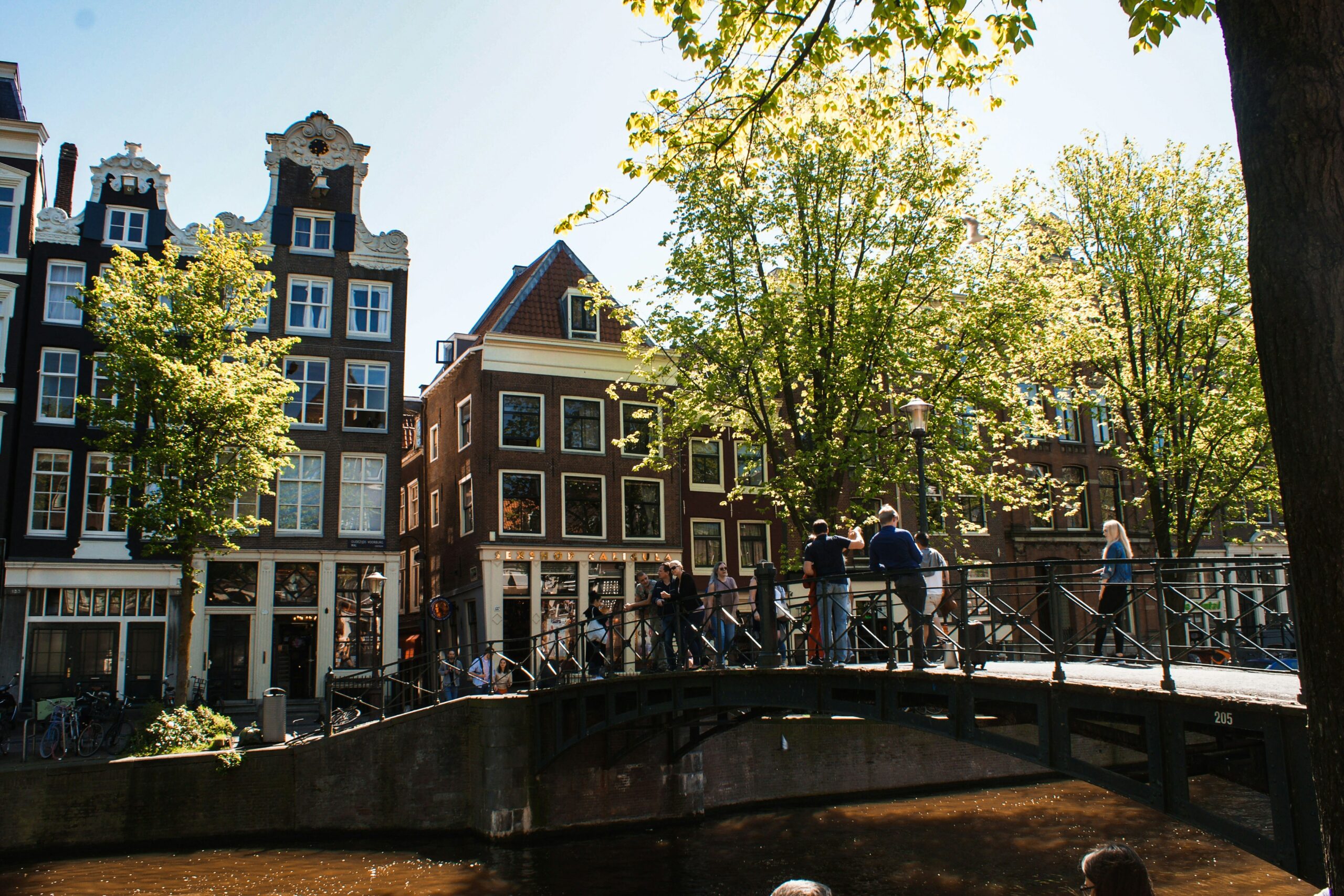
The Netherlands: From local ecosystem to operational infrastructure
One of the tangible results of this Dutch approach is the Products and Data eXchange (PDX): an operational, federated dataspace that enables organisations to safely discover, share and use data, digital services, models, and applications. Instead of creating a new technical connection for every partnership, organisations connect once and can then collaborate with multiple trusted parties across the ecosystem.
The key innovation is that the PDX combines technical infrastructure with the less visible foundations that make data sharing work: governance, identity, authorisation, compliance, and trust. Its trust framework is based on iSHARE principles, while shared rules and processes provide a common basis for interoperability between organisations and ecosystems.
Built for trust, not just for technology
Data sovereignty remains with the data owner. Organisations decide what they share, with whom, for which purpose and under which conditions. The PDX facilitates the exchange without taking ownership of the data and is infinitely scalable.
The infrastructure is also designed for what comes next. Verifiable credentials can establish trusted identities and permissions, while agentic AI can increasingly use trusted data and digital services to support autonomous, context-aware collaboration and decision-making. These technologies become far more valuable when they operate within a trusted and interoperable data environment.
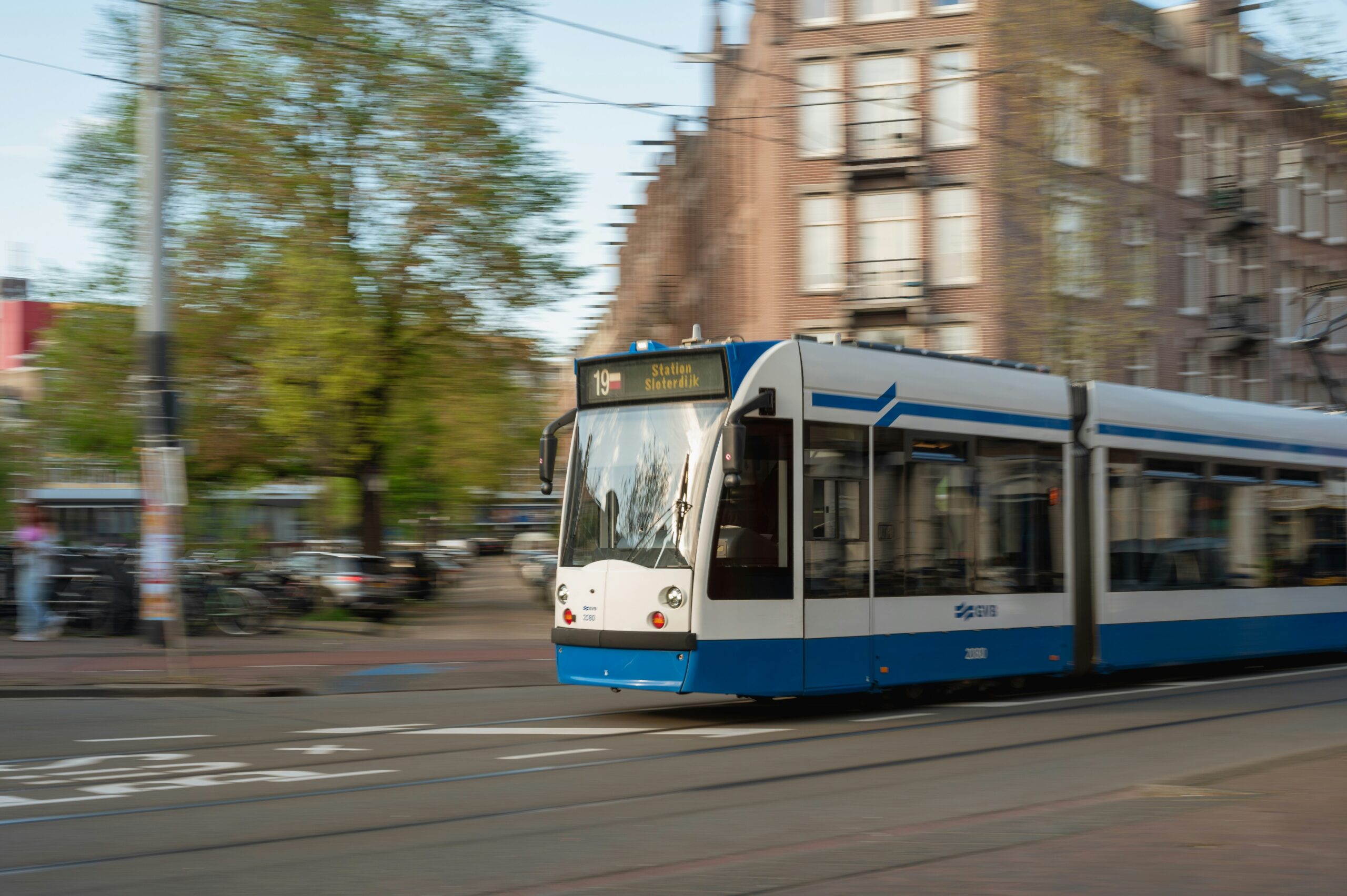
A ready-made path for European Cities
And this is where the Dutch experience becomes relevant beyond the Netherlands. The PDX is not a pilot or a concept. It is fully operational in the Netherlands and can be made available to other organisations and cities across Europe. Cities do not need to build their own dataspace infrastructure from scratch. They can connect to the existing PDX environment for a modest fee or use it as the basis for their own regional or sectoral ecosystem. Different deployment models are possible, including dedicated and white-label solutions. No heavy upfront investment necessary and ready for use within weeks, not years.
The PDX is built on European principles of data sovereignty, interoperability, and federated collaboration, with European hosting and alignment with European dataspace developments.
The Dutch proposition is simple: don’t reinvent the wheel. Use one that already works. The PDX turns the European ambition for trusted, sovereign, and interoperable data spaces into infrastructure cities can use today — to make better decisions, accelerate urban transformation, strengthen collaboration and ultimately improve everyday life.
More information
You can check PDX – DMI website, reach out at [email protected] or visit the Dutch Pavilion at the Smart City Expo World Congress next November in Barcelona (booth B81, Hall 3).
Photos: Alireza Parpaei, Pauline Loroy, Quincy S