



Table of Contents
This is a guest post by Barcelona Innova Lab Mobility (BILM), an urban mobility innovation lab promoted by Barcelona City Council, Fira de Barcelona, and BIT Habitat, in collaboration with Tomorrow.Mobility World Congress, to boost the implementation of innovative projects and pilot tests in smart and sustainable urban mobility.
With increasing pressure on urban mobility systems, ensuring the efficiency of public transport, such as bus services, has become a priority for cities like Barcelona. One of the key challenges lies in the frequent interference in dedicated bus lanes, where different types of vehicles, particularly during peak delivery hours, affect service regularity and travel times.
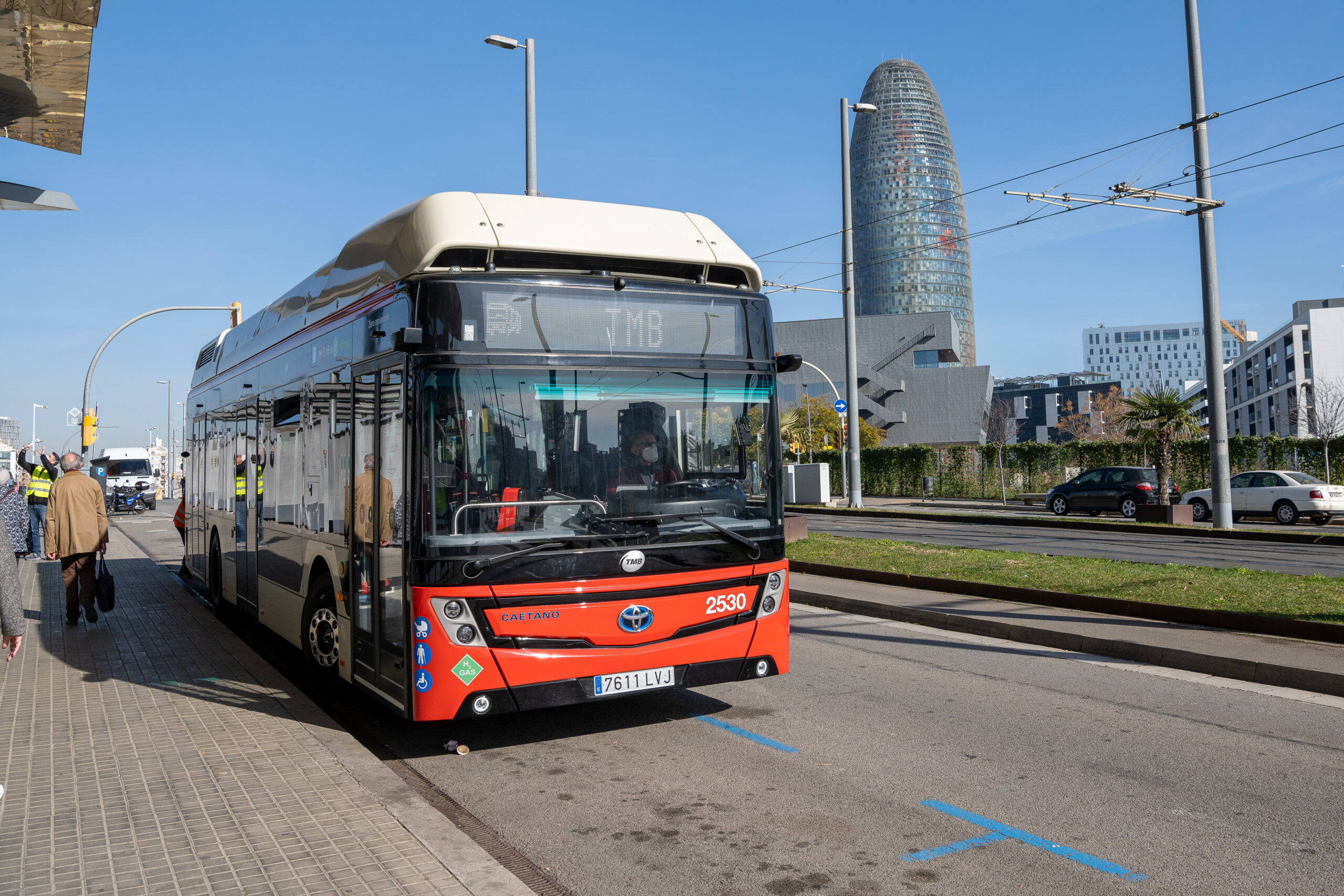
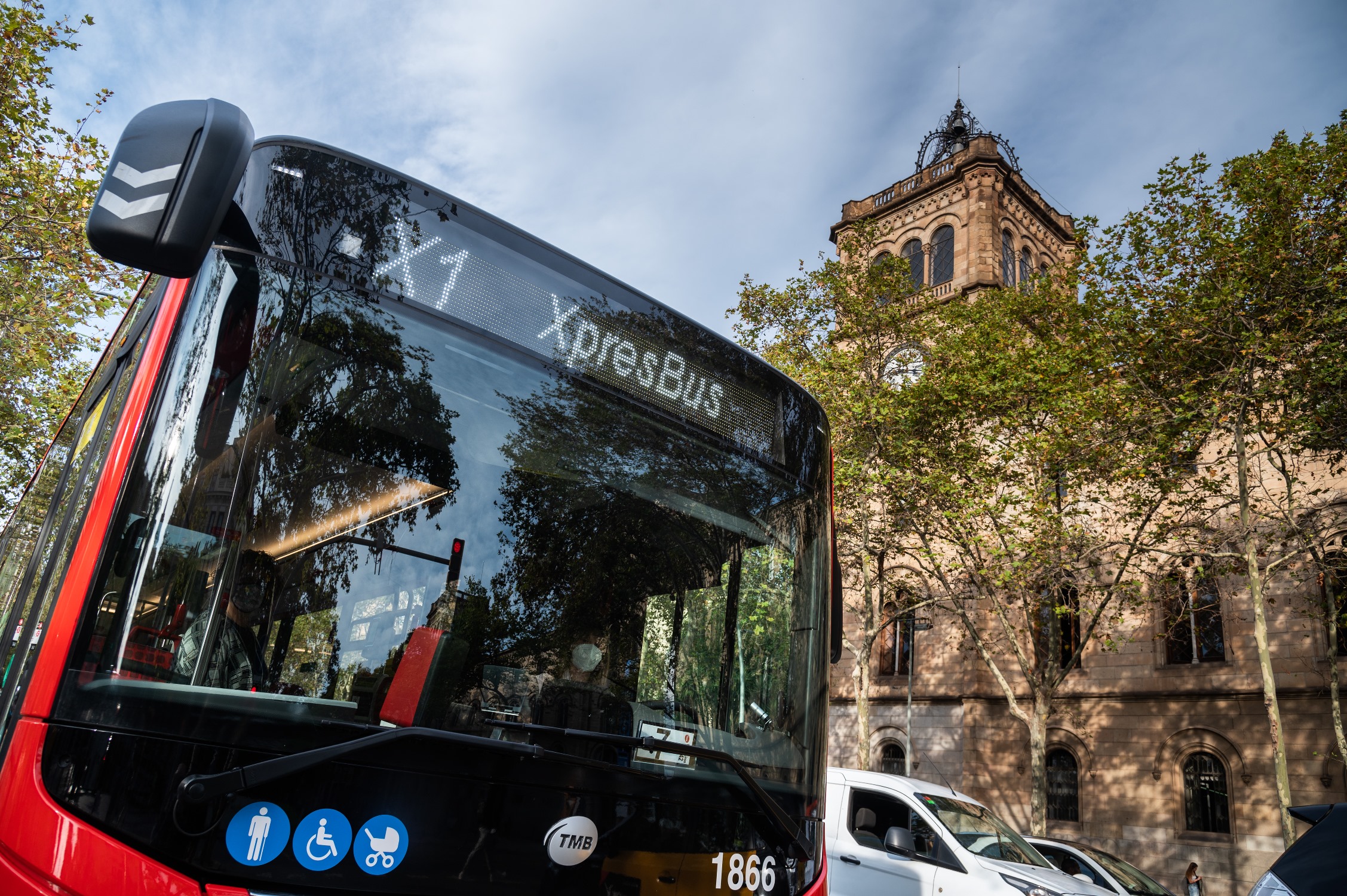
To better understand this issue, Barcelona Innova Lab Mobility (BILM) launched an innovation challenge together with Transports Metropolitans de Barcelona (TMB), the city’s main public transport operator. From this process, Hayden AI, a U.S. based firm specialized in AI-powered traffic and transit systems, was selected as one of the winners and went on to implement the pilot project.
The initiative explores a new approach based on artificial intelligence and camera systems installed directly on buses. The objective of the pilot was to better understand the causes of delays and interferences in bus lanes to improve the speed, safety and reliability of the service.
A new approach to understanding urban mobility
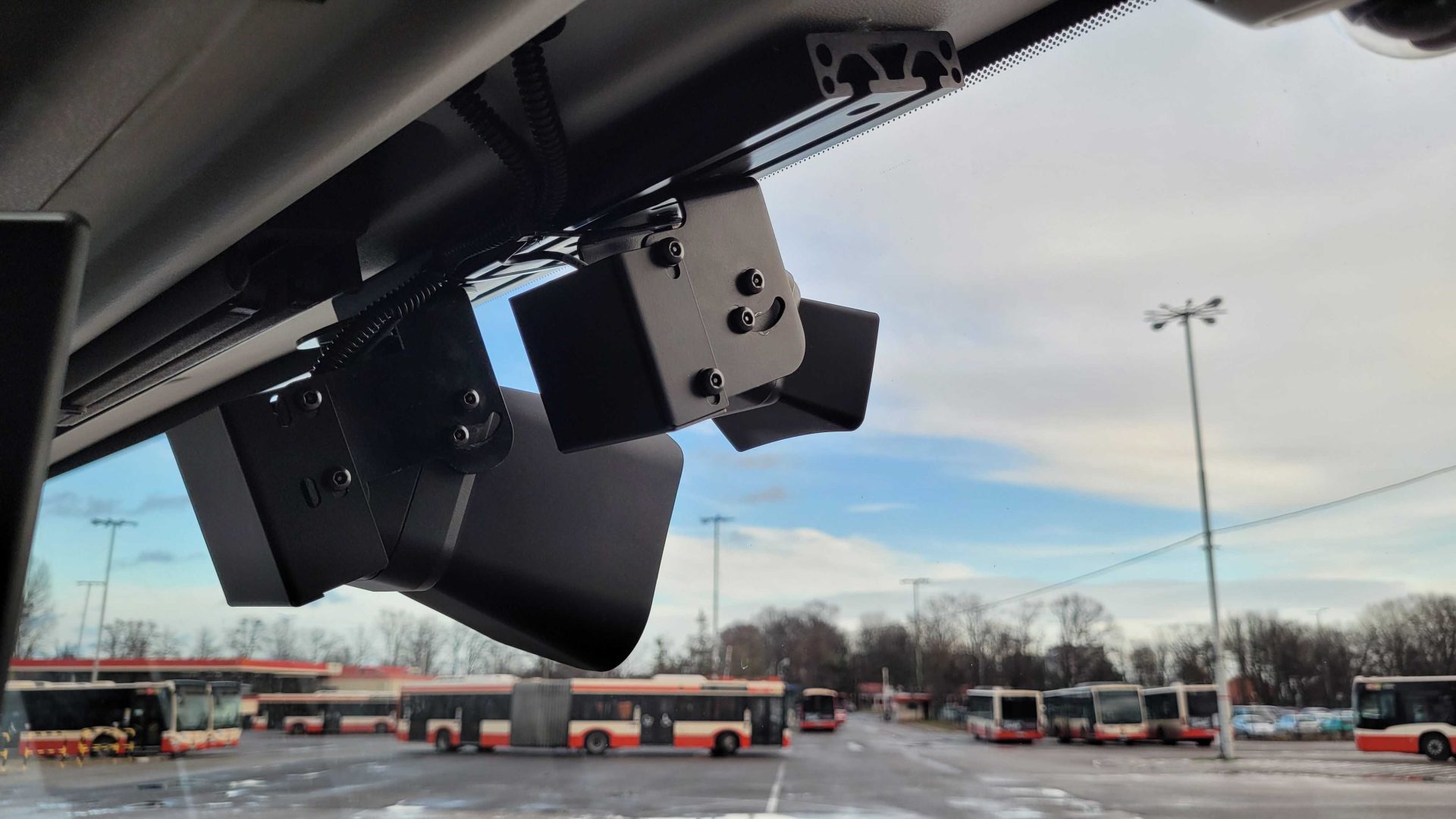
The pilot, carried out over one year, equipped four TMB buses, two operating on line H12 and two on line D20, with onboard camera systems. These systems continuously monitored activity in front of the vehicle, enabling the identification of interactions affecting bus operations.
Unlike traditional methods based on fixed infrastructure, this approach leverages the natural circulation of buses to analyze large areas of the network dynamically. Prior to deployment, a route and vehicle survey was conducted to optimize camera placement and ensure coverage, followed by several technical checks to guarantee reliability.
Ensuring compliance with GDPR was one of the main challenges, reflecting the complexity of deploying this type of technology in European cities. Balancing data-driven analysis with strict data protection requirements was key, and the system proved fully compliant with applicable regulations.
Over 13,000 interference events identified
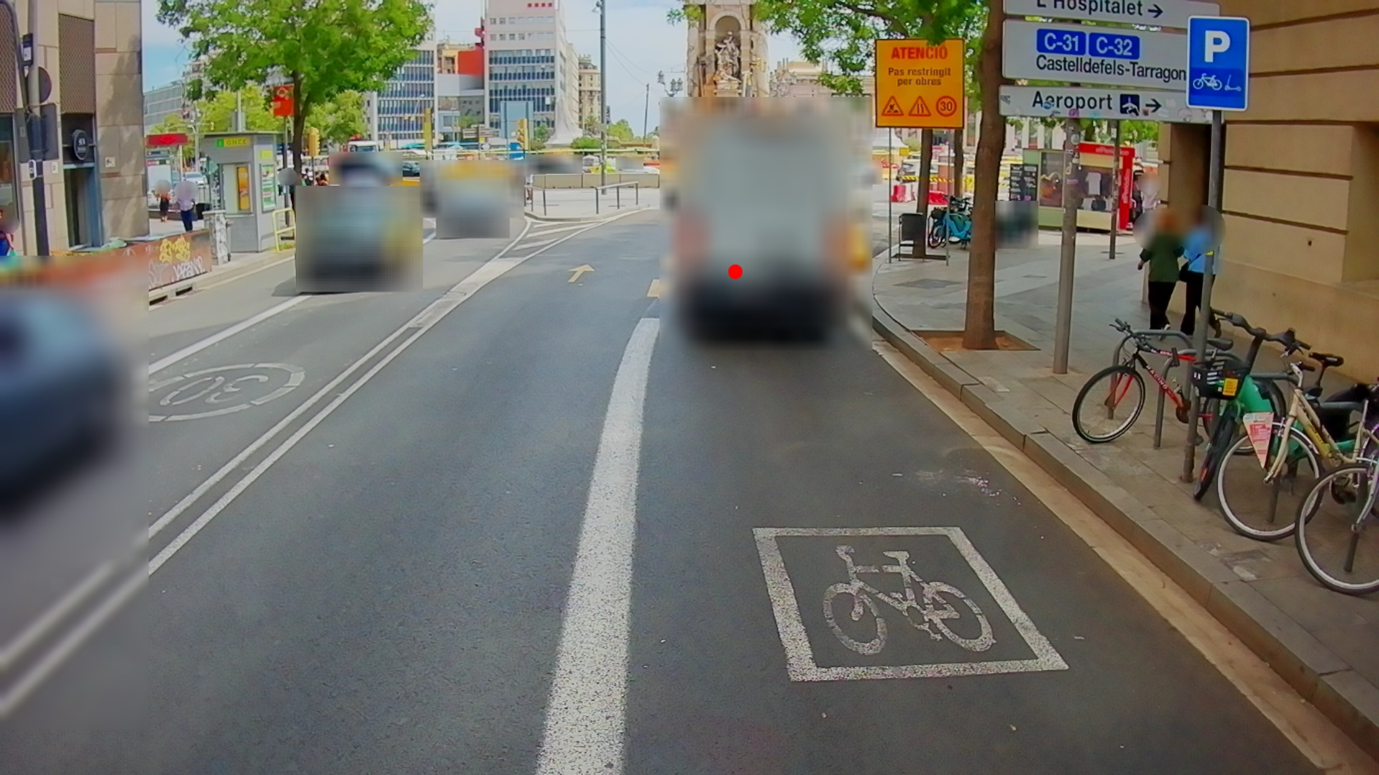
Over seven months of data collection, the results provided a clear picture of the scale and nature of the issue. The system identified over 13,000 events related to the use of dedicated bus zones, including vehicles circulating in bus lanes, entering restricted areas, parking in bus lanes or blocking bus stops.
These figures are particularly significant given that the pilot was limited to just four buses and a small number of routes. The data also revealed behavioral patterns, with a wide range of vehicles involved and peaks occurring around midday, coinciding with delivery activity.
Impact on bus performance
Beyond identifying these events, the pilot provided insights into how they affect operations. Analysis showed that buses spend a significant portion of their time either stationary or moving at low speeds, especially during periods of higher interaction with other vehicles.
The data confirms that these interferences contribute to delays and reduced service reliability, particularly around midday. Corridors such as Gran Via de les Corts Catalanes and Carrer de Sants were identified as priority areas for future analysis.
Towards more informed mobility management
The pilot demonstrates the potential of mobile, AI-powered systems to better understand urban mobility in real time. By integrating this technology into the public transport fleet, cities can expand analytical capacity without additional infrastructure.
The data provides a solid foundation for more informed decision-making. Understanding where and when interferences occur enables targeted measures to improve service performance, safety and efficiency.
A scalable approach for future mobility
Following the pilot, TMB has expressed interest in exploring the scalability of this technology across the network. Even with limited deployment, the project has demonstrated its ability to generate actionable insights and support improvements in service reliability.
As cities address increasingly complex mobility challenges, Barcelona’s experience highlights the value of combining artificial intelligence, data analysis and existing infrastructure to deliver more efficient, safe and sustainable public transport systems.
Explore the winners of all previous Barcelona Innova Lab Mobility (BILM) challenges. which have focused on transforming HORECA urban deliveries, reducing motorbike accidents, and improving mobility through acoustic detection. The fifth challenge is now underway, aiming to advance the city’s intelligent traffic management with AI.
Photos: Barcelona Innova Lab Mobility (BILM), Transports Metropolitans de Barcelona.