Table of Contents
Author | Lucía Burbano
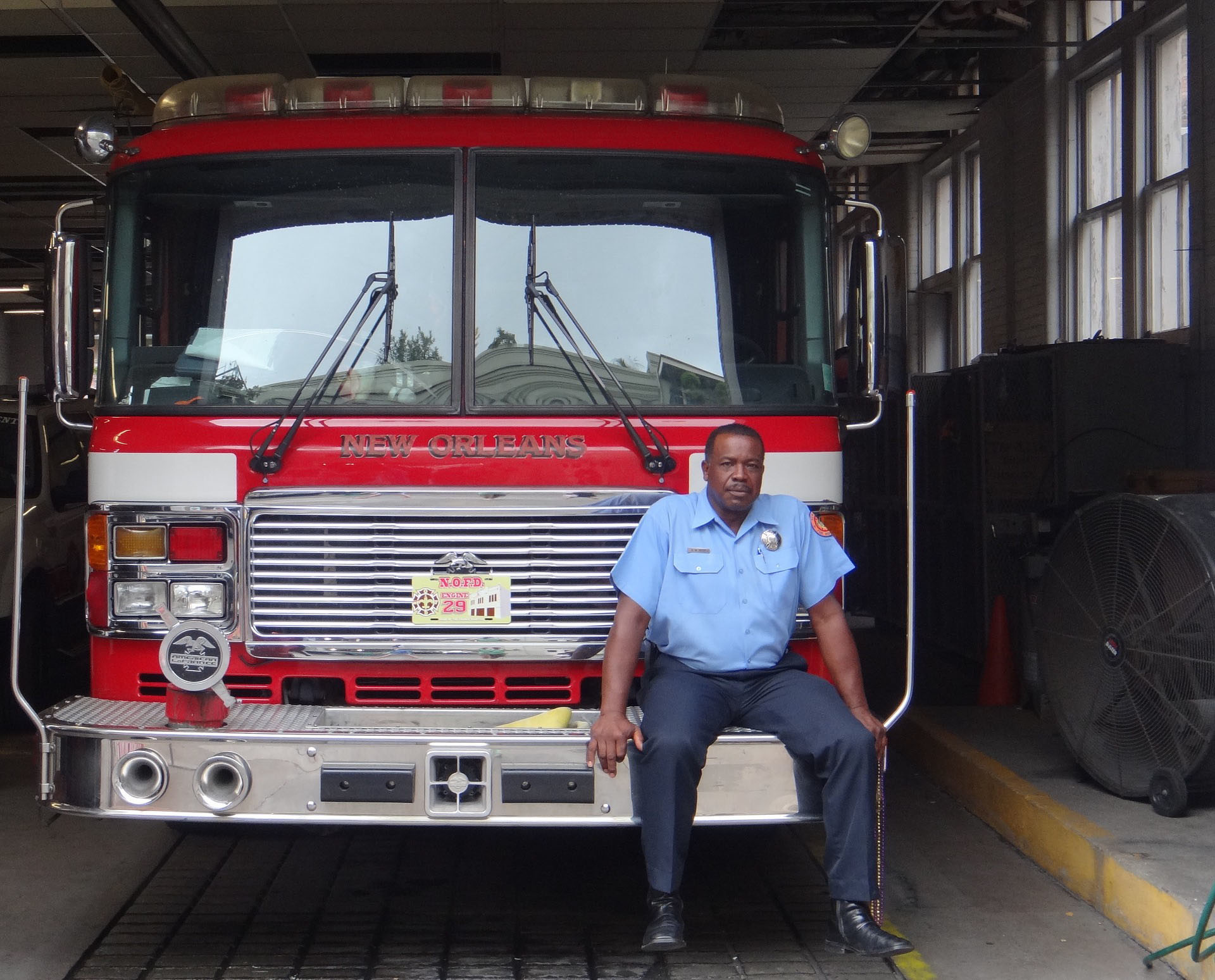
Classified as a high risk job, firefighters are exposed to risks that include burns, smoke inhalation and injuries caused by fire and falling structures, as well as potential chronic respiratory diseases.
In 2022, the U.S. National Fire Protection Association reported a total of 96 fatal firefighter injuries occurring while they were on duty. If robots are already gaining momentum in other sectors, their role in jobs related to human safety could save lives. Hence the growing interest in automating their tasks as much as possible.
Advantages of robotic firefighting
Firstly, robots are designed to withstand extreme temperatures and conditions, making them the ideal tool for fire extinguishing tasks.
Furthermore, robots programed to put out fires are equipped with a series of advanced functions, such as sensors, cameras and thermal imaging technology, which allows them to navigate through smoke-filled environments and detect hot points that may be invisible to the human eye.
Thanks to the incorporation of these disaster response technologies, they can work autonomously, like this robot designed in Croatia, or they can be controlled remotely. These robots tend to be equipped with cameras and other sensors that provide real-time information, enabling decisions to be made based on the fullest available information.
Taipei and its firefighting robots
The capital of Taiwan seems to be determined to combat fires with robots. A few months ago, the city held a demonstration of the LUF60 robot, which is controlled remotely and capable of generating 2,400 liters of water per minute at a distance of over 60 meters.
It also has other functions, such as climbing inclined surfaces up to 30 degrees and removing obstacles, thanks to its crawler chassis that permits precise driving and turning maneuvers and high stability.
The relevant tests were performed a few weeks prior to the robot’s debut, in which improvements and adjustments were introduced, although these have not been specified.
The aim of the presentation was to show how firefighting robots can improve rescue missions in various types of disasters and also guarantee the protection of lives and assets. The Taiwanese authorities plan to use it on Shezi Island where a major industrial plant is located.
A few months ago, as a result of a fire in a factory in the Pingtung County, in which nine people died, calls were made for the government to allocate more funding for joint research programs between firefighting agencies and high-tech firms to produce a new generation of mobile robots, which could replace human firefighters, along with new tools and fire hoses that would have an enhanced range and water capacity.
Future implications
In Arizona, in the Unites States, firefighters tested another robot, in this case manufactured by Rosenbauer. Its President defines the mission of robots like his: “We designed it not to replace firefighters, but to enhance their capabilities and make it safer for them”.
This demonstration highlighted the usefulness of robots equipped with cameras to view what is happening inside a burning building, since it is inside buildings where there is increased risk for firefighters, according to a joint study by the Spanish public universities Rey Juan Carlos University and the Universidad Autónoma de Madrid.
Once again citing the President at Rosenbauer: “If this thing (the robot) was to be destroyed it’s simply a mechanical device that is replaceable. A firefighter is not replaceable. That is a human life.”
Photographs | Taipei City Fire Department