



Author | M. Martínez Euklidiadas
Urban gardening plans are the municipal guidelines that help with the management of gardens and urban vegetation, and provide ideas on the design or budgets for them. Do they take into account species that trigger allergies, invasive species, water usage or climate resistance?
What is an urban garden?
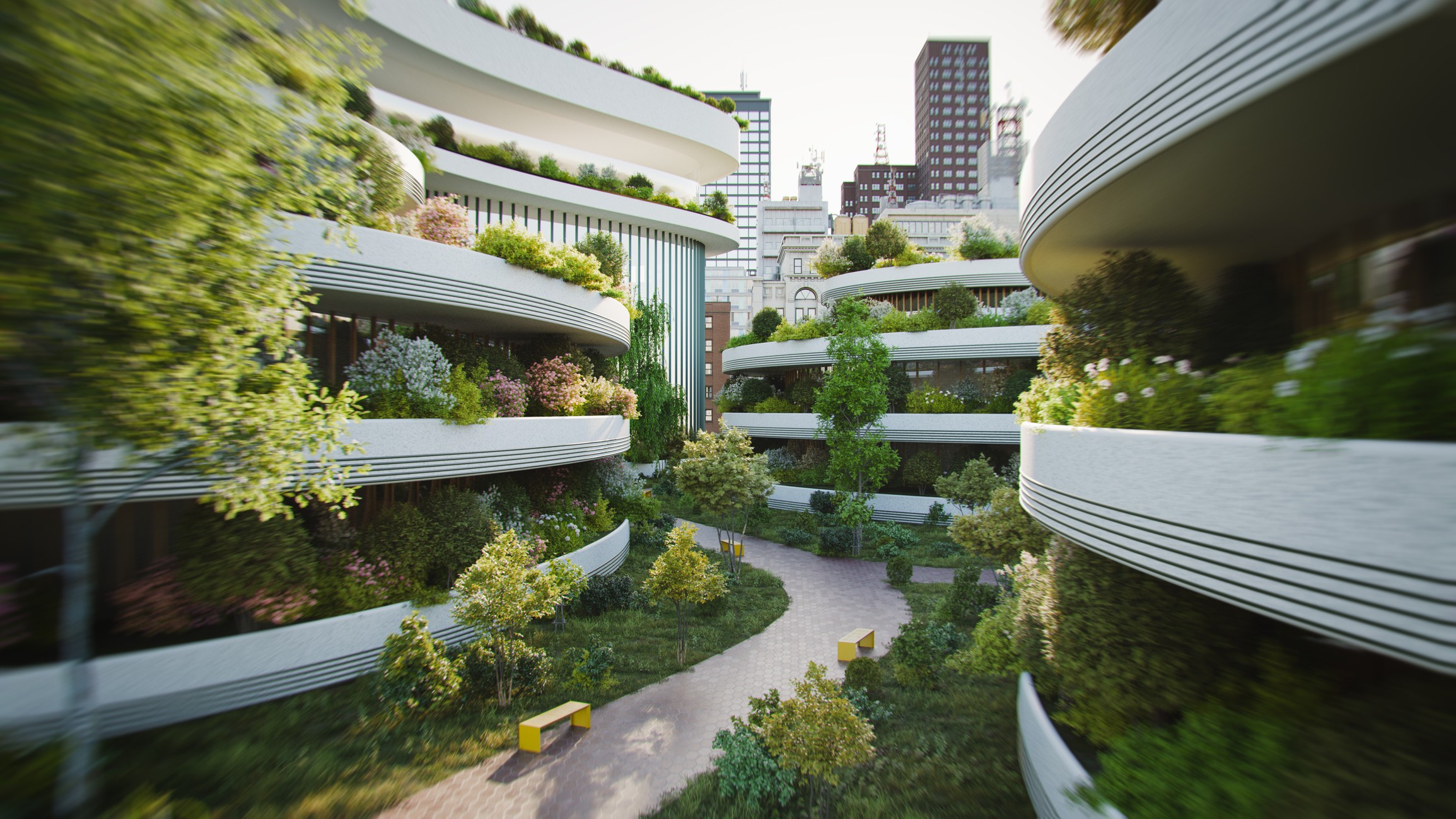
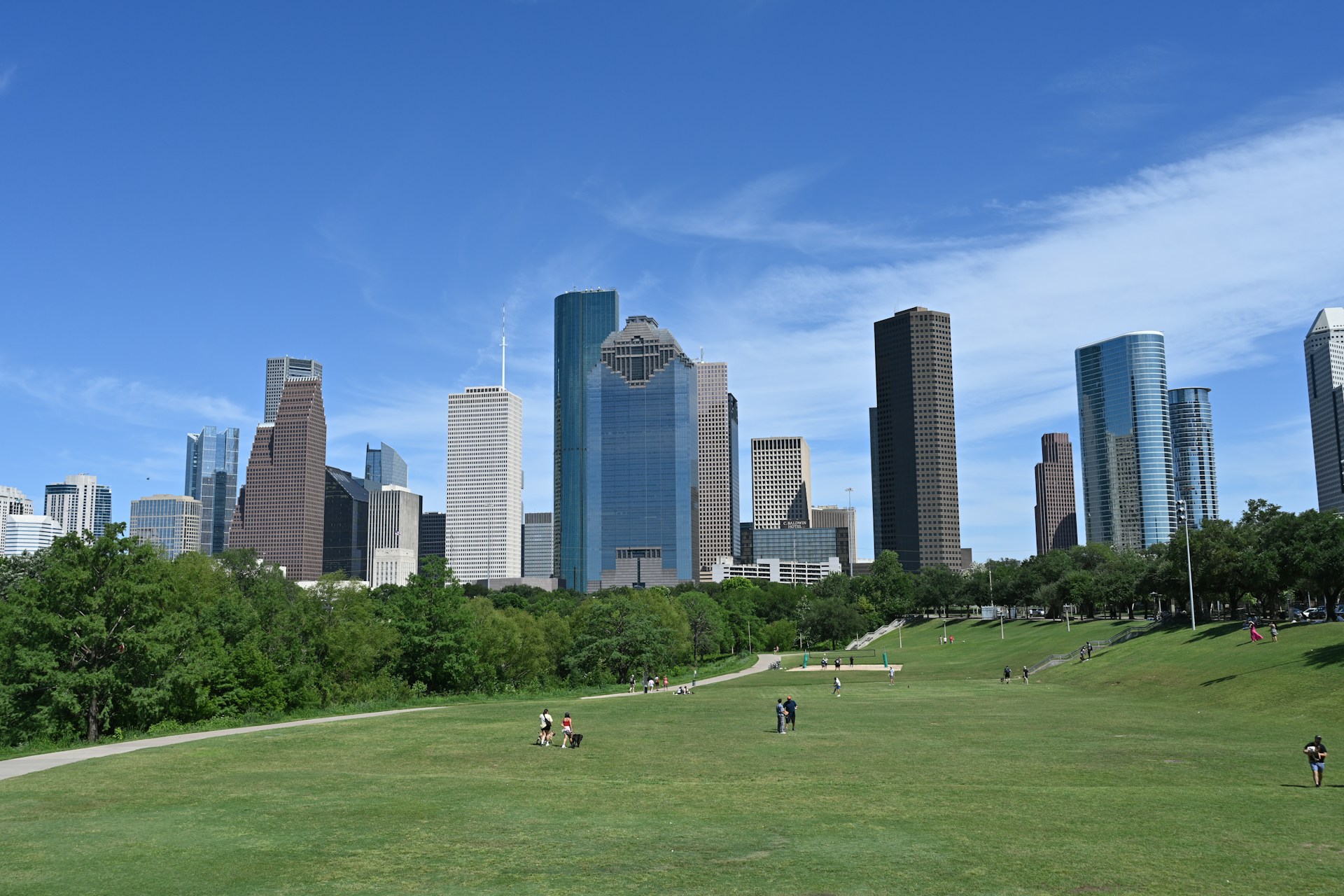
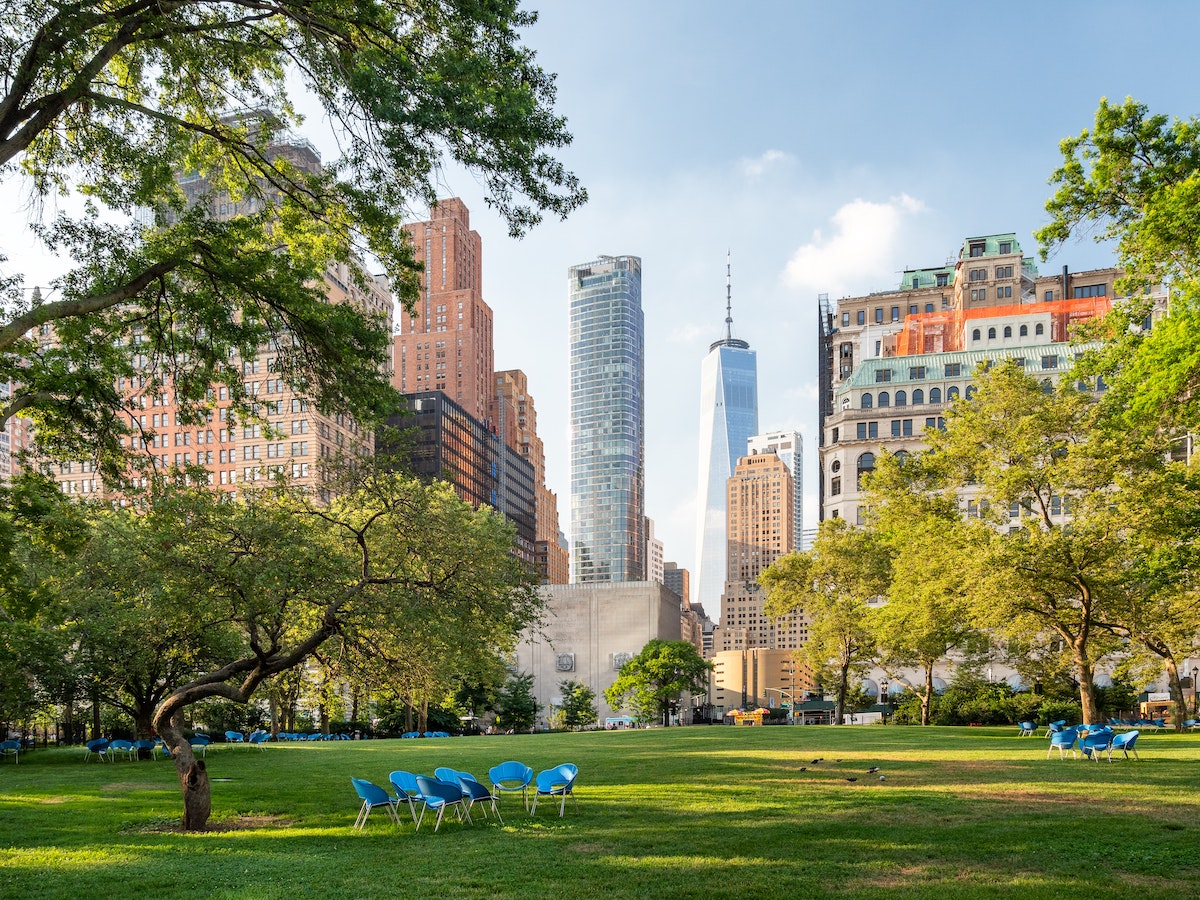
An urban garden is a green area within a city in which all types of plants are grown: flowers, herbaceous plants, low growing shrubs, trees, etc.
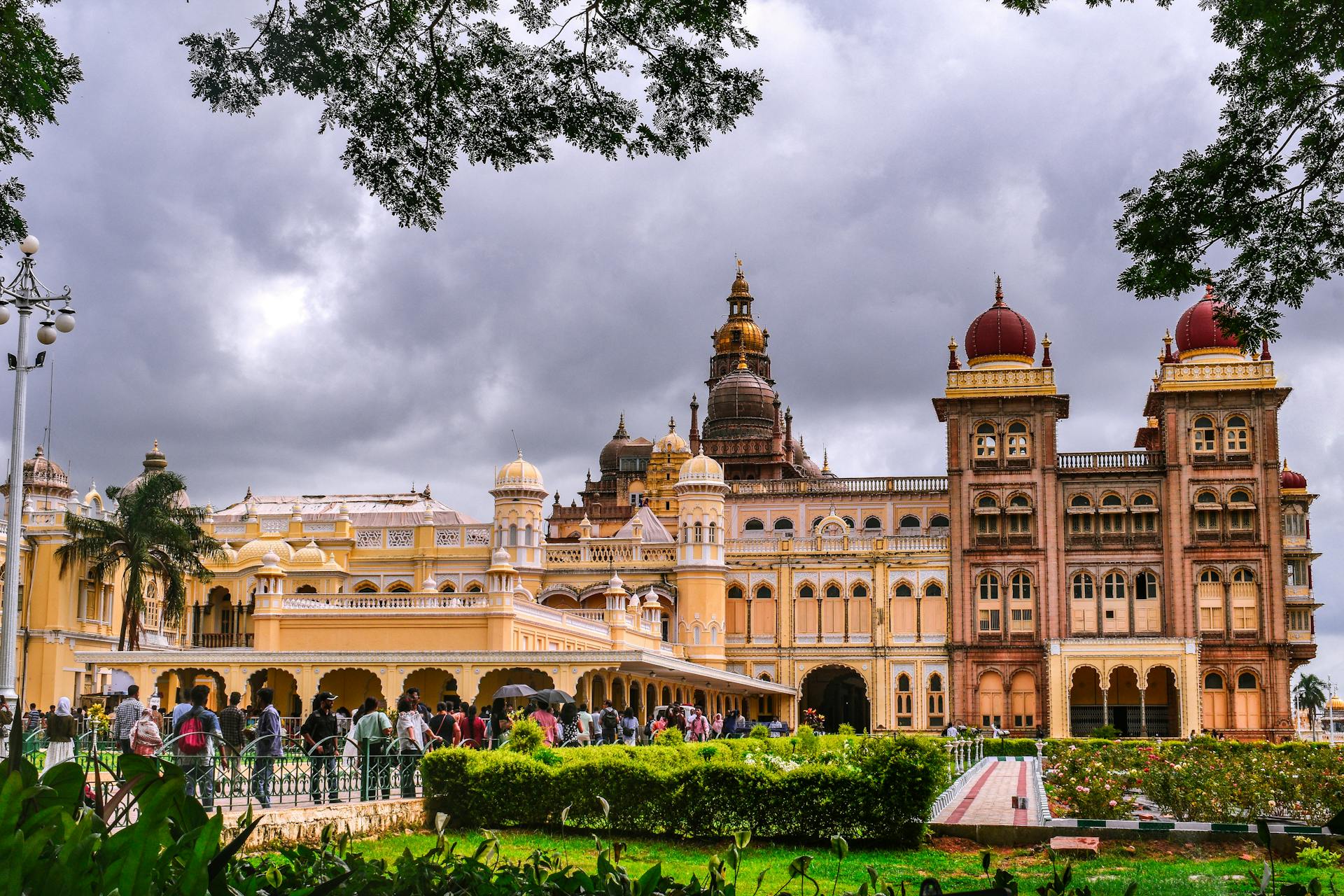
Urban gardens serve many purposes. Although they have always tended to be used as a purely decorative or ostentatious element in palaces, today, they satisfy different needs, including:
● Aesthetic function, particularly when there is a certain composition involved This can be through flowers, trimming bushes into shapes or simply rewilding the environment.
● Water filtration function. Gardens, unlike pavements, allow water to reach the subsoil. Rain gardens are a form of garden specifically designed for this low-cost drainage system.
● Pollution fighting function.Vegetation acts as a filter for particulates, absorbing noise and cooling the air.
Common errors when designing an urban garden
Some of the most common errors found in urban gardening include:
1. Use of non-local species

Green lawns and striking colorful flowers are commonly found in gardening, but often they are not local or endemic species. The costs of nutrients and water in these gardens is extremely high, which is a problem in dry climates.
Ideally local plants should be used. Although green lawns have greater presence and the flowers are aesthetically "more attractive" (obviously, this is subjective), rockrose or an aloe vera plant require very little water.
2. Pulling out or cutting ‘weeds’
‘Non-productive’ or unaesthetic plants have been classified as ‘weeds’ when they in fact do a vital job in ecosystems. Some help to condense droplets that permeate the soil and reach nearby plants. Others bring nutrients up from the soil for other neighboring plants that cannot reach them. Some people ‘abandon’ gardens as part of a horticultural disobedience aimed at ecological restoration.
3. Planting allergy-triggering, toxic and thorny species
Not everyone is allergic to the same compounds, but there are some relatively universal allergens that affect a considerable percentage of the population. Avoiding planting them and looking for alternatives is always possible because there are local substitute species (that can occupy the ecological niche of another) for practically any species. Likewise, it is worth avoiding species that are toxic to people and pets; or those with thorns.
4. Planting invasive species
An invasive plant can wreak havoc in an urban ecosystem -which is already significantly vulnerable due to the fragility of the ecosystem- regardless of how pretty it is. Learning about invasive species by checking the catalogue with a specialist is always a good option.
5. Not having a clear idea of the purpose of the urban garden
Why are we planting in cities, is a question that all urban planners should ask themselves, because not all species behave in the same way or have the same benefits and co-benefits. Apart from providing more shade, others are home to more insects, and others are nutrient fixing, etc.
It is not always possible to maximize everything, and it is important to understand the reasons for the garden. To filter water? Prevent heat? Compensate the gray infrastructure? Serve as an anchor for other species? Municipal technicians, often through rapid tactical urbanism measures, can experiment in order to identify better urban solutions.
Images | Chris Chatham, duong chung