



Table of Contents
Author | Elvira Esparza
Artificial intelligence is driving the transition from smart cities to cognitive cities: urban environments capable of learning from data, anticipating problems, and responding in real time. From predictive maintenance to digital twins, these technologies are transforming how mobility, safety, and infrastructure are managed.
Cities are evolving from smart cities into cognitive cities thanks to AI and other technologies that collect and interpret vast amounts of data to guide actions, primarily with the aim of automating processes and improving efficiency.
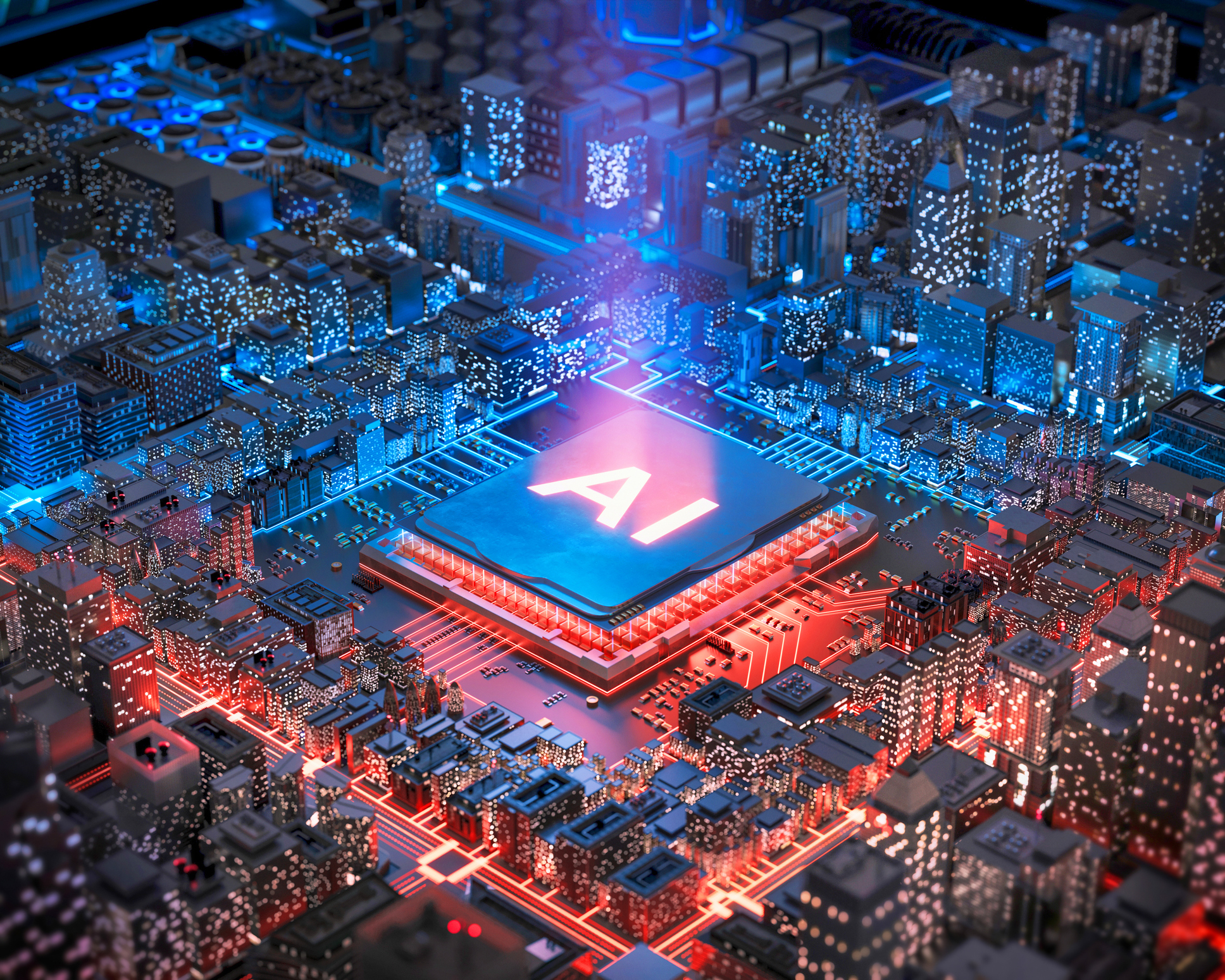
However, cognitive cities go a step further by incorporating AI, deep learning, and predictive analytics to develop the ability to learn and adapt, enabling real-time optimization. Put simply, AI allows cognitive cities to learn from data and make decisions accordingly.
How is AI used in cognitive cities?
AI can detect, analyze, and respond to situations involving public safety, mobility, and infrastructure management in real time. It can coordinate decisions across systems and services and translate them into real-world actions. This allows cities to anticipate problems before they occur and manage the appropriate response to each situation, optimizing resource use and keeping municipal services running.
Greater predictive capabilities
One of the defining characteristics of cognitive cities is their focus on prediction rather than reaction. Instead of responding to events after they occur, these cities anticipate them and take appropriate action. The integration of AI into smart cities has made this possible by analyzing historical data and predicting potential failures in real time, enabling cities to implement predictive maintenance rather than waiting until an incident occurs.
AI can process the vast amounts of data generated by the Internet of Things, satellite imagery, sensors, and administrative and social data, detecting anomalies more quickly and forecasting risks more accurately. This enables faster responses to disasters, extreme weather alerts, public health emergencies, and asset maintenance needs. By connecting systems and coordinating actions across departments, AI helps deliver faster, more efficient services.
Widespread use of digital twins

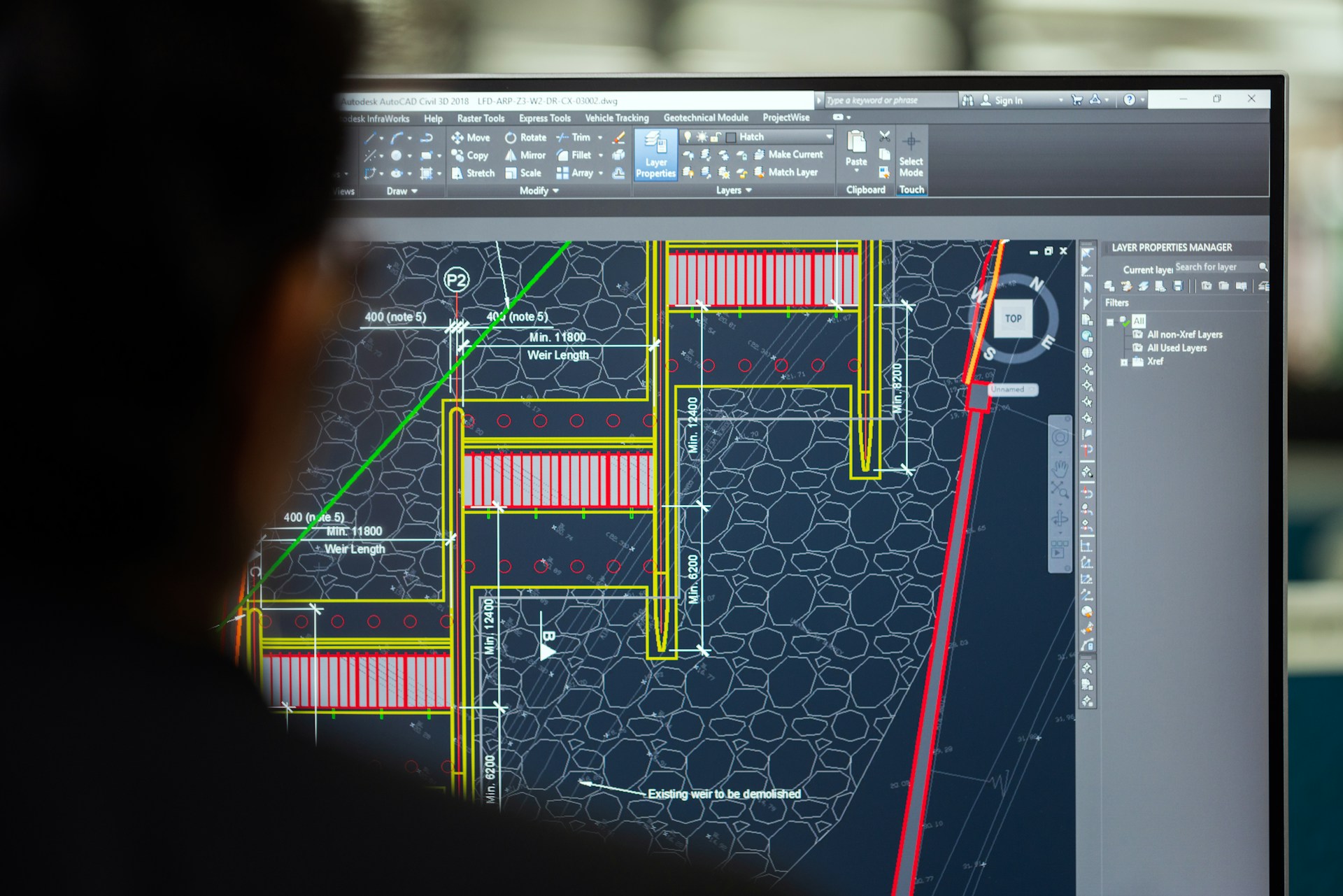
By applying AI to data management, cities can simulate scenarios and model the potential outcomes of proposed actions. This is why digital twins play such an important role in cognitive cities.
Digital twins can simulate scenarios by combining real-time data with scenario models, allowing governments to understand the potential impact of any decision. Applications include evaluating infrastructure investments, changes in land use, and emergency responses, among others.
In Singapore, Virtual Singapore integrates data on buildings, mobility, public services, and infrastructure. By feeding real-time data from buses, traffic lights, and waste containers into the platform, teams and operators can adjust transportation routes and schedules in real time.
In the United States, the Broward Metropolitan Planning Organization’s Smart Metro platform coordinates housing, zoning, population, and transportation data. Planners can model future scenarios, predict land use trends, and assess how flooding will affect future infrastructure.
In Helsinki, the Energy and Climate Atlas is a publicly accessible digital twin of the city’s buildings. Residents and businesses can use this tool to explore renovation options, calculate energy savings, and identify pathways to decarbonization.
The use of digital twins is leading to greater automation of routine coordination tasks, but humans remain responsible for high-stakes decisions. Nevertheless, digital twins are evolving from static representations into active decision-support systems that improve the implementation of decisions before they are put into practice.
By combining artificial intelligence, IoT connectivity, and insights from digital twins, cities can improve their efficiency and ability to anticipate challenges. At first glance, the only major obstacle preventing cognitive cities from reaching their full potential is the need for continuous investment in data quality, digital infrastructure, and, above all, training people to develop the skills needed to take full advantage of everything a cognitive city has to offer.
Photos | FangXiaNuo/iStock, sutlafk/iStock