The Rise of Intermediate Cities in the Talent Race
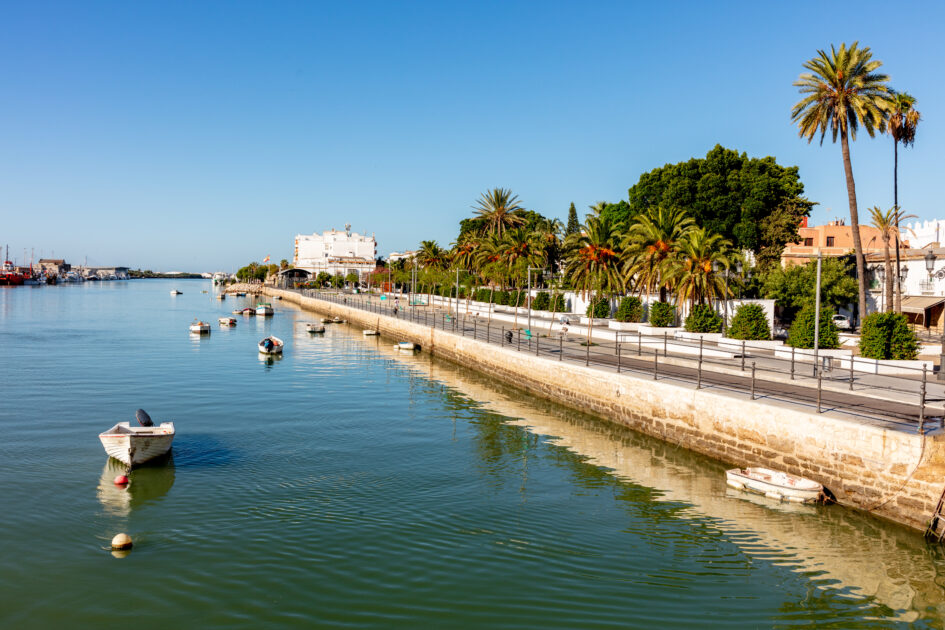
Affordable housing, shorter commutes, and greater livability are helping intermediate cities like El Puerto de Santa María, Spain, win the race for talent.
City Resilience Framework: what if resilience is not about going back, but moving forward?
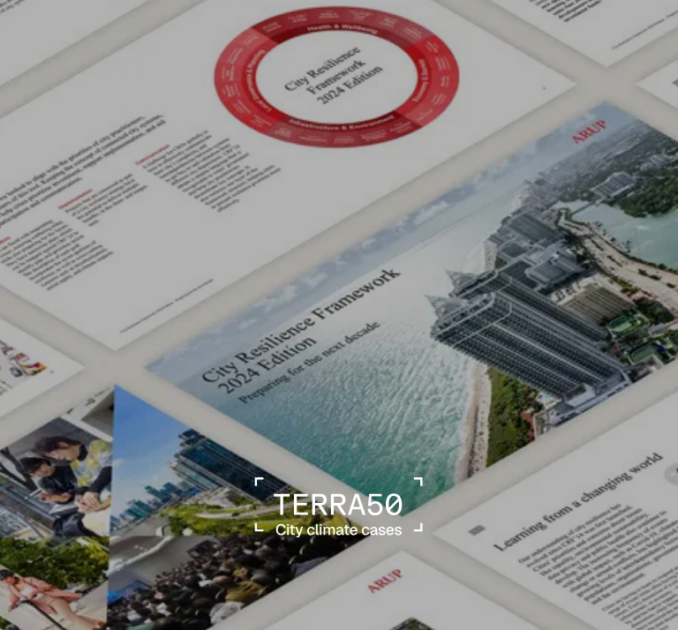
Learn how the City Resilience Framework helps cities address climate risks, infrastructure challenges, and social vulnerabilities through a systems approach.
Innovation is the currency of cities

Cities are racing to adopt AI but often lack the budget and expertise. EU Cities Gateway is sharing solutions, skills and data to accelerate progress.
Toronto’s AI Planning Revolution: Can AI Make City Permits Faster?

Toronto is testing artificial intelligence to conduct preliminary reviews of building permit applications. To this end, the city has created the CivCheck platform, where applicants upload plans and documents for AI review before formally submitting them as part of the municipal permit application process.
Over Easy Solar: what if a rooftop could be both green and solar?
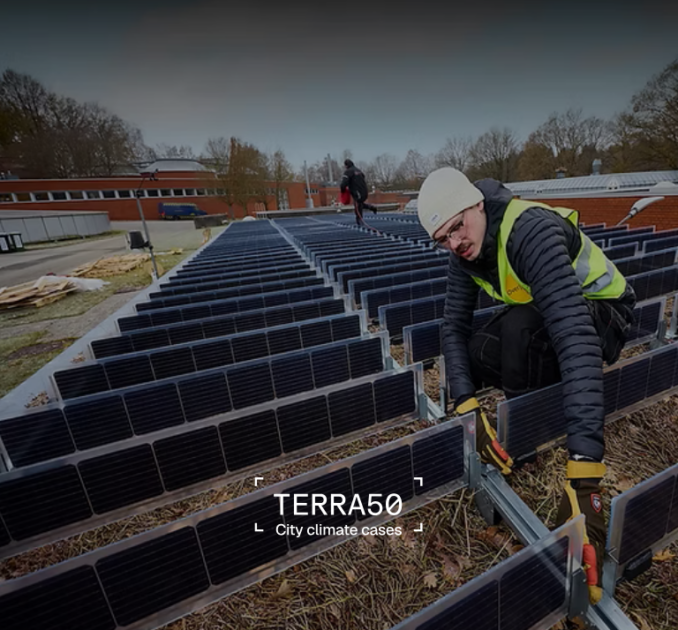
Discover how green roofs and solar panels can work together. Over Easy Solar’s vertical PV technology turns rooftops into multifunctional urban infrastructure.
The Invisible Technology Making Cities Smarter and Safer

Smart cities have data and telecommunications networks comprising fiber optics, 4G and 5G mobile networks, and low-power networks for connecting sensors; smart electrical grids or smart grids that integrate renewable energy generation and smart meters to balance supply and demand; public service networks that connect street lighting, water management, and waste collection; and IoT networks such as LoRaWAN that connect devices and sensors to collect real-time data.
Micromobility Meets High-Speed Rail: Designing Integrated Transportation Hubs

Micromobility matters for everyday life, but also for addressing last-mile challenges and as a connectivity component within a much broader, multimodal transportation system.
Cities are not ready (yet) for self-driving cars: these are the key aspects holding them back
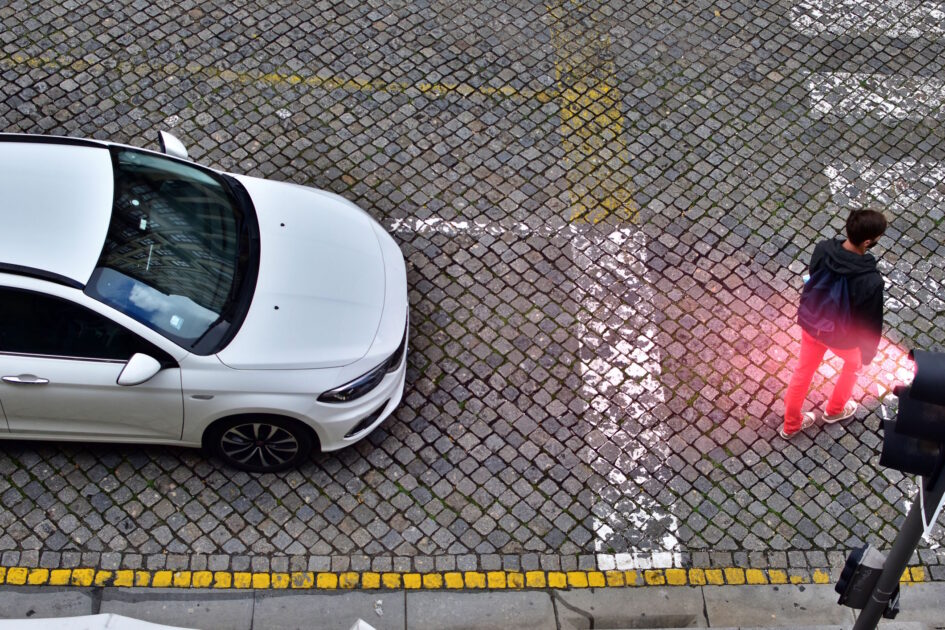
Why are our cities not yet ready to welcome self-driving cars? In this post we tell you all about it and analyze what progress we still need to make.
The challenge of redesigning cities to adapt to an ageing population

Urban environment is primarily designed for young people of working age. How are cities meant to cope with an ageing population?
City Forest Credits: How much is a tree worth to a city?

How much is a tree worth to a city? Explore how City Forest Credits turns urban forests into a long-term climate infrastructure with measurable value.