



Table of Contents
Author | Jaime Ramos
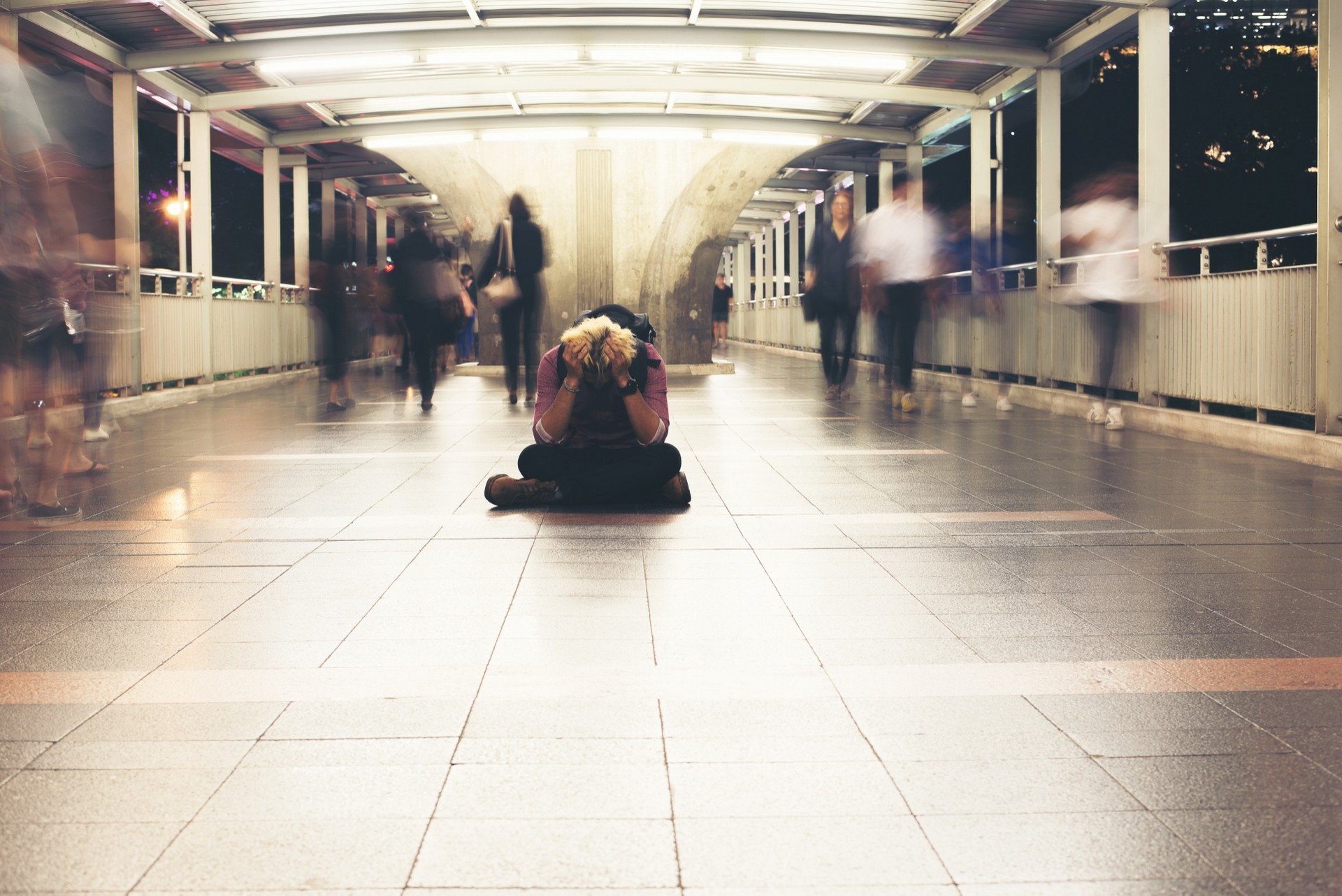
Cities, as we know them, are not good for people’s health. It is only recently that we have discovered and started to be more aware of the importance of urban dynamics on mental wellbeing.
The COVID-19 pandemic helped raise that degree of awareness. As the UN mentioned on World Mental Health Day 2022, held on October 10, in the first year of the pandemic alone, the number of people affected by depression and anxiety increased by 25%.
Why is mental health worse in cities?
The stereotypes of tranquil rural lifestyles and stressful urban lifestyles hide some truths that lead us to more complex explanations. According to the Centre for Urban Design and Mental Health (UD/MH) city dwellers are 20% more likely to suffer anxiety and have a 40% higher risk of depression. And the risk is double in the case of schizophrenia. It is a historical debt that has taken some time to pay off.
There is not a single cause, but rather a combination of factors that interact to make certain groups more susceptible and vulnerable. The UD/MH divides them into three groups:
- Genetic disposition, activated when submitted to urban dynamics.
- Social factors, such as inequality, poverty, crime, insecurity, etc.
- Environmental factors: lack of access to green spaces; all forms of pollution, including acoustic, lighting and air pollution; and even the hustle and bustle of cities, lack of light or urban smells can affect those that are most sensitive.
Measures for caring for citizens’ mental health

By recognizing this, we run the risk of taking a simplistic stance and blaming cities. It is not about condemning them, but rather changing the dynamics that fuel these negative aspects. This would enable us to take advantage of the greater opportunities offered by cities. What type of policies do mentally healthy cities promote?
Social inclusion
The first and undeniable step is to combat inequality and invisible borders. Fostering a sense of community from a mental health perspective includes launching initiatives such as the Accessible Mental Health Challenge in New York.
Focusing on young Latino citizens, it aims to combat a shocking statistic within this population group: one in five young Latinos has considered suicide at some point. It is no trivial matter that this figure refers to the most disadvantaged neighborhoods.
Human-centered designs, green spaces and pollution

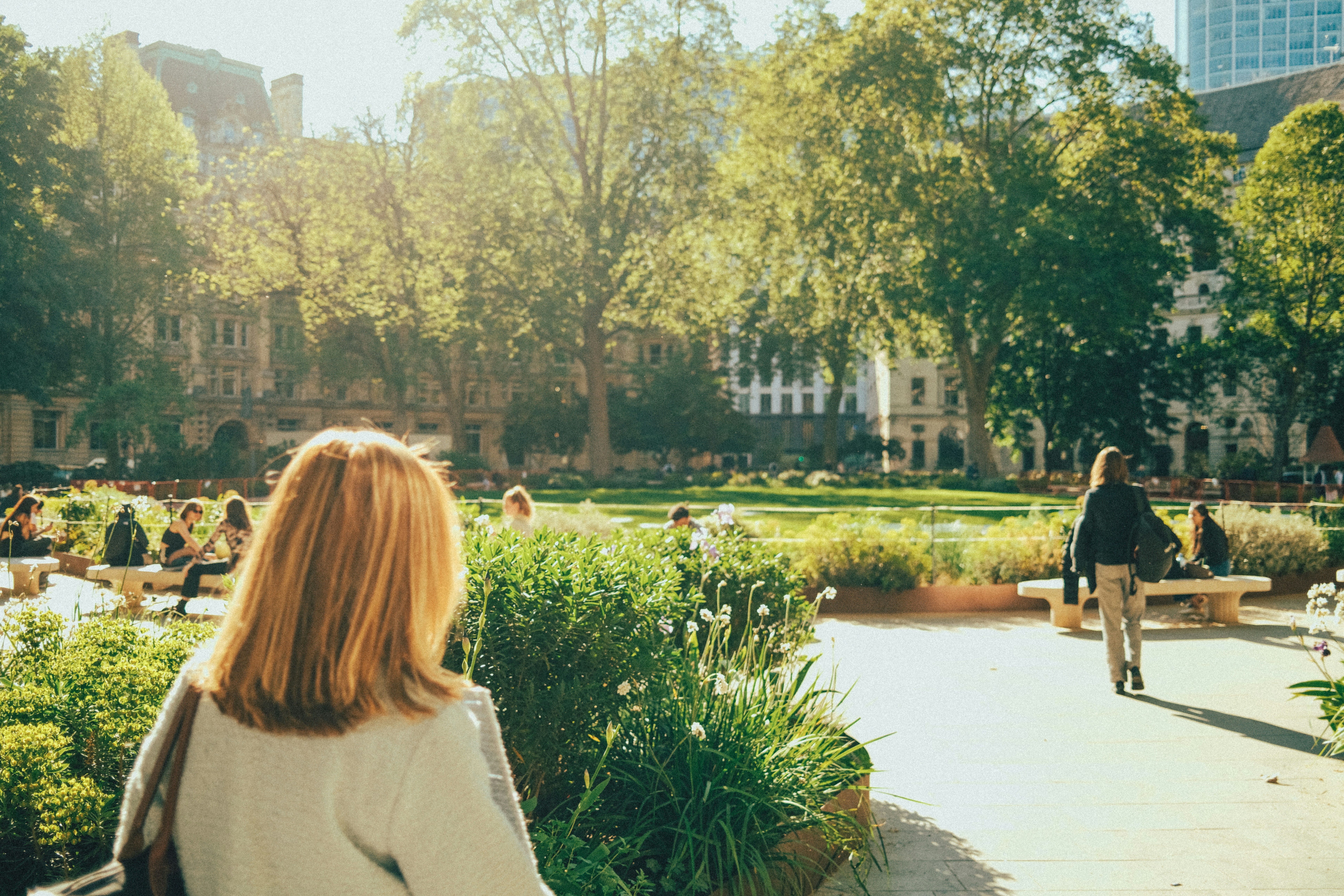
Cities must be designed by and for people. This mantra has a crucial impact on the health of city dwellers. The key to mental health is closely related to the inclusion of more green spaces.
It has been proven that increasing the time spent in nature, combined with sport and healthy habits, has a positive impact on mental health. Studies have found that a 60-minute walk in nature decreases activity in the brain regions responsible for managing anxiety and stress. Therefore, it is essential to try to reduce pollution, which has a negative impact on health and quality of life.
Access to health models that take into account mental health
Cities can do a great deal in this area, which involves mental health professionals: from the application of Big Data; to the development of technology solutions such as apps, designing programs, help groups and managing emergency situations.
Images | Freepik/jcomp, Freepik/lifestylememory, Joshua Fuller/Unsplash