



Table of Contents
This is a guest post by Lucía Bellocchio, founder and executive director of Trend Smart Cities. Lucía has extensive experience working on urban innovation, and has written in leading media outlets in South America like La Nación, El Observador, Clarín or TN.
For years, we have measured a city’s intelligence by the number of sensors it installed, the data it generated, the services it connected, or the administrative procedures it digitized. All these developments remain necessary, but they are no longer enough.
A city may have the most sophisticated technology and still be difficult to understand, exhausting to navigate, or indifferent to the needs of those who live in it. It may provide an app for every service and still force people through fragmented urban experiences. It may operate efficiently as a system while feeling deeply unwelcoming in everyday life.
The next stage of smart cities will not be defined solely by how much cities know, but by how they make us feel. This is where a concept that will become increasingly relevant to the urban agenda comes into play: Smart Urban Hospitality.
Hospitality is not just about tourism
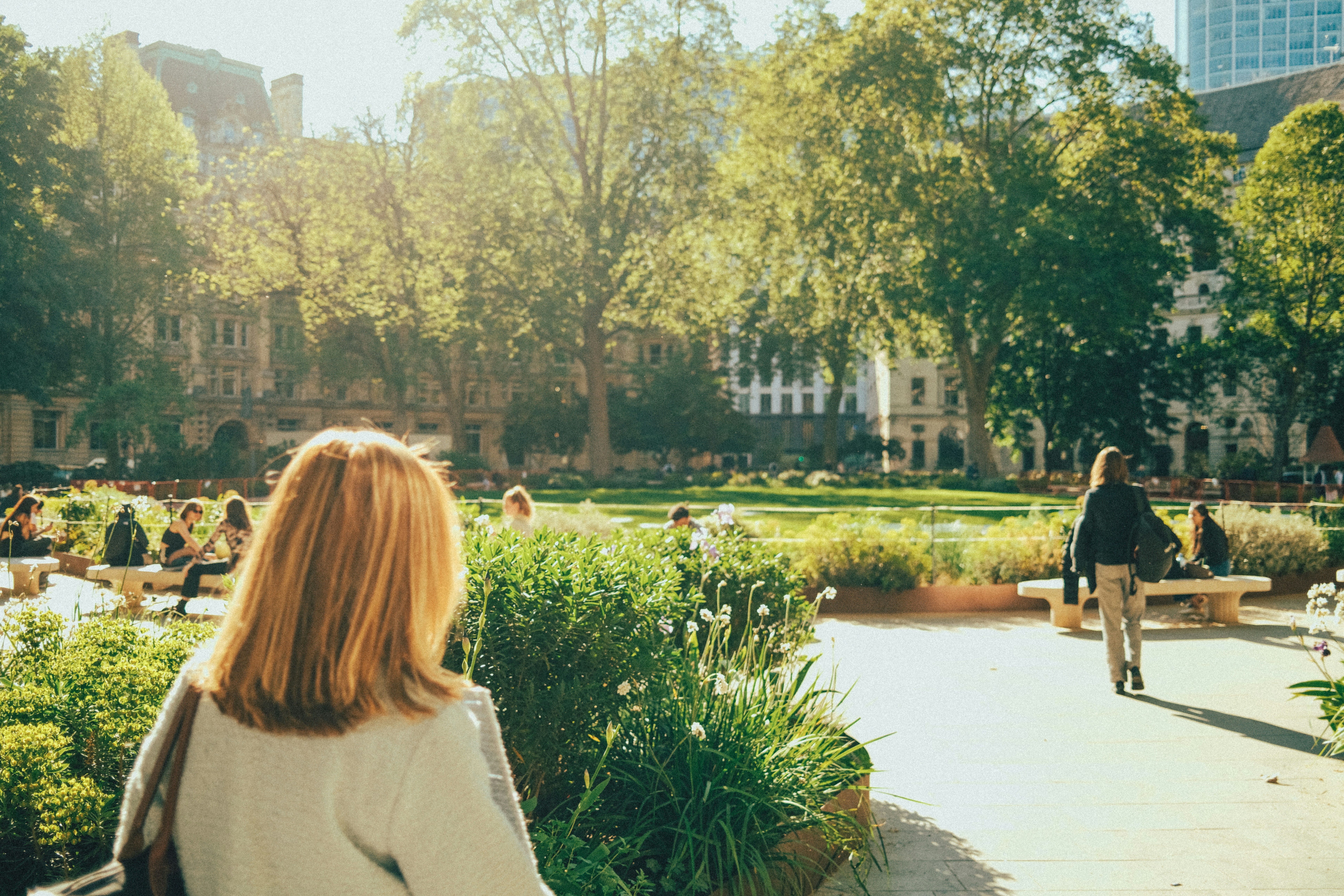
When we talk about urban hospitality, we are not referring exclusively to welcoming tourists. We mean a city’s ability to welcome, guide, care for, and support everyone who moves through it.
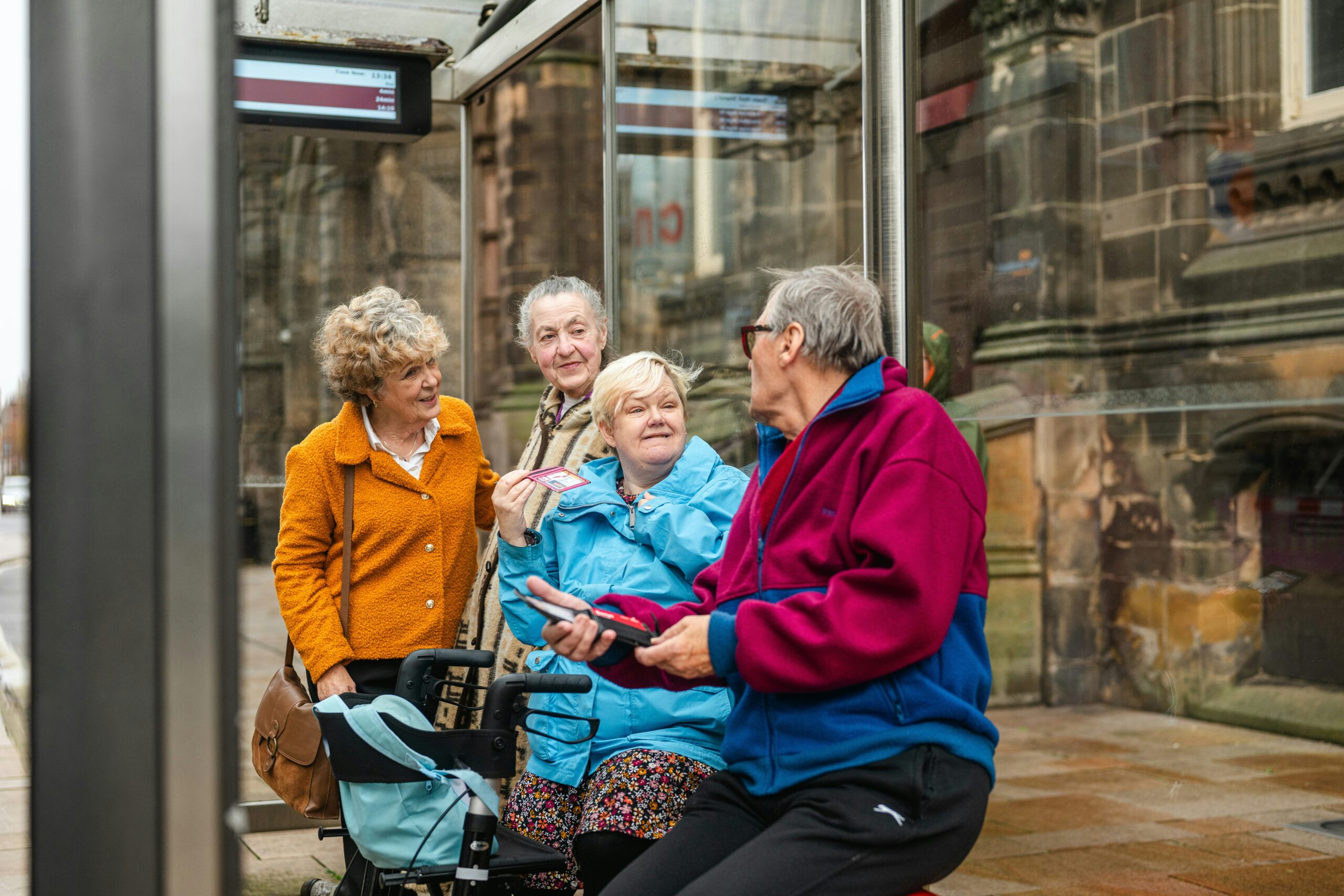
Hospitality can be found in seemingly small decisions: a sign that can be understood without effort, shade where people have to wait, a bench for resting, an accessible restroom, a station that clearly anticipates the next step, a public service that does not require people to understand the government’s internal structure, or a quiet space within an overstimulating environment.
These may be different interventions, but they all respond to the same question: What kind of experience is this person having? Having lived in different countries, traveled to many cities through my work, and experienced urban life as the mother of a young child on the autism spectrum, I have learned to pay particular attention to these details. Some cities seem to welcome us, while others force us to decode them. Some explain, anticipate, and support. Others place the entire burden of adaptation on the person trying to navigate them.
The difference does not always depend on large budgets or futuristic infrastructure. It can often be found in a well-placed sign, the way a public employee responds, the availability of somewhere to sit, or information that appears exactly when we need it. This is one of the things I try to observe when looking at a city through my “smart city lens”: not only the technology it uses, but the experience it creates.
From managing services to designing journeys
Consider something as ordinary as completing a municipal procedure. The experience does not begin when a person reaches the service desk. It begins when they try to find out which documents they need, how to get there, whether the building is accessible, how long they will have to wait, or what happens if they are unable to complete the process.
A city seeking to advance toward Smart Urban Hospitality should therefore map these complete journeys and identify the points of friction: where people get lost, have to wait, become overwhelmed, abandon a process, or need to ask for help.
Jane Jacobs taught us to look at cities through the life taking place on their streets. Jan Gehl insisted that we should think first about life, then about spaces, and finally about buildings. More recently, Carlos Moreno placed proximity and everyday time at the center of the urban debate through the 15-minute city.
Technology can play an extraordinary role. Data can help cities anticipate demand, personalize information, and identify barriers that previously remained invisible. Artificial intelligence can simplify administrative language, provide contextual guidance, and adapt services to different needs. Sensors can help us understand flows, temperatures, noise, or occupancy levels. But technology delivers real value when it disappears into a simpler experience. True innovation is not about adding another interface. It is about reducing the effort that a city demands from its people.
The early signs of this shift are already visible
Some cities are already moving in this direction, even if they do not yet call it Smart Urban Hospitality.
Helsinki has built much of its international positioning around the ambition of being a functional city. Its participation model explicitly links a positive urban experience to high-quality services and communication between local government and residents. Innovation is not presented as an end in itself, but as a means of making the city work better in everyday life (United Nations).
In Paris, the Cours Oasis program is transforming paved schoolyards into green, permeable, and shaded spaces. The initiative began as a response to extreme heat, but it has created something broader: places for care, play, and social interaction that can also be opened to the surrounding community. Climate infrastructure thus becomes an everyday experience of well-being (Climate-ADAPT).
Urban experience must also be measured
If experience is to become the new frontier for cities, we will need new ways to assess it. Traditional urban indicators tell us how long a journey takes, how many administrative procedures have been digitized, or how many square meters of green space exist per resident. But they tell us very little about how much anxiety a wait creates, whether someone can understand the signage, whether they feel safe, whether they can find somewhere to rest, or whether a digital service is genuinely easy to use.
The aim is not to replace efficiency metrics, but to complement them with urban experience indicators. We could measure the effort required to access a service, points of disorientation inside a station, the availability of places to pause, the sensory load of certain journeys, the clarity of public information, or the sense of autonomy experienced by older people, migrants, children, and neurodivergent people.
We might even begin by measuring something as simple —and revealing— as the number of times a person needs to ask for help in order to use the city. What we do not measure tends to remain outside decision-making. For too long, we have measured how well systems function without adequately measuring the experiences those systems produce.
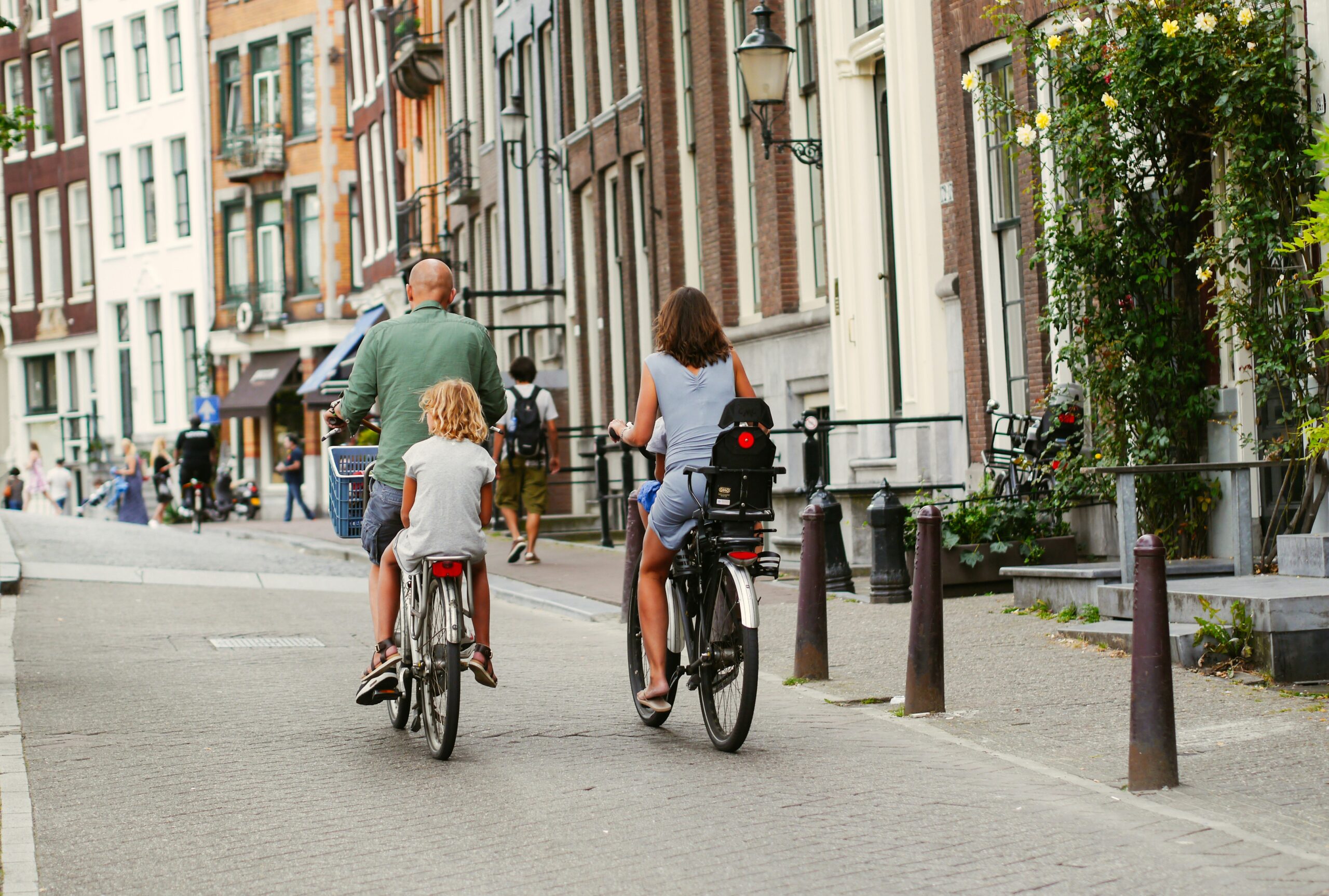
A new phase of smart cities has begun
We are entering a new phase of the smart city paradigm. The first phase focused on infrastructure and connectivity. The second brought data, platforms, and digital services into the equation. The phase now emerging places urban experience at the center. This does not mean abandoning technology, but giving it a more human direction. Nor is it simply about making cities “friendlier” as a superficial gesture. It means recognizing that ease of use, clarity, autonomy, well-being, and the ability to participate are also urban outcomes.
This perspective connects directly with the concept of my last book Blue Cities: accessible, sensitive, and empathetic cities capable of recognizing the diversity of bodies, perceptions, and ways of inhabiting urban space. A Blue City does not assume the existence of a standard citizen. It offers options, enables anticipation, reduces unnecessary stimuli, and recognizes the right to pause. In this sense, hospitality can become a new layer of urban intelligence —one that brings together physical design, technology, information, and care. The decisive question for governments will no longer be only whether their cities are efficient, sustainable, or connected. It will be whether people can arrive, find their way, stay, participate, and return without the urban experience becoming an obstacle course.
A truly smart city is not the one that displays the most technology. It is the one that uses all its intelligence to make everyday life a little easier. The new phase of smart cities has already begun. And its defining indicator will not be technological —it will be the quality of the experience cities are able to provide.
Photos by Foto de Ayotunde Ikuesan, Centre for Ageing Better, Nik Schmidt & Dana Marin (Amsterdamian)