



Table of Contents
Author | Arantxa HerranzHow many people live in poverty in the world? This is a difficult figure to calculate, but recent estimates indicate that 736 million people live on less than $1.90 a day.Although this figure has fallen in recent years, the number of vulnerable people is expected to rise as a result of the COVID-19 crisis. Job losses, loss of savings, price increases and service interruptions including education and health services, may also have a greater impact on those that have the least.Given this situation and since there are more people with a mobile phone than a bank account, can technologies such as Big Data help eradicate poverty?
Data for sustainable development
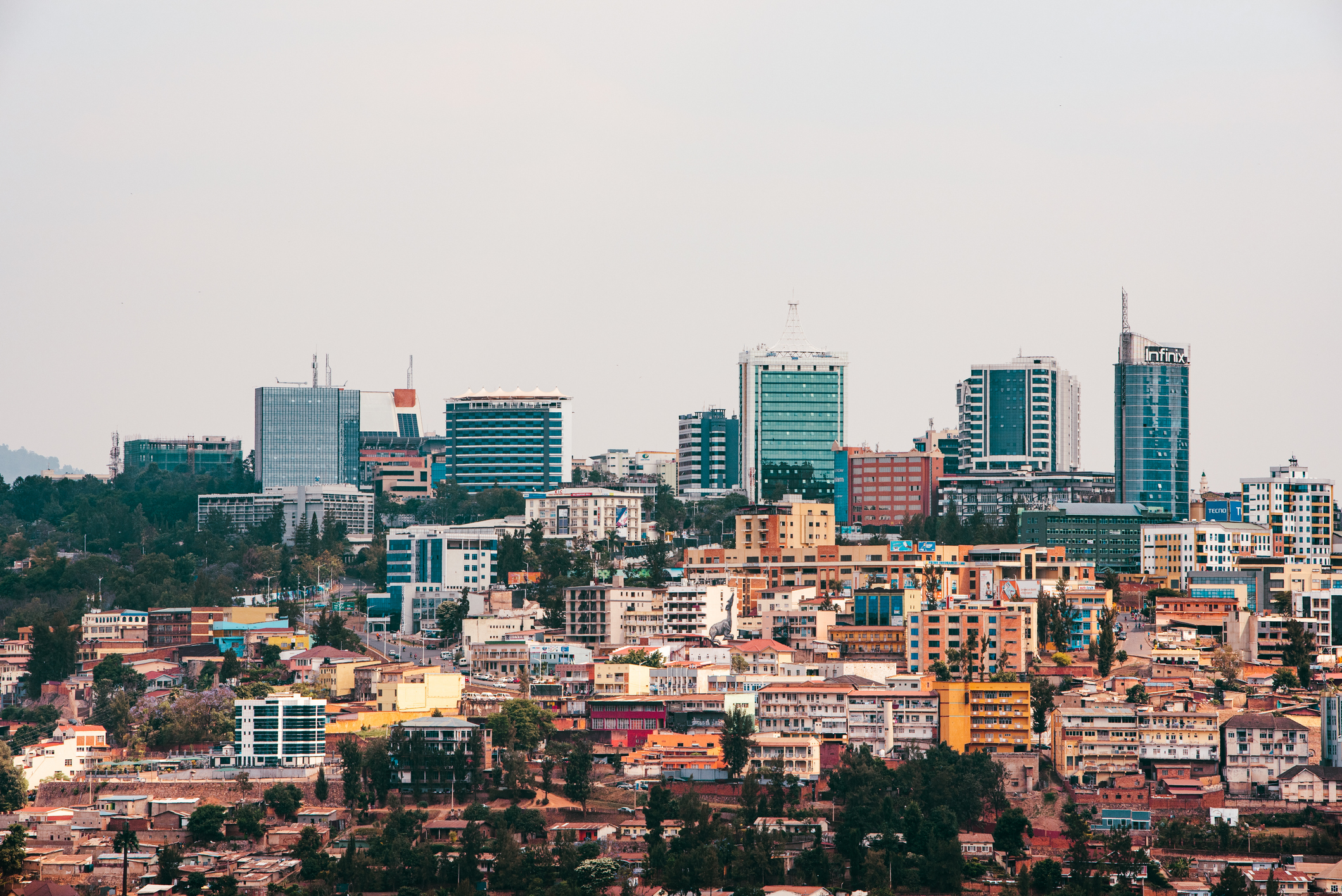
First we would need to know exactly how many people live in precarious conditions, how these figures have evolved and what those that lie ahead may be like. And, obviously, segment the data by geographical areas. This is the aim of this world poverty clock, which shows how these numbers are changing and estimates for the coming years by regions.Meanwhile, Data-Intensive Development Lab is a laboratory at the Berkeley University that explores how new sources of data and new computer algorithms could boost global sustainable development. This research project uses automatic learning and econometric models to transform new sources of data into reliable economic indicators. It is also studying how mobile phones and other digital technologies can provide financial services for the poor, and whether these services improve quality of life.One of the lines of research wants to address real-time measures in terms of poverty and vulnerability. But the researchers know that this is a complicated task, since the data used to focalize poverty are not very reliable: not all countries have national statistics (particularly in Africa, one of the continents most affected by poverty) and, if they do, they are not very reliable.However, the director of this laboratory, Josh Blumenstock, has adopted the famous saying that goes: “Not everything that can be counted counts and not everything that counts can be counted”. Although the aim is to measure the wellbeing of people, he believes this cannot be measured directly.He also explains the complexity of these projects, since it is impossible to establish homogeneity in all the data, scales and statistics. “We would never use a model that fits in Rwanda and apply it to Kenya without first knowing how much we expect the model’s prediction to be degraded. Likewise, we would never expect the model applied in 2016 to be exact in 2018”, he explains.But the results of some studies conducted in Afghanistan, Indonesia and Rwanda, illustrate how large-scale data from mobile phone and satellite networks can be combined with field experiments and surveys to better understand the causes and consequences of global poverty.https://www.youtube.com/watch?v=oixPBvfdjws
The World Bank’s efforts
However, the efforts to use data and technological tools for sustainable development are not only found in the world of research. The Global Bank is also convinced that things can be done to help developing countries use innovation and build the human capital they need to compete in the global economy.One of these initiatives is SWIFT (Survey of Well-Being via Instant and Frequent Tracking ), which uses Big Data to calculate poverty. SWIFT collects samples of data that are representative of populations of interest and applies a series of formulas/algorithms to produce instant poverty statistics.In another initiative, the World Bank formed a partnership in 2018 with the GSMA (Global System for Mobile Communications Association) with the aim of working with its members to bring the power of Big Data and the Internet of Things to development challenges.Real-life Big Data use casesThis partnership materializes in various projects, such as AI for Impact and We Care. The basis is always the same: to use mobile phone data for sustainable development. Something that has been done for some years now. For example, during the reconstruction of Haiti after the 2010 earthquake or to monitor the movements of refugees in Africa.These are not the only innovation projects that use Big Data to help the most vulnerable. In China, the province of Guizhou developed a cloud computing platform to monitor the financial health of 6 million people living in poverty in 9,000 villages. In the Tongzi County, the government provided aid for the most disadvantaged groups and created a data platform to monitor the distribution of these subsidies to prevent embezzlement and fraud.Eradicating poverty is not an easy task, however, techniques such as Big Data can help us understand how it occurs and how it varies over time and the relevant regions, as well as helping to ensure that aid does actually reach those who need it the most.Images | Pexels