Table of Contents

Concular has been listed in Terra50, a new global, pioneering initiative spotlighting the 50 most impactful solutions addressing today’s most pressing climate challenges in cities. This article is written by Ana Villagordo Vegara, Project Manager and Explorer at Terra50. Click here for more details on Concular.
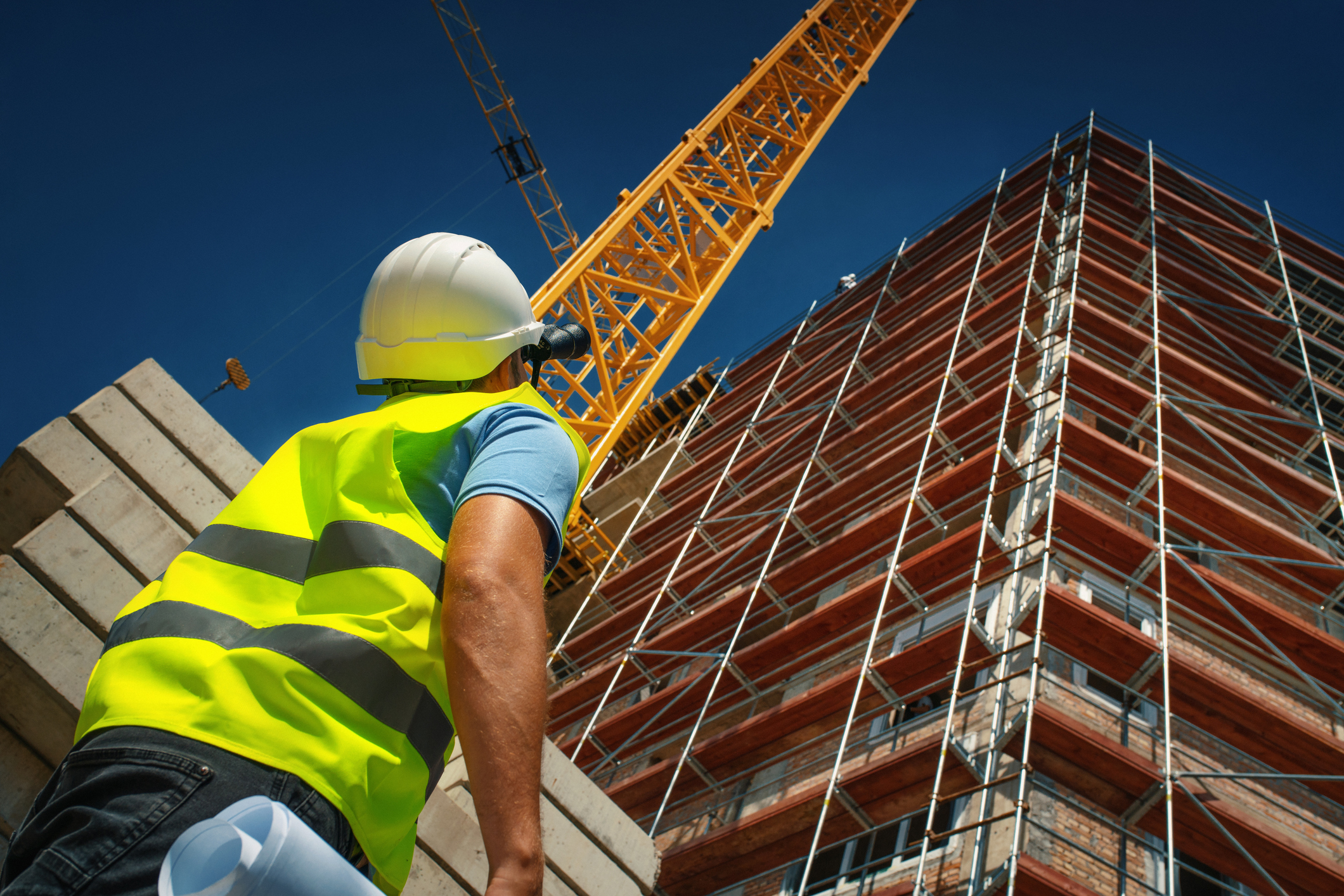
Europe is facing two seemingly contradictory challenges at the same time. Cities need to renovate millions of homes, offices, schools and public buildings to meet climate targets and improve living conditions. At the same time, the construction sector remains one of the largest sources of waste and carbon emissions.
Every demolition, refurbishment or renovation project generates tonnes of materials that are often discarded, even when many of them could be reused. The result is a system that consumes vast amounts of virgin resources while producing enormous volumes of waste.
But what if cities looked differently at the building stock they already have? What if buildings were not the end of a material’s life, but the beginning of its next one?
This is the question Concular has turned into a business model and, increasingly, into a new form of urban infrastructure. Buildings need large quantities of valuable materials to exist and function, just like any other product. The value of those materials remains throughout their useful life, but it does not disappear when that life comes to an end.
From waste management to urban mining
The construction sector is responsible for approximately 40% of global CO₂ emissions and 60% of total waste generation. Despite growing attention to circular economy principles, only a small fraction of construction materials are reused when a building reaches the end of its lifecycle. As mentioned above, this represents an enormous loss of material wealth and a major inefficiency, particularly at a time when one of the things the planet is increasingly running short of is resources, including minerals.
Concular’s premise is simple: cities already contain enormous reserves of valuable materials. The challenge is not finding resources, but identifying, certifying and moving them.
Founded in Berlin in 2020, Concular has developed a platform that combines pre-deconstruction audits, digital material passports and a marketplace for recovered construction materials. Before a building is renovated or dismantled, reusable components are identified and documented, and assigned a digital identity. These materials can then be certified, valued and reintroduced into new projects instead of being discarded.
The result is a circular system that transforms demolition from a waste stream into a new source of supply.
Urban circular construction can work at scale
Many circular construction initiatives focus on documenting materials. Concular goes one step further by making sure those materials actually circulate.
The company operates six Urban Mining Hubs across Germany, creating a physical network that stores, processes and redistributes recovered materials. Combined with its digital platform, this infrastructure helps address one of the main barriers to reuse: connecting supply and demand across different projects, timelines and locations.
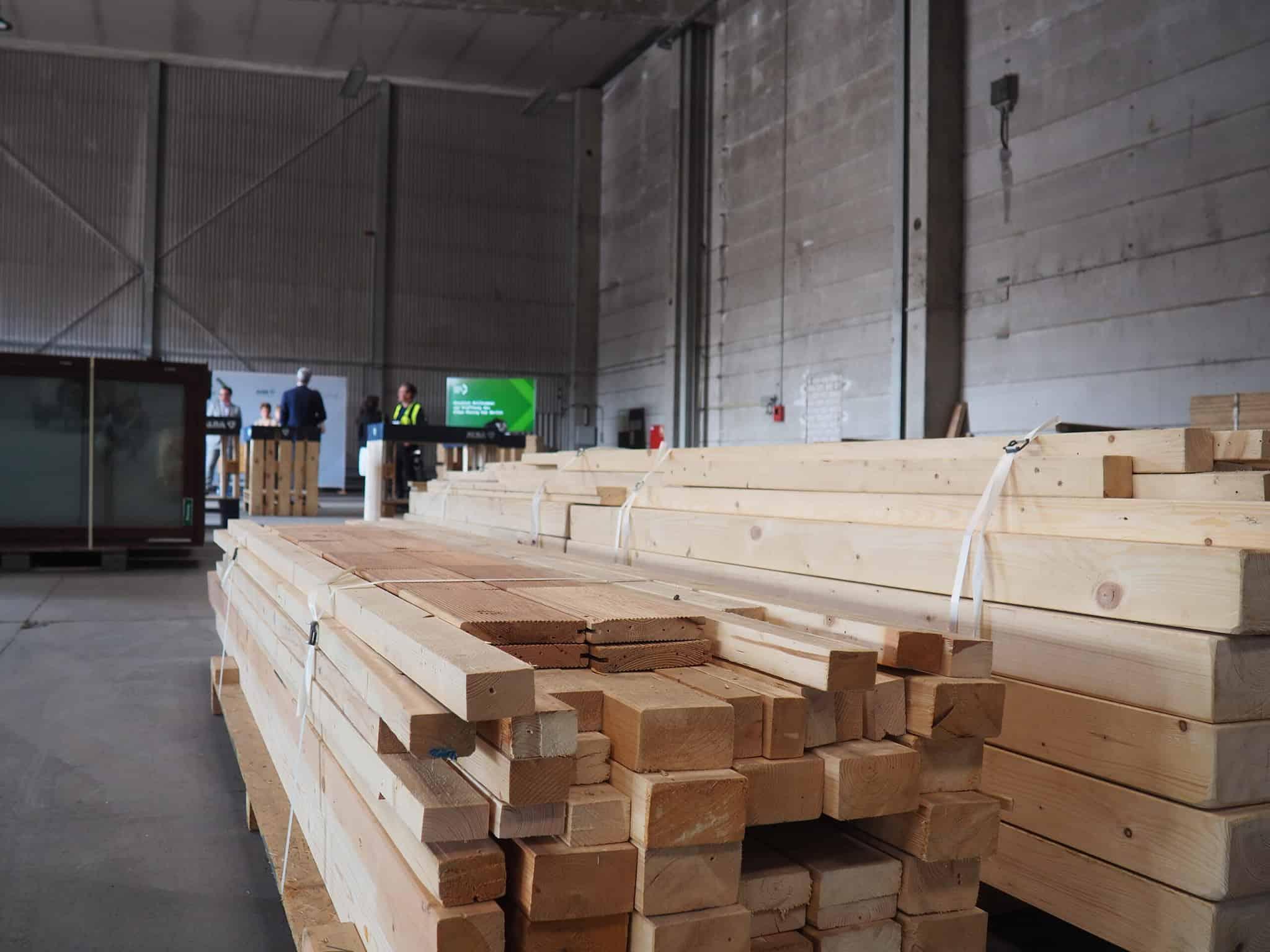
The figures indicate that this approach is moving beyond the experimental stage. To date, Concular reports:
- More than 15 million materials recovered and reintroduced into construction projects.
- More than 1 million tonnes of CO₂ emissions avoided.
- More than 1,000 buildings audited through standardized pre-deconstruction assessments.
- Six Urban Mining Hubs operating across Germany.
These figures show that material reuse can become a mainstream market rather than remaining a niche sustainability practice.
Two in one: more housing and fewer emissions
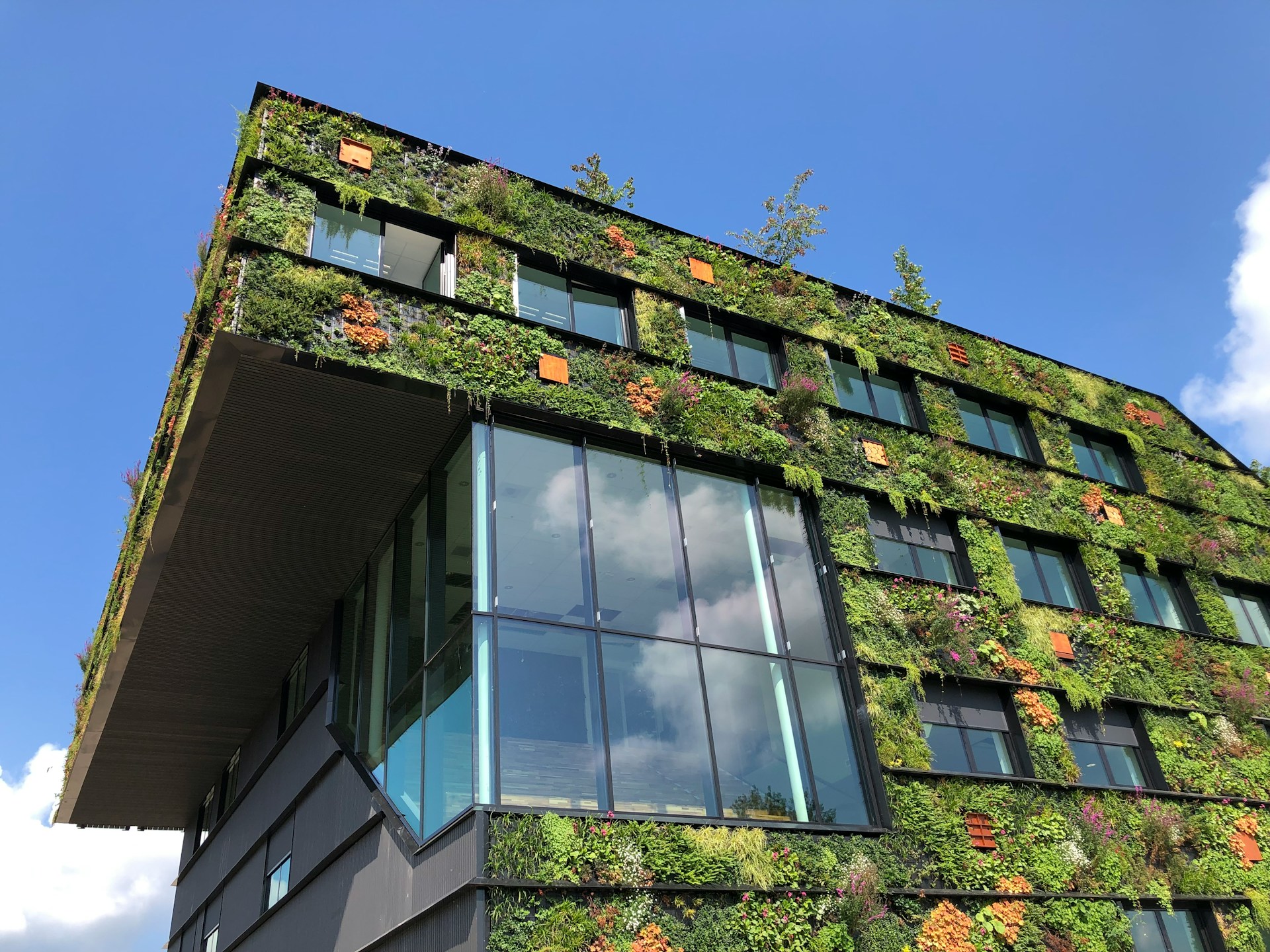
For city governments, the implications go far beyond waste reduction. Reusing a material instead of manufacturing it from virgin resources can reduce embodied carbon by more than 95%. It can also lower material costs by around 30%, helping to address one of the main challenges cities face today: how to accelerate renovation and housing construction without increasing environmental impacts or construction costs.
In this context, every renovation project becomes a potential source of certified, low-carbon materials. Housing shortages and climate targets are often presented as competing priorities. Concular suggests that both can be addressed through the same strategy.
From startup to European standard
Perhaps the most interesting aspect of the story is not technological, but institutional. Concular’s methodology has moved beyond being simply a company platform and has begun to form part of the foundations of emerging European standards. The company has contributed to the development of Germany’s audit and material passport standards and is actively involved in developing future European frameworks that will help shape circular construction across the continent.
This is often how urban transformations scale: not only through better products, but through systems that become replicable, interoperable and, eventually, standard practice.
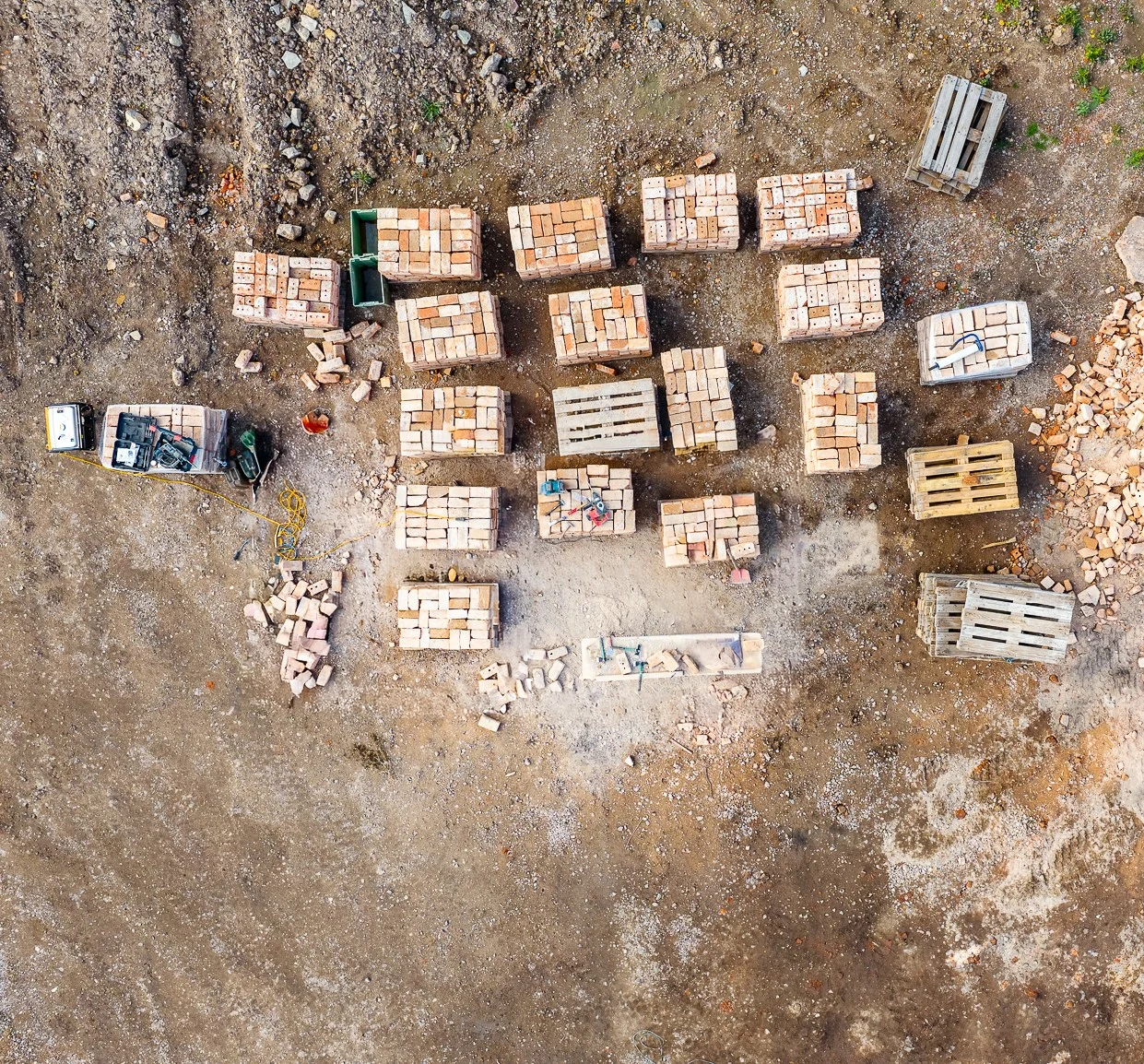
Demolition as a beginning, not an end
For decades, cities have treated buildings primarily as consumers of materials. Concular proposes a different perspective: cities as reserves of materials that are already in circulation. In this vision, demolition is not the end of a building’s story. It is the beginning of another.
As European cities look for ways to reduce emissions while delivering affordable housing and large-scale renovation, this shift in perspective may ultimately prove as important as any new technology.
»Click here for more details on Concular.
»The images in this article were provided by Concular.