



Table of Contents
Author | Elvira Esparza
The Australian city of Darwin has launched a data analytics platform designed to give residents and businesses easy access to a wide range of information generated through municipal services. The aim is to promote greater transparency so that community decision making can be better informed.
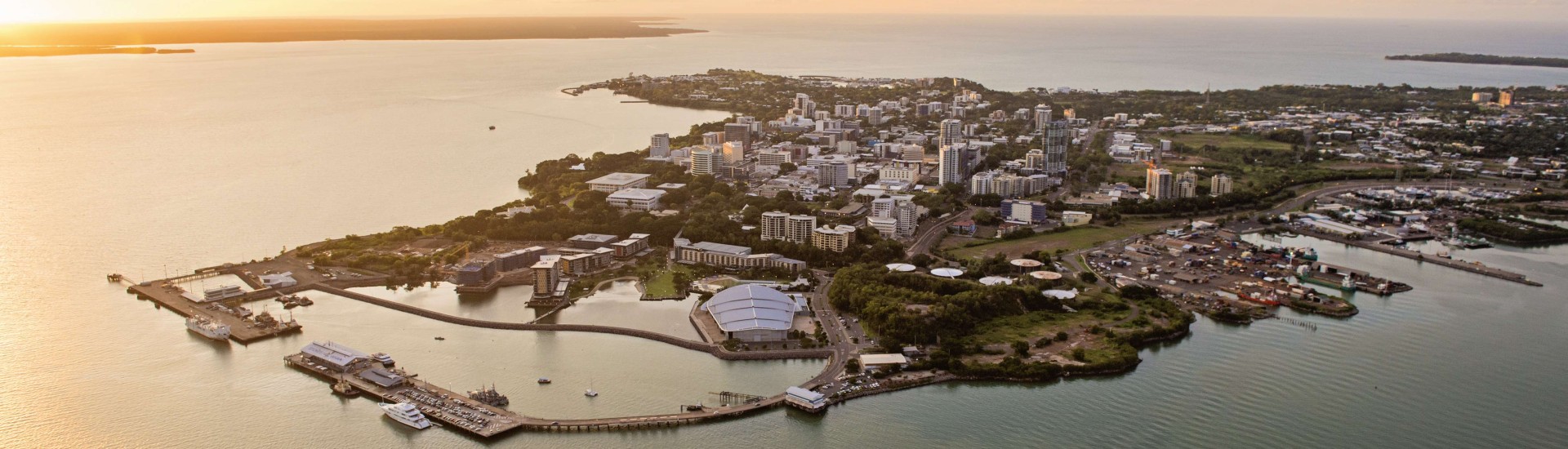
Darwin is located in tropical northern Australia and is the Australian capital city closest to Asia. In fact, it is closer to Jakarta than to the national capital, Canberra. Thanks to its location, it is an important national and international business hub, as well as a major tourist destination, with attractions including the George Brown Darwin Botanic Gardens, the Darwin Waterfront and the harbor.
When did the SmartDarwin project begin?
Darwin’s smart city project began to take shape in 2019, when the City Council launched digitalization programs using urban sensors. The aim of the initiative was to improve community life through connectivity, collaboration, sustainability and innovation.
In its initial stages, the SmartDarwin project was limited to public transport applications and tools that enabled residents and businesses to make data driven decisions in order to improve citizens’ wellbeing.
Essentially, the smart city strategy is built around three main pillars:
- Digital open governance to reduce costs and deliver more efficient services.
- A connected community that encourages citizen participation and business collaboration through digital services and open data.
- A digital economy supported by sensors, applications and interactive maps that facilitate both public and private decision making.
What is the City of Darwin data platform?
As part of its smart city strategy, Darwin has taken a further step this year with the creation of a data analytics platform designed to give residents and businesses easier access to a broad range of information generated through municipal services. The purpose of the platform is to promote transparency and support community decision making.
The platform is powered by IoT technologies through urban sensors and connected devices that generate real time information, as well as big data tools capable of analyzing large volumes of information to support decision making.
The platform provides data from public sources such as the Census and the City Council, helping residents and businesses better understand how the city operates. The information covers a wide range of topics, including economic development, climate and the environment, while also delivering real time insights.
What innovations does the Data Insights Platform introduce?
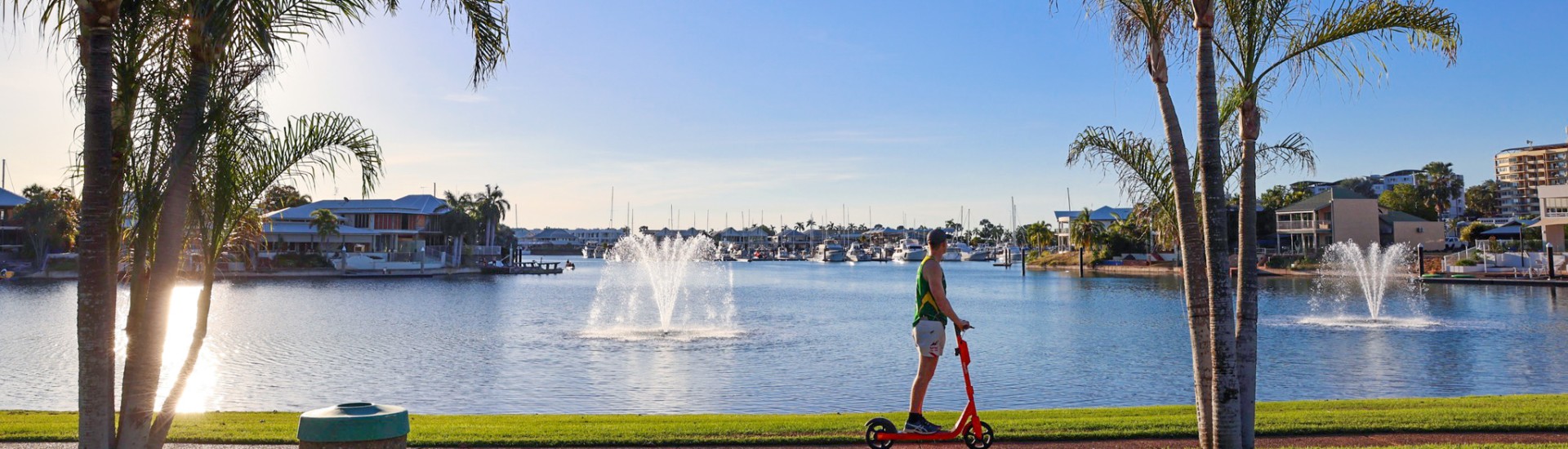
The data provided through the platform is presented via interactive dashboards and analytical reports, allowing users to access real time information updated 24 hours a day. For example, residents can check occupancy levels at public swimming pools and open spaces, monitor the use of shared pathways or track cruise ship arrivals. This allows mobility patterns and urban activity to be monitored in real time.
In addition, the platform offers data stories, which are essentially explanations designed to help users easily understand what the figures mean and why they matter, ensuring that the use of data is not limited to technical experts alone.
The City Council, meanwhile, collects data through the services it provides to the community, enabling it to understand how residents make use of those services.
The platform also integrates livability indicators such as green spaces, physical connectivity, safety and neighborhood demographic data, among others.
The information provided by the platform is also valuable for tourism, retail and hospitality businesses, as it enables them to make more informed decisions. One example of how these insights can be used in the retail sector is the ability to set opening hours based on real urban movement patterns.
How does the new data platform benefit the community?
The main benefit for residents is their continuous access to the platform, supported by clear explanations that help them better understand the data. In addition, because the information is open and accessible, it encourages community participation, helping to create a smarter, more sustainable and more inclusive city.
Users can also create their own graphs, charts and maps using the available data, and they have access to a wide range of practical guides to help them learn how to use the platform’s analytical tools.
With the launch of this data analytics platform, the city of Darwin has evolved from simple digitalization to a governance model based on open data and real time analytics.
Photos | City of Darwin