



Table of Contents
Author | Elvira Esparza
Regenerative design envisions cities that create lasting positive impacts by integrating sustainable solutions into urban development and actively involving citizens in the design process. It goes beyond sustainable design because it not only creates cities that minimize their impact and preserve the environment, but cities capable of giving back more than they consume, considering that they account for 75% of global resource consumption and emit 70% of greenhouse gases.
What is regenerative design?
Regenerative design emerges as a response to biodiversity loss driven by urban development. It represents an evolution of sustainable design. While sustainability aims to maintain what exists for future generations, regenerative design seeks to improve ecosystems and give them new life. In fact, regenerative design goes beyond environmental preservation, aiming not only to sustain but to restore, revitalize, and enhance natural and human systems through community participation.
Regenerative design views the city as part of a larger ecological system that must aim for a neutral impact and actively regenerate ecological and social systems. It is based on projects where people and the planet are the priorities.
The term originated in the 1970s to describe agricultural techniques focused on soil health, biodiversity, and the holistic restoration of ecosystems -permaculture. From there, it has spread to all fields: urban planning, architecture, finance, tourism, fashion…
Basic principles of regenerative design
One of the features of regenerative design is the ability to adapt to environmental changes. This renewal is guided by several basic principles:·
- Continuous regeneration. It understands ecosystems as interconnected living systems and proposes solutions that improve the health of the environment and communities through the creation of green corridors, rainwater harvesting, and wastewater reuse.
- Community participation. People are an integral part of the ecosystem and take part in the design process to ensure it meets their needs and values. Car-free areas are essential for minimizing the environmental impact.
- Cultural values. Each project is based on a deep understanding of the place, its culture, and history. The design adapts to these unique characteristics instead of applying generic solutions.
- Social equity. It ensures a fair distribution of the benefits of sustainable development, healthy living conditions, and opportunities for the entire community. It prioritizes affordable, mixed-income housing to prevent displacement and gentrification.
- It creates solutions adaptable to environmental and social challenges and promotes energy and material self-sufficiency through natural processes. It supports renewable energy and smart grids to reduce dependence on fossil fuels.
Leading cities in regenerative design for urban development
Regenerative design is advancing in cities through projects that restore ecosystems, enhance biodiversity, and bolster community resilience. Notably, Singapore, Melbourne, and Copenhagen lead the way with innovative regenerative design initiatives in urban development.
Singapore
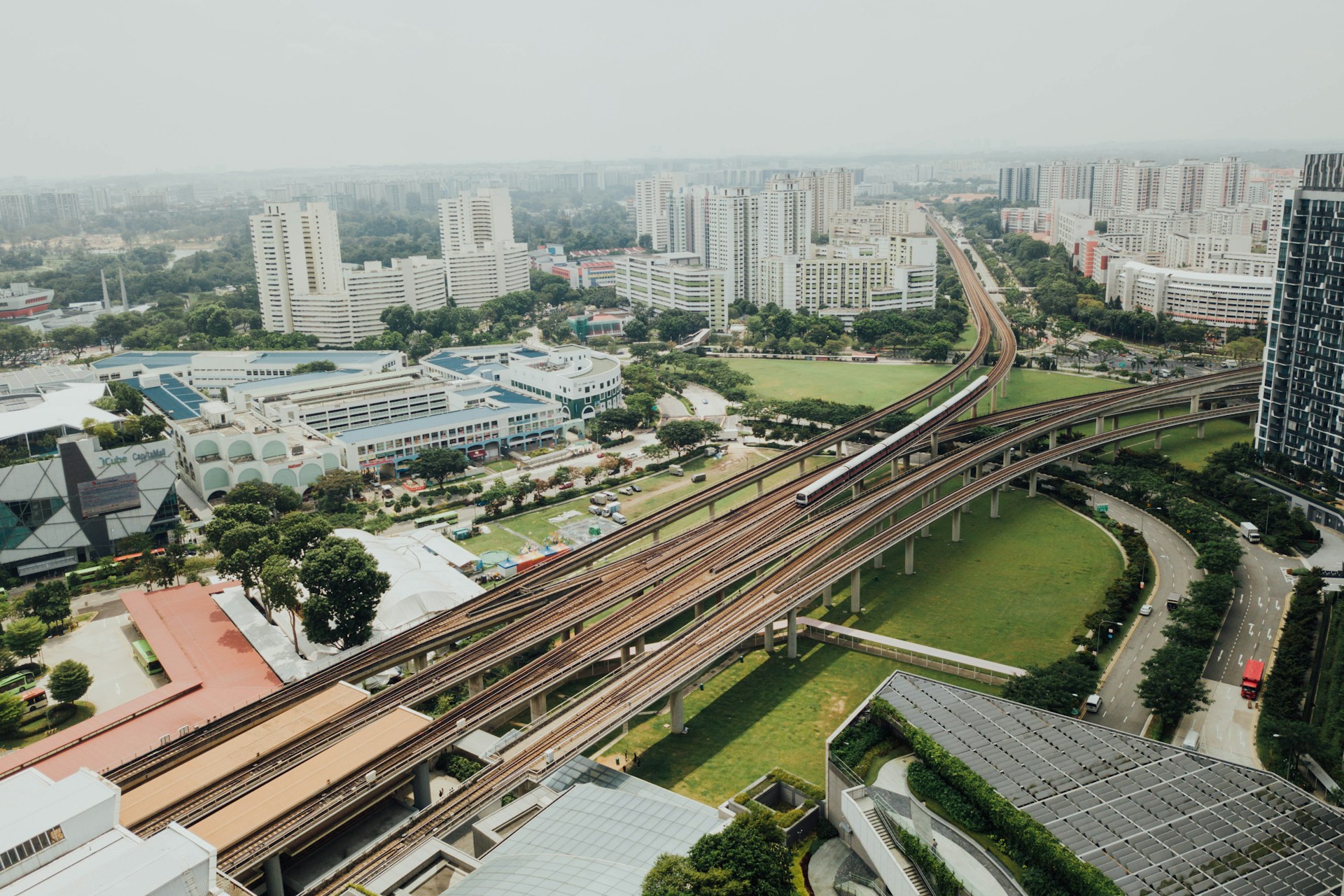
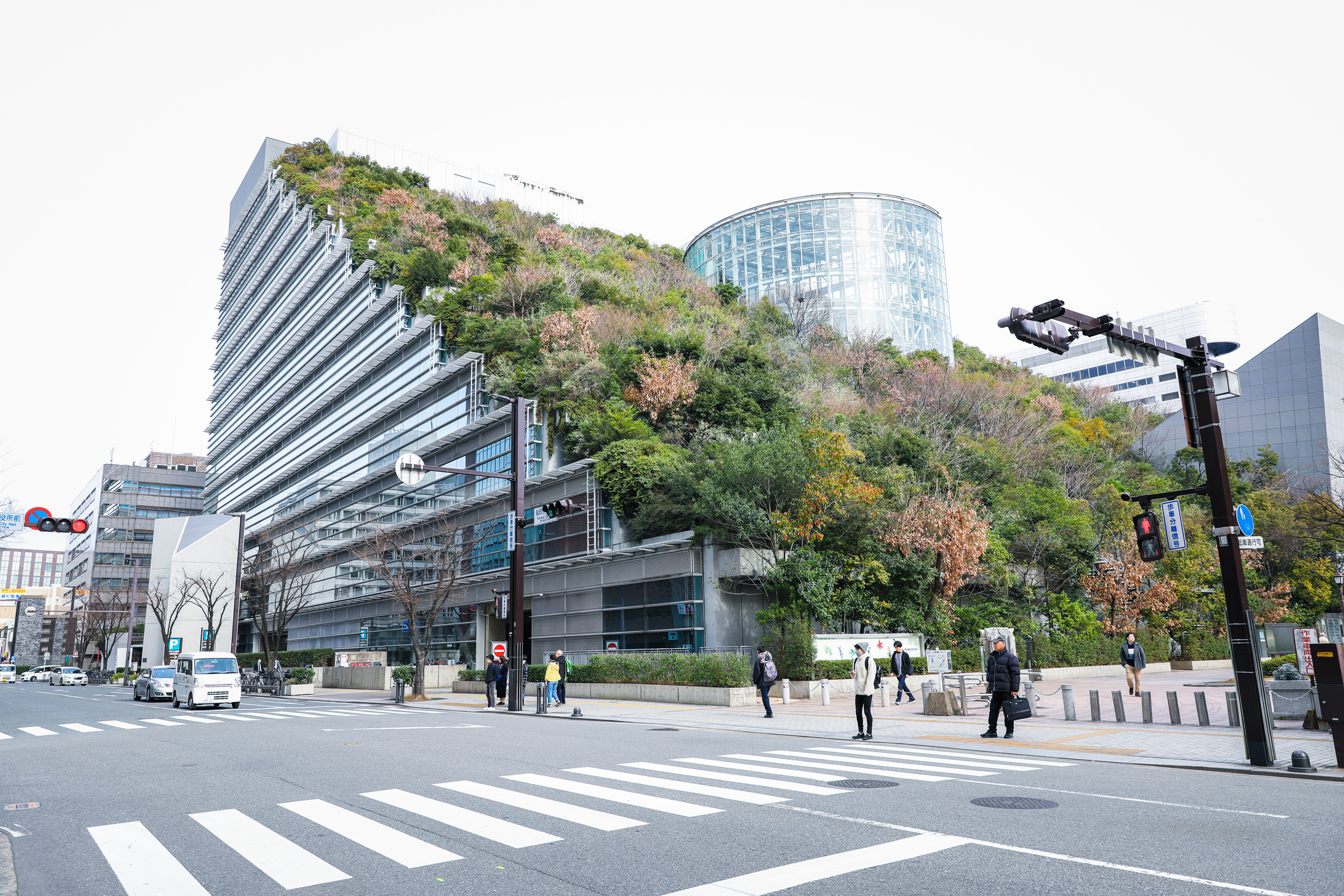
Projects in Singapore are characterized by integrating nature and technology in iconic buildings. Labrador Tower is a low-energy office complex featuring a thermal energy cooling system, smart microclimate, efficient facades, and green terraces that reduce heat load by 40%. Bukit Canberra is a 12-hectare community center in Sembawang that has preserved native trees and planted additional species to boost local biodiversity and regenerate local ecosystems. Gardens by the Bay exemplifies regenerative urbanism by serving as vertical gardens, rainwater collectors, and solar energy generators.
Melbourne
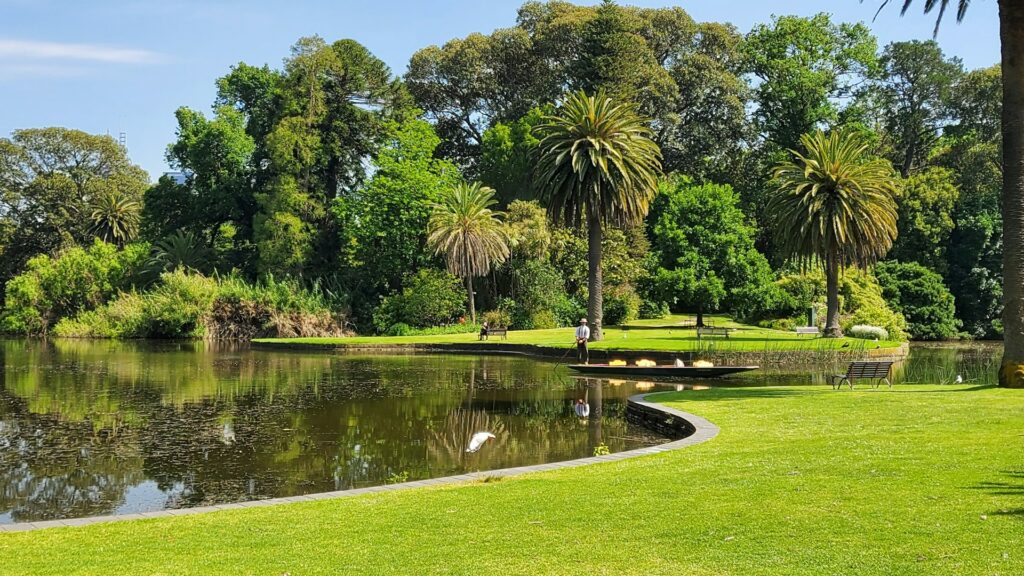
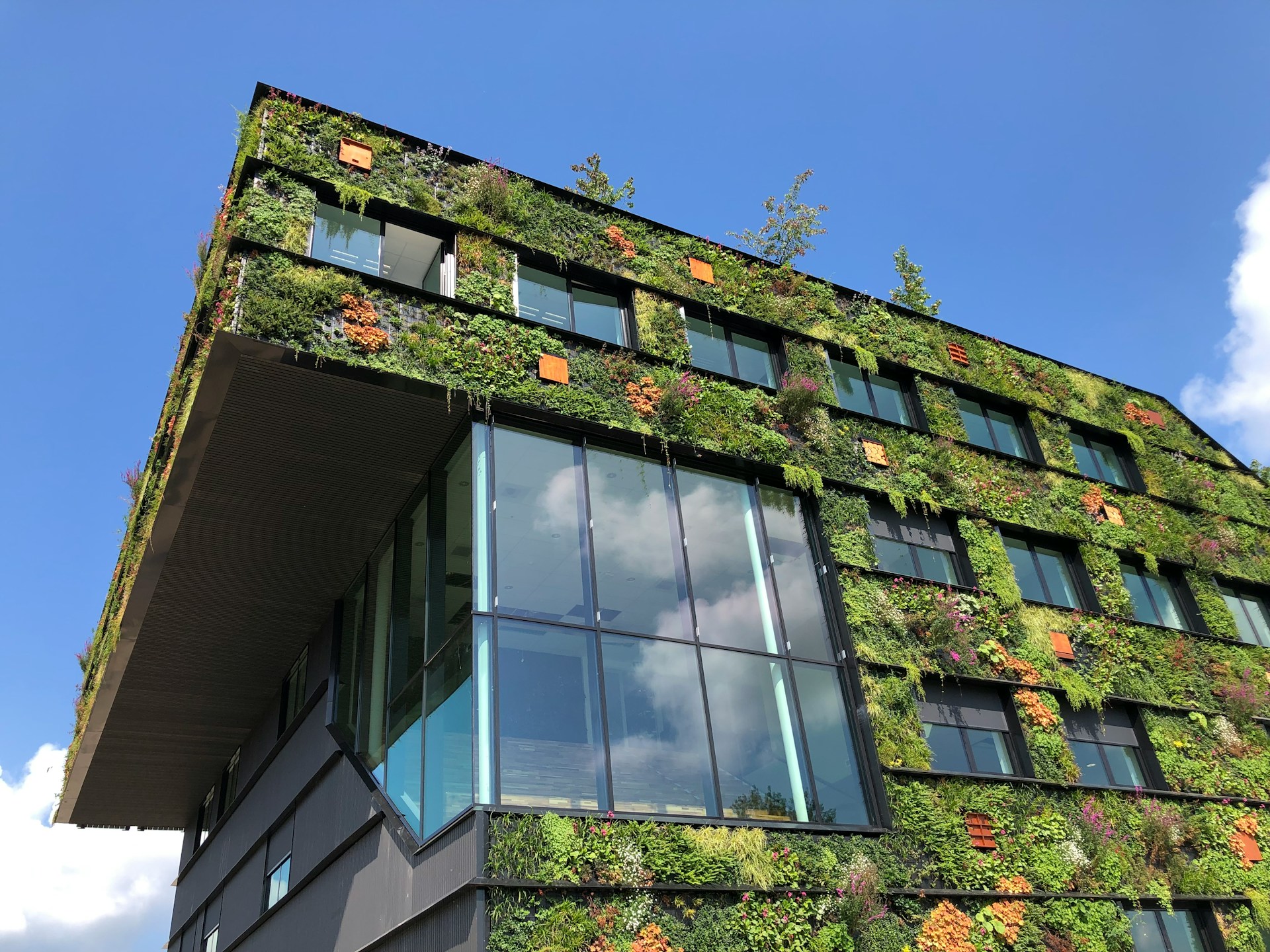
The Australian city has focused its efforts on increasing tree planting to combat urban heat, along with integrating rain gardens and restoring wetlands. The goal is to increase tree coverage by 40% by 2040 and reduce energy consumption through natural shading. It is a pioneer in integrating the water cycle into urban design in parks like Birrarung Marr and Royal Park Wetlands, as well as in creating green roofs and walls such as the Council House.
Copenhagen
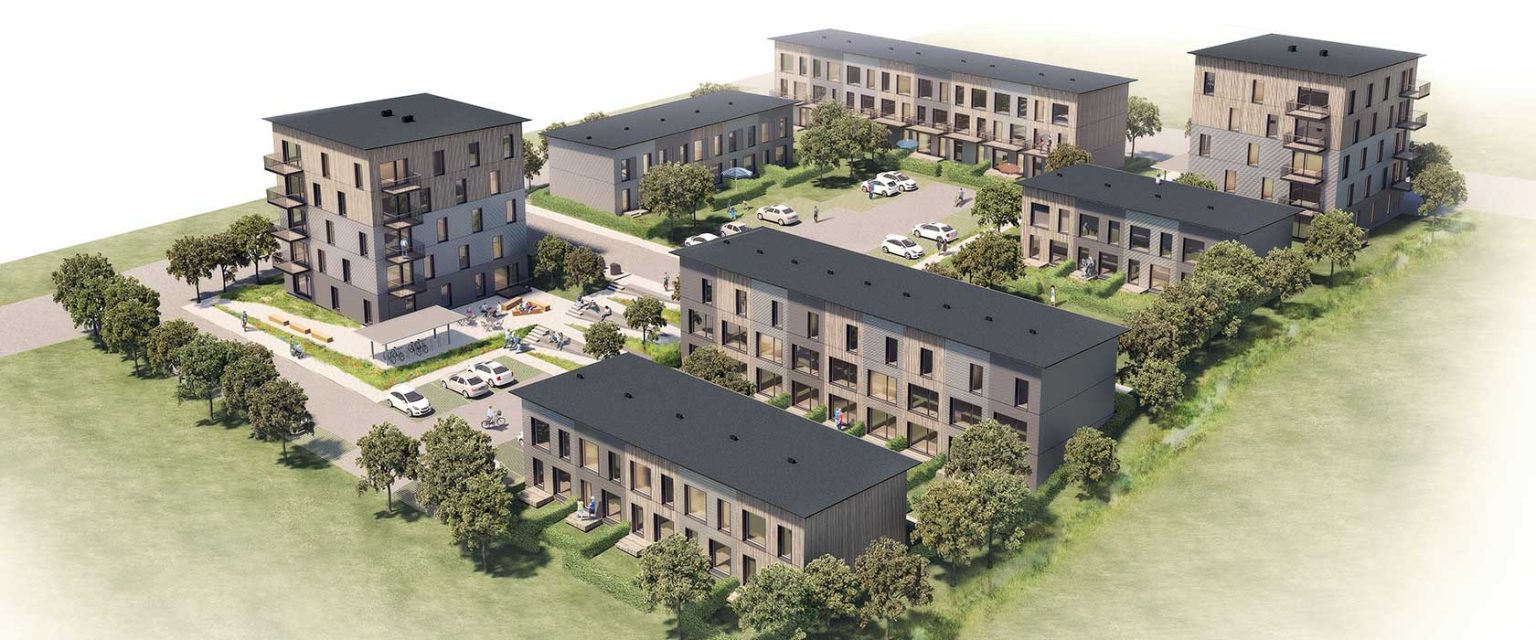
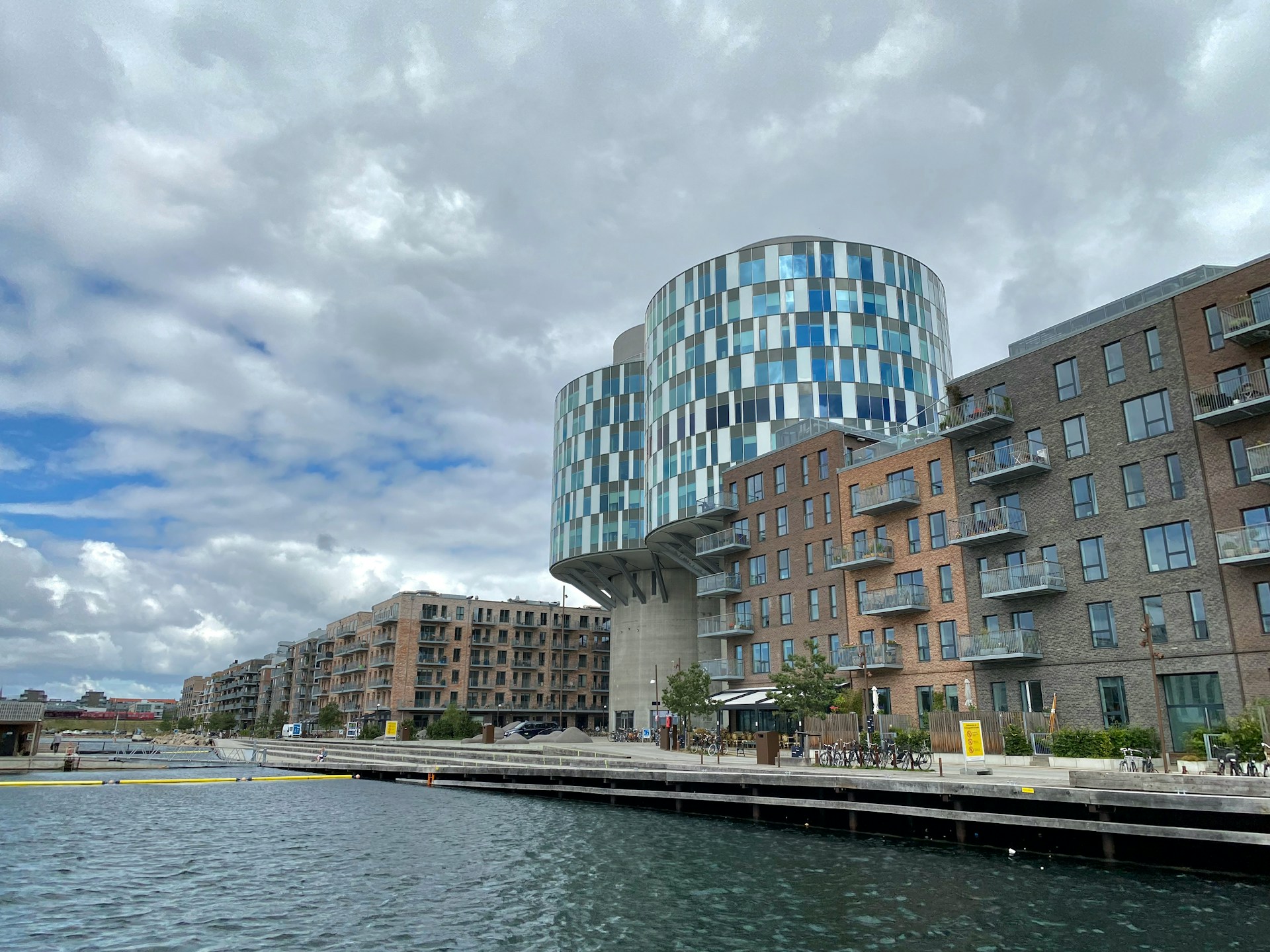
Emphasized as a model city in regenerative urbanism that integrates nature, people, technology, and design, Copenhagen stands out for representative projects like Nordhavn, a former industrial port transformed into a regenerative neighborhood with over 10,000 homes planned with renewable energy. Faelleby is a new wooden neighborhood planned on former military land with green spaces and a protected microclimate, focusing on biodiversity, social inclusion, and the circular economy.
Regenerative design is gaining ground in urban development thanks to increased citizen participation and the integration of other disciplines such as ecology, psychology, economics, and culture.
Photos | Sally M, Anders Holm-Jensen