



Table of Contents
This is a guest post by George Burciaga, Managing Partner at The U.S. Mayoral Roundtable. He is a global leader in urban digital transformation, specializing in citizen engagement, infrastructure, and funding optimization.
Artificial Intelligence (AI) is no longer a tool, it is an agent. A living force within the ecosystem of modern governance, AI is actively reshaping how cities serve, evolve, and care for their people.
What was once imagined as a distant future is now our present. With that reality comes a new civic responsibility: not simply to adopt AI, but to lead it, with intentionality, ethics, and human-centered design.
For decades, local governments have operated within frameworks not built for speed, scale, or innovation. Today, those frameworks are being dismantled and reimagined.
At the U.S. Roundtable, we partner directly with U.S. and global mayors to elevate AI beyond a support function. We place it at the center of city transformation, redefining how governments connect, serve, and improve quality of life at scale.

The Shift Has Begun
Across the United States, a new era of mayoral leadership is emerging, defined not just by policy, but by purpose. These leaders understand that AI is more than an enabler of innovation; it is a catalyst for a new era of governance.
From Mayor Brandon Johnson in Chicago to Mayor Francis Suarez in Miami and Mayor Bruce Harrell in Seattle, city leaders are embracing AI as an active agent, bridging legacy gaps, restoring public trust, and ensuring equitable access to services.
«AI is not a tool, it is an active force. In Seattle, we are harnessing AI to reimagine service delivery, elevate public safety, and drive inclusive progress. This is about building smarter government that restores trust and expands access.»
— Mayor Bruce Harrell, City of Seattle, during our U.S. Mayoral Roundtable session on AI.
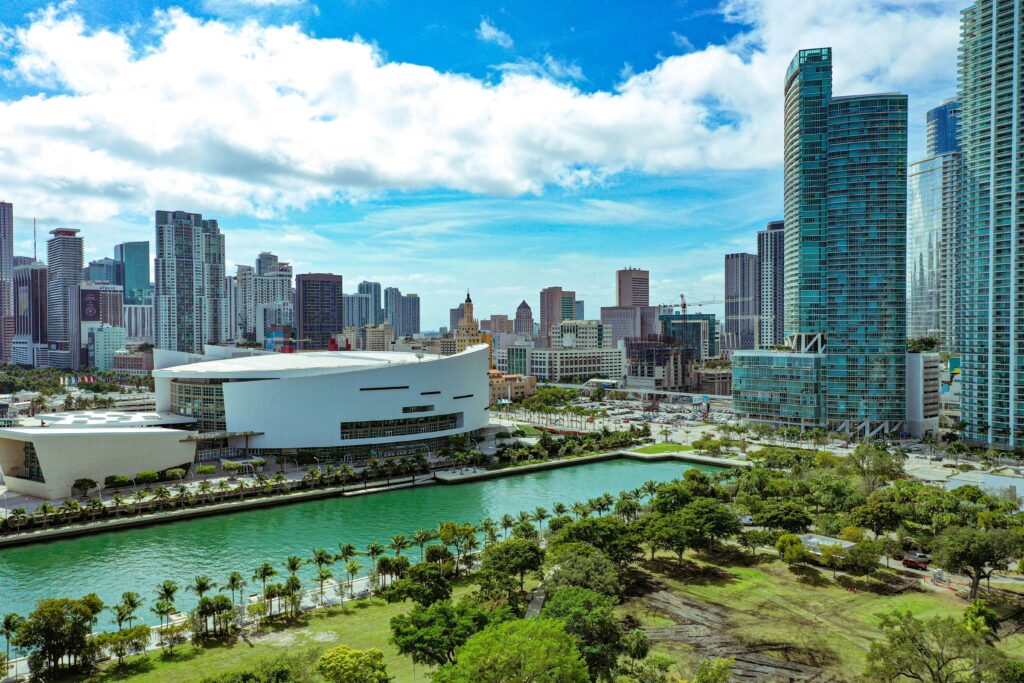
«The cities that thrive tomorrow are leaning into AI today. In Miami, we must advance intelligent infrastructure and digital twin technology to strengthen resilience and care for our people. AI is not just shaping our economy, it’s redefining how we lead.»
— Mayor Francis Suarez, City of Miami, during our recent Envision Session.
Four Ways Cities Are Leading With AI
- Predictive Public Safety in Chicago
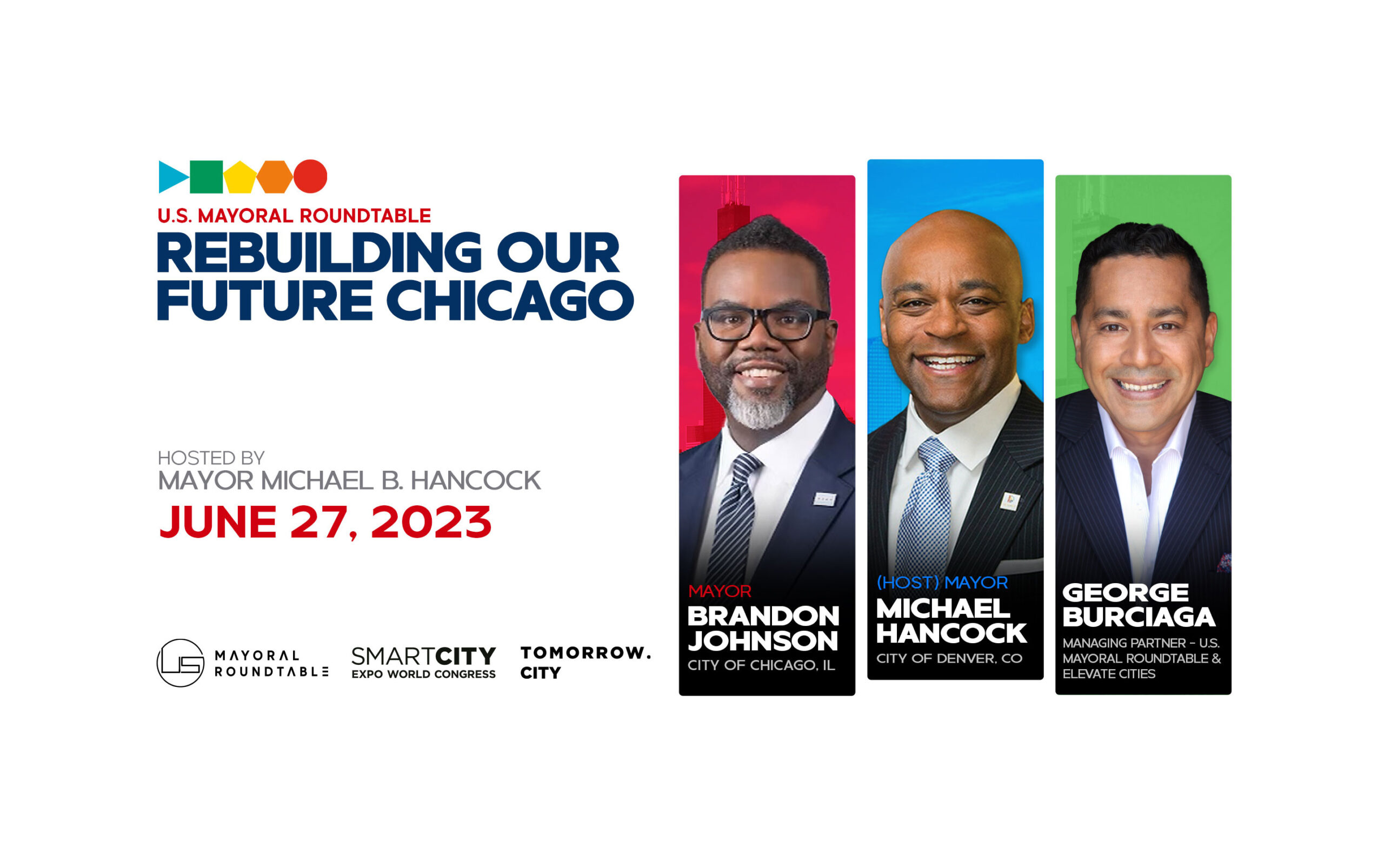
AI is functioning as a proactive agent, transforming public safety from reactive enforcement to predictive protection. In Chicago, we are supporting Mayor Brandon Johnson and Chairman Gilbert Villegas in launching the Super Block Program, a bold initiative that will test AI, LiDAR, and smart sensors to explore ways to reduce crime in historically underserved neighborhoods.
This is more than system enhancement, it’s a civic breakthrough. AI is actively helping cities anticipate, prevent, and protect.
- Digital Twin Deployment in Miami
In collaboration with Dell Technologies and NVIDIA, the City of Miami is preparing to launch a digital twin pilot: an AI-enabled virtual replica of critical infrastructure zones.
Led by the Department of Economic Development, this digital twin will serve as a living, learning model. It will simulate climate impacts, forecast infrastructure breakdowns, and guide real-time operational planning. AI becomes a decision-making partner, constantly informing more resilient, responsive leadership.
- Infrastructure That Thinks
Chicago’s Super Block is also launching the nation’s first AI-native infrastructure living lab at the neighborhood level. This forward-looking platform includes:
- Smart signage and public messaging
- Broadband access and environmental sensors
- Mobility tools integrated into real-time data streams
This represents a redefinition of public infrastructure, dynamic, data-driven, and community-aware. AI acts as the connective agent, aligning resident needs with immediate action.
- Housing Acceleration in Los Angeles
Mayor Karen Bass is deploying AI to not only streamline but humanize the housing development process. Through advanced modeling, AI-guided permitting, and predictive analytics, the City of Los Angeles is accelerating the delivery of critical affordable housing.
With support from the U.S. Roundtable, Los Angeles is transforming AI into an advocate, cutting through red tape to deliver outcomes with speed, equity, and purpose.

Why This Work Matters
Cities are more than infrastructure, they are reflections of trust, culture, and community.
In a time of uncertainty, mayors are becoming agents of hope. And when AI is deployed with intention, it becomes their most powerful ally.
This work is not just about innovation, it’s about restoring faith in government, especially within communities historically left behind. When AI functions as an agent of equity and progress, we unlock a new era of responsive government services:
- Safer neighborhoods through anticipatory protection
- Faster housing approvals with intelligent processing
- Responsive infrastructure that adapts to real-time needs
- Transparent governance through accountable systems
- Engaged communities through informed participation
What’s Next
At the U.S. Roundtable, we are not merely deploying technology, we are designing the future of civic leadership.
Through multi-city pilots, strategic frameworks, and national scaling efforts, we are working hand-in-hand with mayors and global partners like Dell Technologies and NVIDIA to define what digital government must become in the AI era.
AI is not the end state, it is the beginning of a more dynamic, inclusive, and purpose-driven public sector model.
A Final Word
AI is not a passive tool. It is an agent of human-centered transformation. And if it is the most powerful force of our time, we must choose to guide it, with empathy, foresight, and responsibility.
Let us build cities where technology and trust are indivisible.
Let us lead boldly, act deliberately, and never forget:
We are not building for machines.
We are building for people.
Photos by Thom Milkovic, Brian Lundquist, Lance Anderson, Logan Voss.