


Table of Contents
Author | Lucía Burbano
Beyond waste management or pedestrianizing streets, cities in extreme environments face the unique challenge of providing reliable heating or cooling for public and private buildings. This can be achieved through renewable energy sources or innovative methods like recycling waste.
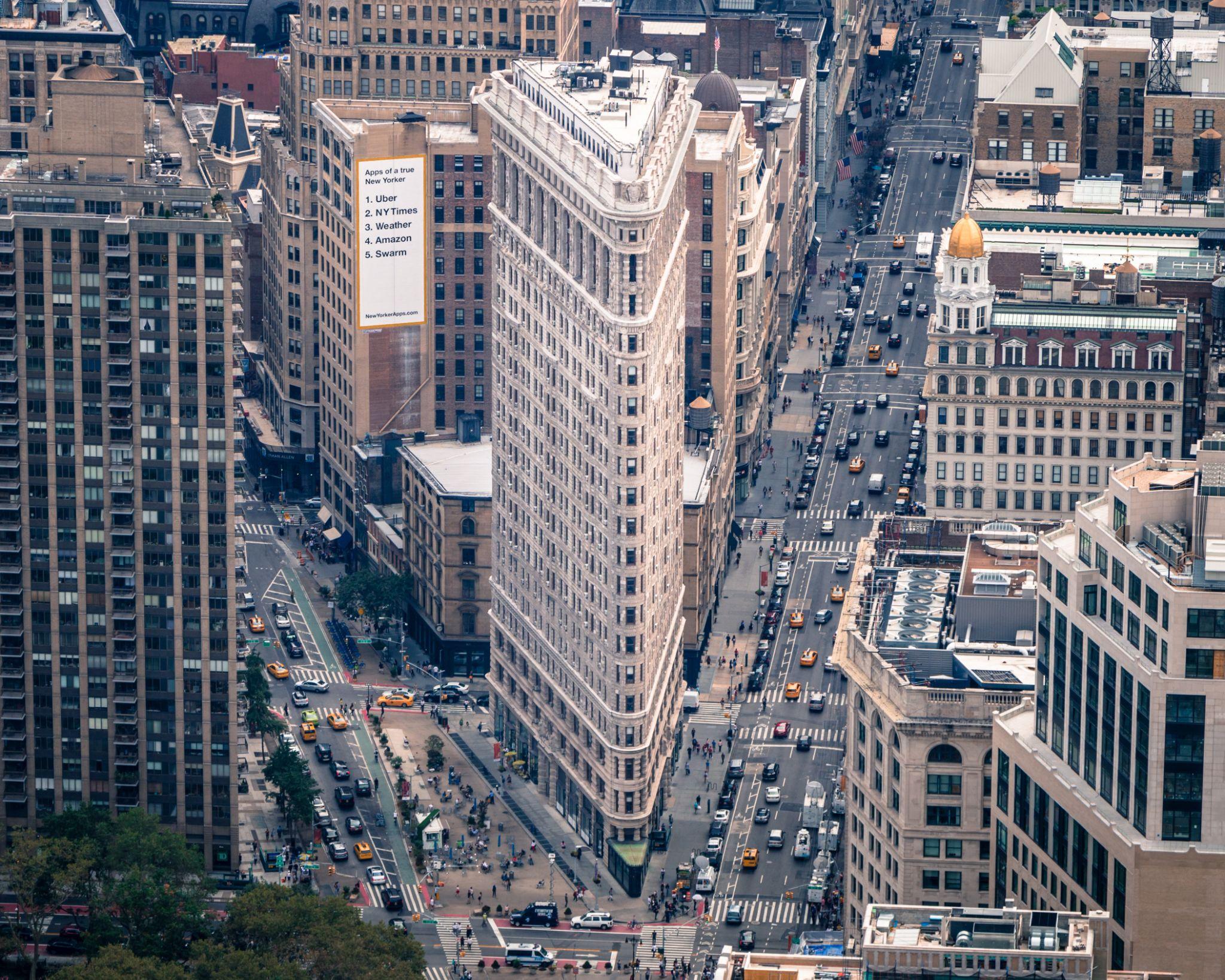
In cities like Stockholm or New York, strategies center on combating cold by generating steam from various sources and systems. In contrast, cities in desert regions face the opposite challenge: finding broad, sustainable solutions to cool their urban environments effectively.
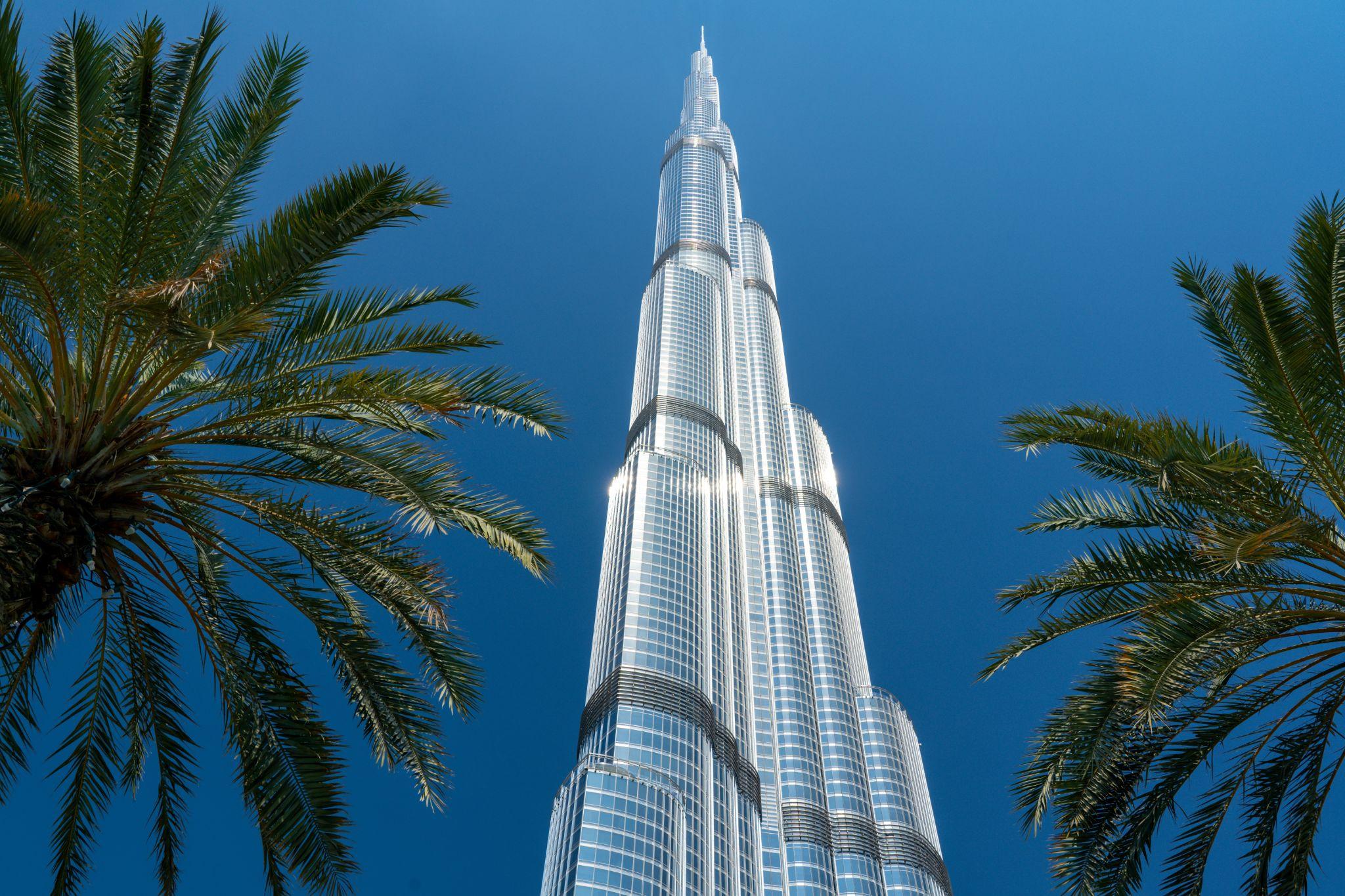
Renowned for its innovations in architecture and urban planning, Dubai is also leading the way in district cooling—an advanced system that cools entire city blocks, eliminating the need for individual cooling units in each building. Dubai achieves this with the support of smart city technologies, including remote facility control and artificial intelligence.
The challenges of cooling in desert climates
Dubai’s climate, like that of the entire United Arab Emirates (UAE), falls into the arid desert category, with only two distinct seasons: winter and summer. In winter, average temperatures range between 16.4°C and 24°C, while summer brings extremely high temperatures from 32°C to 37.2°C, occasionally reaching up to 50°C in southern regions.
Rainfall is scarce and irregular, with an annual average of only 140 to 200 mm. The UAE also experiences intense sandstorms, locally known as shamal winds.
In this scorching climate, interiors must be consistently cooled. The paper ‘Impacts of climate change on building cooling demands in the UAE’ highlights that up to 80% of a building’s total electricity demand in the UAE is dedicated to cooling.
Climate change effects in the region are expected to raise average annual temperatures by around 3°C, with minimal reductions in relative humidity. This will consequently drive an increased demand for energy to cool buildings. Specifically, the study estimates an increase of 22.2% by 2050 and 40.0% by 2080—levels that would be unsustainable without the adoption of renewable cooling sources and smart systems.
District cooling, what is this innovative system?
District cooling is a system where individual buildings no longer rely on their own cooling equipment. Instead, they use a shared system that cools entire buildings or districts collectively—hence the name.
This urban energy technology uses a central cooling plant to deliver chilled water through a network of pipes, distributing thermal energy efficiently to multiple buildings and consumers.
This solution is particularly effective in areas with high concentrations of cooling demand, such as densely populated urban zones or high-density buildings like skyscrapers, as it provides both economic and environmental benefits, including:
- Since water from sources like rivers, groundwater, lakes, or the sea does not require additional heating, these plants consume much less energy by utilizing surplus energy from anthropogenic processes that would otherwise go to waste.
- District cooling also utilizes other ‘green’ energy sources, such as industrial cooling, where absorption chillers are combined with residual heat from industrial processes, waste incineration, or cogeneration plants.
- It can achieve an energy efficiency index up to 5 to 10 times higher than conventional standalone systems powered by electricity.
- These systems are often paired with nighttime storage facilities, allowing energy generated at night to be stored and used during the day.
Dubai’s pioneering cooling district

In 2020, Dubai reached a milestone when Emirates Central Cooling Systems Corporation (Empower), the world’s largest urban cooling provider, launched a pilot for the first-ever remote-controlled cooling plant in Jumeirah Village Circle.
The plant is connected to Empower’s centralized Smart Command Control Center, which operates with an advanced SCADA system capable of processing over one million data entries from towers, covering coolers, transformers, and water supplies. The plant has a total cooling capacity of 49,000 tons, supplying 114 buildings.
The cooling plant also utilizes artificial intelligence to monitor water flow to and from the cooling facility. Through thermal energy storage technology, it helps reduce network load during peak hours.
The success of this initial plant has led to the announcement of a second plant to be constructed at two additional sites within the same area. Specifically, these plants will be located in Jumeirah Village Circle, covering 560 hectares, and Jumeirah Village Triangle, spanning 242 hectares.
The new plant will feature state-of-the-art cooling technologies aimed at maximizing energy efficiency and reducing water consumption. With a production capacity of approximately 37,000 cooling tons, the new plant will serve residential buildings, commercial complexes, and hotels in this popular Dubai district.
The Jumeirah Village project is one of Empower’s largest urban cooling initiatives, as the company plans to establish a total of six next-generation district cooling plants in Dubai, with a combined cooling capacity of 256,000 tons.
Photos | Unsplash/ZQ Lee, Unsplash/Ahmed Galal