Table of Contents
Author | Raquel C. Pico
For a long time, every adjustment and urban planning change in cities demanded a considerable amount of imagination. Those involved had to rely on a combination of mock-ups, technical drawings, and calculations to visualize potential interventions and assess their outcomes, although this approach was not always reliable. However, technology is revolutionizing things in significant ways. With augmented reality (AR), it is now possible to preview the potential impact of urban adjustments before they are implemented.
Although augmented reality and virtual reality are often grouped together, they are not actually the same technologies. To grasp the concept of augmented reality, it is important to discard the notion of entering an entirely different world. If virtual reality wants to take users to another space, augmented reality keeps users grounded in the real world, overlaying virtual elements onto their surroundings.
How is augmented reality applied
These are characteristics that make AR so appealing for cities. It offers exceptional accessibility, it has a lower technological barrier to entry and most people are equipped with compatible devices: their smartphones. With the use of augmented reality software, you simply have to aim and that’s it. You can unlock its full potential from your mobile screen.
For professional applications, utilizing specialized viewers and controls can obviously offer a heightened sense of immersion and three-dimensional control.
In urban planning, AR boasts numerous applications that operate across different levels of functionality. On the one hand, there are practical applications where augmented reality proves highly pragmatic by providing a preview of how proposed urban planning changes will transform a city. This not only aids in refining the planning process but also minimizes errors or redundancies, and unveils potential opportunities.
On the other hand, it also changes the relationship between urban planning and people. Engaging people in the possibilities of urban transformations, or even cautioning them about potential pitfalls, becomes much simpler when discussions are grounded in tangible visualizations rather than abstract concepts. As defended by the researcher at the MIT Media Lab, Ariel Noyman, “physical, tangible tools are better for understanding what happens in a city.” With the application of AR, the theoretical impact of a new office building transforms into a tangible visual experience. This allows people to clearly visualize the congestion it would cause on traffic routes.
Success stories
This is precisely one of the pivotal aspects contributing to the success of augmented reality applications in urban planning. Fostering a sense of participation and involvement among individuals in urban changes is crucial, although achieving this engagement is not always straightforward. This is particularly true among the more apathetic demographics, such as adolescents, who played a key role in a campaign in Oslo, Norway, in which AR empowered them to participate in selecting locations for tree planting initiatives, contributing to the creation of greener urban environments. According to researchers who observed the process, the youngsters not only gained confidence but also actively participated in the decision-making process.
In cities like Vienna, Austria, and Lucerne, Switzerland, augmented reality has been harnessed to enhance consensus-building in urban planning efforts in order to create more sustainable cities. For instance, in Vienna, the renewal of a street’s sewer system was leveraged not only to improve infrastructure but also to enhance its resilience against climate change impacts. Augmented reality facilitated a deeper understanding of residents’ expectations and emotional connections to the streets.
Equally crucial is the role of AR in enhancing transparency throughout such processes, especially as cities confront numerous challenges and must navigate complex decisions to address them. For instance, within the framework of smart cities, this technology can aid in developing environmentally friendly green spaces, as exemplified in the Japanese city of Fujisawa.
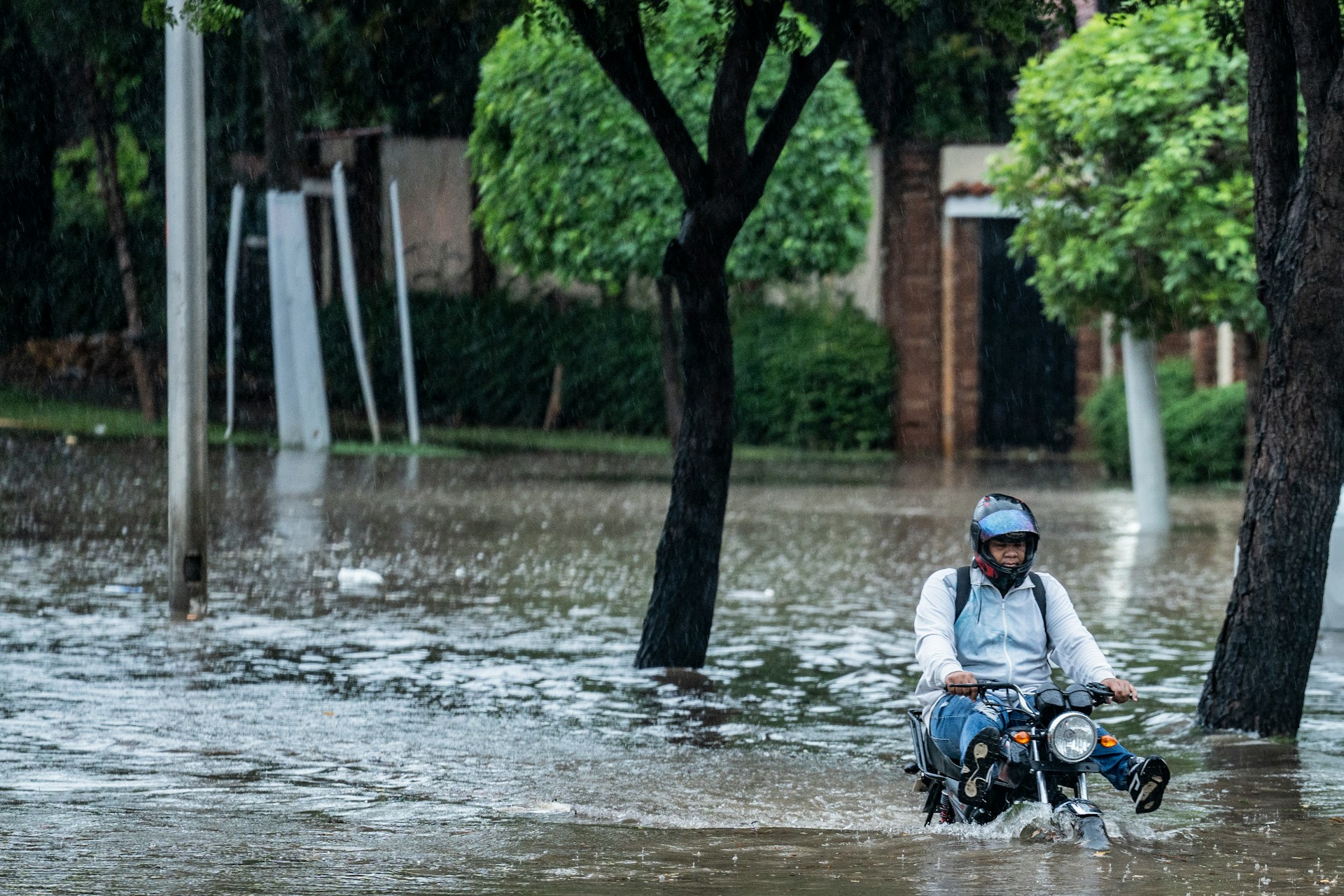
In essence, the potential of augmented reality transcends matters of urban aesthetics alone. Some avenues of research suggest the potential of integrating augmented reality into vehicles to provide alerts and relevant information while driving through the city. Additionally, for disaster management, AR could enable the viewing of affected areas from any location, facilitating more accurate decision-making in emergency situations.
Tourism and immersive experiences with AR
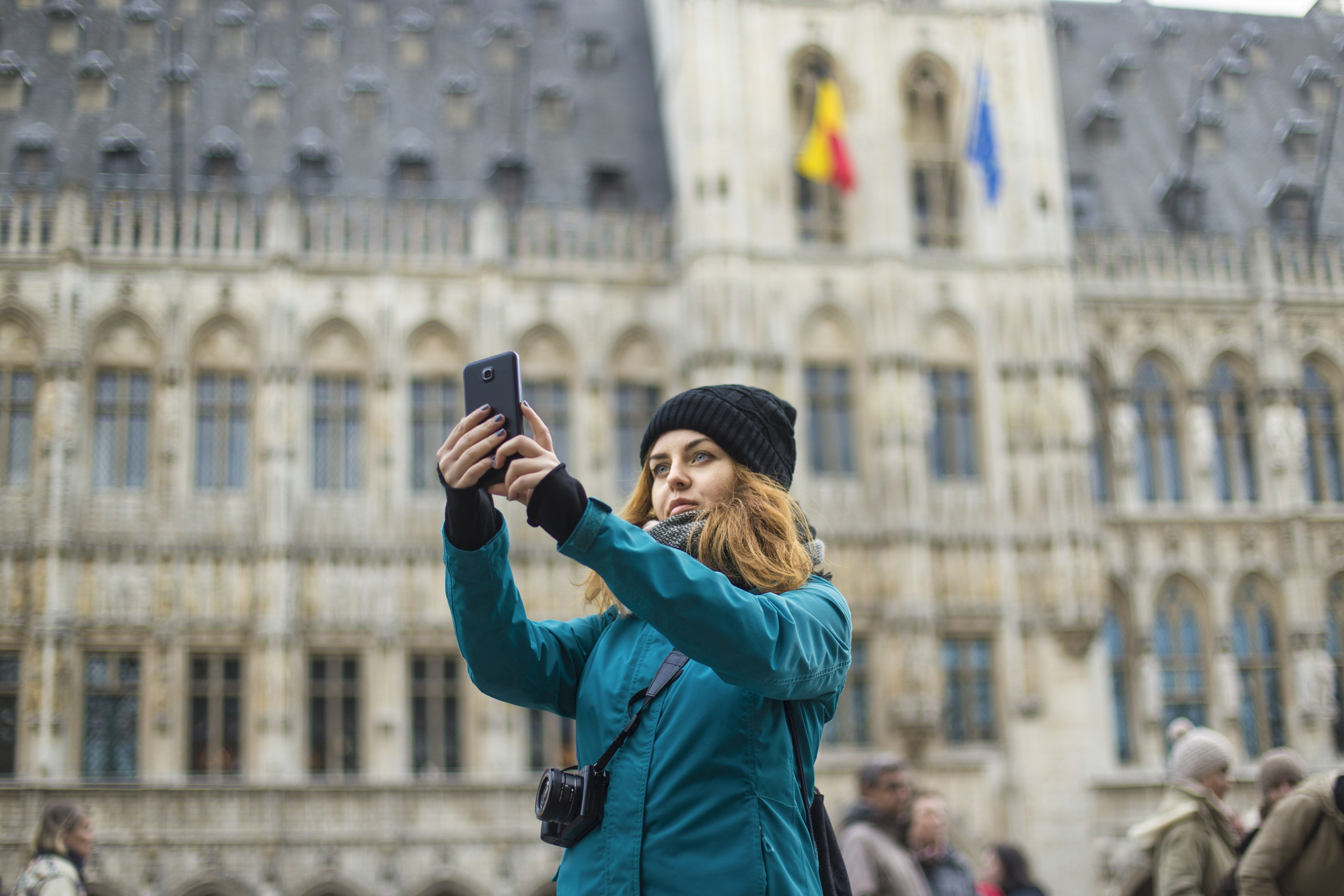
Of course, let’s not overlook the most entertaining aspect! Just like AR gamifies shopping experiences or enhances learning in schools, it can also transform the way we interact with cities. For both residents and visitors alike, augmented reality opens the door to creating immersive experiences. In Tarragona, Spain, there is an app that offers users the chance to go back in time, allowing them to experience the city as it was during Roman times as they stroll along the streets, similar to the experience offered in some museums.
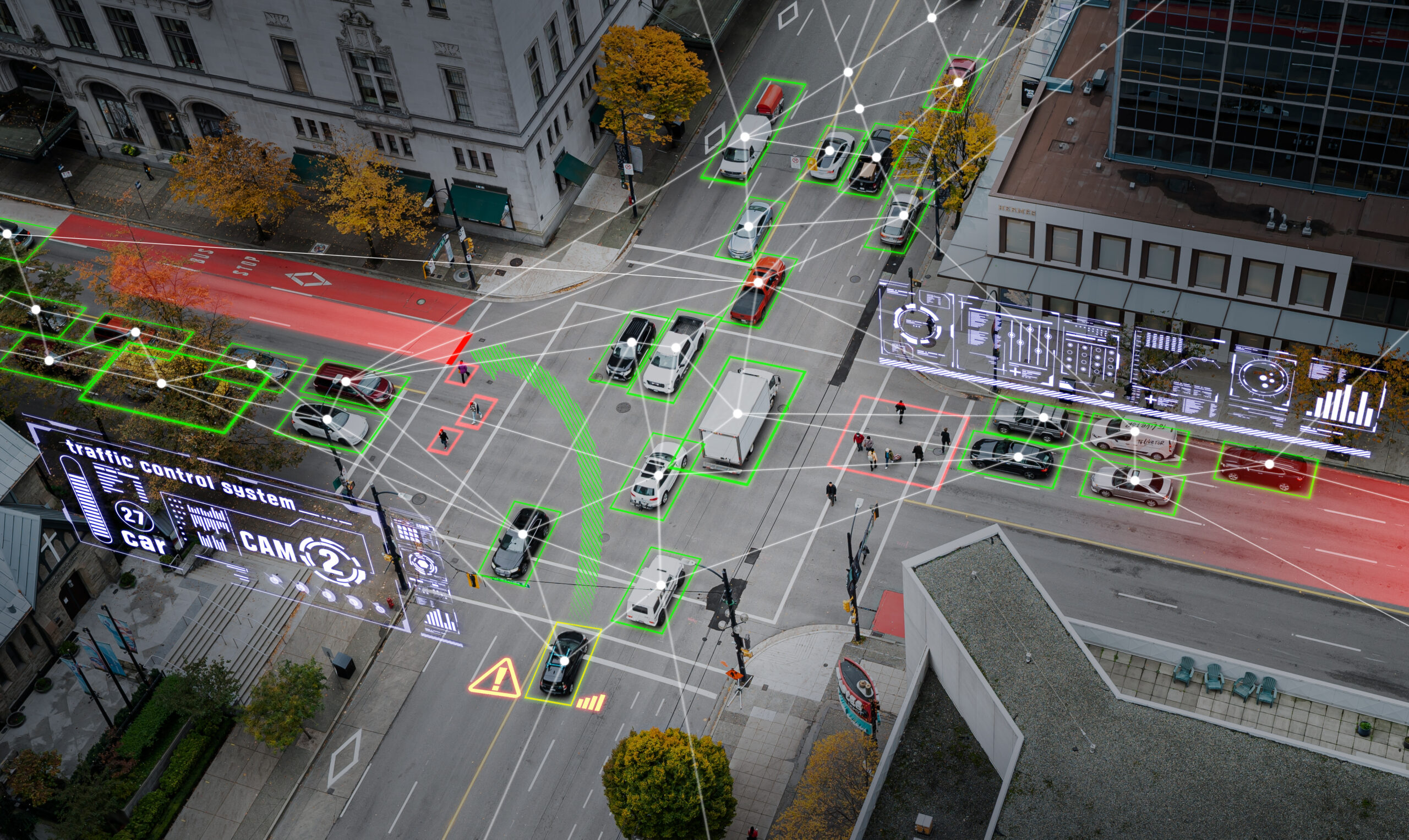
Image | Georgijevic/iStock