Table of Contents
Author | M. Martínez Euklidiadas
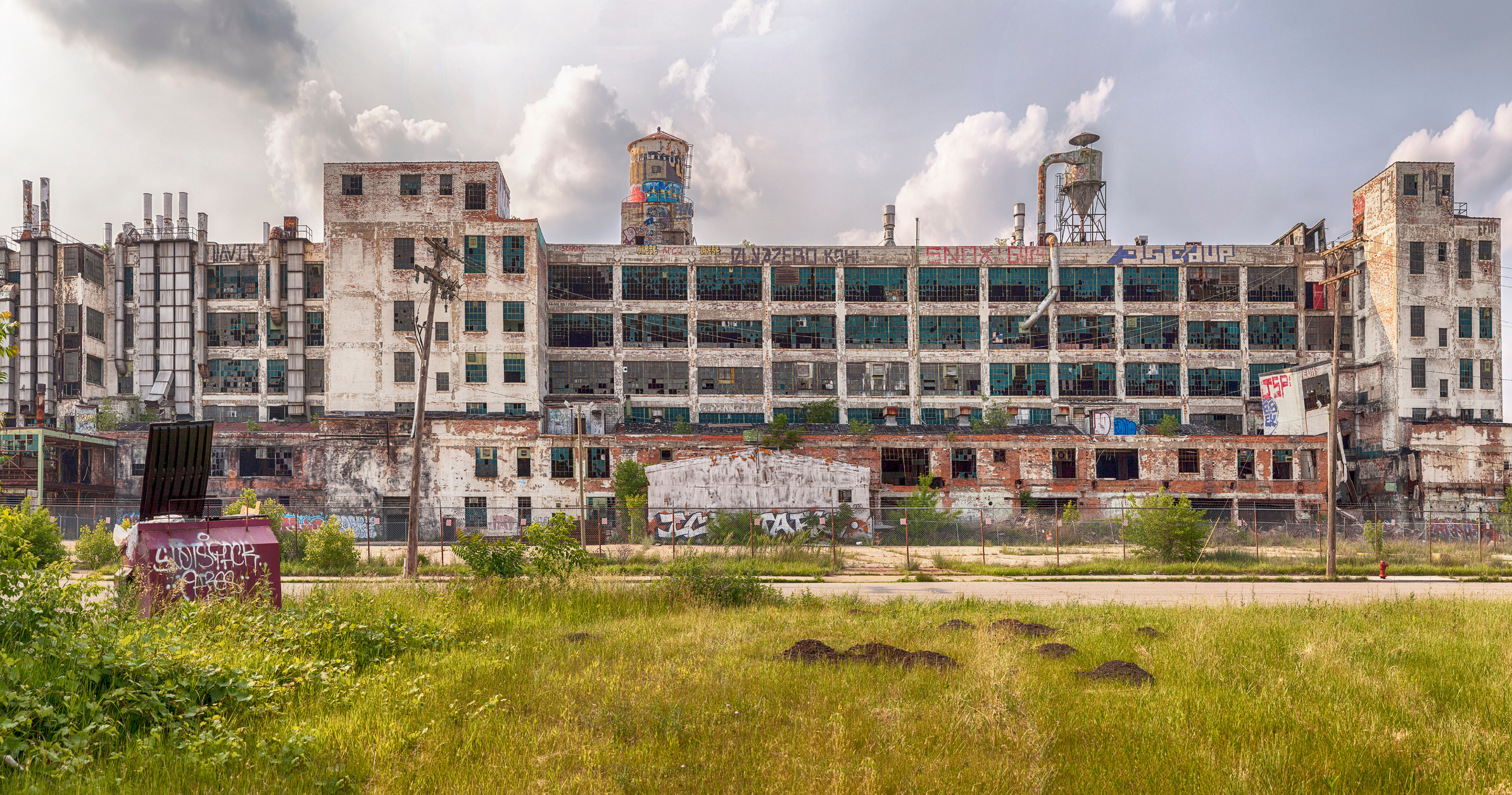
During the past decade, Japan has been demolishing entire neighborhoods to rebuild them. With a focus on enhancing the quality of life of residents, improving public transport systems and the city’s efficiency as an organism; it aims, with the help of technology, to be at the forefront of a silent revolution: an ageing population. Why is it more cost effective to demolish entire neighborhoods?
Japan’s changing approach to urban development
In recent history, Japan’s approach to urban development has changed over time, with three distinct periods:
- A period of rapid expansion after World War II as the country became urbanized, in which the primary objective was to include the rural population.
- The urban fragmentation of the 1970s as a result, partly, of copying the North American housing model, which led to urban sprawl and pollution.
- The current phase, which began in the 1990s, is characterized by economic growth and a rapidly aging population, added to the development of the compact city.
Today, Japanese urban planners are opting for the following model:
- Reducing “urban decline”, reducing the number of inhabitants per kilometer as a result of a reduced population (demographic shrinkage), which leads to properties being abandoned here and there.
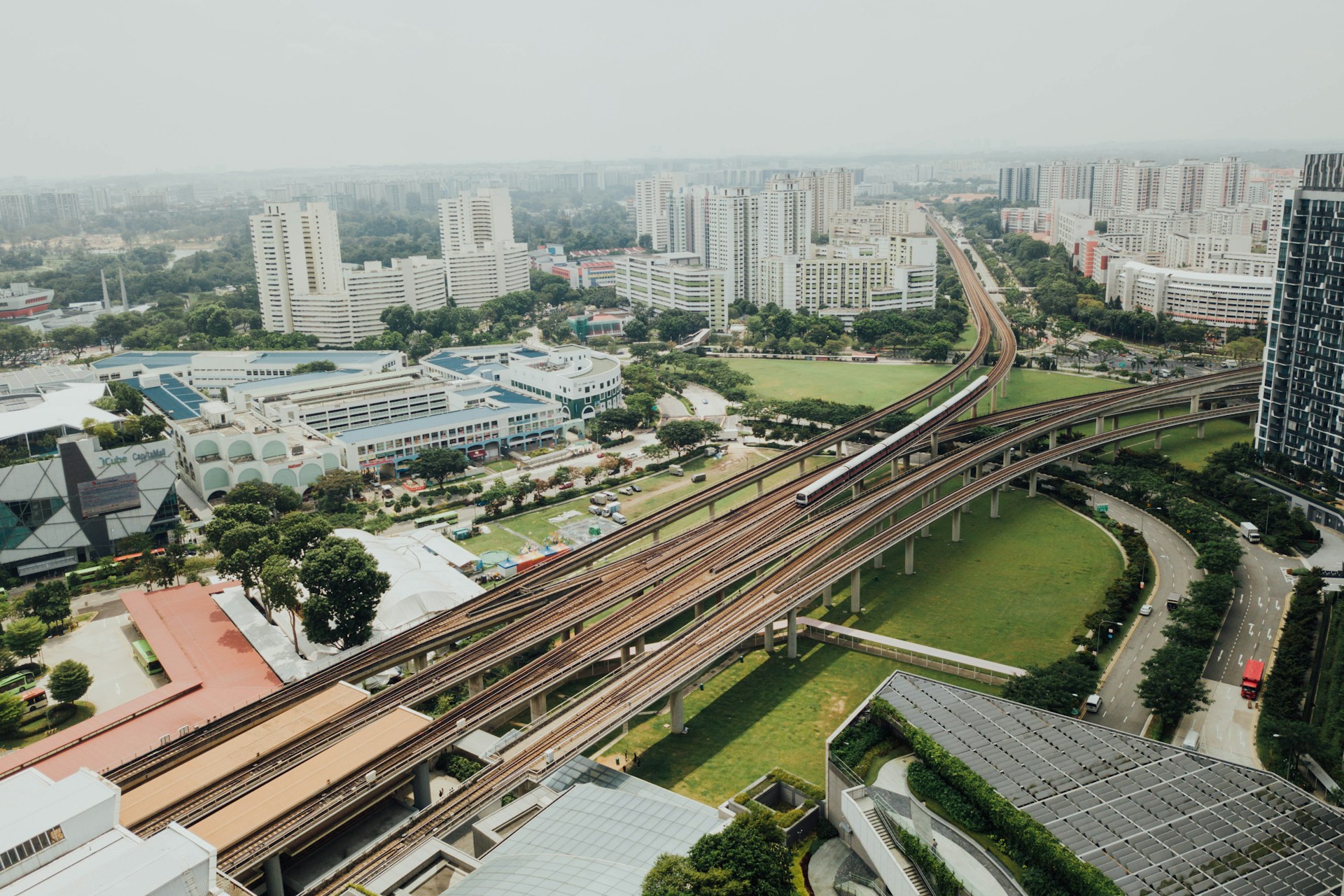
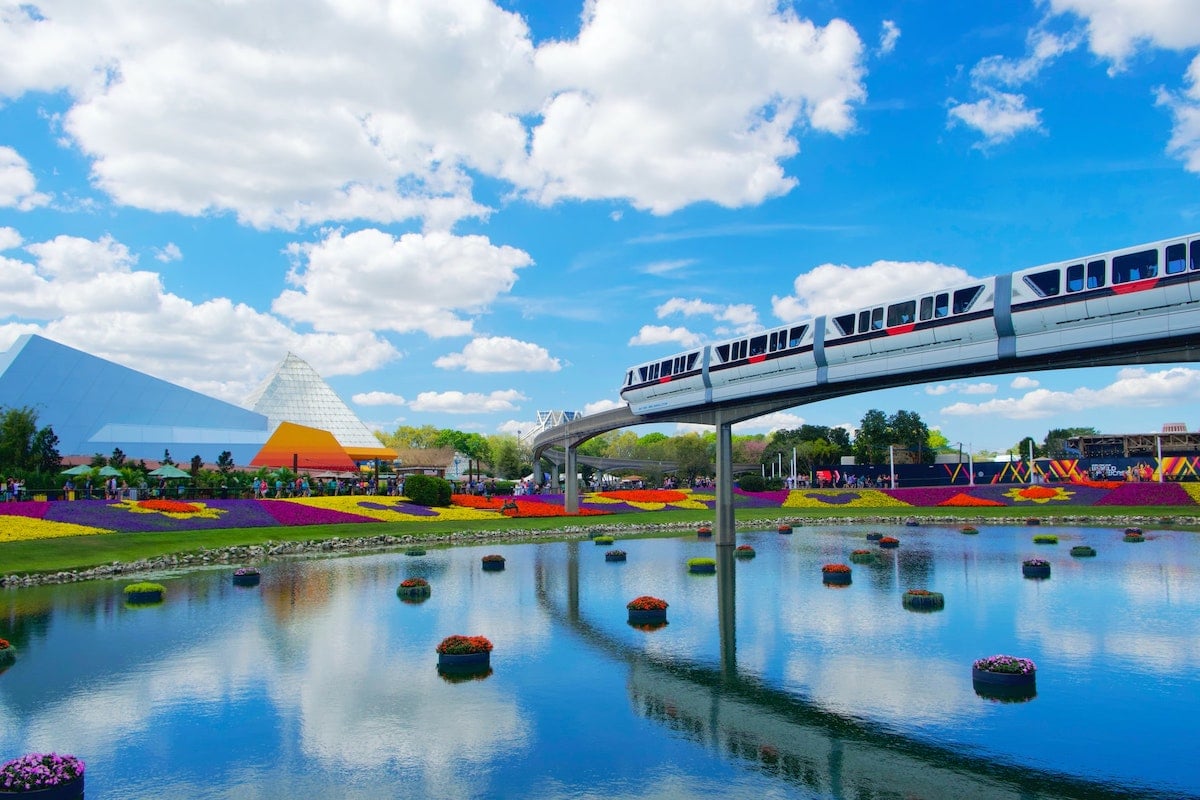
- Applying the solution of a compact city model connected to public transport, in order to maximize the use of transport.
- Urban development based on the new construction of smart cities, or at least urban fragments.
The role of smart technologies
As the ageing population results in empty properties, and with the aim of maximizing the efficiency of transport systems, among others, or reducing crime rates associated with lower population density, the Japanese authorities are re-urbanizing neighborhoods to build a new type of mini-city which (now) focuses on technology.
Although this was not always the case. In around 2014, the city of Toyama was recognized by the OECD as one of the five cities in the world with advanced compact city policies. This initial construction was followed by others with the same construction features, but incorporating tech companies.
For example, the Fujisawa Sustainable Smart Town, which is not formally a town, but rather part of a neighborhood, or the Toranomon Hills Station Towers, whose 250 meters built on a subway station will have a total internal floor space of 800,000 m2 and its own shared climate control system.
In recent years, data-based technology has played a key role. Understanding population flows through the city and region, understanding heat usage patterns or being able to understand the challenges of an ageing population are some key aspects.
Philosophy of sustainable urban design
With the exception of a small interval of two decades at the end of the past century, Japan’s commitment to sustainability in the area of urban planning is clear, through projects that include:
- Building near public transport hubs, meaning people do not have to use private cars.
- Densification through urban infill techniques (not leaving urban bare spots or empty plots).
- Mixed-use urban development, i.e. allowing more than one use in vertical development.
- The use of avant-garde climate control technologies in residential, commercial and office sectors.
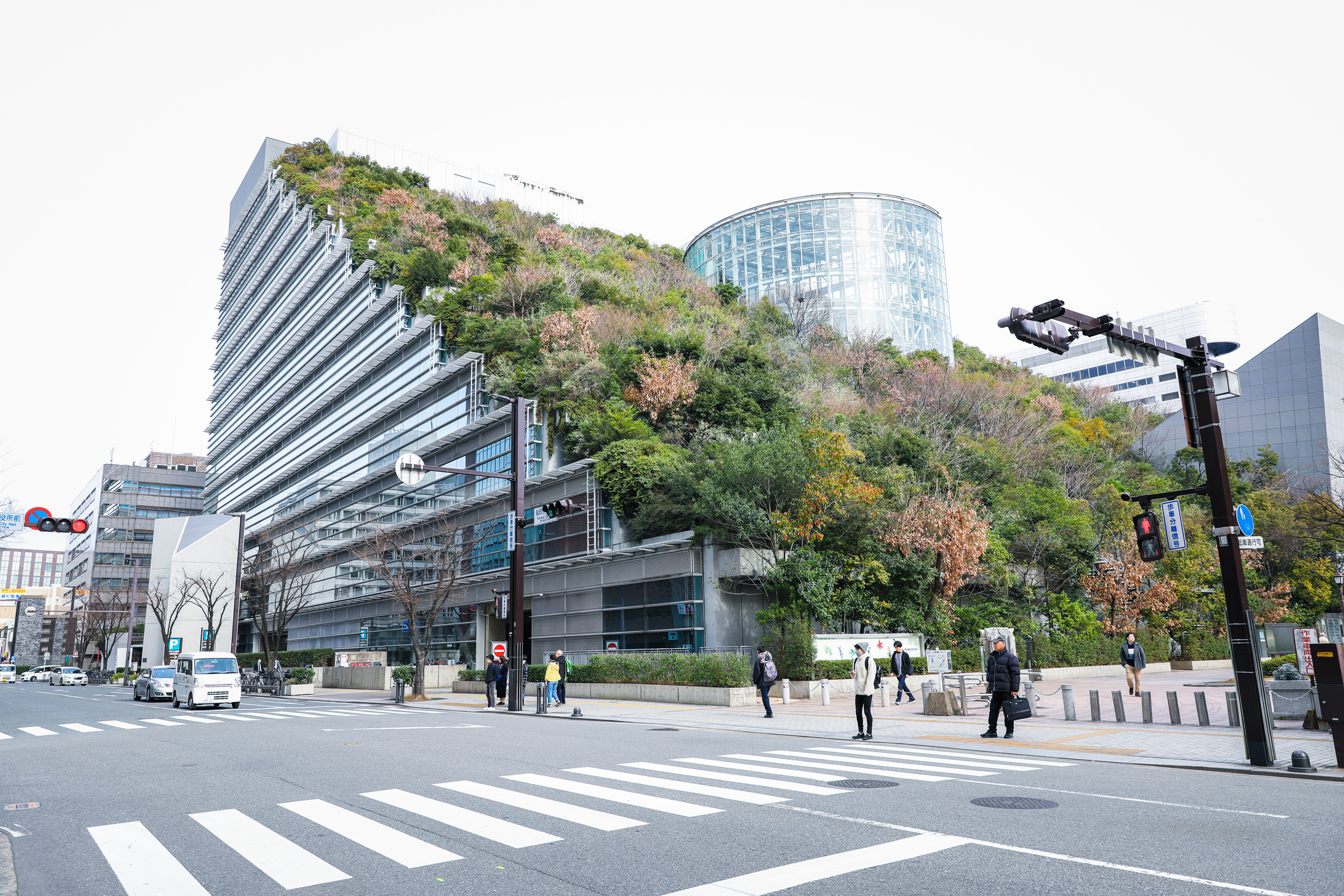
- More green areas for residents, particularly in major cities, which are still behind in this respect.
- Urban design aimed at universal accessibility, which has become a minimum standard that must be met.
Overcoming space limitations: why it is worthwhile for Japan to renew its cities
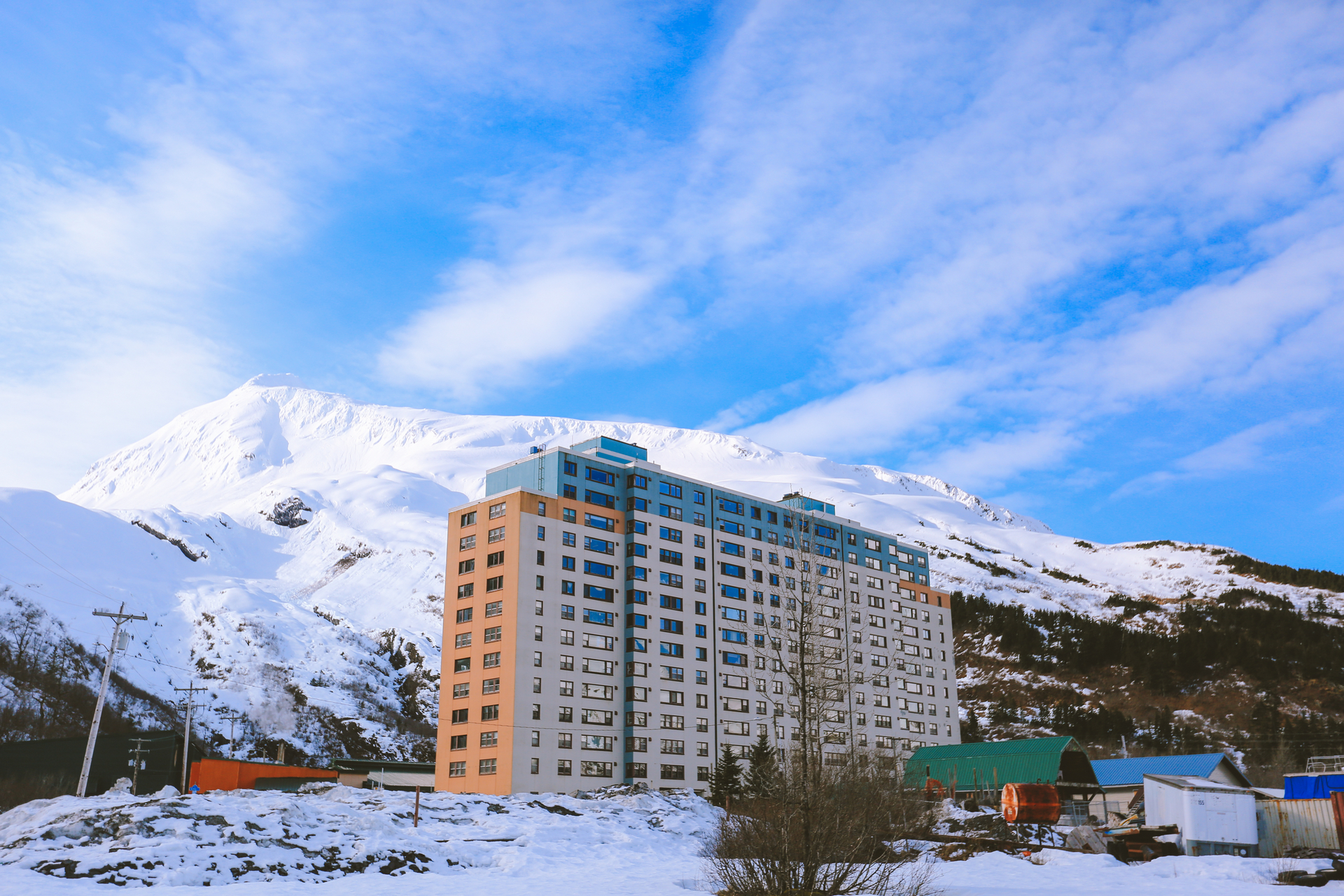
The horizontal space limitations experienced by Japan as the urban area spread throughout the country, seem to have reached a peak as the population begins to shrink (it reached its highest level in 2010). Since then, the country has taken on a new challenge: drawing people to cities and building upwards, so that care can be provided.
For Japan it is worthwhile renewing cities —which were already experiencing renewal cycles every few decades due to earthquakes and fires— because once an area of the city is tackled, it becomes a magnet for people, talent, work and companies (some of which co-produce the city).
Image | Francois Hoangmixe
Tomorrow.Building World Congress (7-9 November 2024, Barcelona) is the new global event empowering the green and digital transition of buildings and urban infrastructures. Celebrated in parallel with the Smart City Expo, it’s a sector-focused summit gathering the most forward-thinking brands and experts disrupting urban construction. Discover more here.