



Table of Contents
Author | M. Martínez Euklidiadas
Could cities combat urban heat if they were painted white? Theoretically they could, and historically they have. Recently, Xiulin Ruan, a Purdue University professor of mechanical engineering, created the whitest paint on record, capable of reflecting 98.1% of sunlight.
Albedo, warm cities’ greatest ally
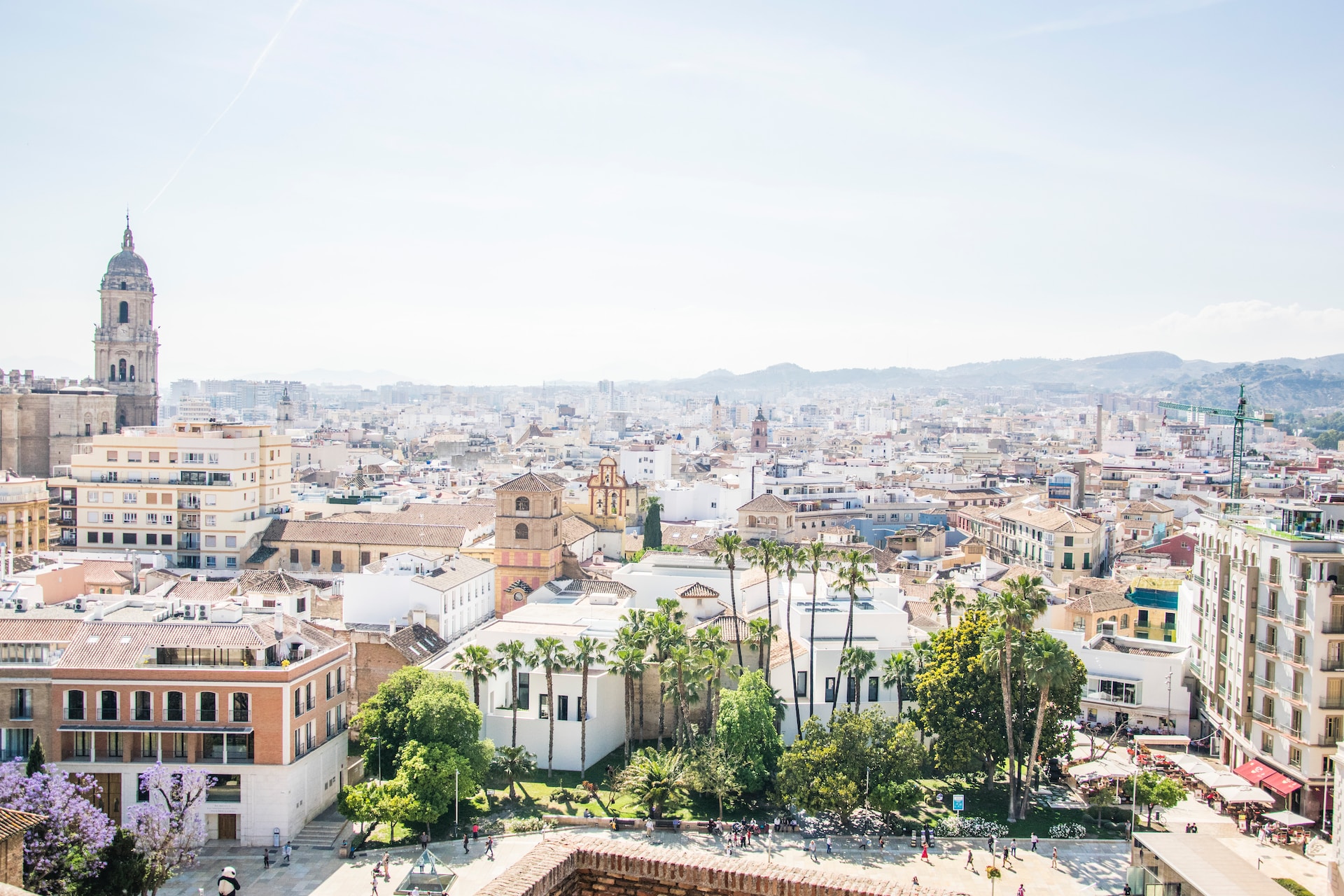
The narrow and white streets of the villages in Andalusia (Spain, above Malaga) are known worldwide. Oia, a village on the archipelago of Santorini, renowned for dazzling ships and also Ashgabat, the capital of Turkmenistan, famous for having the world’s highest density of buildings made from white marble, use similar mechanisms.
Hundreds of towns across the world have learnt to adapt over thousands of years, cladding buildings with marble, painting houses with whitewash, made of slaked lime or using minerals. By increasing the white area, they also increased the albedo, the solar radiation reflected by a surface. Dark surfaces absorb solar radiance, light surfaces reflect it.
The whitest paint in the world to cool buildings
The pigment developed by Xiulin Ruan and his team is capable of reflecting 98.1% of solar radiation. At the other end of the spectrum, the Vantablack pigment (the blackest shade of black) absorbs 99.96% of light.
In practice, painting buildings with the whitest shade of white -formally nanoparticles of barium sulfate– entails temperatures of around 4.5 ºC below exterior temperatures, and therefore lower use of temperature control systems, which require energy.
Can paint cool our cities?
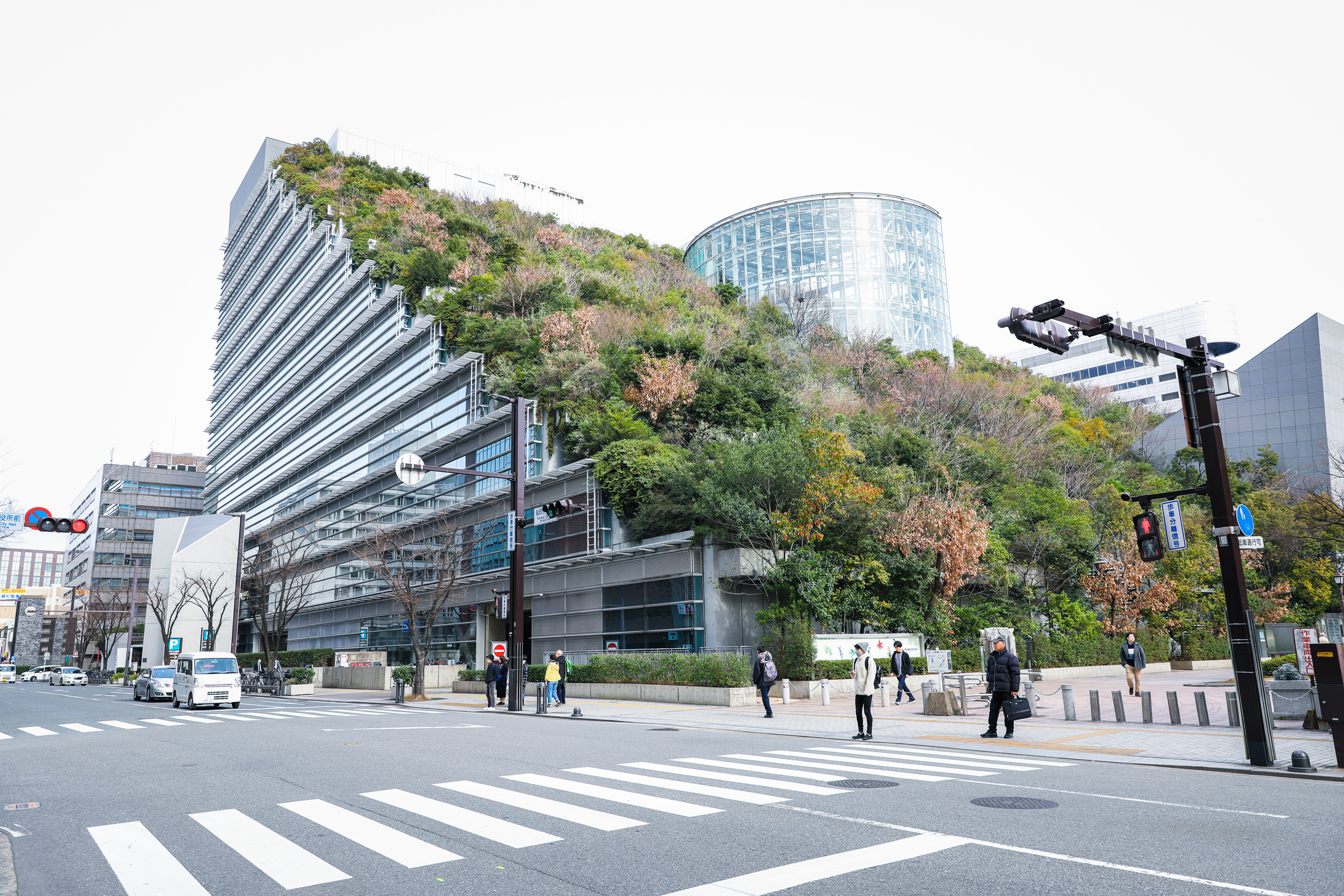
These solar geoengineering proposals to cool large urban areas, may provide some relief to combat the heat island effect experienced in many cities, particularly if they are combined with large green areas, vegetation providing shade or sources of water.
It is not a cure, and sometimes it can even lead to conflicts —a completely white property will reflect, through the albedo effect, on to the building in front—, but with the help of other public policies, undoubtedly we would create more human cities.

For example, a completely white building next to a black asphalt surface, without any elements to provide shade, is not smart. The asphalt will reflect on the building all day long and, regardless of how white the building is, it will get hot. Furthermore, the area will be unusable for pedestrians.
All that reflects is not snow…
In addition, white pigment technology is not particularly easy to apply compared with other white coloring. Although the idea is to use this pigment to cover entire cities and prevent them from getting warm, it is important to point out that the alternative use of conventional paint is much more convenient.
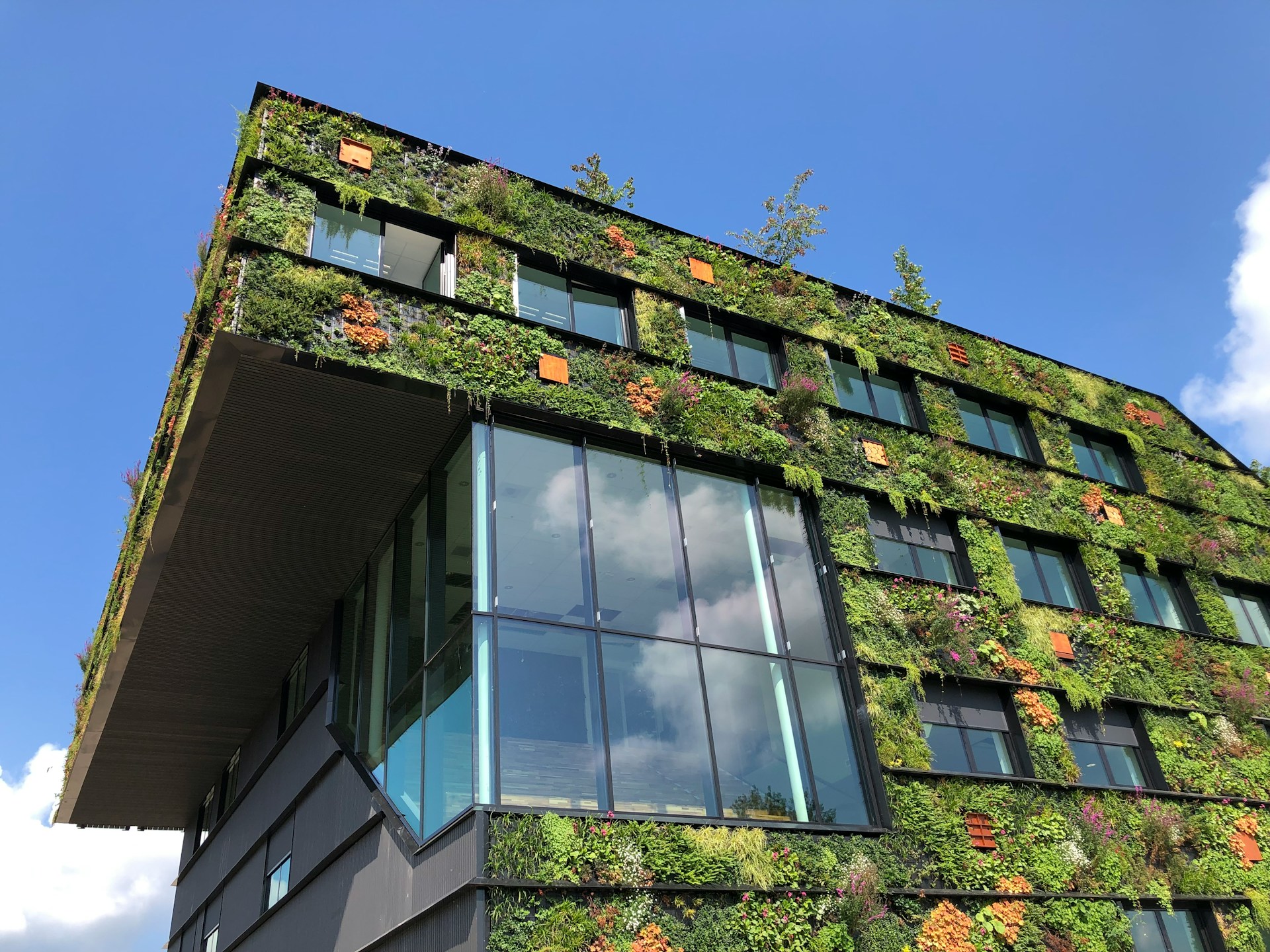
There are also other alternatives to reduce our dependence on air conditioning, other than color. Green roofs are a great example of heat dissipation which also cools the environment and the streets. Another example are roofs with water, although both options entail certain technical complications, such as damp issues.
Painting buildings white is another option

While writing this article, the city mentioned at the beginning of the same is experiencing an unprecedented heatwave, (the last of its kind dates back to 1942) and the Mediterranean has reached its highest ever recorded temperature (map).
In their adaptation to the climate crisis and in order to build more human cities, towns around the world are coming together to combat soaring temperatures.
Image | Tabea Schimpf