



Author | Jaime Ramos
Climate change is related to the way in which human activities have changed vegetation and climate patterns on Earth. Mobility and transport have been largely responsible for these changes. To what extent? What are the alternatives?
Emissions at the center of the climate problem
Carbon dioxide (CO2), methane (CH4) and, to a lesser degree, nitrogen oxides (NOx) and suspended particles PM, are the main agents that have affected climate and terrestrial ecosystems.
Although carbon dioxide has the particular feature of not having a direct and negative impact on human health, increasing emissions have changed everything globally.
If we look back over time, humans have achieved the dubious feat of raising the atmosphere’s carbon dioxide content by 27%. We have contributed around 300 billion tons. However, the figure that makes this gas imbalance easier to understand, is that, before human activities, carbon dioxide in the atmosphere was just 0.03%.
Scientists have been warning us for decades about the negative consequences of our actions, but we have continued down a dangerous path, and now their predictions are proving to be correct.
What percentage of emissions are caused by transport?

The mobility and transport sector is one of the main contributors to this alteration of our atmosphere’s natural order. This is due to emissions caused by burning fossil fuels and other emissions from transportation.
Some sources believe transport is the main culprit. In the United States, for example, official sources indicate that the transportation sector accounts for 38% of total CO2 emissions.
In the EU, the data collected suggest that mobility is responsible for one third of greenhouse gas emissions. Road transport, in turn, is responsible for 71.7% of all these emissions, according to 2019 figures by the European Environment Agency. The figure contrasts with other sub-sectors, such as air transport, contributing about 2–4% of global emissions.
The urban context as a supporting environment for solutions

At the center of new strategies within the sector, urban transport poses a major challenge in terms of drastically reducing emissions. All current mobility trends in cities include the environmental factor within the priorities that justify the introduction of technological innovations, the transition towards other models and even a ban on private cars in city centers.
Some of the most interesting solutions include:
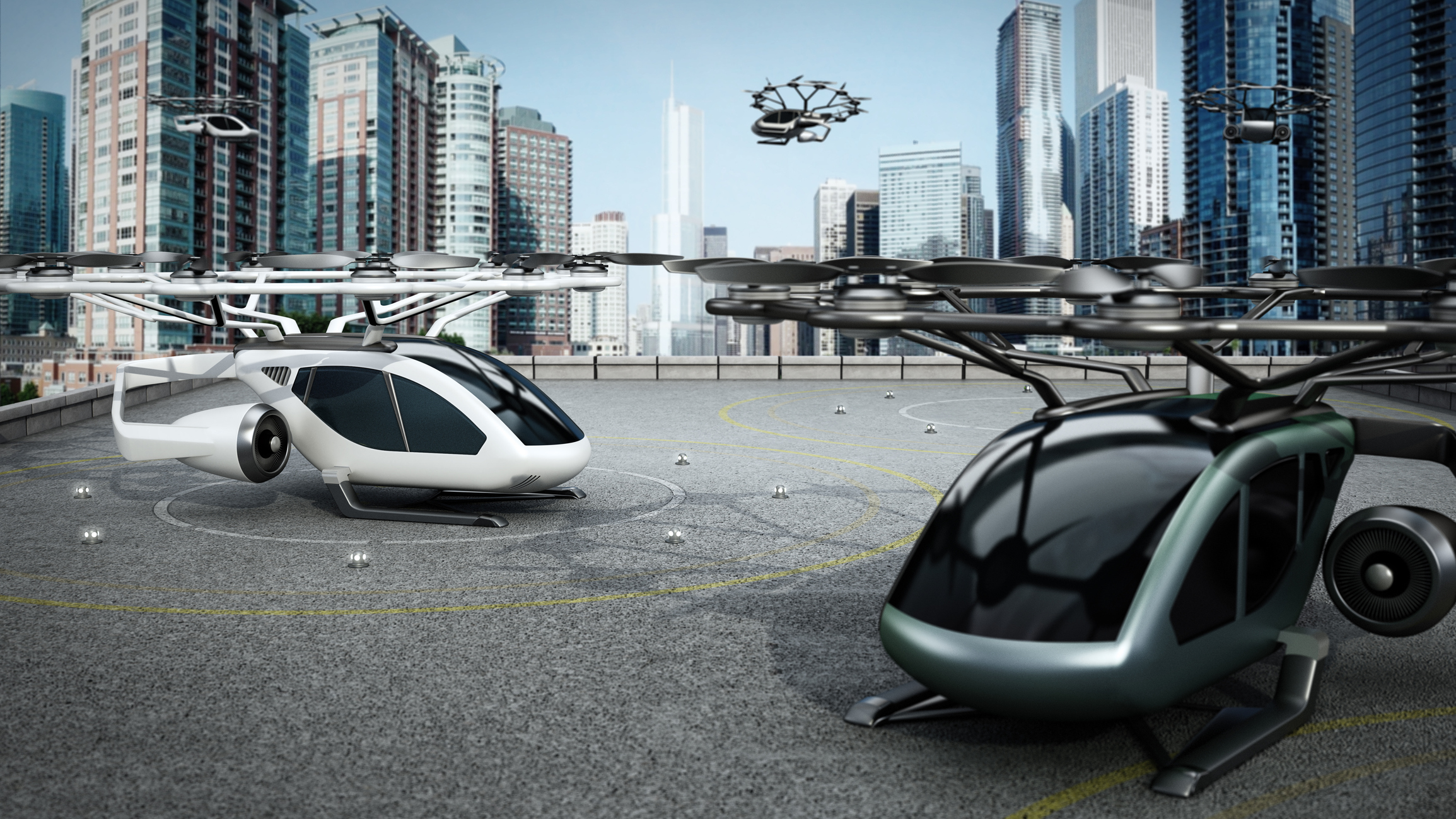
–Electrification and the change to other vehicle engines, mainly electric and/or focused on green hydrogen as fuel.
-Decarbonization of industrial processes. Among the most pressing trends are those aimed at replacing materials such as steel.
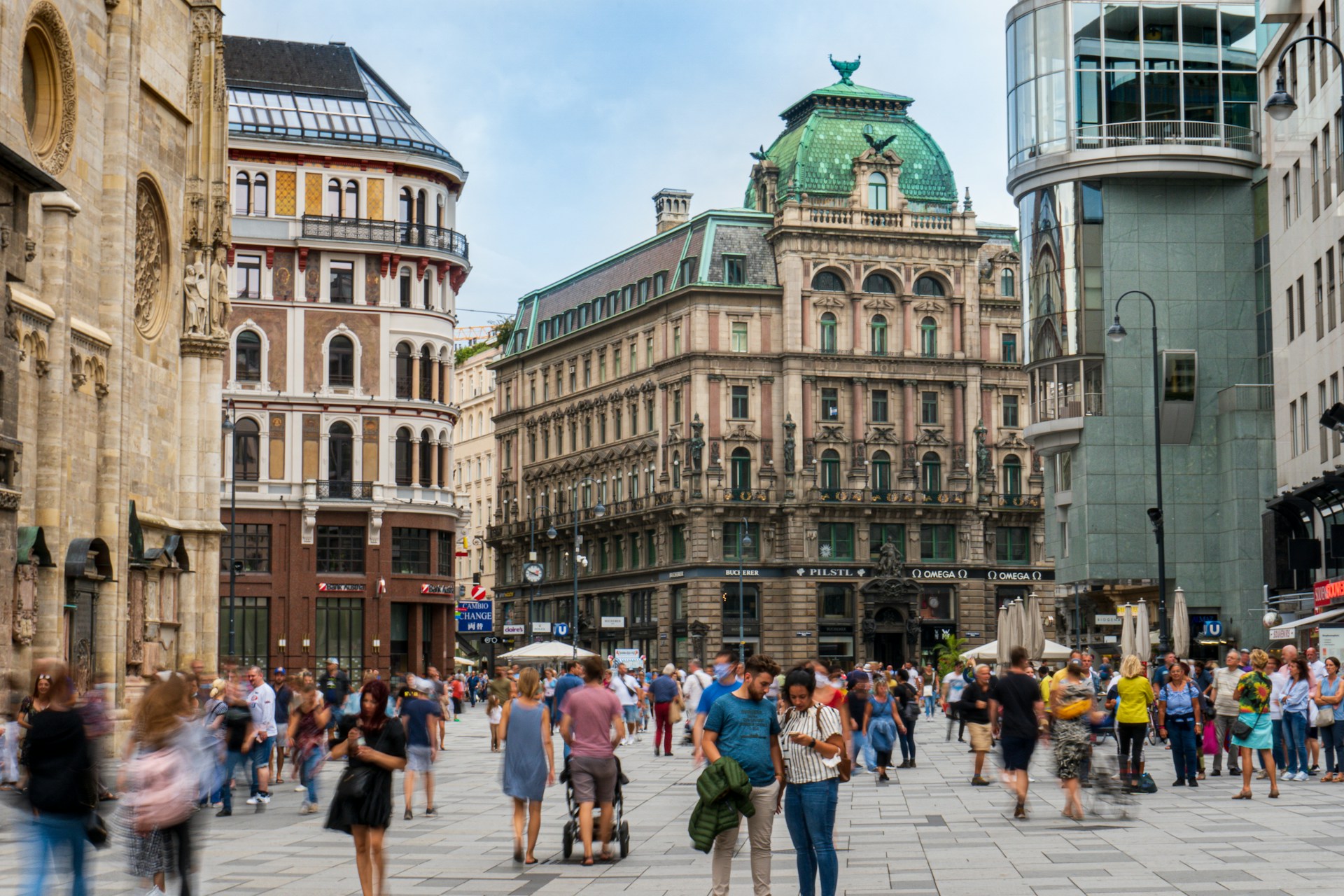
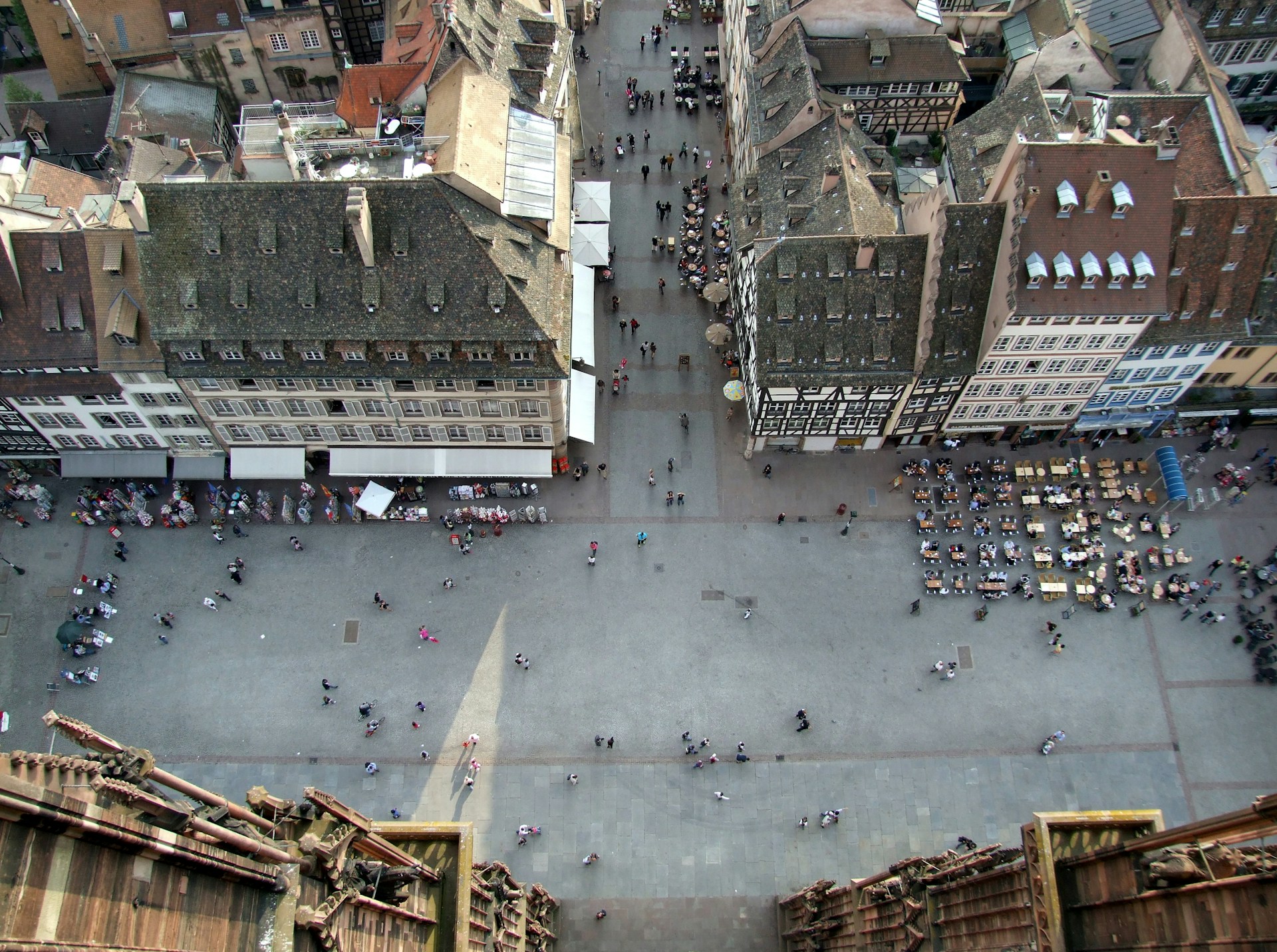
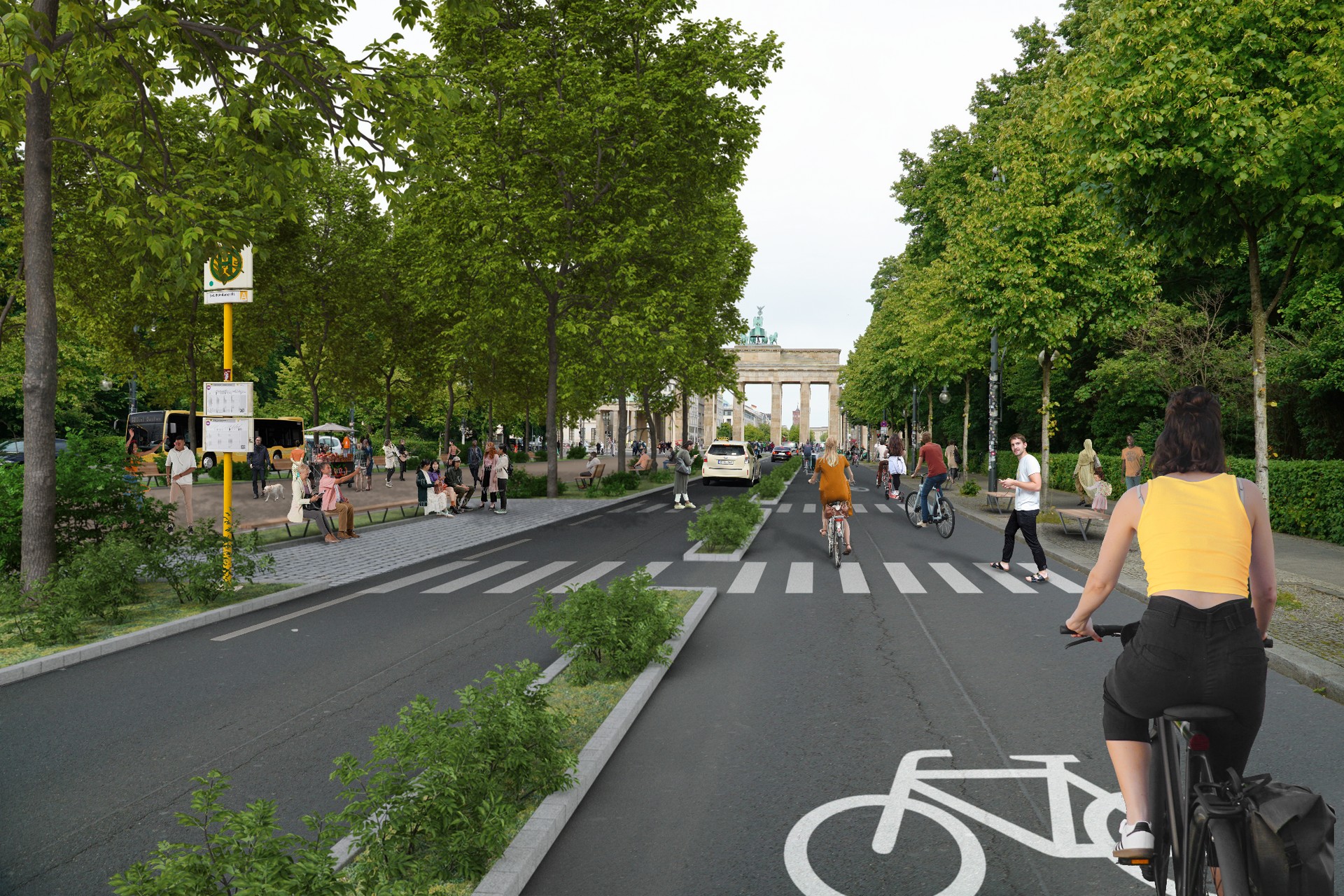
–Changes in urban spaces, limiting or restricting polluting vehicles and encouraging walking, cycling or mini mobility.
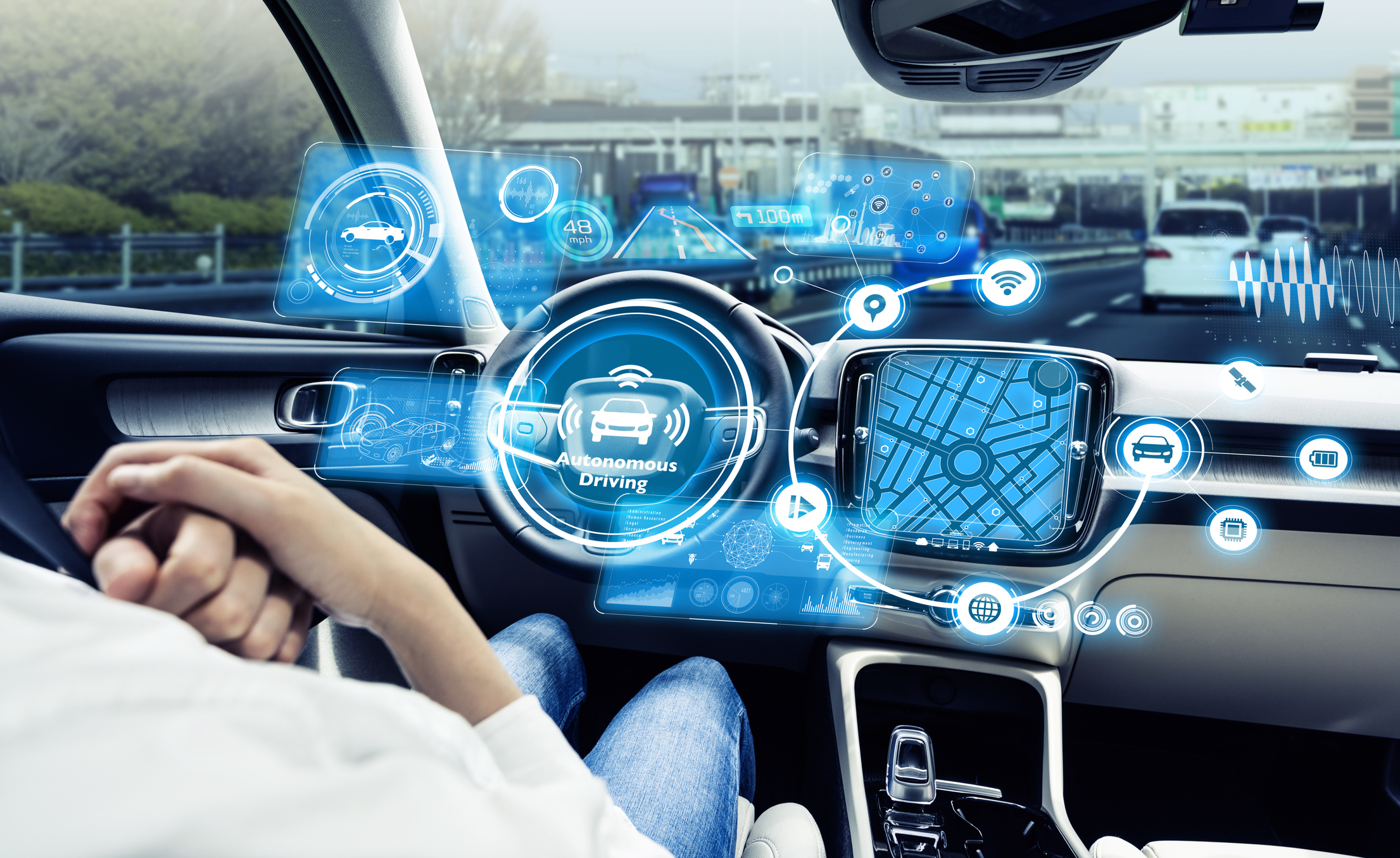
–Public and connected mobility models. Leading technologies (AI, Big Data, etc.) will change the way we use transport. These are powerful instruments for accelerating the drop in emissions since they enable a more advanced management of transport flow or the development of MaaS services.
The objectives established for key dates (2030, 2040 or 2050) are based on the combination of these tools. The future of the climate crisis is hanging from this thread.
Images | Freepik/fanjianhua, Congressional Budget Office, Freepik/freepik