



Table of Contents
Author | Raquel C. Pico
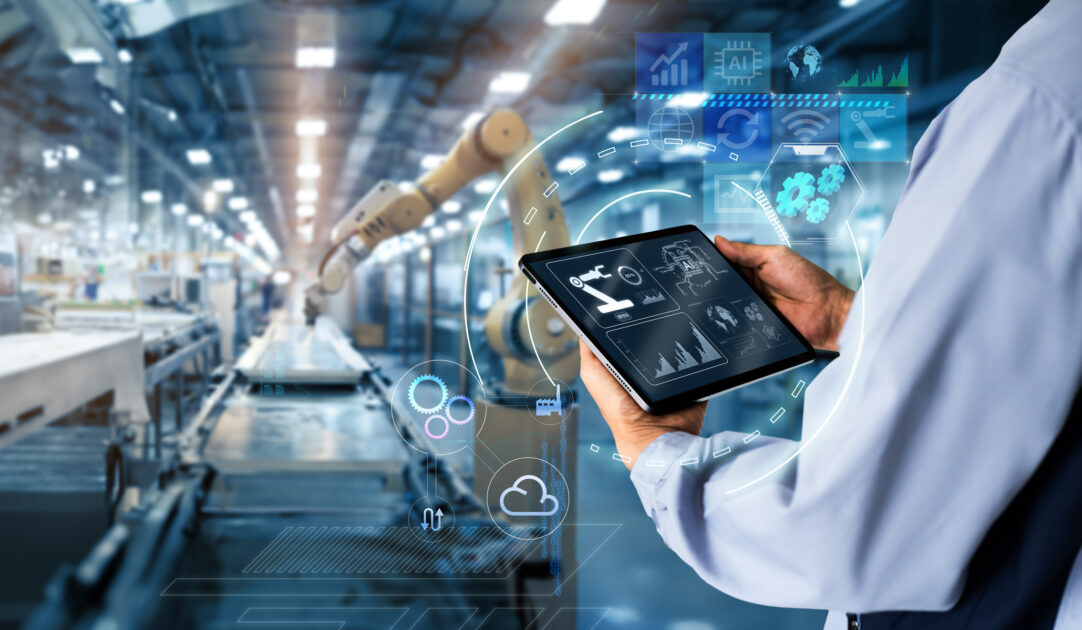
Digitalization has had a significant impact on the economy. It has become not only an industry in its own right but also a driving force behind change across other sectors of production. Technology has ushered in what is now widely recognized as a new industrial revolution, and the emergence of artificial intelligence (AI) has accelerated this transformation. As a result, we are now entering the era of Industry 4.0, which aims to be more efficient, more resilient and, through intelligent manufacturing processes, more sustainable. This is the age of smart manufacturing, a shift that is also reshaping cities.
How AI has transformed manufacturing
The integration of artificial intelligence has transformed the way manufacturers operate. Companies now use vast amounts of data not only to make better decisions but also to manage workflows more effectively. Smart manufacturing relies on automation, analytics, and predictive technologies to optimize what is done, how it is done, and when it is done. According to a global Deloitte study, 92% of decision-makers believe that smart manufacturing will become “the primary driver of competitiveness over the next three years.”
Benefits of smart manufacturing
This competitive advantage stems from the many benefits that smart manufacturing offers. As one study notes, “the convergence of artificial intelligence and the Internet of Things is driving a transformative shift in industrial and manufacturing services,” creating “a smart economy characterized by automation, efficiency, and data-driven decision-making.”
Manufacturing processes become more efficient, eliminating redundancies and losses, while artificial intelligence helps identify and resolve problems. One of the most significant innovations is the use of digital twins, virtual replicas of physical systems that enable manufacturers to simulate outcomes and identify areas for improvement. These digital counterparts mirror the real world, serving as both a guide and a decision-support tool. At the same time, connected manufacturing provides a holistic view of operations. By digitizing every stage of the production process, manufacturers can track products from the earliest design phases through to the end consumer, eliminating blind spots along the way.
Smart manufacturing in the urban environment
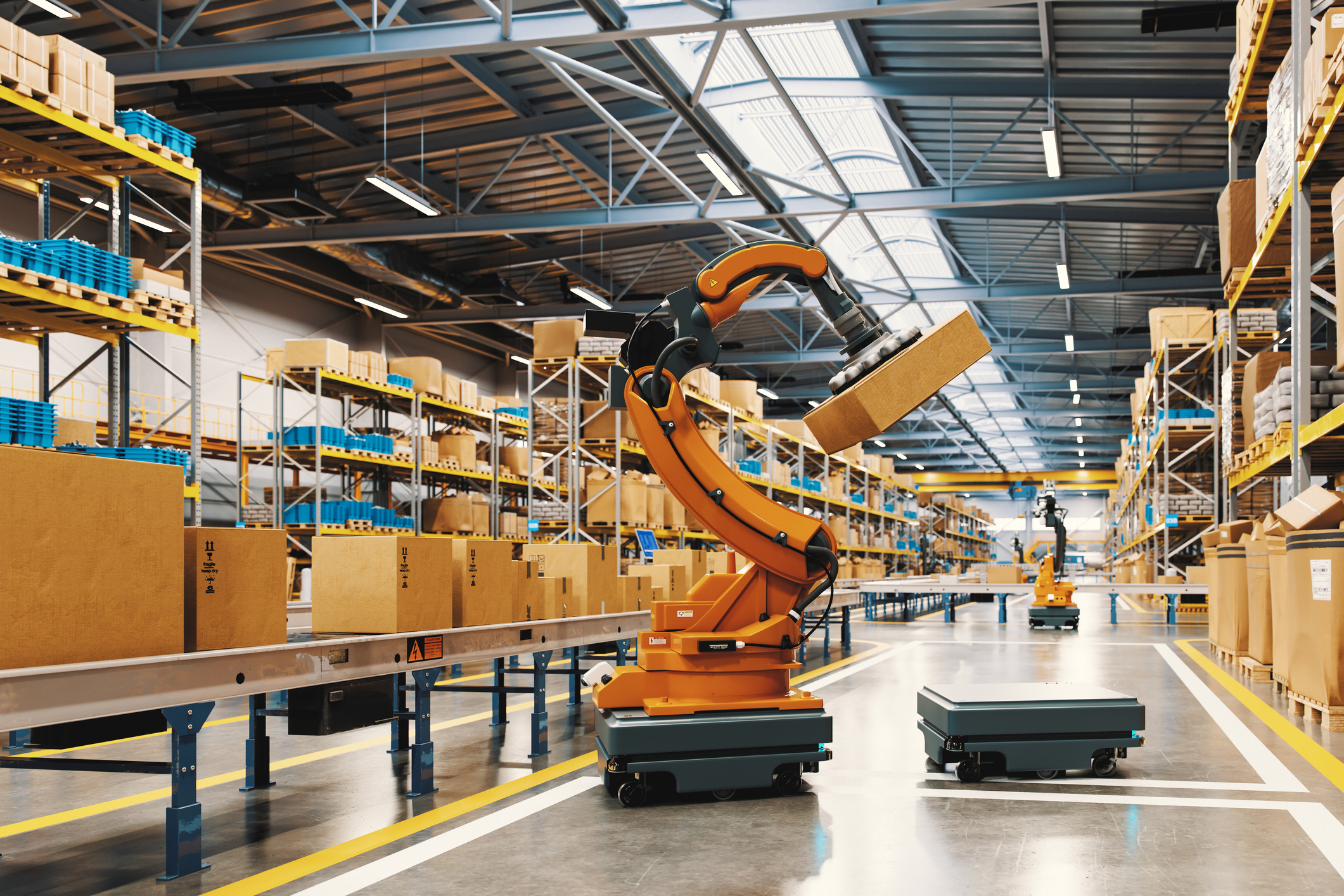
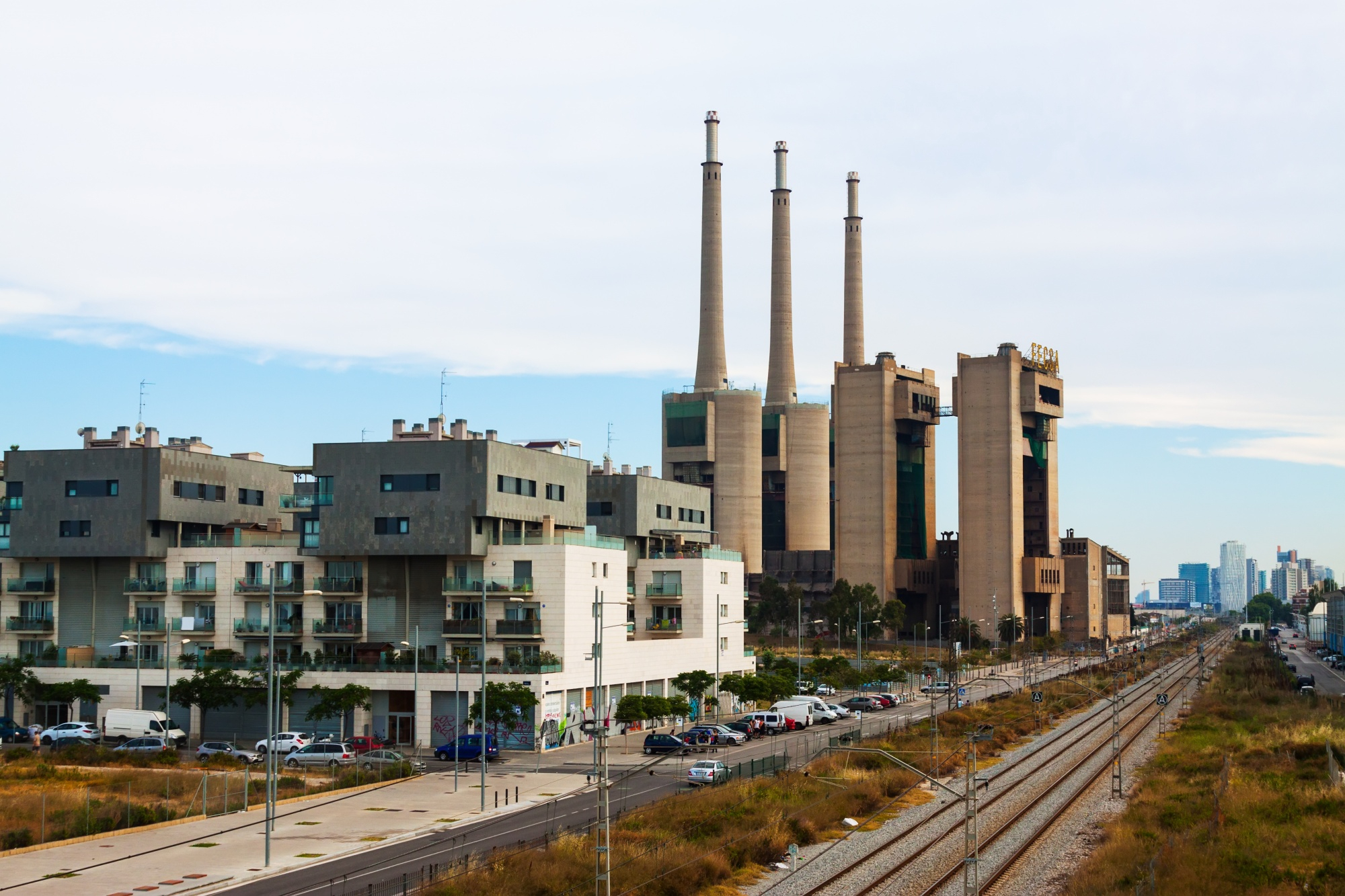
These advances are also having a significant impact on cities. The so-called smart economy is driving urban growth, with GDP in these areas projected to increase by between 1.2% and 1.4%. At the same time, it supports economic diversification and fosters innovation.
However, the impact extends beyond the influence of industrial change on urban economies, where manufacturing activity is often concentrated. Smart manufacturing also strengthens urban resilience. Its core principles underpin smart infrastructure, while cities themselves are adopting digital twins, big data applications, and automated processes.
If the 21st century began as the era of smart cities, advances in technology and particularly the growing maturity of artificial intelligence have taken them to the next level. Analysts are now introducing a new concept: the “wise city.” According to the Megatrends 2025 report by the Bankinter Innovation Foundation, this represents a fundamental shift in perspective. Technology is no longer viewed as an end in itself but as a means to an end. Rather than simply adopting new technologies, wise cities integrate them holistically to better understand their residents, resources, and surrounding environment. This broader perspective enables them to look beyond immediate needs, plan for the long term, and make progress toward goals such as social inclusion, urban regeneration, and greater sustainability.
Achieving this vision depends on the same core technologies that support smart manufacturing. Artificial intelligence provides the overarching framework, while digital twins, the Internet of Things (IoT), big data, and automation are the key tools for delivering results. Together, these technologies enhance resilience and serve as the foundation for a smarter, more sustainable urban model.
Frequently Asked Questions
What is smart manufacturing?
There are several technical definitions of smart manufacturing, but in simple terms, it is the use of advanced technologies, particularly artificial intelligence, not only to manage manufacturing processes but also to anticipate potential issues and create added value. This is achieved through autonomous, connected, and highly efficient operations.
What are the key technologies behind smart manufacturing?
Smart manufacturing is built on technologies such as digital twins, the Internet of Things (IoT), automation, cloud connectivity, and data analytics, among many other next-generation IT solutions. At the heart of these technologies, however, artificial intelligence is the key enabler driving its progress and capabilities.
What are the risks?
The most significant risk associated with smart manufacturing is its increased exposure to cyber threats, making a robust cybersecurity strategy essential. In recent years, however, concerns have also grown over technological dependence on artificial intelligence, particularly reliance on the major providers of AI systems.
What impact does it have on cities?
Integrating artificial intelligence into urban infrastructure offers a wide range of potential benefits. It can improve city management, support better decision-making, and help address major challenges such as social inequality, infrastructure needs, and sustainability goals.
What does the future hold?
The transformation driven by artificial intelligence and smart manufacturing is still in its initial stages, but experts are already pointing to the next major technological revolution: quantum computing.
Photos | B4LLS, imaginima/iStock