



Table of Contents
Author | Jaime Ramos
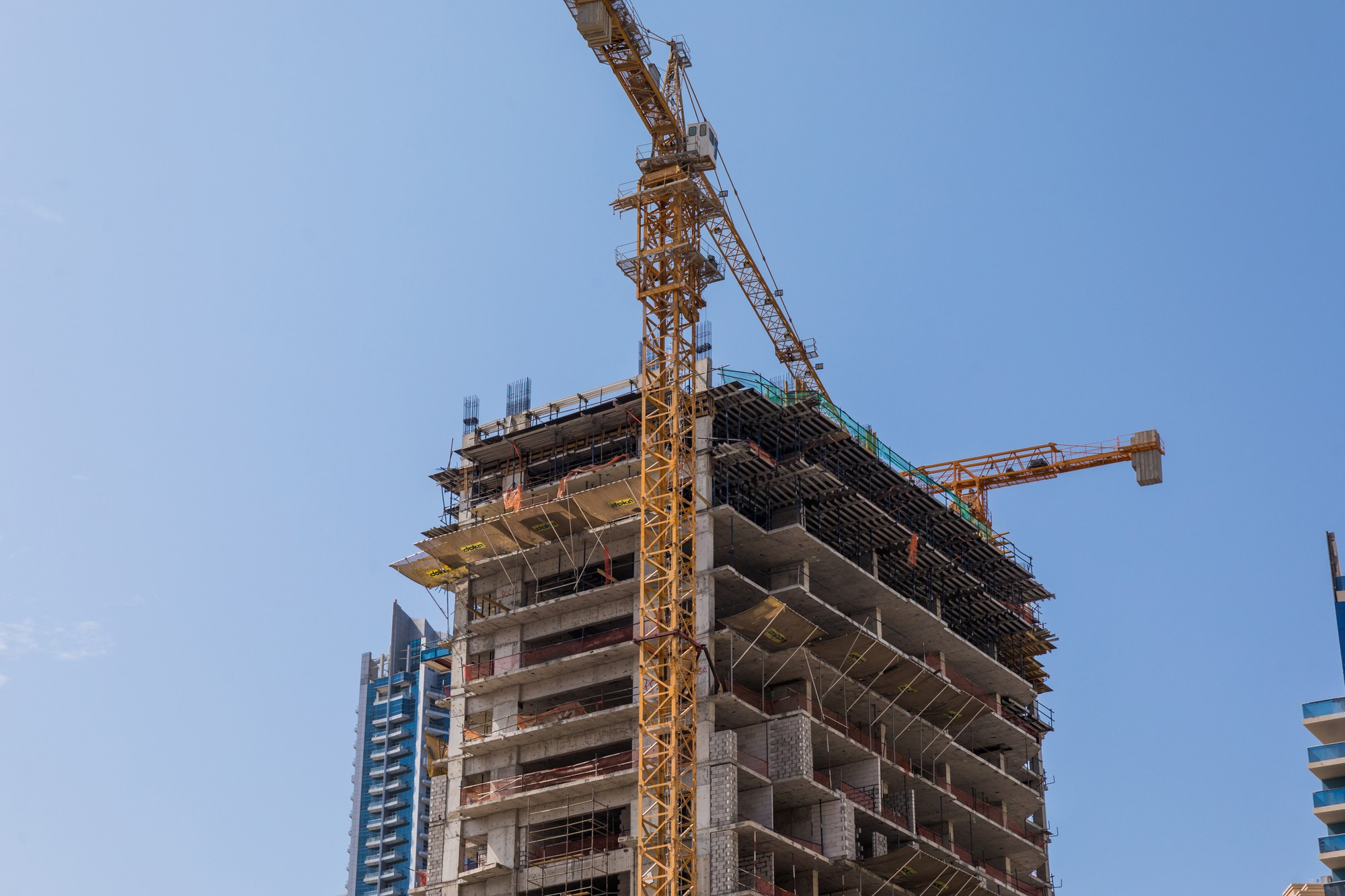
The construction industry, which is crucial for urban development and directly affects cities, has reached its own specific crossroads in 2023, questioning whether costs will drop or if, on the other hand, they will continue to rise.
If we look at the United States as an example, in 2022 construction companies saw costs rise to 14.1%. This has been forecast in the reference index drawn up by the global leader in commercial real estate services and investments CBRE.
As in other areas, the question regarding what will happen at the end of 2023 involves not only the construction sector, but also numerous economic or institutional sectors. These types of trends can intensify complex phenomena for cities. A clear example of the relationship between costs and housing prices can be seen in San Francisco and its homeless issue.
Factors that have affected construction costs

In the past three years, the construction company has had to digest and process various exogenous impacts. The most significant aspects affecting the sector include the COVID-19 crisis, the energy challenge, the tension created among western powers due to the Ukrainian conflict and, to top it all off, the inflationary context.
All of this has led to, or aggravated, certain negative factors. There has been a shortage and subsequent increase in the price of construction materials. In October 2022, analysts from the company Dodge identified year-on-year price increases of 10.8% for cement, 14.2% for concrete or 23.1% for paint. In addition to a progressive unmet demand for skilled workers in the US or British labor markets.
Will construction costs drop in 2023? Aspects to be taken into account
If we analyze the factors outlined above, beginning with the price of materials, some experts indicate that price increases will stabilize in 2023. In the United States, there are signs of a dynamic improvement in the supply chain and in price drops that were already seen in December 2022 in sub-sectors such as the wood sector.
These estimates are based on predictions provided by the Architecture Billings Index (ABI), produced by the American Institute of Architects (AIA). The results shed some light on billing volumes that are remaining steady.
The challenge will mainly affect costs and the availability of skilled workers, a complex and delicate issue that could affect 40% of project budgets. When questioned by the AIA, 86% of leaders in the sector recognize this as a major challenge in their companies.
At a global level, it is hoped that the inflation drift will help construction companies to operate in more favorable budgetary margins. The International Monetary Fund predicts a global figure of 6.6% in 2023 and 4.3% in 2024*.* Related to the foregoing is the impact of the relaxation of anti-COVID protocols in China.
How can we prepare for an increase in construction costs?
Given the complexity of the situation, now is the time to take advantage of certain windows of opportunity:
- Make use of technological advantages. The use of new software, blockchain technology or the use of drones can provide qualitative advantages in the sector.
- Consider the use of alternative materials.
- Business diversification.
- Analyze and allow flexibility between items to review margins.
In short, the construction sector is tackling the challenges of the global economic situation and the survival of many companies depends on their efficacy in terms of overcoming the challenge with the volatility and increase in construction costs.
Images | Freepik/diana.grytsku, ABI