



Table of Contents
Author | Raquel C. Pico
Housing has been a central issue in protests across numerous European countries from late summer through fall 2026. Limited availability, high prices, and poor housing conditions were among the main drivers of public discontent, fueling prolonged protests in which the right to housing became intertwined with other contemporary challenges. While this is not a new problem, the situation has deteriorated so significantly in recent years across a wide range of European cities that residents have reached a breaking point.
Soaring housing prices
Statistics show that home purchase prices in Europe have risen by an average of 60% over the past fifteen years, while rents have increased by 30% over the same period. However, this latest figure requires some qualification, as rent increases in major cities have far exceeded that average. Lisbon has seen increases of between 130% and 176%, Barcelona between 100% and 125%, and Paris and Dublin around 100%. Even in smaller cities, rents have climbed significantly, with Málaga recording increases of between 130% and 150%.
This has made life considerably more difficult for residents, particularly certain demographic groups. The rental housing crisis has had a particularly severe impact on younger Europeans, who need to spend 60% to 70% of their income on monthly rent and are disproportionately represented among those living in substandard housing. At the same time, finding a way out of this situation has become almost impossible, as labor market trends are driving them toward major metropolitan areas, where prices are rising the fastest.

Changing lifestyles (including a significant increase in single-person households) and broader trends (such as the boom in short-term vacation rentals and the upward pressure on rents caused by the influx of digital nomads in an increasingly unregulated market) are also reshaping the situation. The housing market has become far more complex.
The housing supply bottleneck therefore represents a major challenge for European cities, one that city leaders must address as it gives rise to new problems, significant challenges, and even social tensions. Some reports suggest that Europe needs more homes, including the additional 2.25 million estimated by the European Investment Bank. However, as an analysis in The Conversation points out, only half that number of homes are being built, while construction costs have risen by 56% since 2010, making new housing development more expensive.
The key factors behind the problem
But why aren’t there enough homes? The answer is complex and nuanced, meaning that simply “building more” cannot be presented as a magic solution.
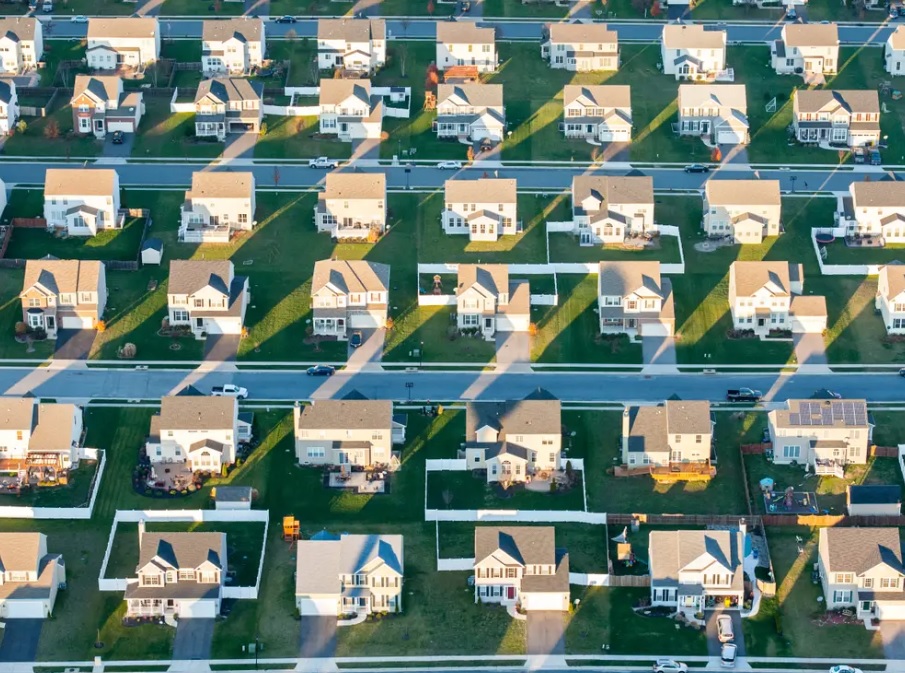
In fact, Europe actually has more homes than it needs. This is the paradox highlighted in a report by El Orden Mundial. Europe has an average of 514 homes per 1,000 inhabitants, but this housing stock does not meet residents’ needs in terms of price and location. In other words, the problem is not so much a lack of homes, but rather that they are not available where they are needed or at affordable prices. Buying an inexpensive home in a rural area is not necessarily a viable solution, as it may be too far from employment centers or even in a condition that makes it unsuitable for immediate occupancy.
Even existing, occupied homes in desirable locations reveal another striking reality. They are too large for the way people live in the 21st century. According to Eurostat data, one in three people in the European Union lives in a home with spare rooms. In other words, their homes are larger than their actual needs require.
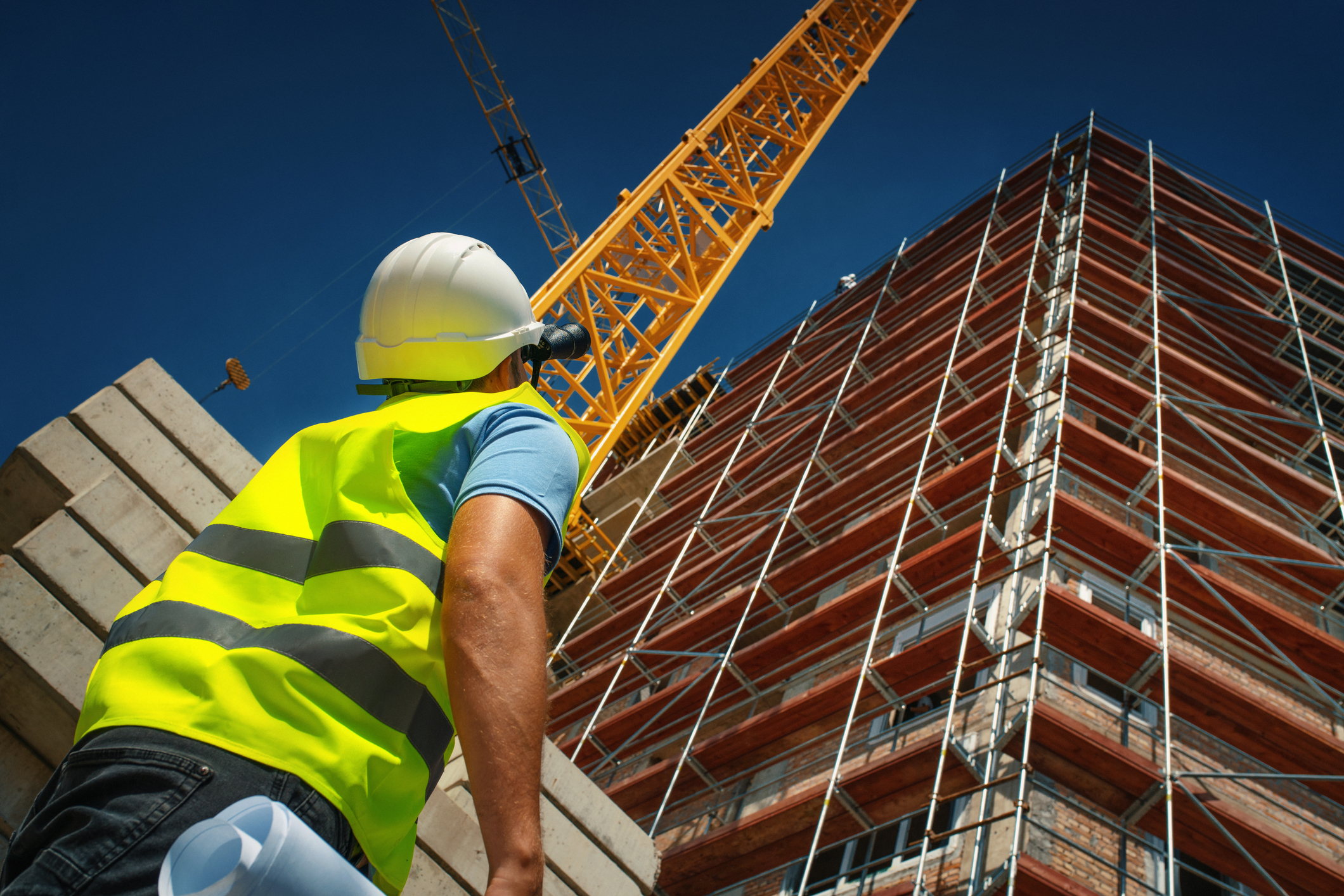
At the same time, Europe has also experienced a construction crisis. The financial crisis at the beginning of the century was sparked by the collapse of a housing bubble, which subsequently caused a degree of panic in the market. However, this alone does not explain the scale of the problem. Land is scarce, financing is more expensive than it was 30 years ago, and finding skilled workers to build new homes has become increasingly difficult. On top of this, building materials are becoming more expensive, driving construction costs even higher.
At the same time, countries such as Spain recognize citizens’ right to housing in their constitutions, adding another dimension to the issue.
How to solve the housing crisis

Solving the housing crisis therefore requires going beyond simply building more homes. It calls for effective urban planning and a commitment to innovative models, rather than relying on traditional approaches. After all, innovation can help address housing shortages quickly, sustainably, and in ways that better meet people’s needs.
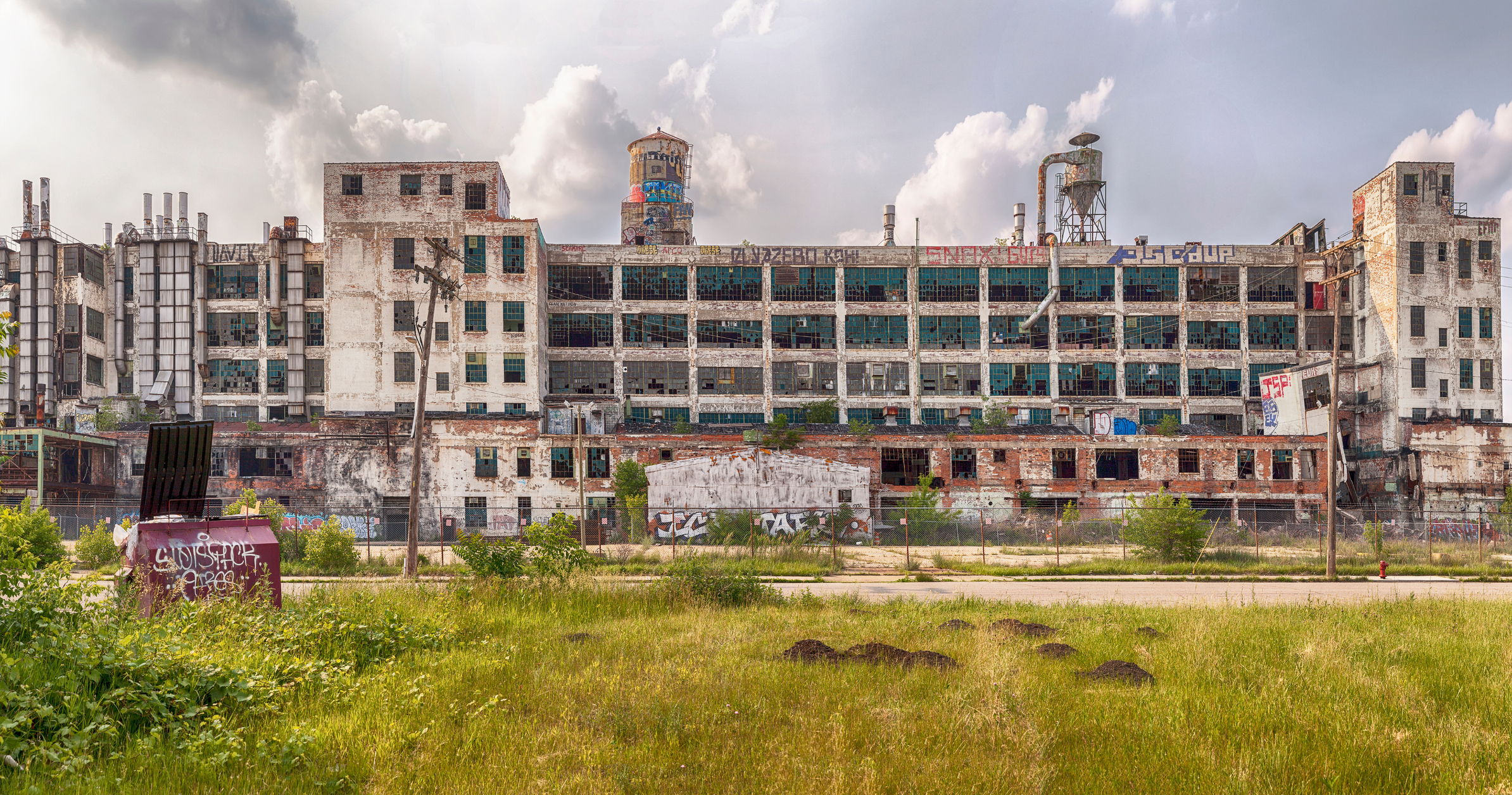
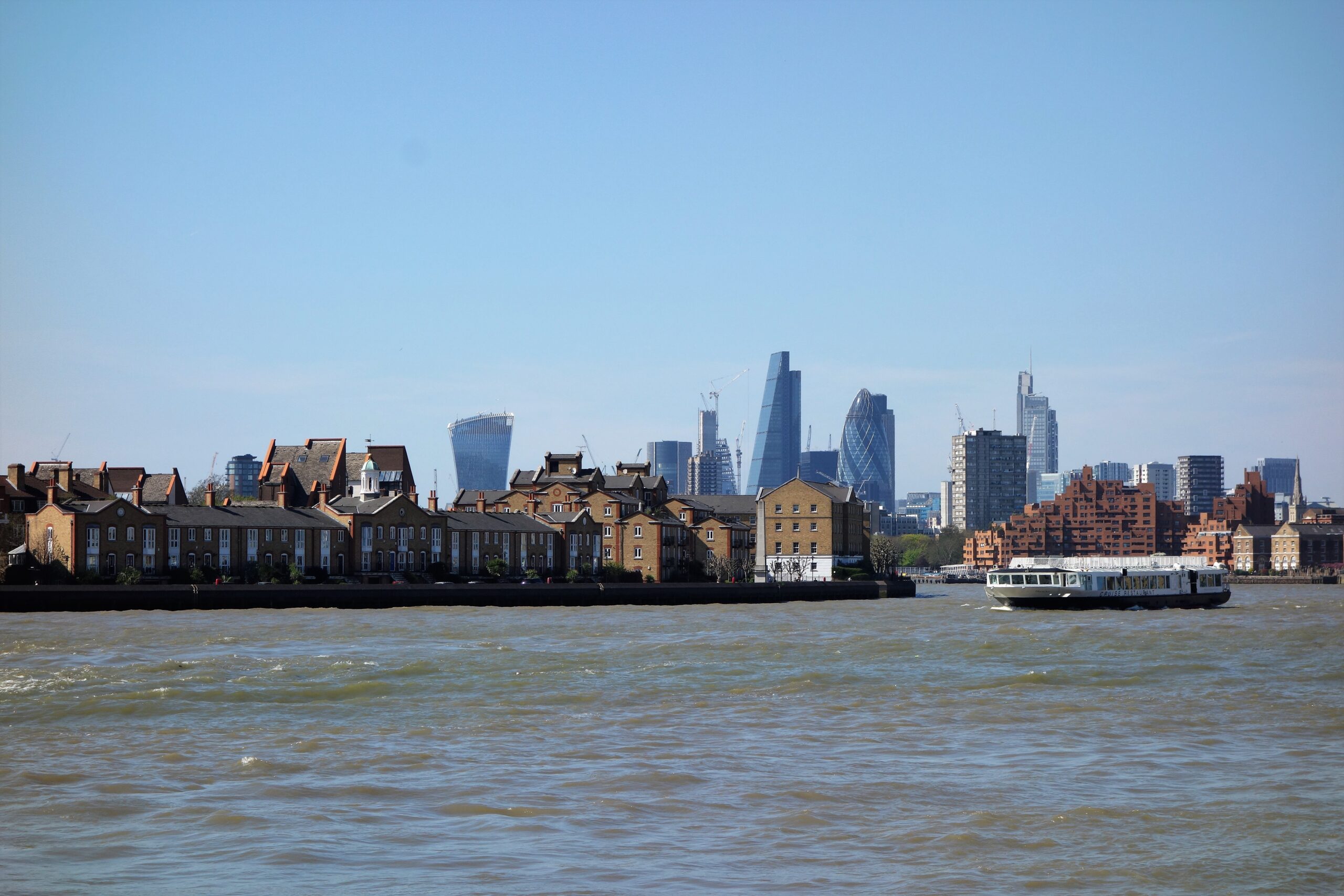
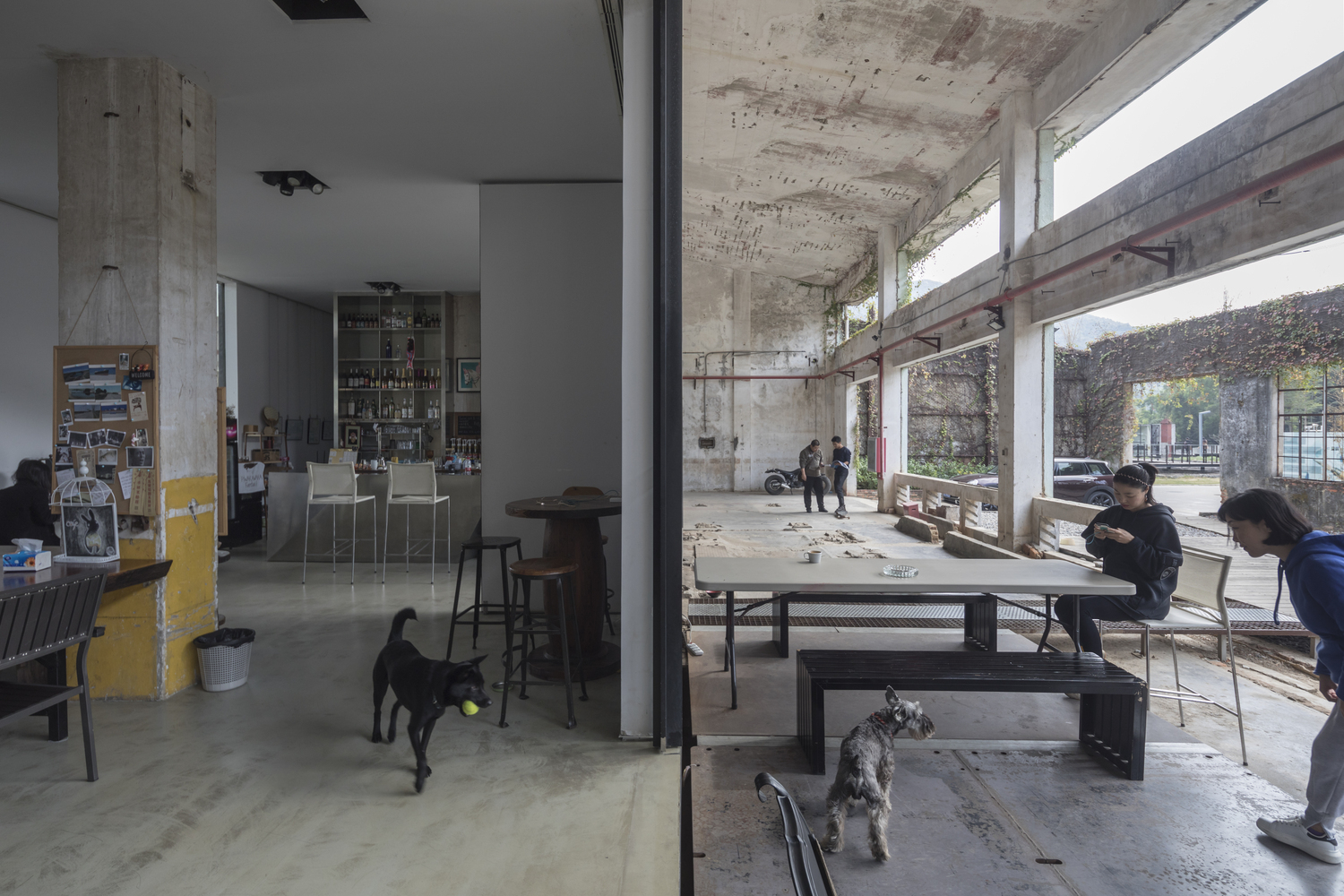
One excellent example is the potential of brownfields, abandoned industrial sites that can be redeveloped for housing. These projects not only bring unused land back into the housing supply but also clean up and regenerate the land, helping reduce cities’ environmental footprint. As cities have expanded, many of these sites have become more centrally located, making them especially attractive for redevelopment. Barcelona and London have already implemented projects of this kind with considerable success.
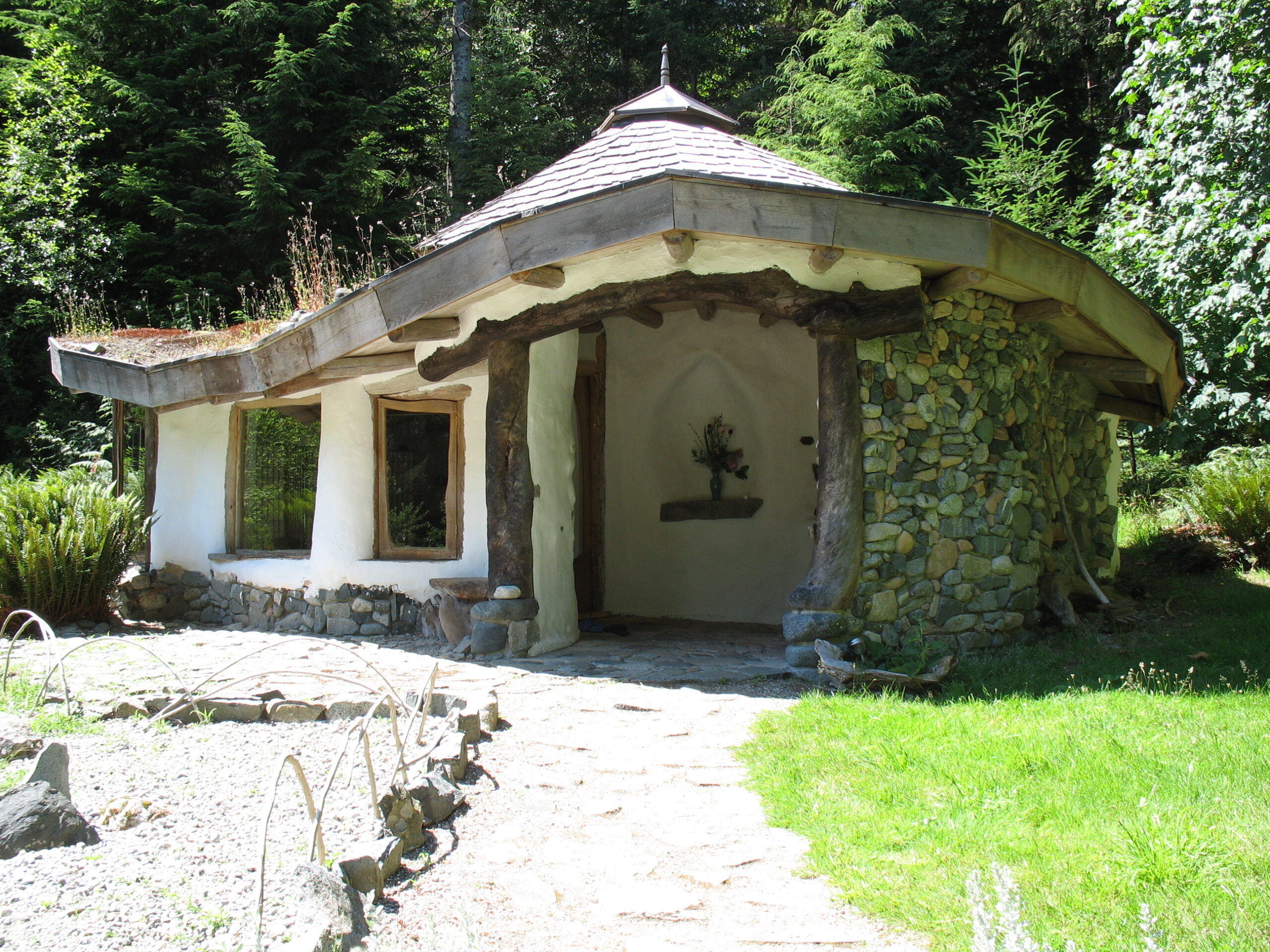
Another example is the use of alternative building materials that meet environmental standards and help cities prepare for the effects of the climate crisis. Other initiatives focus on rethinking housing design and how homes are used. Rather than designing homes around the typical family structure of 40 years ago, these projects consider the space requirements of today’s residents and how their homes can adapt to their future needs. Housing cooperatives are one example of this approach.
What Europe is already doing
The issue has already become a top priority on the European agenda. In September, the European Commission presented its Affordable Housing Act, a legislative proposal aimed at easing housing pressures by establishing a regulatory framework that European municipalities and countries can use to develop specific rules for short-term vacation rentals and areas facing particularly high housing demand.
Some countries have already introduced their own legislation. Portugal did so in 2024 with its Simplex Urbanístico initiative, which, as reported by the Portuguese press, simplified procedures related to property purchases, sales, and other real estate transactions. It also accelerated the building permit approval process. Estonia is taking a different approach by digitizing administrative procedures related to construction and housing through a government-run e-construction platform that streamlines processes and incorporates tools such as digital twins.
Some key questions
Why is Europe facing a housing crisis?
Europe’s housing crisis is closely linked to a shortage of affordable housing and has a particularly significant impact on younger residents. There is not enough housing available to meet the needs of people living in its major cities.
Are concrete measures being taken to address the crisis?
The housing supply bottleneck is one of the challenges currently on political agendas. The European Commission has proposed a potential common regulatory framework, while some countries have already introduced legislation.
Photos | Mark Amores, Nanci Santos/iStock, Manuel Milan/iStock