



Table of Contents
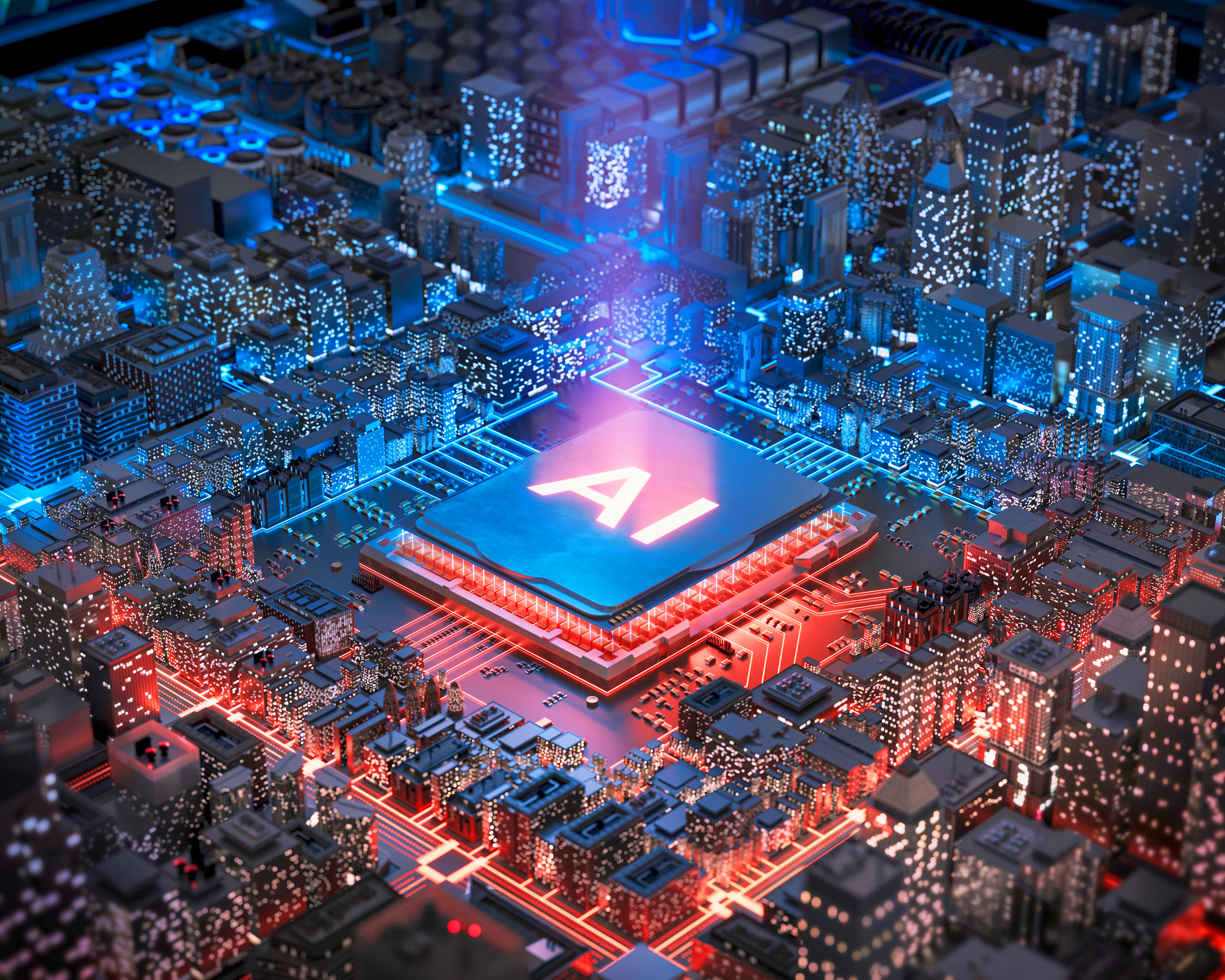
Author | Jaime RamosSince its creation, artificial intelligence (AI) has been informally related to the imitation by machines of the cognitive processes of the human brain. However, as a fundamental branch of computer science, it has a different and much more profound purpose.
Is machine learning the same as artificial intelligence?
That is how we discovered them in gigantic steps in recent decades. Which led to the emergence of new developments, solutions and disciplines, such as machine learning.
What is artificial intelligence?
Experts define artificial intelligence as the study and design of intelligent agents, i.e., entities that direct their own activity to achieve an objective in a specific context, using methods to obtain external information (sensors) and a decision-making system that brings it closer to the objective.Artificial intelligence brings together the optimization of mathematical models, artificial neural networks and the implementation of statistics through Big Data. AI fully draws upon information and computer sciences, systems engineering, mathematics, psychology, linguistics or philosophy.
What is machine learning?
When we talk about machine learning, we are referring to the discipline within artificial intelligence that aims to achieve objectives solely through machine learning. It is, essentially, the computer intelligence that teaches the machine how to learn.
Differences between machine learning and artificial intelligence
Both terms are often confused. This is normal, since it could be said that AI includes machine learning.Imitation is a crucial process in a baby, the flame that ignites learning and creativity. In the case of machines, their real learning does not come from imitation, but rather from orders and commands given by humans. That is, artificial intelligence started to feed off and develop with the fruits of the cognitive processes of human beings.The difference that machine learning provides is that, under its aura, the machine can separate itself from the human programming and use the data it holds and create its own models through algorithms.In other words, machine learning does not require an external standard to achieve the objective. If we take the metaphor of a one-year old baby’s brain, whose “objective is to eat”:
- Artificial intelligence is like showing a baby what a spoon is used for.
- Machine learning would provide that same baby with its own tools, like being able to pick up the plate and eat directly from it.
Examples of how smart cities use artificial intelligence and machine learning
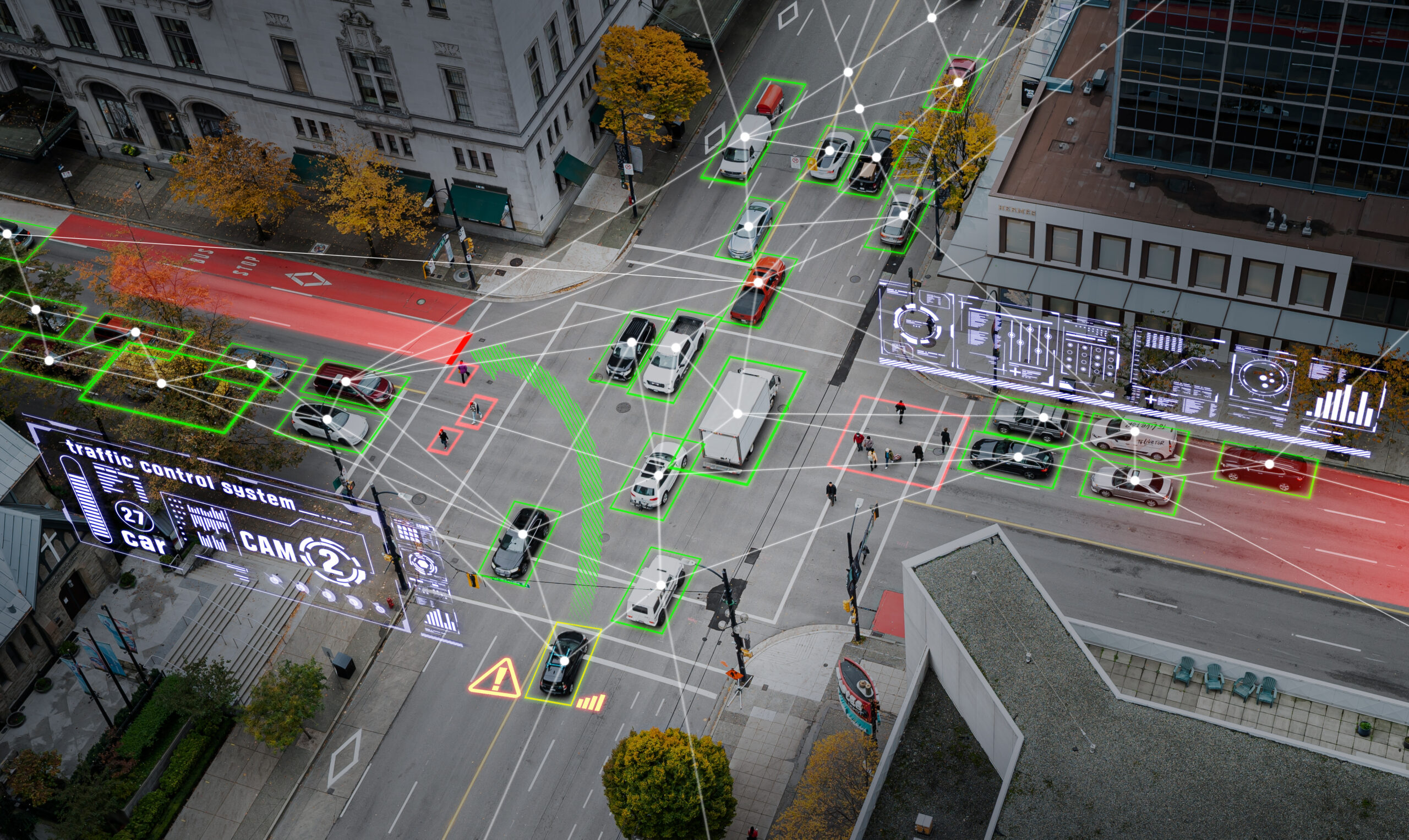
The evolution of these specialties has opened up a whole host of possibilities to automate, predict and improve the processes of smart cities. They are the cornerstone of the robotics industry, already being exploited in Japan.They also pose a major challenge for the public sector, which will need to update its administrations so that its mechanisms, which are very often obsolete, do not succumb. Some cities are already using it to alleviate traffic jams and foster sustainability.The most promising aspect of machines’ capacity to learn is not just the potential to do away with urban, human and mundane problems. They will also be capable of providing original technological models by themselves to find their own solutions and developments. The complex implications of this are still an unknown that should not be underestimated.Images | Humanrobo (CC BY-SA 3.0), iStock/Melpomenem, iStock/gorodenkoff